
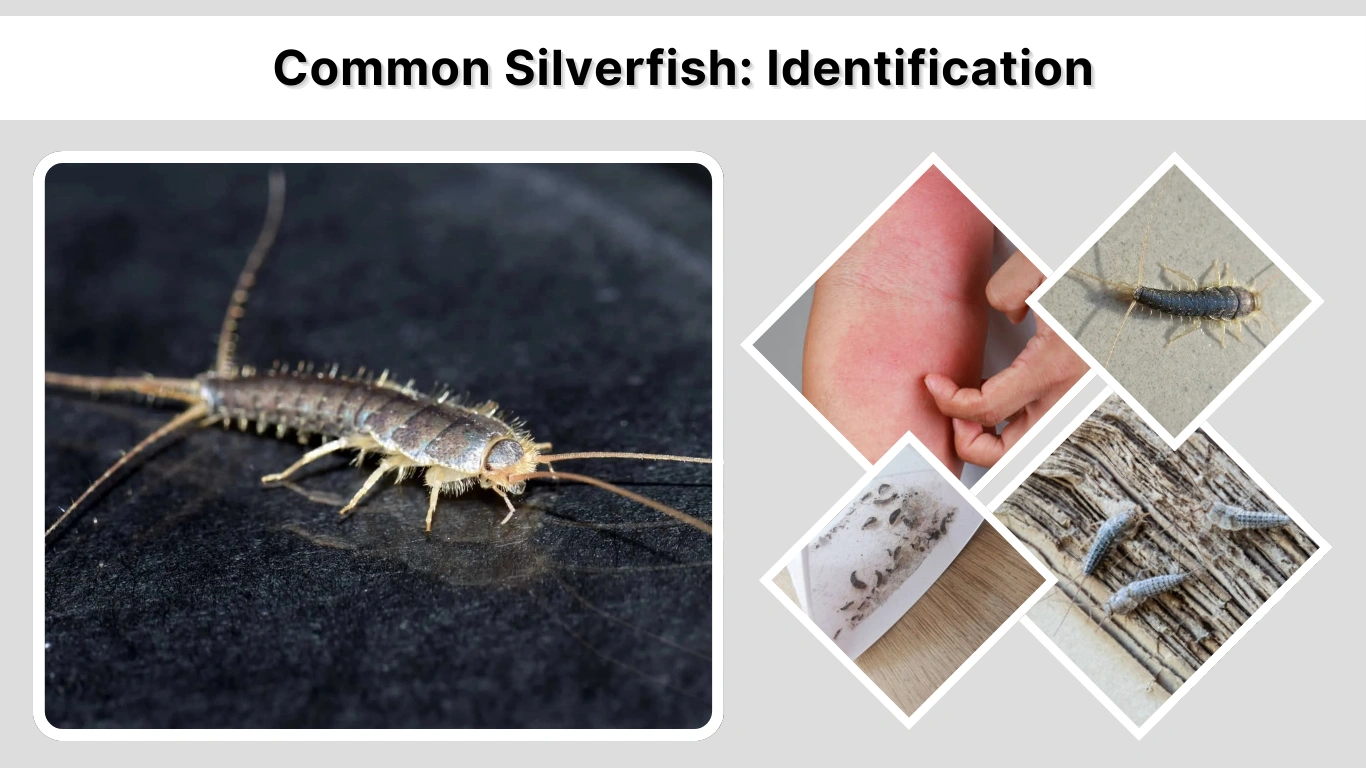
Common silverfish are small, fast-moving insects that often surprise homeowners when they dart across floors or bathroom walls late at night. Although they do not bite or spread diseases, their presence can be unsettling and, in some cases, damaging to household items. Silverfish are known for their silvery appearance, fish-like movement, and ability to survive for long periods in hidden areas of the home.
These insects thrive in dark, damp environments and are most active at night, which is why infestations often go unnoticed until they become established. Understanding what common silverfish are, how to identify them, and why they appear indoors is the first step toward effective control. This article explains the key characteristics, habits, and early warning signs of common silverfish so you can deal with them before they cause significant damage.
What Are Common Silverfish?
The common silverfish (Lepisma saccharina) is a wingless insect belonging to the order Zygentoma. Despite their name, silverfish are not related to fish at all. They are named for their shiny, silver-gray color and the way they move, which resembles the swimming motion of a fish.
Silverfish are ancient insects that have existed for millions of years, adapting well to a wide range of environments. They are nocturnal by nature and prefer to stay hidden during the day. Because of this behavior, homeowners may have a silverfish problem long before they ever see one. Silverfish are considered household pests because they feed on materials commonly found inside homes, especially items containing starch or cellulose.
How to Identify Common Silverfish

- Small, wingless insects measuring about ½ to 1 inch in length
- Silvery-gray or metallic body with a flattened, teardrop shape
- Long antennae on the head and three tail-like filaments at the rear
- Move in a fast, wriggling, fish-like motion
- Most active at night and quickly hide when exposed to light
- Commonly found in damp, dark areas such as bathrooms, basements, and kitchens
Where Common Silverfish Live
Silverfish prefer environments that are dark, humid, and undisturbed. In nature, they are commonly found under rocks, leaf litter, and tree bark. Indoors, they seek out similar conditions that provide moisture and shelter.
Within homes, common silverfish are frequently found in bathrooms, kitchens, basements, attics, and laundry rooms. They also hide behind baseboards, inside wall voids, under sinks, and in storage boxes. Areas with poor ventilation or high humidity are especially attractive to them. Modern homes with central heating and plumbing can unintentionally create ideal living conditions for silverfish year-round.
What Do Common Silverfish Eat?

Silverfish are scavengers with a diet that consists mainly of carbohydrates and sugars.
Primary Food Sources
Their preferred food sources include starches and materials rich in cellulose. This means they commonly feed on paper products such as books, newspapers, magazines, and cardboard boxes. Silverfish also eat wallpaper paste, glue, and book bindings, which makes libraries and storage areas particularly vulnerable.
Household Items at Risk
In addition to paper goods, silverfish may damage clothing made from natural fibers such as cotton, linen, and silk. They are also attracted to crumbs, dry food, and even pet food if it contains starches. Over time, their feeding habits can result in small holes, yellow stains, and surface damage to valuable household items.
Life Cycle and Lifespan of Common Silverfish
Common silverfish have a slow but persistent life cycle. Females lay small eggs in cracks and crevices, where they are protected from light and disturbance. Once hatched, the young silverfish resemble smaller versions of adults and gradually grow through a series of molts.
One unusual characteristic of silverfish is their long lifespan. Under favorable conditions, they can live for several years, sometimes up to eight years. This extended lifespan, combined with their ability to hide effectively, makes silverfish infestations difficult to eliminate if not addressed early.
Are Common Silverfish Harmful?

Common silverfish are not considered dangerous to humans, but they can still be a nuisance in the home. Unlike some household pests, silverfish do not bite, sting, or transmit diseases. They generally avoid human contact and will flee when disturbed.
Health Concerns
While silverfish pose no direct health threat, they can sometimes trigger allergic reactions in sensitive individuals. Their shed skins and droppings may contribute to indoor allergens, particularly in large infestations. Silverfish are also known to contaminate food sources when they crawl through pantries or storage areas, although this is relatively uncommon.
Damage to Property
The primary concern with common silverfish is the damage they cause to household items. They feed on paper, books, documents, wallpaper, and fabrics, which can result in holes, notches, and surface deterioration. Over time, repeated feeding can ruin valuable books, photographs, clothing, and stored materials, especially in humid environments.
Signs of a Common Silverfish Infestation
Because silverfish are nocturnal and secretive, infestations can be difficult to detect in the early stages. However, there are several signs that may indicate their presence.
Seeing live silverfish, particularly at night when lights are turned on, is one of the most obvious indicators. Homeowners may also find shed skins, which look like small, translucent shells, near baseboards or in hidden areas. Another sign is unexplained damage to paper goods, wallpaper, or fabrics, often appearing as irregular holes or yellowish stains.
How to Get Rid of Common Silverfish

Eliminating silverfish requires a combination of environmental control and targeted treatments. Since they thrive in moist, hidden areas, addressing the conditions that attract them is essential.
Natural and DIY Methods
Reducing humidity is one of the most effective ways to control silverfish. Using dehumidifiers, improving ventilation, and fixing leaks can make the environment less favorable for them. Vacuuming regularly helps remove silverfish, eggs, and food sources from cracks and corners.
Natural substances such as diatomaceous earth and boric acid can be applied in areas where silverfish hide. These powders damage the insects’ exoskeletons and help reduce populations when used correctly and safely.
Chemical and Professional Options
For larger infestations, insecticide sprays, baits, and traps may be necessary. These products are designed to target silverfish in hard-to-reach areas. In severe or recurring cases, professional pest control services can provide more comprehensive treatment and long-term solutions.
How to Prevent Common Silverfish
Prevention is the most effective strategy for avoiding future silverfish problems. Keeping indoor humidity levels low is crucial, especially in bathrooms, basements, and kitchens. Sealing cracks, gaps, and crevices around walls and floors helps eliminate hiding places.
Proper storage is also important. Books, papers, and clothing should be stored in sealed containers, and food items should be kept in airtight packaging. Regular cleaning and decluttering reduce potential food sources and make infestations easier to detect early.
Conclusion
Common silverfish are harmless to humans but can become a persistent household pest if left unchecked. Their preference for dark, humid environments and their ability to survive for many years make them difficult to eliminate once established. By understanding how to identify silverfish, recognizing early signs of infestation, and taking preventive measures, homeowners can protect their property and maintain a pest-free environment. Early action, combined with consistent moisture control and proper storage habits, is key to keeping common silverfish out of the home for good.
FAQs
Do common silverfish bite humans?
No, common silverfish do not bite humans. They do not have the ability to sting or inject venom and generally avoid human contact. Silverfish may appear alarming when they move quickly, but they are harmless to people.
Why do I see common silverfish at night?
Common silverfish are nocturnal insects, meaning they are most active at night. They prefer darkness and will usually come out to search for food when lights are off. If you see silverfish during the day, it may indicate a larger infestation.
Do common silverfish mean there is mold in the house?
Silverfish are attracted to moisture, which is also a condition that allows mold to grow. While silverfish do not directly cause mold, their presence can indicate high humidity levels that may also support mold growth.
How long can common silverfish live without food?
Common silverfish can survive for several months without food under the right conditions. Their slow metabolism allows them to endure long periods of scarcity, which is one reason infestations can persist even when food sources seem limited.
Will common silverfish go away on their own?
Silverfish rarely disappear on their own without intervention. As long as moisture, shelter, and food sources remain available, they are likely to survive and reproduce. Reducing humidity and sealing hiding places are essential steps for long-term control.
