
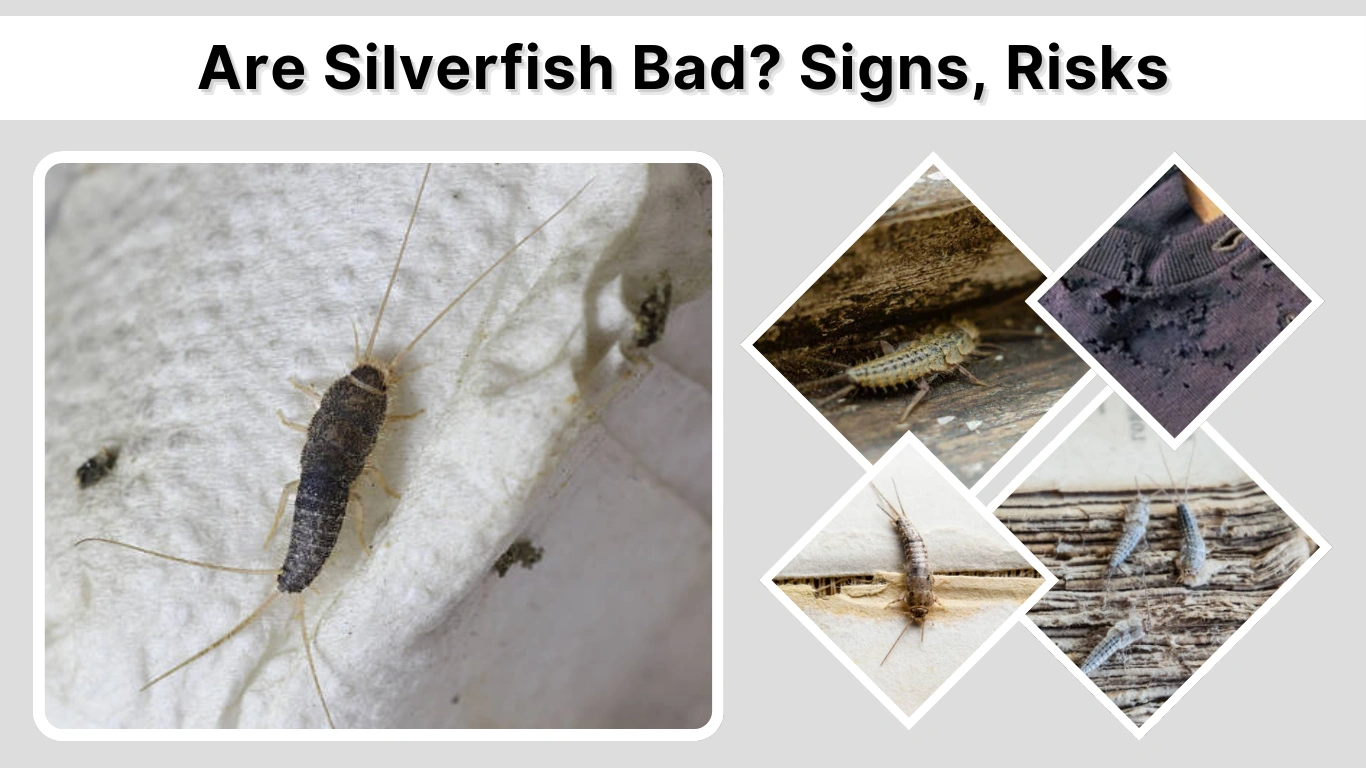
Silverfish are small, fast-moving insects often found in bathrooms, kitchens, basements, and storage areas. When people suddenly see one crawling across a wall or floor, the first question is usually, “Are silverfish bad?” Although silverfish do not bite and are not known to spread disease, they are still considered unwanted household pests. Their presence can signal moisture problems, hidden infestations, and potential damage to personal belongings, making them a real concern for homeowners.
What Are Silverfish Bugs?
Silverfish are wingless insects with a slender, carrot-shaped body and a shiny silver or gray appearance. They move quickly, prefer dark spaces, and are mostly active at night. Inside homes, silverfish are commonly found in bathrooms, kitchens, laundry rooms, basements, and attics because these areas provide the humidity and shelter they need to survive.
Silverfish feed on carbohydrates and proteins found in everyday household materials. This includes paper, book bindings, wallpaper glue, cardboard, cotton fabrics, and even crumbs or pantry items. Because their food sources are so common, homes unintentionally provide ideal living conditions.
A single silverfish sighting does not always mean a serious infestation. However, repeated sightings, especially in multiple rooms, often indicate that silverfish are breeding somewhere hidden, such as behind walls, under flooring, or inside stored boxes.
Are “Real Silverfish” Different From Other Bugs?
The term “real silverfish” is often used to separate true silverfish from similar-looking insects. Real silverfish belong to the order Zygentoma and are closely related to firebrats. While both look alike, firebrats prefer warmer environments, whereas silverfish thrive in cooler, damp areas. People sometimes confuse silverfish with earwigs or small centipedes, but silverfish are unique in their smooth, fish-like movement and three long tail-like bristles.
Are Silverfish Bad or Harmless?
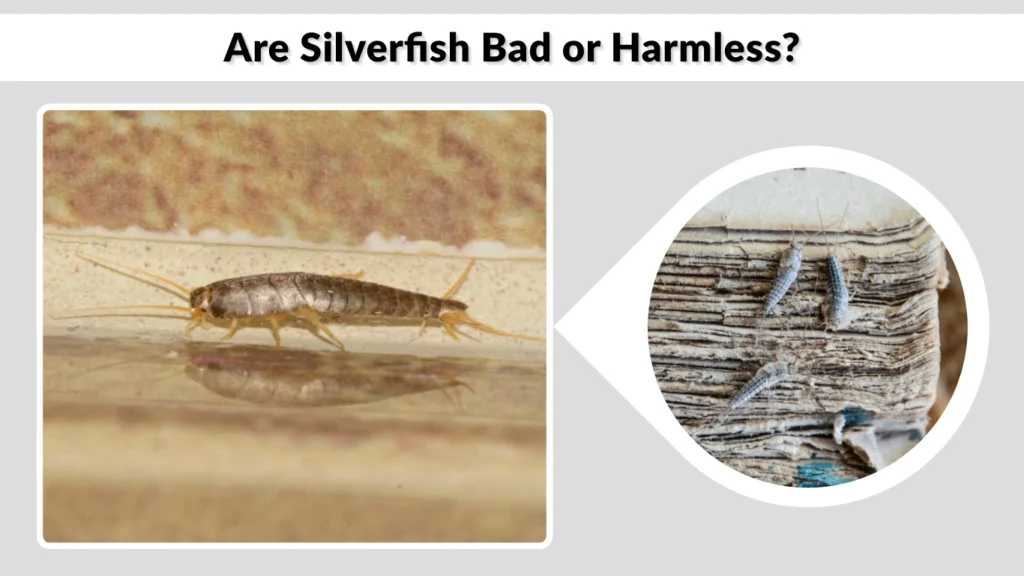
Silverfish are not dangerous in the way that venomous spiders, biting insects, or disease-carrying pests are. They do not bite humans, sting pets, or directly transmit illness. However, that does not mean they are harmless.
Silverfish are considered bad because of the type of damage they cause and what their presence often represents. They feed on materials that people value, such as books, clothing, wallpaper, and stored documents. Over time, this can lead to noticeable destruction of household items. In addition, silverfish usually appear where there is excess moisture, meaning they often signal deeper environmental problems within the home.
Are Silverfish Good or Bad in a House?
Outdoors, silverfish help break down organic matter and play a small role in the natural ecosystem. Indoors, however, they provide no benefit. A home environment gives them access to endless food sources and protected breeding areas. When silverfish move inside, they shift from being neutral insects to household pests. Even small populations can grow quietly, making them “bad” not because they harm people directly, but because they damage property and indicate unhealthy indoor conditions.
Why Are Silverfish Considered Bad?
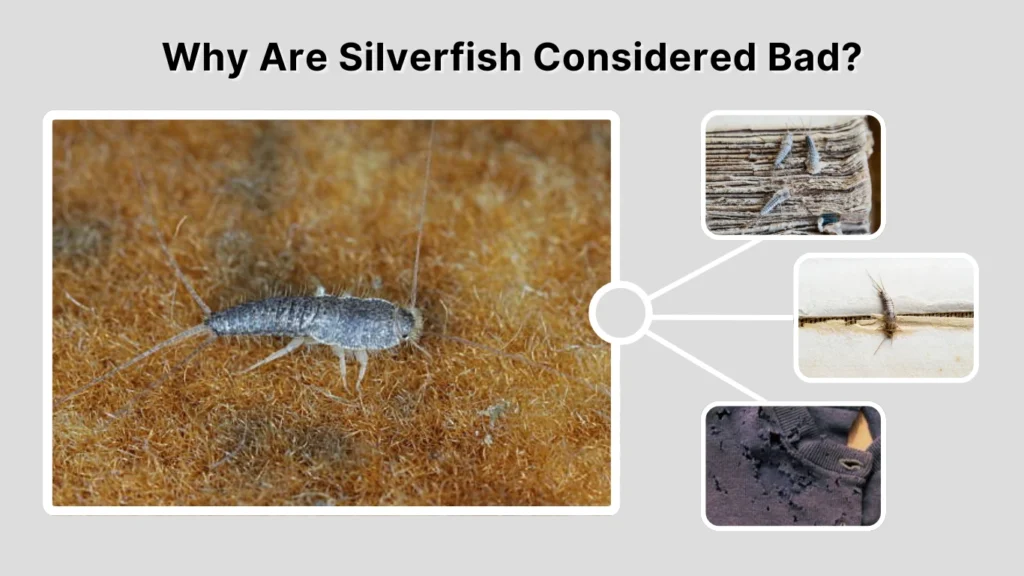
Silverfish are considered bad primarily because of the problems they cause inside homes.
- They damage books, magazines, important documents, and photographs by feeding on paper, glue, and bindings.
- They destroy wallpaper and wall coverings by eating the adhesive behind them.
- They chew holes in clothing, linens, carpets, and stored fabrics, especially items made of cotton, silk, or linen.
- They contaminate pantry areas by feeding on flour, cereal, sugar, and dried goods.
- They reproduce quietly in hidden spaces, allowing infestations to grow unnoticed.
- They create discomfort and stress for homeowners, especially when seen frequently.
Because they hide so effectively, silverfish damage often appears before the insects themselves are regularly noticed.
How Bad Are Silverfish Infestations?
The seriousness of a silverfish problem depends on how established the infestation is. Seeing one silverfish occasionally may simply mean one wandered in from a damp area. Seeing them regularly, especially at night, usually means there is a breeding population hidden somewhere in the home.
Silverfish can live for several years and survive long periods without food. This allows them to persist even in clean homes. Females lay eggs in cracks, behind baseboards, and inside wall voids. Because the insects are small and avoid light, infestations can grow for months before becoming obvious.
As populations increase, damage becomes more noticeable. Books develop rough edges and holes, wallpaper peels, and fabrics show unexplained wear. At this stage, silverfish are no longer just a nuisance but an active household problem.
Are Silverfish a Bad Sign in a House?
Yes, silverfish are often considered a bad sign. They are strongly associated with damp, humid environments. Their presence may indicate leaking pipes, poor ventilation, condensation issues, or hidden moisture behind walls and floors. These conditions not only attract silverfish but also increase the risk of mold and structural deterioration. In this way, silverfish often act as warning signs of deeper home maintenance problems.
Are Silverfish Bad for Your House?
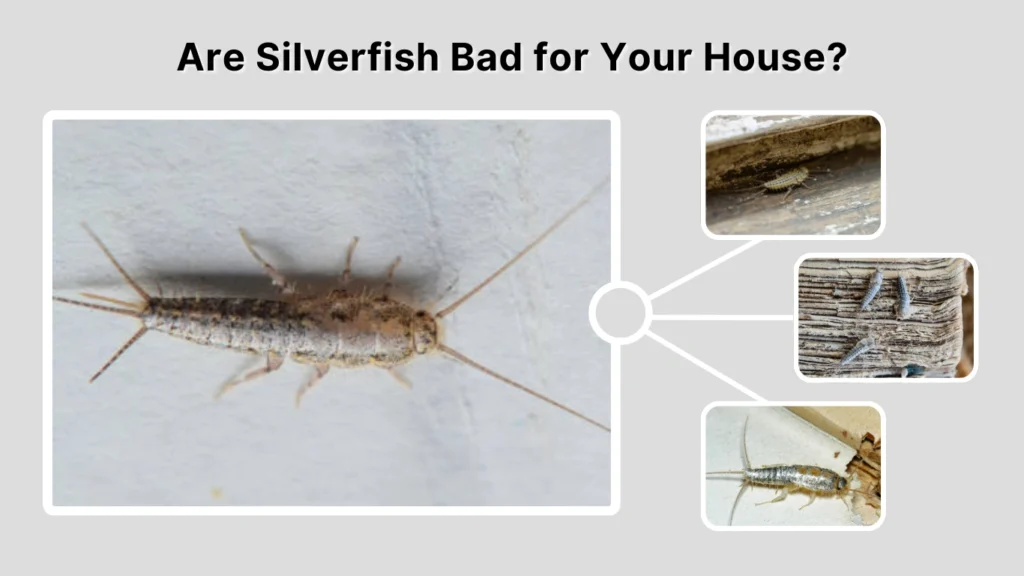
Silverfish are bad for a house mainly because of the long-term damage they cause and what they reveal about the indoor environment. While they do not chew wood like termites, they slowly destroy items that accumulate over time, such as stored books, important paperwork, wallpaper, insulation materials, and clothing.
They often live inside wall cavities, under flooring, and in storage spaces, making them difficult to detect and control. Their presence suggests excess moisture, which can weaken building materials, encourage mold growth, and attract additional pests. Over time, this combination can lead to more costly home repairs.
Are Silverfish Bad in the House Even in Small Numbers?
Even small numbers can matter. Silverfish are nocturnal and excellent at hiding, so visible individuals often represent a larger unseen population. Early sightings should not be ignored, as small infestations are far easier to manage than established ones.
Are Silverfish Bad for Pets or Humans?
Silverfish are not aggressive insects and are not known to bite, sting, or spread disease. From a direct health perspective, they are not considered dangerous to humans, cats, or dogs. However, their presence can still create indirect problems inside the home.
- Are silverfish bad for cats?
Silverfish are not poisonous to cats. If a cat catches or eats one, it usually causes no harm. Problems may arise if pest control chemicals are used or if large numbers of insects are ingested along with dust and debris. - Are silverfish bad for dogs?
Dogs are also unlikely to be harmed by silverfish themselves. Accidental ingestion is typically harmless, but dogs may react to insecticides used to treat infestations. - Do silverfish bite humans?
No, silverfish do not bite humans. They lack the mouthparts needed to pierce skin and are generally fearful of people. - Can silverfish cause illness?
Silverfish are not known to transmit diseases. However, their shed skins and droppings can contribute to indoor allergens, potentially irritating people with asthma or sensitivities. - Are silverfish linked to skin irritation?
While they do not bite, contact with shed skins, dust, or contaminated fabrics may occasionally cause mild irritation in sensitive individuals.
Although silverfish are not medically dangerous, their ability to contaminate food storage areas and damage belongings makes them undesirable household pests.
Are Silverfish Bad for Plants?
Silverfish are not plant pests in the traditional sense. They do not attack healthy houseplants, chew leaves, or feed on living plant tissue. This means silverfish are not directly bad for plants.
However, they are strongly attracted to damp environments. Overwatered pots, decaying leaves, and moist soil create ideal hiding places. In these conditions, silverfish may live in and around plant containers, feeding on mold, fallen organic matter, or starchy residues.
While they do not harm the plants themselves, their presence around plant pots often signals excess moisture. Overwatering can lead to root rot, fungal growth, and other plant health problems. In this way, silverfish are indirectly connected to unhealthy plant environments.
Can Silverfish Live in Soil or Plant Pots?
Yes, silverfish can hide in soil, under pots, and beneath trays, especially if these areas remain consistently damp. Organic debris, mulch, and fallen leaves provide both shelter and food. Reducing moisture, cleaning plant areas, and improving airflow usually makes these spots less attractive to silverfish.
Why Are Silverfish So Hard to Control?
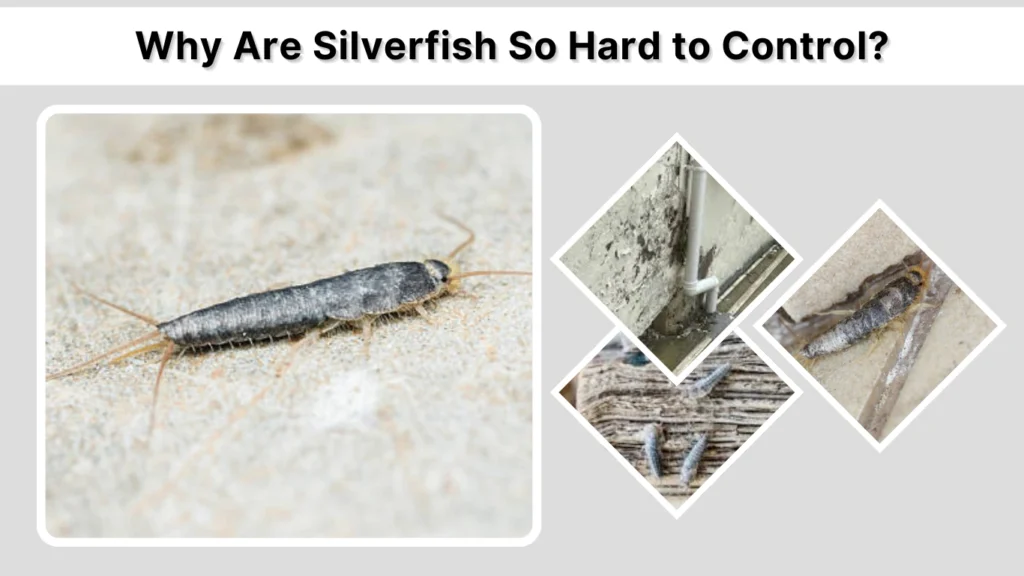
Silverfish are notoriously difficult to eliminate because of their behavior and survival abilities. They are nocturnal, meaning they come out at night and hide during the day. This allows infestations to grow unnoticed.
Their flat bodies let them slip into cracks, wall voids, book spines, and storage boxes. They can survive for long periods without food and tolerate a wide range of indoor temperatures, making starvation-based control methods unreliable.
Silverfish also lay eggs in hidden crevices. These eggs hatch slowly, which means populations can continue to appear even after adult insects are removed. Without addressing moisture and hiding places, treatments often fail to fully solve the problem.
Why Silverfish Keep Coming Back
Silverfish usually return when the conditions that attracted them remain unchanged. High humidity, poor ventilation, leaking pipes, cluttered storage areas, and cardboard boxes provide everything they need. Without moisture control and proper sealing of entry points, silverfish can continue to reappear even after cleaning or spraying.
When Are Silverfish a Serious Problem?
Silverfish become a serious problem when their population grows large enough to cause visible damage or constant sightings.
- Seeing silverfish daily or in daylight hours
- Finding yellow stains, shed skins, or droppings
- Discovering holes in books, papers, or clothing
- Noticing wallpaper lifting or deteriorating
- Finding silverfish in multiple rooms
- Continued activity despite regular cleaning
At this stage, silverfish are no longer occasional intruders. They are established household pests that require both environmental correction and targeted control.
FAQs
Are silverfish bad for your house?
Silverfish are bad for a house because they damage books, wallpaper, stored papers, fabrics, and food packaging. They also signal moisture problems, which can lead to mold and long-term structural concerns if not corrected.
Are silverfish a bad sign?
Yes, silverfish are often a warning sign of excess humidity, leaks, or poor ventilation. They thrive in damp conditions, so their presence may indicate hidden moisture problems behind walls, under floors, or in basements.
How bad are silverfish compared to other bugs?
Silverfish are less destructive than termites and less unsanitary than cockroaches, but they are more damaging to paper and fabrics. Large infestations can quietly destroy stored belongings over time.
Are silverfish bad for cats and dogs?
Silverfish are not poisonous and do not bite pets. Cats and dogs are unlikely to be harmed by them directly, but exposure to pest control chemicals or contaminated areas may pose a greater risk than the insects themselves.
Are silverfish bad for plants?
Silverfish do not damage healthy plants. However, they are attracted to damp soil and decaying organic matter, which may signal overwatering or humidity issues that can indirectly affect plant health.