
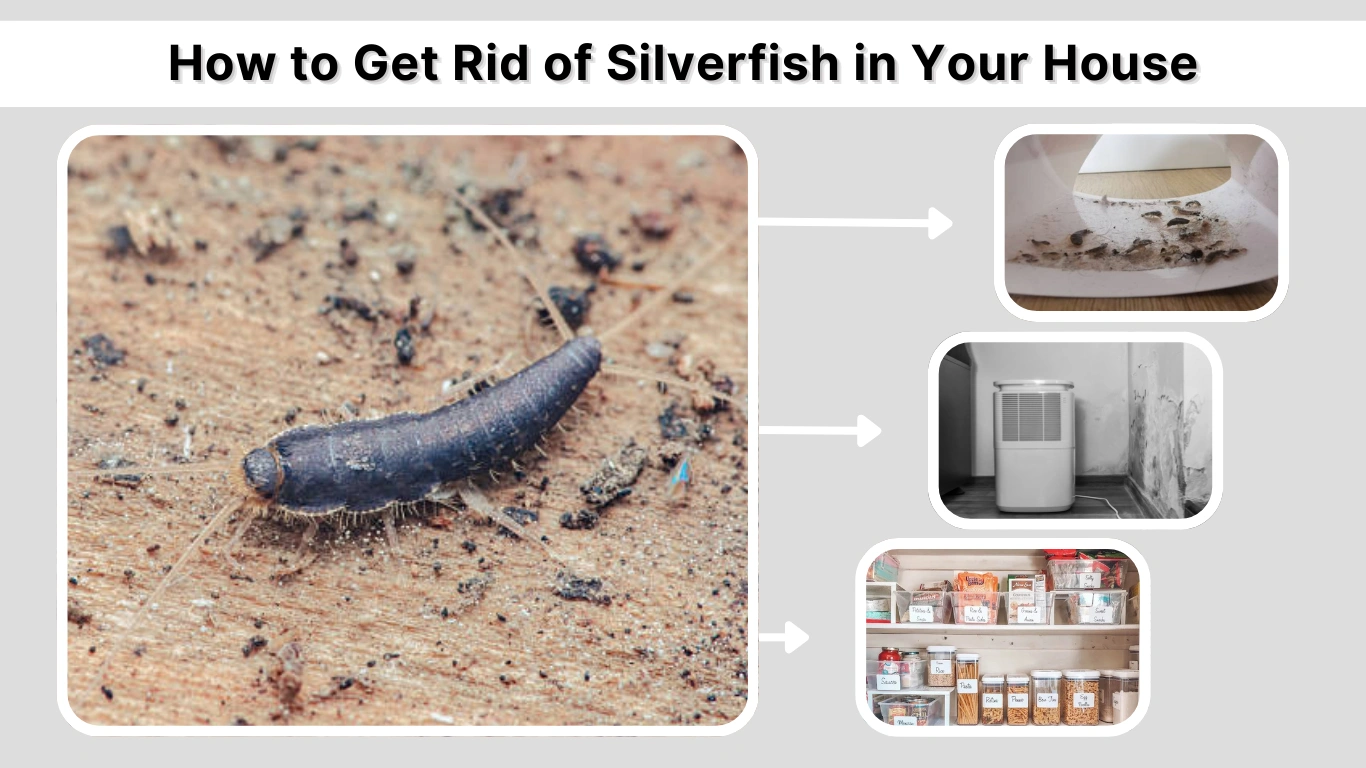
Silverfish are fast-moving, moisture-loving insects that hide in dark places such as bathrooms, basements, kitchens, and storage rooms. Seeing one often means there are more hiding nearby. Successfully getting rid of silverfish is not about spraying random chemicals—it requires removing the conditions that allow them to survive. This step-by-step guide explains how to identify silverfish, find their hiding spots, eliminate moisture and food sources, and use targeted methods that actually work for long-term control.
Confirm It’s Silverfish (Not a Similar Bug)
Before starting treatment, it’s important to confirm that the insect you’re seeing is truly a silverfish. Silverfish are wingless, carrot-shaped insects with shiny silver-gray scales, long antennae, and three tail-like bristles at the rear. They move quickly in a fish-like motion and are usually spotted at night.
Common Silverfish Signs
Silverfish are nocturnal and rarely stay in the open. Most people first notice them when they turn on a bathroom or kitchen light at night and see a small insect dart across the floor or into a crack. Damage is another clue. Silverfish chew irregular holes in paper, book pages, wallpaper, cardboard, and even cotton or linen fabrics. In heavier infestations, you may find yellow stains, tiny pepper-like droppings, or shed skins in corners and storage areas.
Bugs People Confuse With Silverfish
Firebrats look very similar but prefer hotter environments such as near ovens, boilers, or furnaces. Carpet beetle larvae are often mistaken for silverfish, but they are slower, fuzzy, and usually found on fabrics. House centipedes are sometimes confused with silverfish, but they have many visible legs and actually feed on other insects, including silverfish.
Correct identification ensures you choose the right control methods and don’t waste time treating the wrong pest.
Step-by-Step: How to Get Rid of Silverfish
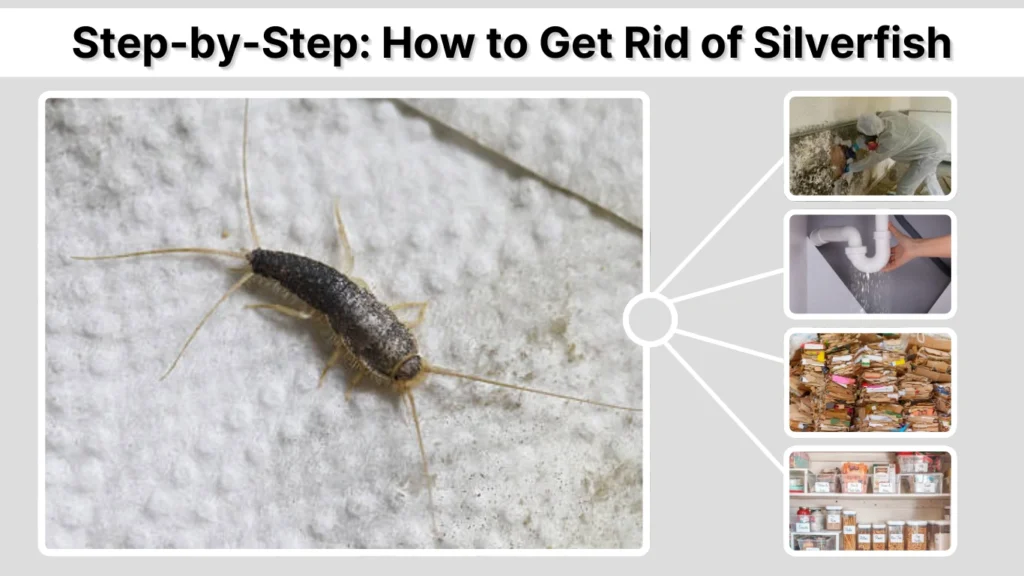
- Step 1: Reduce humidity fast
Silverfish cannot survive well in dry environments. Use exhaust fans in bathrooms and kitchens, open vents, and run a dehumidifier, especially in basements. Aim to keep indoor humidity below 50 percent. - Step 2: Fix moisture sources
Repair leaking pipes, dripping faucets, roof seepage, and condensation problems. Dry out damp cabinets, wet basements, and laundry areas. Without constant moisture, silverfish populations naturally decline. - Step 3: Declutter hiding zones
Remove stacked cardboard boxes, old newspapers, unused books, and clothing piles. These items provide both food and shelter. Store necessary materials in sealed plastic containers instead. - Step 4: Deep clean food sources
Vacuum crumbs, wipe pantry shelves, and clean under appliances. Store cereals, flour, sugar, and pet food in airtight containers. Removing starches and organic debris limits what silverfish can feed on. - Step 5: Vacuum cracks and edges
Use a vacuum with a narrow nozzle to clean along baseboards, behind toilets, under sinks, and behind refrigerators. This physically removes silverfish, eggs, and food particles. Dispose of the vacuum bag immediately. - Step 6: Seal entry points
Apply caulk to cracks in walls, gaps around baseboards, spaces under cabinets, and openings around plumbing lines. Install door sweeps and repair damaged window seals to block new silverfish from entering.
These first steps alone often reduce activity dramatically because they remove the moisture, shelter, and access silverfish depend on.
Find the Source: Where Silverfish Are Hiding
Silverfish are rarely spread evenly throughout a home. They usually come from one or two primary source areas where conditions are ideal.
High-Risk Rooms
Bathrooms are the most common starting point because they combine warmth, humidity, and hiding spaces. Check under sinks, behind toilets, inside vanity cabinets, and around floor drains. Kitchens are another hotspot, especially under sinks, behind dishwashers and refrigerators, and inside pantry corners where crumbs and moisture build up. Basements and crawl spaces are major breeding zones due to darkness, poor airflow, and foundation moisture.
Hidden Nesting Zones
Silverfish often hide in wall voids, behind baseboards, beneath loose tiles, under cabinets, and inside storage closets. They also gather around plumbing penetrations, drains, vents, and electrical openings. Finding these zones allows you to focus traps and treatments where they actually live rather than where you occasionally see them.
Moisture Control
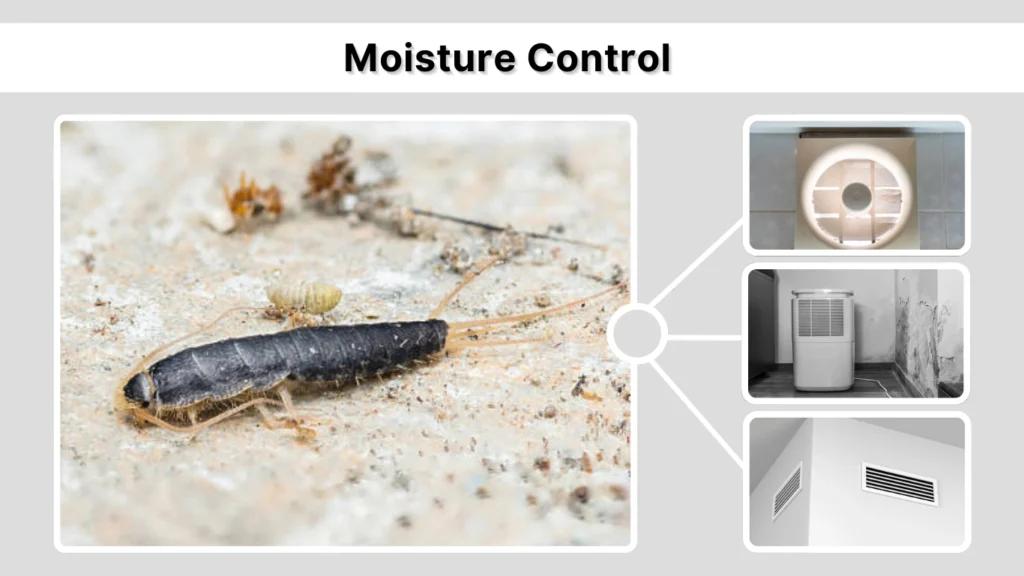
- Use bathroom and kitchen exhaust fans daily
- Run dehumidifiers in basements and damp rooms
- Increase airflow by opening interior doors and vents
- Insulate cold pipes to prevent condensation
- Fix leaks and water damage as soon as they appear
Consistent moisture control not only helps remove silverfish but also prevents mold, mildew, and other pests that thrive in damp conditions.
Remove Food Sources and Clutter
Silverfish survive on materials many people overlook as food. Paper, glue, book bindings, cardboard, fabric fibers, and pantry starches all support infestations. Reducing these resources is essential for long-term success.
What Silverfish Eat Indoors
Silverfish commonly feed on flour, cereals, pet food, sugar residues, wallpaper paste, book glue, cotton, linen, and even dead insects. This is why they are often found in pantries, libraries, storage rooms, and laundry areas. Even small crumbs and dust buildup can provide enough nutrition to maintain a population.
Storage Changes That Work
Move books, documents, and clothing into sealed plastic containers or zippered storage bags. Replace cardboard boxes with plastic bins. Keep pantry items in airtight containers and avoid storing paper goods on basement or bathroom floors. Reducing clutter not only removes food sources but also exposes hiding places, making silverfish easier to detect and control.
Traps: How to Catch and Measure Activity
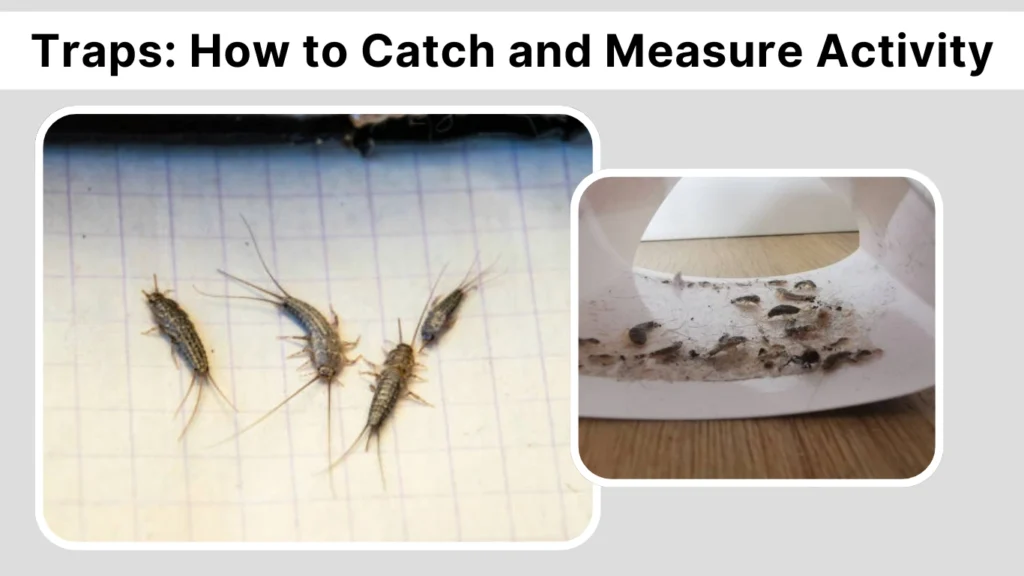
Sticky traps are one of the best tools for both control and monitoring.
- Place traps along baseboards, under sinks, behind toilets, and near pantry corners
- Put traps in basements, storage rooms, and bathrooms first
- Write the date and location on each trap
- Check traps weekly to measure progress
- Move traps toward areas with higher catches to locate the source
Traps help confirm whether your efforts are working and show where silverfish are most active, guiding where to focus further action.
Treatments That Actually Work (And Where to Apply)
Low-Toxicity Options
Boric acid, silica aerogel, and food-grade diatomaceous earth are effective dusts that kill silverfish by damaging their outer layer and causing dehydration. Apply a very thin layer into cracks, behind baseboards, under appliances, inside wall voids, and beneath sinks. These products work best in dry areas and should never be piled thickly.
Baits and Residual Products
Silverfish baits and residual insecticides are useful when populations are hidden deep in walls or structural voids. These should be applied only in cracks and crevices, not on open surfaces. Overuse does not improve results and can create safety issues, especially in homes with children or pets.
Targeted placement is far more effective than spraying entire rooms.
DIY vs Professional Pest Control
When DIY Is Enough
DIY control is usually effective when sightings are limited, moisture problems are corrected, and trap counts drop within two to three weeks. Most light to moderate infestations can be controlled through humidity reduction, sealing, cleaning, and targeted treatments.
When to Call a Professional
Professional pest control is recommended if silverfish continue appearing after several weeks of consistent treatment, if infestations are widespread across multiple floors, or if major moisture issues exist such as chronic basement dampness or mold. Professionals can access wall voids, apply professional-grade products, and identify hidden structural sources.
Prevention Plan So They Don’t Come Back
Long-term prevention is what keeps silverfish from returning.
- Maintain indoor humidity below 50 percent
- Repair new leaks and seal cracks promptly
- Store pantry foods in sealed containers
- Avoid long-term cardboard storage
- Vacuum baseboards, closets, and storage areas regularly
- Inspect bathrooms, basements, and attics every few months
Homes that stay dry, clean, and sealed are naturally resistant to silverfish.
FAQs
What kills silverfish instantly?
Vacuuming removes silverfish immediately, and direct contact with boric acid or silica dust kills them quickly by dehydration. However, instant kill alone does not solve infestations. Moisture control and hiding-place treatment are necessary to eliminate eggs and hidden populations.
Why do I keep getting silverfish even after cleaning?
Cleaning removes visible insects and food sources, but silverfish survive if moisture and hidden shelter remain. High humidity, leaks, wall voids, and stored paper can allow them to continue breeding out of sight.
Do silverfish come from drains?
Silverfish do not usually breed inside drains, but damp plumbing areas allow them to travel and hide. Seeing them near sinks often means there is moisture or a nest nearby, not that the drain is the original source.
How long does it take to get rid of silverfish?
Small infestations may decline within one to two weeks after moisture control and sealing. Larger or long-term infestations often take four to six weeks of consistent effort to fully resolve.
What is the best silverfish repellent for bathrooms?
The most effective “repellent” is dryness. Using exhaust fans, fixing leaks, sealing gaps, and keeping the area dry discourages silverfish far better than scented sprays or oils.