
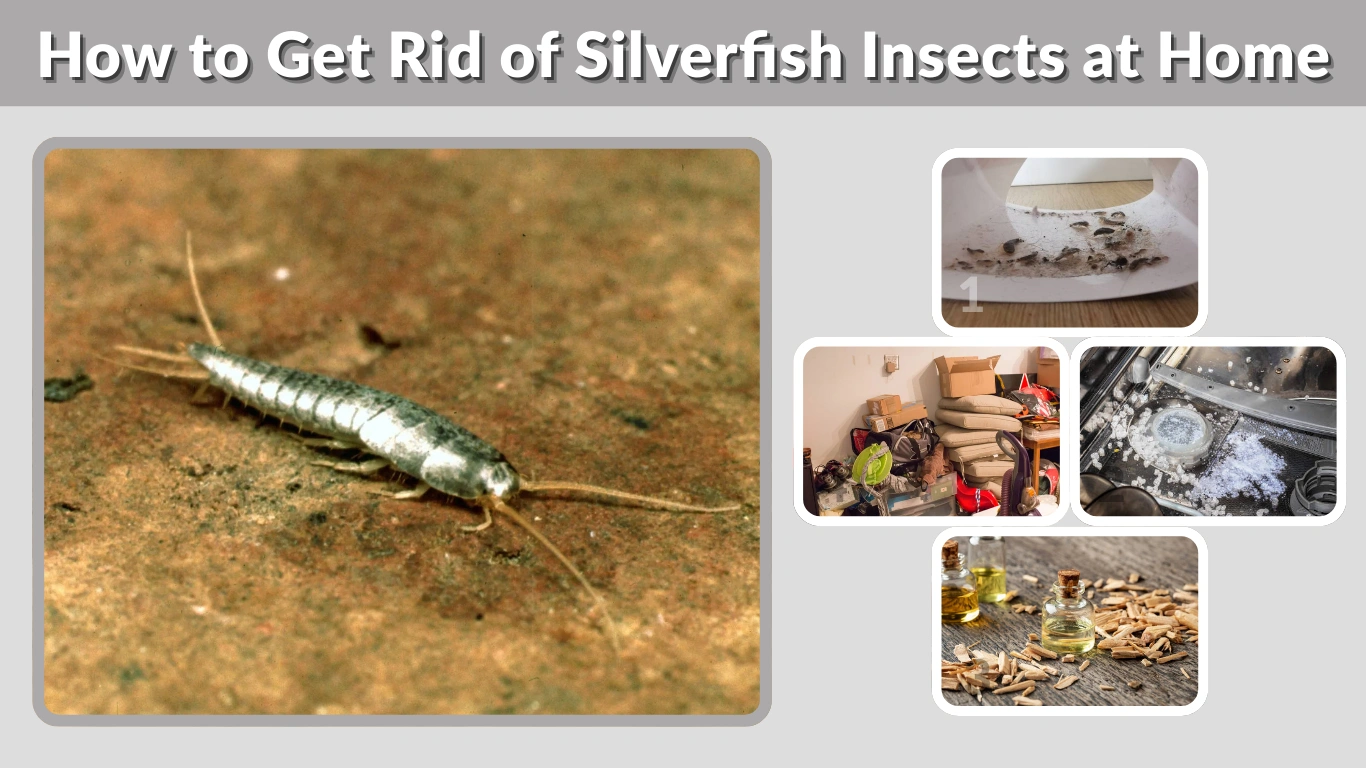
Silverfish insects are fast-moving, wingless pests that often appear in bathrooms, kitchens, basements, and storage areas. Although they do not bite humans, they can seriously damage books, clothing, wallpaper, and pantry items. Because silverfish hide in dark cracks and only come out at night, infestations often grow unnoticed. This guide explains how to get rid of silverfish insects using clear identification, proven home methods, and practical control strategies that stop them before they spread further.
What Are Silverfish Insects?
Silverfish are small, primitive insects known for their silvery-gray color and fish-like movements. They are nocturnal pests that prefer dark, damp environments and can survive for years inside homes without being detected.
Unlike many household insects, silverfish do not rely on one specific food source. They feed on a wide range of materials, including paper, glue, fabric fibers, and starchy foods. This flexible diet allows them to live in bedrooms, kitchens, basements, and even behind walls.
Silverfish are also long-lived compared to most insects. Some species can survive two to eight years, molting many times throughout their life. This long lifespan makes infestations difficult to eliminate if early signs are ignored.
Physical Characteristics
Silverfish are usually ½ to ¾ inch long, with a flattened, teardrop-shaped body covered in shiny scales. They have long antennae and three bristle-like tails at the rear. Their quick, wriggling movement often makes them resemble small fish.
Silverfish Life Cycle
Silverfish begin life as tiny white eggs hidden in cracks. After hatching, they become nymphs that look like smaller adults. Unlike many insects, silverfish continue to molt throughout their lives, even after reaching maturity, which allows them to grow slowly and survive for many years.
Signs of a Silverfish Infestation
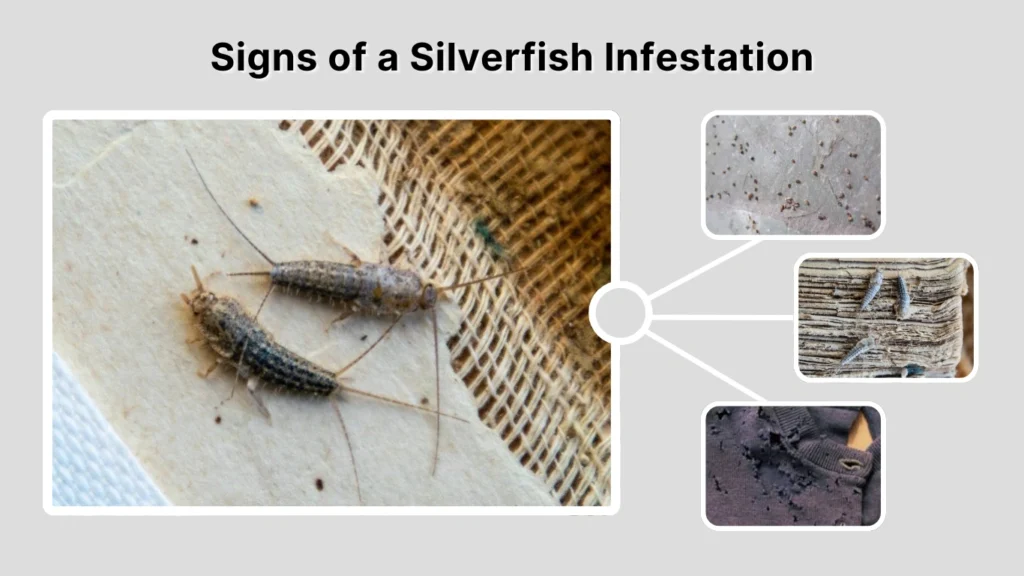
Silverfish are secretive, so infestations often develop before homeowners realize a problem exists. Common warning signs include both live sightings and property damage.
Key signs include:
- Seeing silverfish running across floors at night
- Yellow stains or tiny black droppings
- Shed skins in corners and drawers
- Holes in books, paper, wallpaper, or photos
- Damage to clothing, curtains, and cereal boxes
Where Silverfish Are Commonly Found
Silverfish prefer moist, undisturbed areas. They are most often found in bathrooms, kitchens, basements, attics, closets, laundry rooms, and inside storage boxes. They also hide behind baseboards, under sinks, and inside wall cracks.
What Causes Silverfish in Homes?
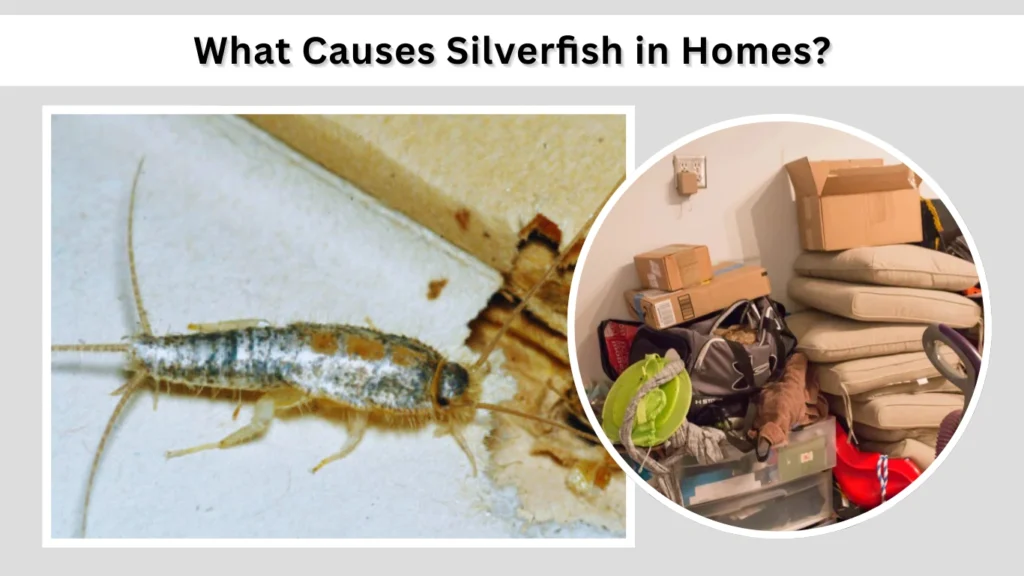
Moisture is the main factor that attracts silverfish. High humidity creates the ideal environment for them to survive, reproduce, and find mold growth that supports their diet.
Food availability also plays a major role. Homes with paper clutter, fabric storage, cardboard boxes, and unsealed pantry foods provide endless feeding opportunities. Even dust and book glue can sustain silverfish populations.
Structural features of houses often allow silverfish to enter and hide easily. Cracks, loose baseboards, drains, and wall voids create perfect nesting spaces that protect them from light, cleaning, and predators.
Environmental Conditions That Attract Silverfish
Leaking pipes, poor bathroom ventilation, damp basements, condensation, and standing water all increase humidity. These moisture problems dramatically raise the risk of silverfish infestations.
Common Entry Points
Silverfish commonly enter through wall cracks, plumbing gaps, floor drains, cardboard boxes, used books, stored clothing, and second-hand furniture brought into the home.
What Do Silverfish Eat?
Silverfish feed primarily on carbohydrates and proteins found in household materials. They are especially attracted to starches, sugars, and cellulose-based products.
Paper items such as books, documents, wallpaper paste, and cardboard are favorite food sources. Silverfish often chew irregular holes in pages and leave yellow stains behind.
They also damage clothing, curtains, and upholstery, particularly fabrics containing cotton, linen, silk, or rayon. In kitchens, they may infest flour, cereal, pet food, and crumbs, feeding quietly at night.
Because silverfish can survive on such a wide range of materials, eliminating food sources is just as important as killing the insects themselves.
How to Get Rid of Silverfish Insects Naturally
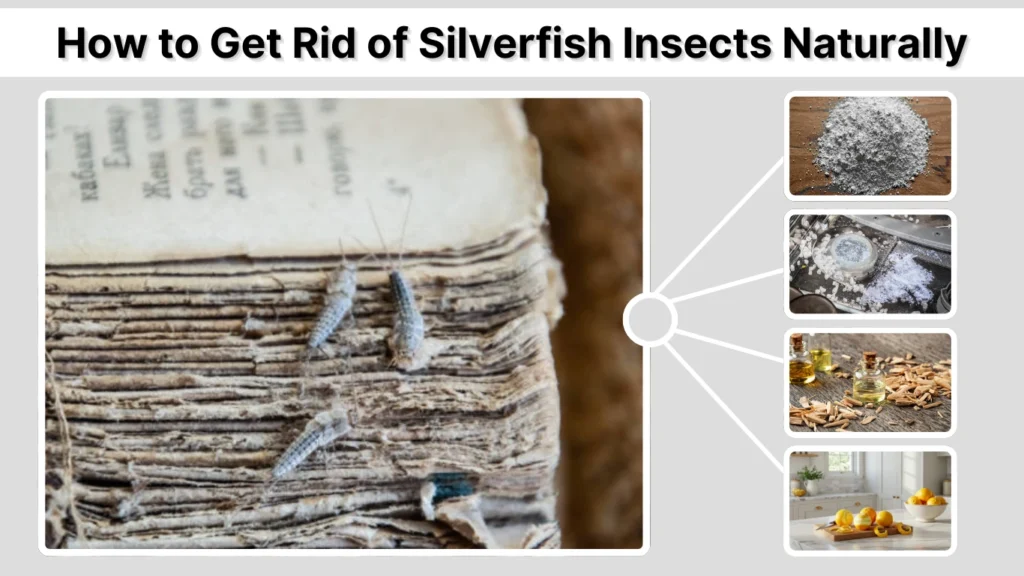
Natural control methods are often the first step for mild infestations. These remedies work by dehydrating silverfish, repelling them, or disrupting their hiding places.
Effective natural methods include:
- Diatomaceous earth dusted into cracks and corners
- Boric acid applied lightly behind appliances
- Cedar oil or cedar blocks in closets and drawers
- Citrus peels placed in cabinets and storage areas
- Cinnamon and cloves used as natural repellents
- Vinegar and water sprays for cleaning surfaces
How Natural Methods Work
Most natural treatments kill silverfish by drying out their bodies or damaging their outer coating. Strong scents such as cedar and citrus repel them, while deep cleaning removes both food sources and scent trails that attract new insects.
How to Kill Silverfish Insects Fast
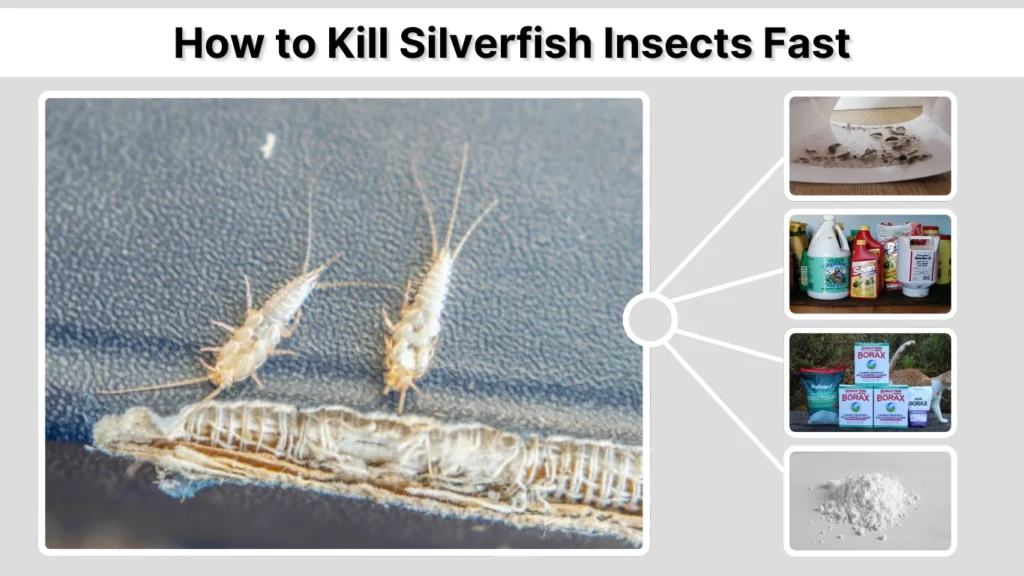
When silverfish infestations become noticeable, faster control methods are often necessary. These approaches focus on killing active insects and stopping reproduction.
Effective fast-acting methods include:
- Sticky silverfish traps placed along baseboards and under sinks
- Ready-to-use insecticide sprays labeled for silverfish
- Borax powder applied lightly in cracks and wall voids
- Residual insect control powders for long-term protection
- Insect growth regulators to disrupt development cycles
Sticky traps help reduce populations and monitor activity, while sprays provide immediate knockdown. Powders and growth regulators continue working after application, killing hidden silverfish and preventing eggs from maturing.
Best Places to Apply Treatments
Focus treatment on baseboards, wall cracks, behind appliances, under sinks, inside cabinets, closets, laundry rooms, and basement corners. These areas serve as silverfish travel routes and nesting sites.
Step-by-Step Silverfish Removal Process
Successful silverfish control requires more than spraying insects on sight. A structured removal process ensures both active pests and hidden colonies are eliminated.
Follow these steps:
- Deep clean all rooms, vacuuming cracks and corners
- Remove cardboard, paper clutter, and fabric piles
- Reduce indoor humidity using dehumidifiers and fans
- Seal gaps around pipes, baseboards, and walls
- Apply natural or chemical treatments
- Place traps to monitor population levels
- Repeat treatments every 7–10 days if activity continues
This process attacks silverfish from multiple angles, removing shelter, food, and moisture while actively killing existing insects.
How Long Silverfish Elimination Takes
Light infestations may resolve within two to three weeks. Moderate infestations often take one to two months of repeated treatment. Severe infestations hidden inside walls or basements may require professional help and extended control plans.
How to Prevent Silverfish from Coming Back
Prevention is the most important part of silverfish control. Without long-term changes, infestations often return even after successful treatment.
Controlling moisture is the foundation of prevention. Keeping humidity below 50 percent makes homes less attractive and disrupts silverfish breeding conditions. Good airflow, regular ventilation, and quick leak repairs significantly reduce risk.
Smart storage habits also make a major difference. Food should be kept in sealed containers, while books, documents, and clothing should be stored in dry, airtight bins. Reducing clutter limits hiding spots and food sources.
Routine cleaning helps break silverfish life cycles. Regular vacuuming, dusting, and inspections remove eggs, shed skins, and hidden insects before populations grow again.
Moisture Control Strategies
Using dehumidifiers, installing bathroom exhaust fans, fixing plumbing leaks, and improving basement airflow help maintain a dry environment that silverfish struggle to survive in.
Smart Home Habits
Sealing pantry items, rotating stored clothing, removing cardboard boxes, and checking dark corners regularly prevents silverfish from re-establishing inside the home.
Are Silverfish Dangerous to Humans?
Silverfish do not bite, sting, or spread diseases to humans. They are not medically dangerous, and they rarely interact directly with people. However, their presence can cause discomfort, stress, and property damage.
The main risk from silverfish comes from contamination and destruction. They damage books, documents, clothing, wallpaper, and pantry items. Their droppings and shed skins may also trigger allergies in sensitive individuals.
Large infestations can affect indoor air quality and may indicate moisture problems that lead to mold growth, which carries its own health concerns.
When to Call Professional Exterminators
Professional extermination is recommended when silverfish appear daily, spread across multiple rooms, or continue returning despite repeated treatments.
Pest control specialists use stronger residual products, wall void treatments, and moisture-control strategies not typically available to homeowners. They can also identify hidden nests and entry points that DIY efforts often miss.
Professional services are especially helpful for infestations in basements, apartment buildings, libraries, or long-term storage areas where silverfish populations can thrive unseen.
FAQs
What kills silverfish instantly?
Silverfish can be killed instantly using insecticide sprays designed for crawling insects, as well as borax and diatomaceous earth applied directly to their hiding areas. Sticky traps also capture and kill silverfish effectively when placed along baseboards and moisture-prone zones.
Why do silverfish keep coming back?
Silverfish return when moisture, food, and hiding places remain available. High humidity, paper clutter, unsealed food, and structural gaps allow hidden eggs to hatch and new insects to thrive. Without humidity control and sealing entry points, infestations often reappear.
Are silverfish harmful or dangerous?
Silverfish are not physically dangerous to humans and do not bite. However, they are harmful to household items, damaging books, clothing, wallpaper, and food packaging. Large infestations may also worsen allergies and indicate underlying moisture problems.
Can silverfish live in beds or clothes?
Silverfish do not live in beds like bed bugs, but they may hide in closets, laundry piles, and stored clothing. They are attracted to natural fibers and can damage fabric, especially when moisture and darkness are present.
How long does it take to get rid of silverfish?
Minor infestations may be controlled within two to three weeks. Moderate infestations often take one to two months of cleaning, treatment, and prevention. Severe infestations may require professional pest control and ongoing moisture management.