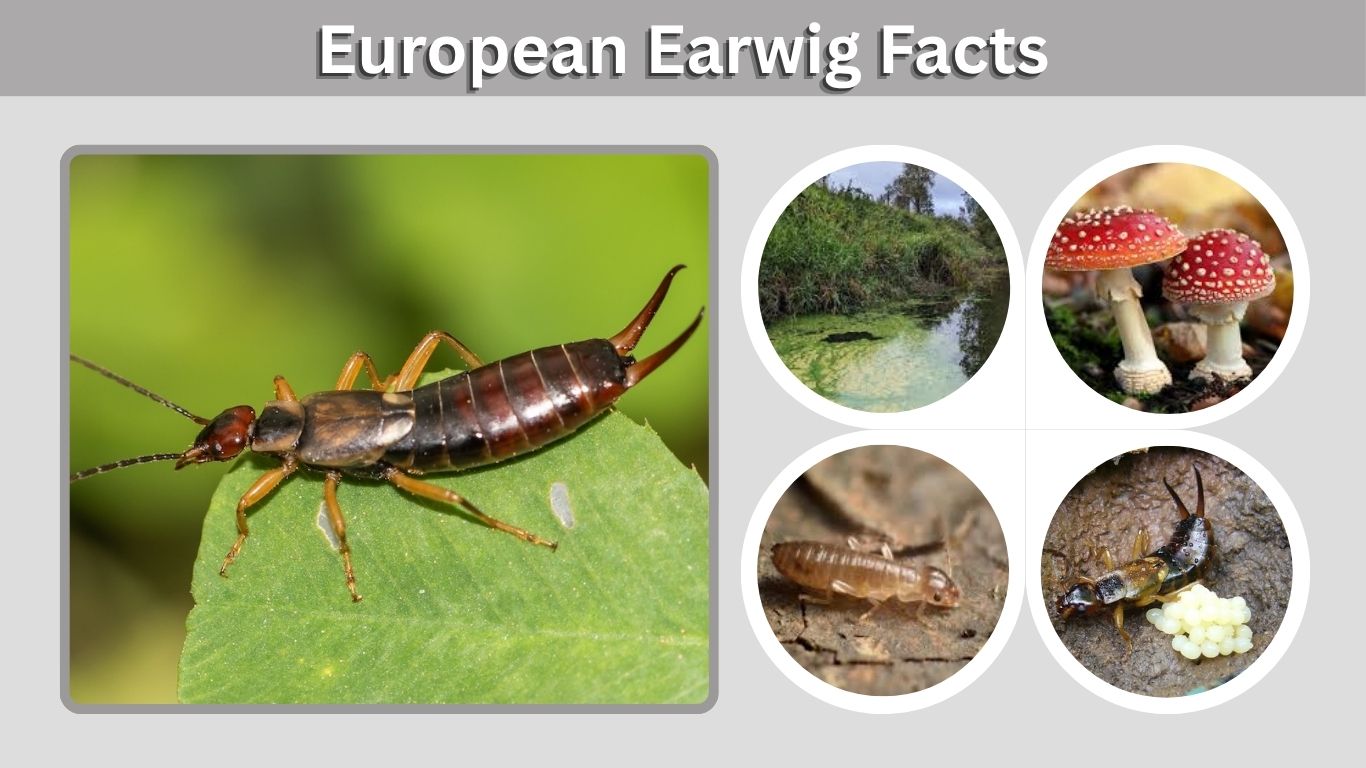
The European earwig is one of the most common earwig species found around homes, gardens, mulch beds, and damp outdoor spaces. Its long body, reddish-brown color, and forceps-like pincers make it easy to recognize. Although European earwigs may look threatening, they are mostly nuisance pests. They can pinch if handled, but they are not poisonous, do not sting, and are not considered dangerous to humans.
What Is a European Earwig?
The European earwig is a small, nocturnal insect commonly found in gardens, yards, basements, bathrooms, garages, and other moist areas. Its scientific name is Forficula auricularia. It belongs to the insect order Dermaptera and the family Forficulidae.
European earwigs are often called common earwigs because they are widespread in many regions. They are native to parts of Europe, western Asia, and nearby regions, but they have spread to many other places, including North America, Australia, and New Zealand.
European Earwig Identification
A European earwig has a flattened, narrow body that allows it to squeeze into cracks and crevices. Adults are usually reddish brown to dark brown. The most noticeable feature is the pair of pincers, also called forceps or cerci, at the end of the abdomen.
Male European earwigs usually have more curved, wider pincers, while females usually have straighter, narrower pincers. Young earwigs, called nymphs, look like smaller versions of adults but may be lighter in color and wingless at first.
European Earwig Size
Most adult European earwigs are about 1/2 to 3/4 inch long. Their size can vary depending on age, food availability, and environment. Because their bodies are flat and quick-moving, they may look larger or more alarming when seen indoors.
European Earwig Wings
European earwigs do have wings. They have short, hard wing covers and folded hind wings underneath. However, they rarely fly. Most of the time, they crawl quickly from place to place and hide in tight spaces during the day.
European Earwig Habitat
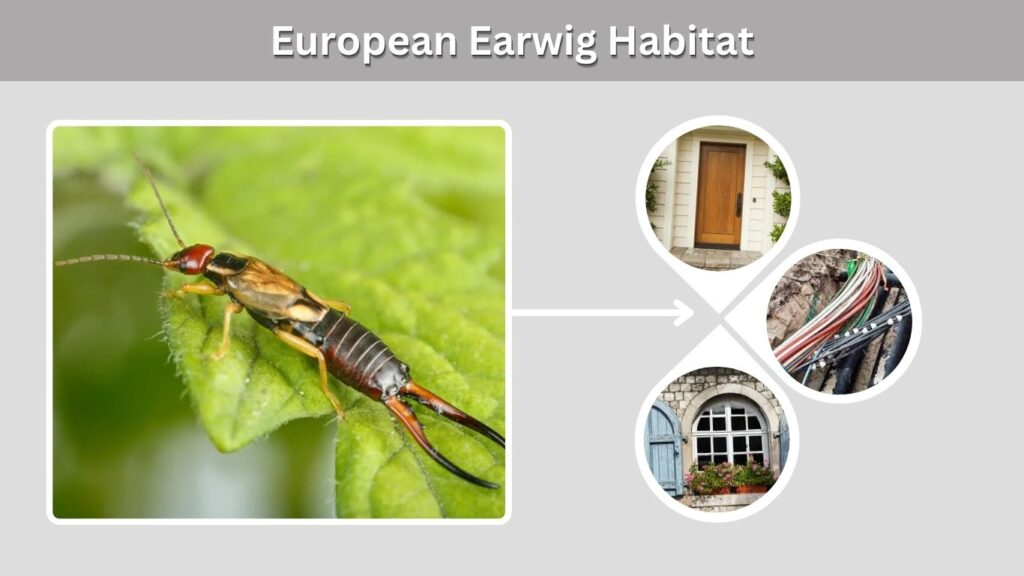
European earwigs prefer dark, damp, protected areas. Outdoors, they commonly hide under mulch, stones, logs, boards, flowerpots, garden debris, leaf litter, and loose bark. They are most active at night and spend daylight hours in cool, moist hiding places.
Where Do European Earwigs Come From?
European earwigs usually come from outdoor nesting and hiding areas close to the home. They may move indoors when conditions outside become too dry, too wet, too hot, or too cold. Heavy rain can drive them out of soil and mulch, while drought can push them toward damp indoor spaces.
They often enter through gaps around doors, windows, utility lines, vents, siding, foundation cracks, and poorly sealed thresholds.
European Earwig in House
Finding a European earwig in the house does not always mean there is a major infestation. A few may wander indoors by accident. However, repeated sightings may mean your home has moisture problems or easy entry points.
Common indoor hiding places include bathrooms, laundry rooms, basements, crawl spaces, garages, kitchens, under sinks, near drains, and around damp storage boxes.
Are European Earwigs Dangerous?
European earwigs are not considered dangerous to people. They are not venomous, they do not sting, and they are not known to spread serious diseases. Their appearance is often more frightening than their actual risk.
They may become a problem when large numbers enter a home or when they damage garden plants, seedlings, flowers, vegetables, or soft fruit.
Are European Earwigs Harmful to Humans?
European earwigs are usually not harmful to humans. They may pinch if they are picked up, trapped against skin, or threatened. This pinch can feel sharp, but it is usually minor and does not contain venom.
If a pinch breaks the skin, wash the area with soap and water. Serious reactions are uncommon.
Do European Earwigs Bite?
European earwigs can technically use their mouthparts to bite, but biting people is not their normal behavior. When people talk about a “European earwig bite,” they are often referring to a pinch from the rear forceps.
A pinch may leave a small red mark, but it is not the same as a venomous sting or dangerous bite.
Do European Earwigs Sting?
No, European earwigs do not sting. Their pincers may look like stingers, but they are not connected to venom glands. Earwigs use them for defense, mating, and handling food or prey.
Do European Earwigs Go in Your Ear?
Despite the name, European earwigs do not seek out human ears. The idea that earwigs crawl into ears, lay eggs, or reach the brain is an old myth. Like any small insect, one could accidentally enter an ear, but this is rare and not normal behavior.
European earwigs prefer damp cracks, soil, mulch, plant debris, and hidden spaces. A human ear is not a nesting site, food source, or preferred shelter for them.
What Do European Earwigs Eat?
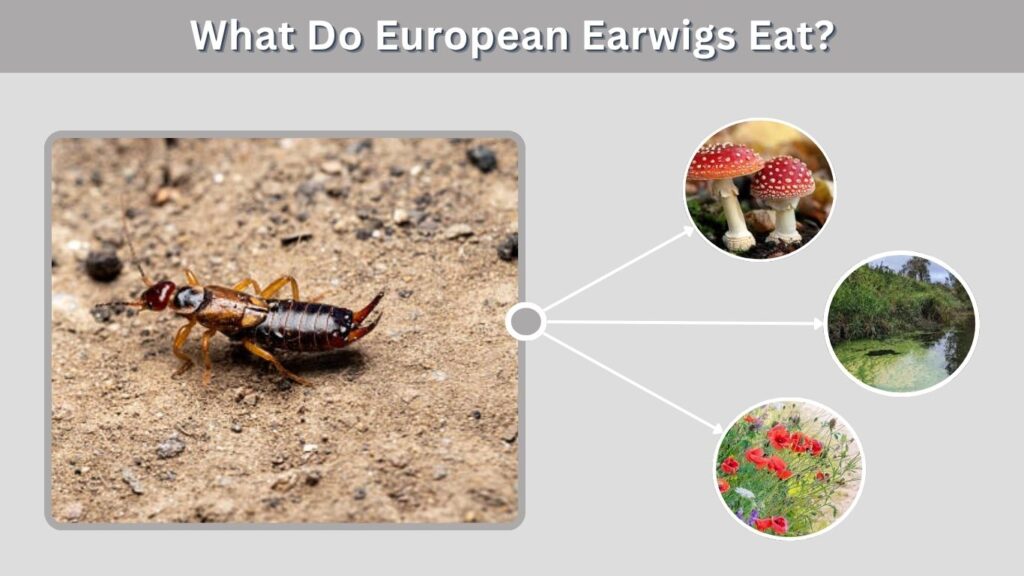
European earwigs are omnivores. This means they eat both plant and animal material. Their diet can include decaying plants, fungi, algae, flowers, soft fruit, seedlings, leaves, aphids, insect eggs, mites, and small insects.
This mixed diet is one reason European earwigs can be both helpful and harmful.
Beneficial Side of European Earwigs
In gardens and orchards, European earwigs may eat aphids and other small pests. This can make them useful in some situations. They also help break down decaying organic matter.
Harmful Side of European Earwigs
European earwigs can damage tender plants, seedlings, flowers, leafy greens, corn silk, soft fruit, and ornamental plants. Damage may appear as irregular holes, chewed edges, or feeding marks on leaves and petals.
They are more likely to become a problem when populations are high and food sources are limited.
European Earwig Life Cycle
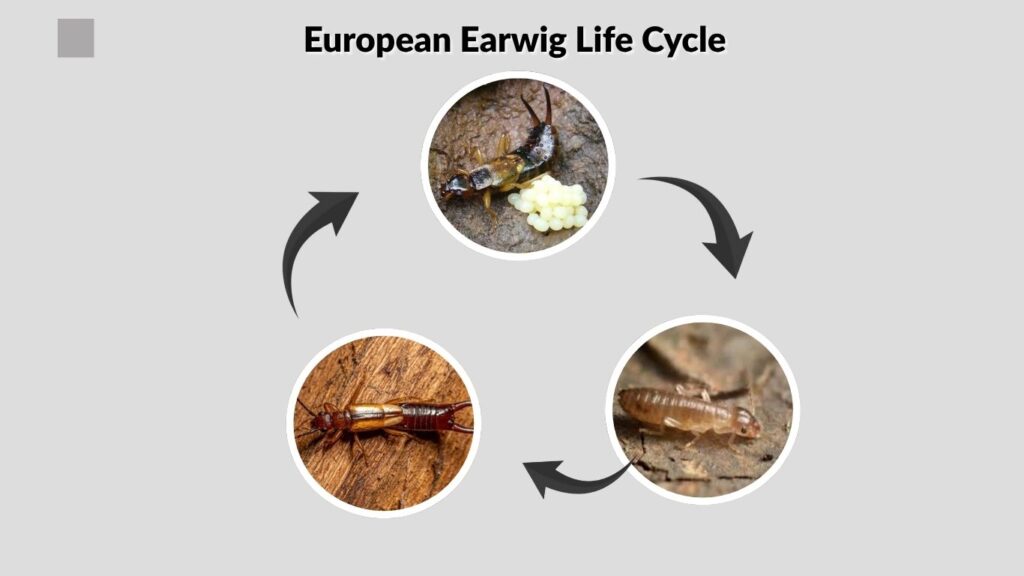
The European earwig life cycle includes eggs, nymphs, and adults. Unlike many insects, female earwigs show care for their eggs and young. The female lays eggs in a protected underground or hidden chamber and guards them until they hatch.
European Earwig Eggs
European earwig eggs are usually laid in soil or protected damp spaces. The female tends the eggs, keeps them clean, and protects them from threats. This maternal behavior is unusual among many common household insects.
European Earwig Nymphs
Nymphs hatch from eggs and look like small, pale adults. They go through several molts before becoming mature. As they grow, their color darkens and their pincers become more developed.
Adult European Earwigs
Adults are most active at night. During the day, they hide in dark, moist places. Depending on climate and conditions, European earwigs may produce one or more generations per year.
European Earwig Infestation Signs
A European earwig infestation may be noticeable indoors or outdoors. Since these insects hide during the day, you may see them more often at night or when you move damp objects.
| Sign | What It Means |
| Earwigs in bathrooms or basements | Moisture may be attracting them indoors |
| Earwigs near doors and windows | They may be entering through gaps |
| Chewed seedlings or flowers | Earwigs may be feeding at night |
| Earwigs under mulch or pots | Outdoor hiding conditions are favorable |
| Repeated indoor sightings | There may be entry points or high outdoor populations |
Why Are There European Earwigs in My House?
European earwigs enter houses mainly because of moisture and shelter. If they are showing up often, the issue may be connected to dampness, clutter, mulch, cracks, or outdoor conditions near the foundation.
Common Reasons They Enter
European earwigs may come inside because of:
- Leaky pipes or damp indoor areas
- Heavy mulch close to the foundation
- Gaps under doors or around windows
- Outdoor lights attracting insects near entry points
- Firewood, leaves, or boards stored close to the house
- Heavy rain or drought pushing them indoors
The best long-term solution is to make your home less attractive and harder to enter.
How to Get Rid of European Earwigs
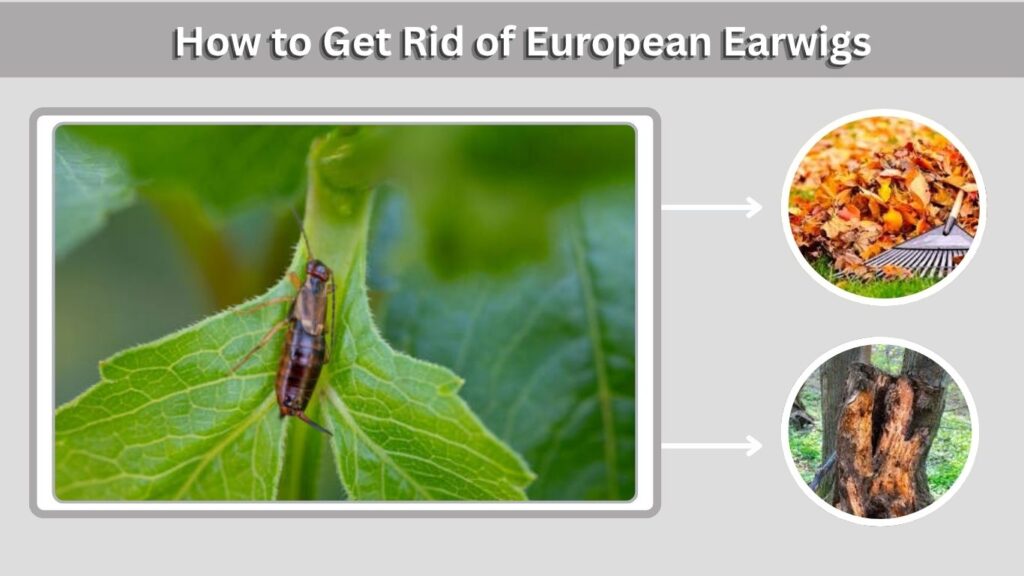
Getting rid of European earwigs works best when you combine several steps. Spraying alone may not solve the problem if moisture, mulch, and entry points remain.
Reduce Moisture
Moisture control is one of the most important steps. Fix leaky faucets, repair dripping pipes, improve drainage, and use dehumidifiers in damp basements or crawl spaces.
Outside, avoid overwatering garden beds near the foundation. Make sure gutters and downspouts move water away from the house.
Remove Hiding Places
European earwigs love cluttered, damp hiding spots. Remove or reduce:
- Leaf piles
- Thick mulch
- Rotting wood
- Boards and stones near the foundation
- Damp cardboard
- Old plant debris
- Firewood stacked against the house
Keep mulch thinner near the foundation and leave a dry barrier between landscape beds and exterior walls when possible.
Seal Entry Points
To stop European earwigs from coming inside, seal gaps and cracks around the home. Pay close attention to doors, windows, foundation cracks, vents, utility openings, and siding gaps.
Install or repair door sweeps and weatherstripping. Check window screens and basement vents for holes.
Use European Earwig Traps
Traps can help reduce earwig numbers, especially in gardens. Simple homemade traps include rolled newspaper, cardboard tubes, or shallow containers with a small amount of oil. Place traps in problem areas overnight and empty them in the morning.
For outdoor garden beds, traps are useful because earwigs hide during the day and can be collected from shelter traps.
Vacuum Indoor Earwigs
If you see European earwigs indoors, vacuum them up. This is simple, fast, and avoids unnecessary indoor pesticide use. Empty the vacuum afterward, especially if you collect many insects.
Use Insecticides Carefully
Insecticides may help in severe cases, but they should be used carefully and according to the product label. Outdoor perimeter treatments may be more useful than indoor spraying because earwigs usually come from outside.
For persistent problems, a licensed pest control professional can identify entry points, moisture problems, and the best treatment plan.
European Earwig Control in Gardens
Garden control should focus on reducing shelter and protecting vulnerable plants. Earwigs are active at night, so daytime inspections may not show the full problem.
Protect Seedlings and Soft Plants
Young seedlings, flowers, and soft fruit are more vulnerable to feeding damage. Use traps near affected plants, remove debris, and avoid creating overly damp hiding areas.
Balance Control With Benefits
European earwigs can eat pests such as aphids, so removing every earwig may not always be necessary. If they are not damaging plants or entering the home, they may simply be part of the garden ecosystem.
Control is most important when they are causing visible plant damage or becoming a repeated indoor nuisance.
FAQs
What is a European earwig?
A European earwig is a small reddish-brown insect with forceps-like pincers at the end of its body. Its scientific name is Forficula auricularia. It is common around gardens, mulch, damp outdoor areas, and sometimes inside homes.
Are European earwigs dangerous?
European earwigs are not considered dangerous. They are not poisonous, do not sting, and do not spread serious diseases. They can pinch if handled, but the pinch is usually mild and not medically serious.
How do you get rid of European earwigs in the house?
Reduce moisture, seal cracks, repair door sweeps, remove damp clutter, and vacuum up any earwigs you find indoors. Outside, move mulch, leaves, firewood, and boards away from the foundation to reduce hiding places.
Can European earwigs fly?
European earwigs have wings, but they rarely fly. They usually move by crawling and hide in tight, damp spaces during the day. Most people see them running across floors, patios, or garden surfaces rather than flying.
What do European earwigs eat?
European earwigs eat decaying plant material, fungi, algae, flowers, soft fruit, seedlings, aphids, insect eggs, and small insects. They can be helpful predators in some gardens but may also damage tender plants when populations are high.