
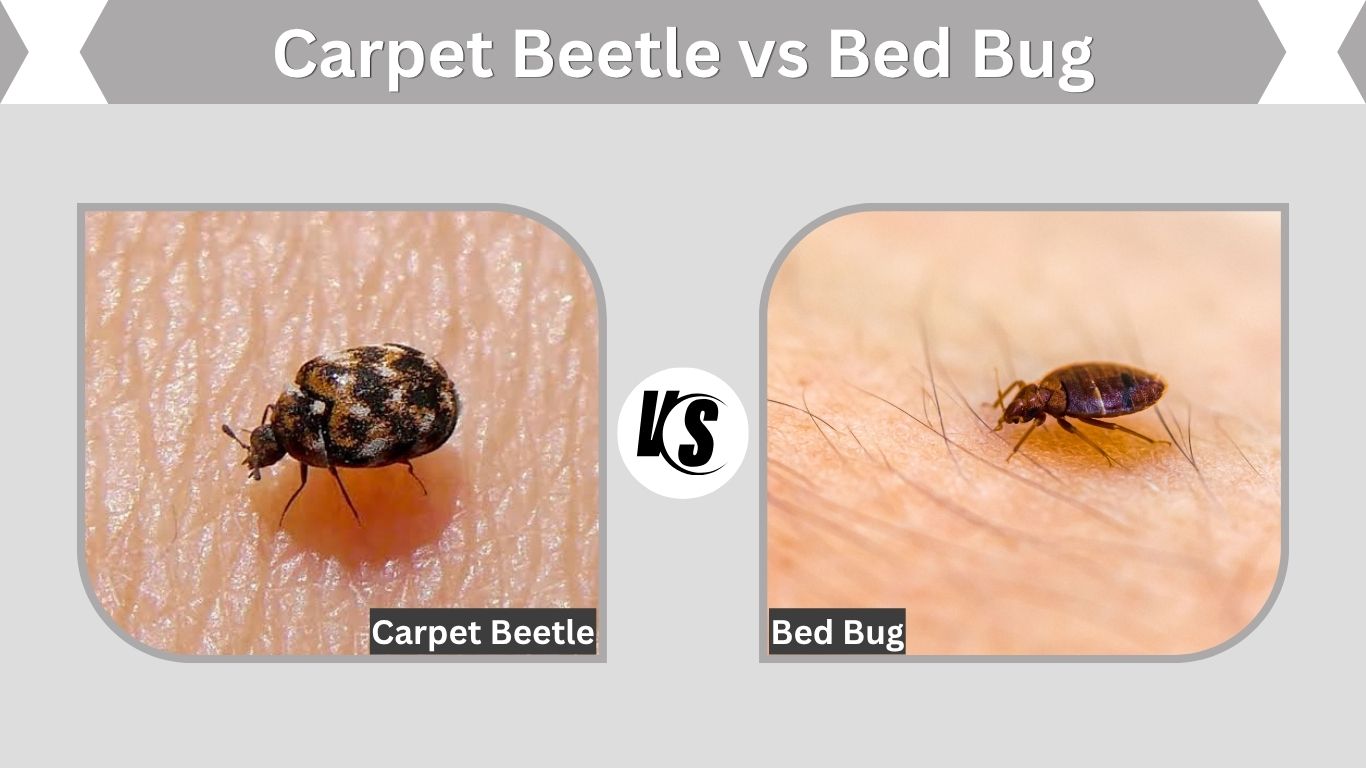
Carpet Beetle vs Bed Bug: 7 Key Differences
Carpet beetle vs bed bug identification can be confusing because both insects are small, commonly found indoors, and sometimes associated with itchy skin reactions. However, … Read More
Carpet beetle vs bed bug identification can be confusing because both insects are small, commonly found indoors, and sometimes associated with itchy skin reactions. However, … Read More
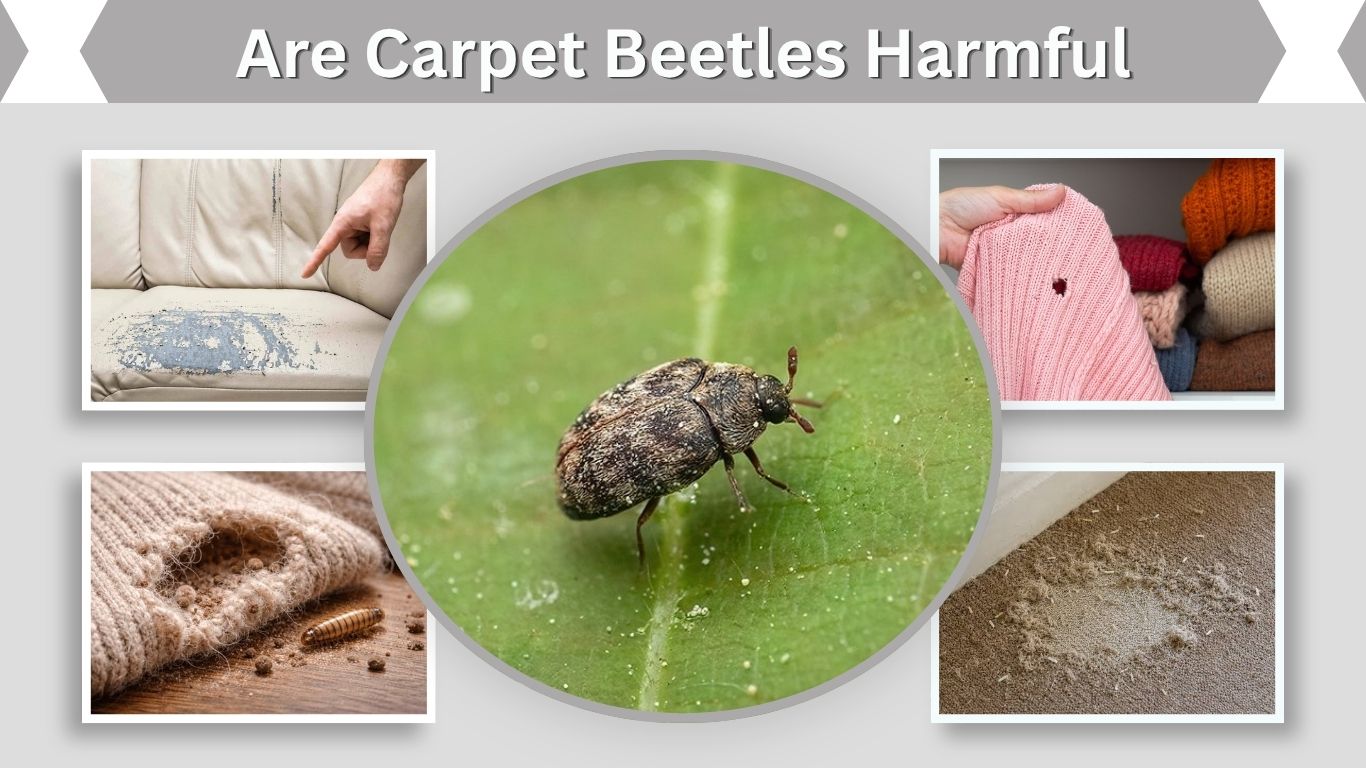
Are carpet beetles harmful to humans, pets, or your home? These tiny insects are common household pests, but they are not usually dangerous to people … Read More
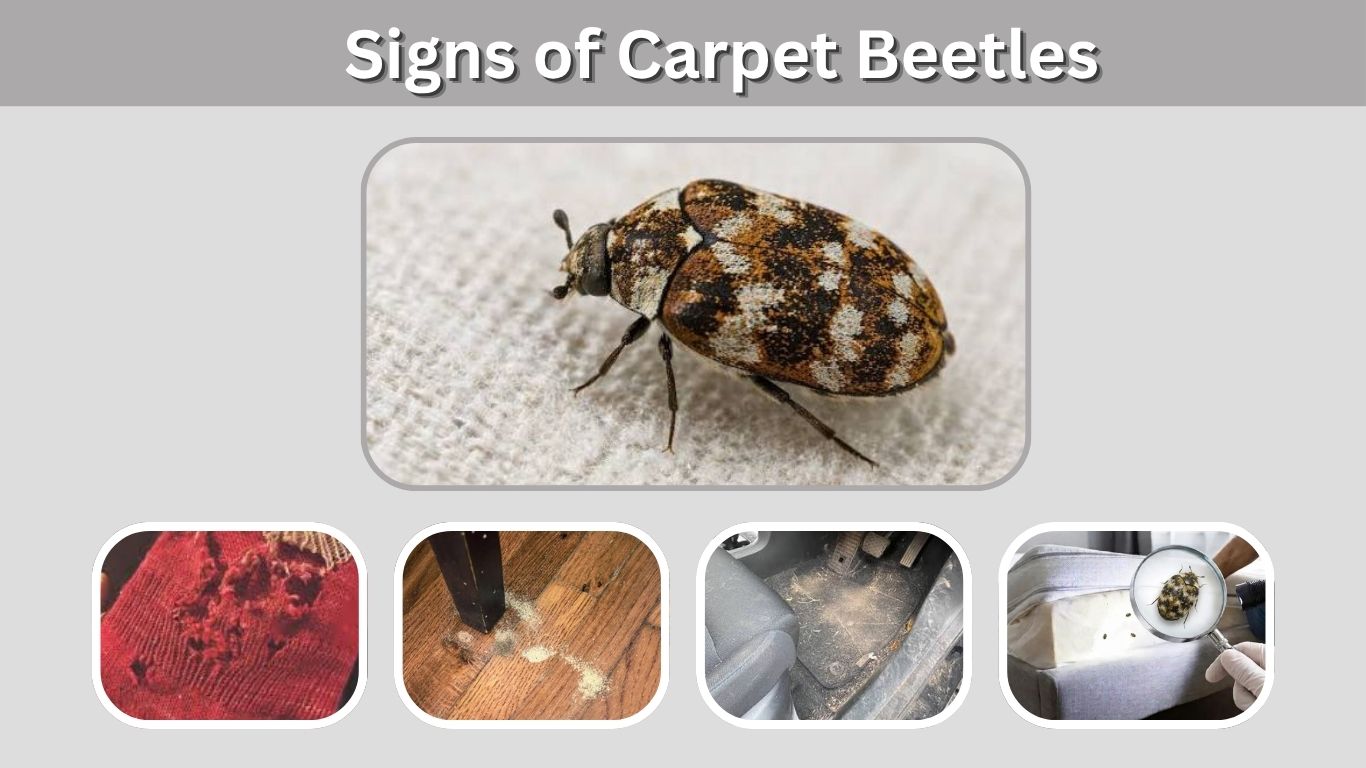
The signs of carpet beetles often go unnoticed until these tiny insects start damaging carpets, clothing, and furniture. Adult carpet beetles may appear near windows, … Read More
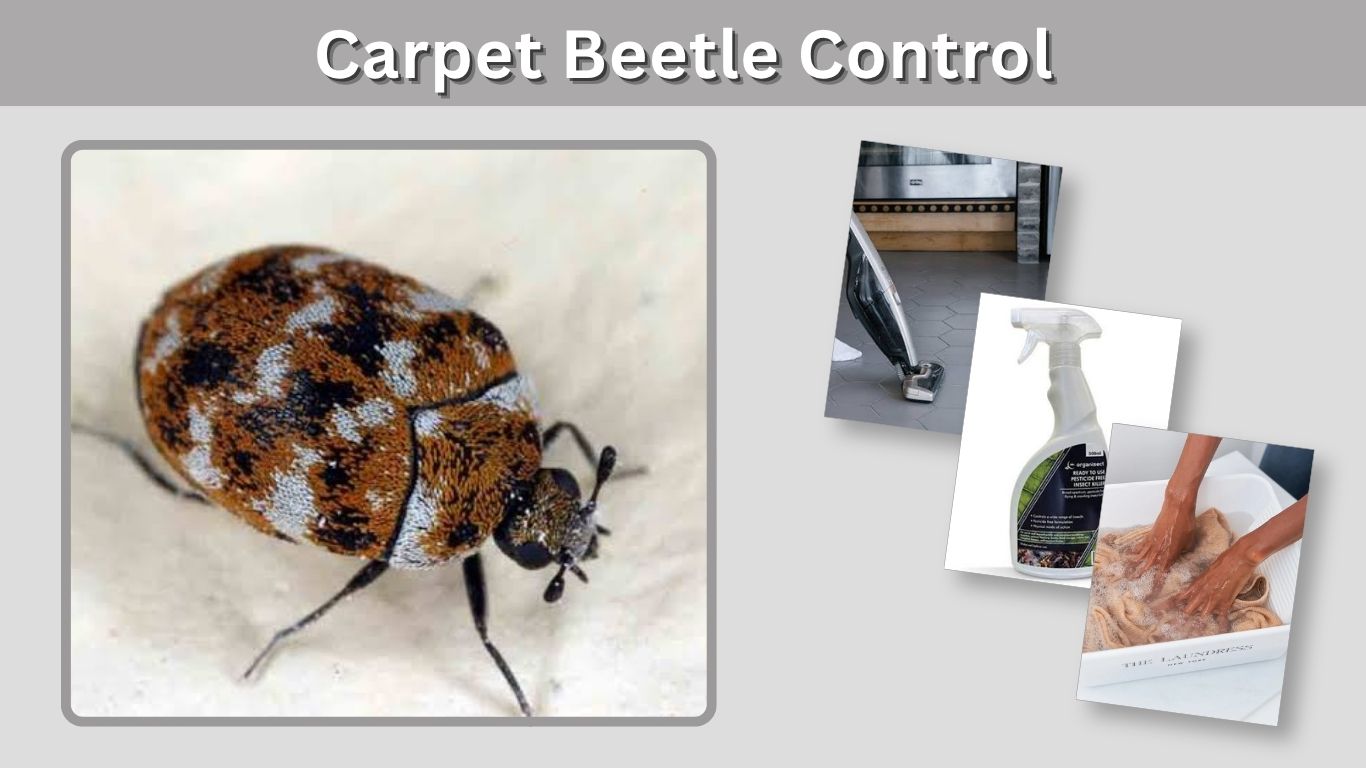
Carpet beetle control is essential when these tiny household pests begin damaging carpets, clothing, furniture, and other natural-fiber materials. Although adult carpet beetles are generally … Read More
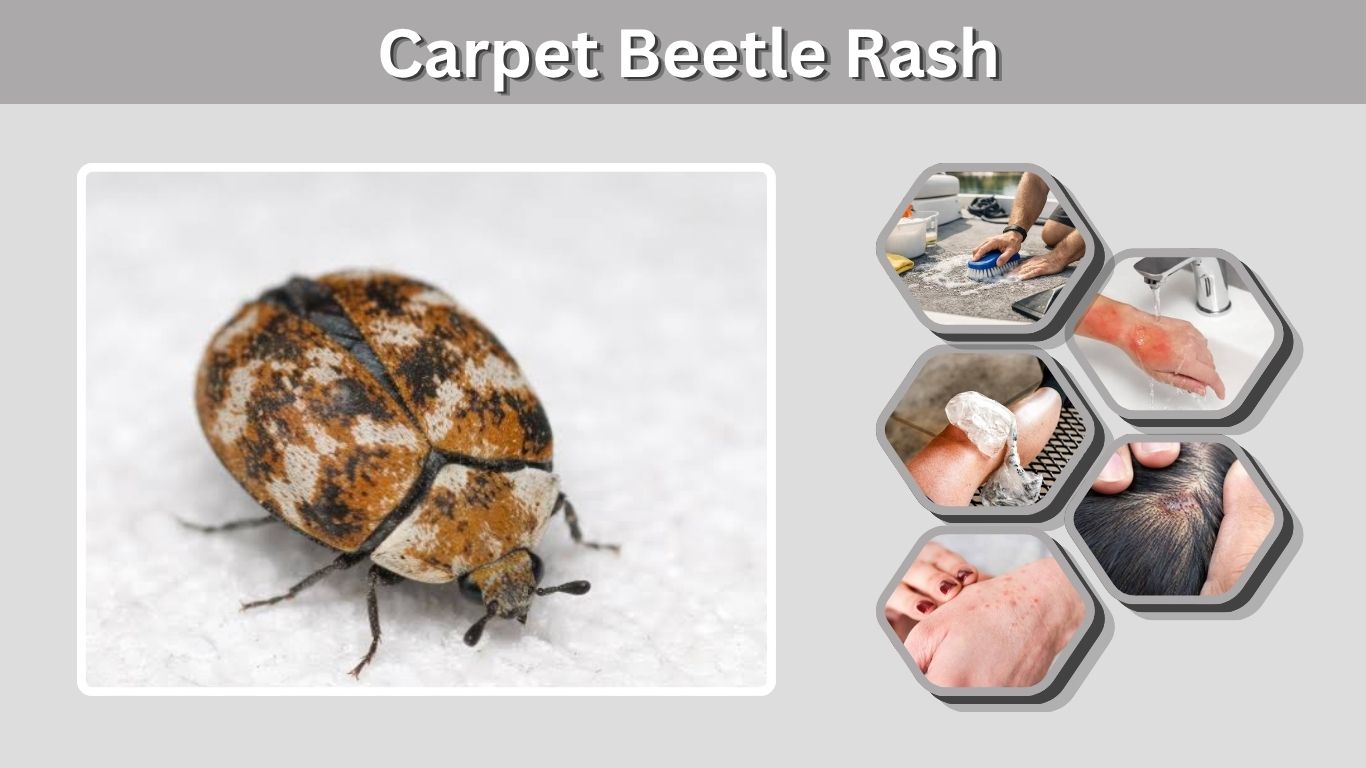
A carpet beetle rash is an itchy skin reaction that some people develop after exposure to tiny hairs shed by carpet beetle larvae. Although the … Read More
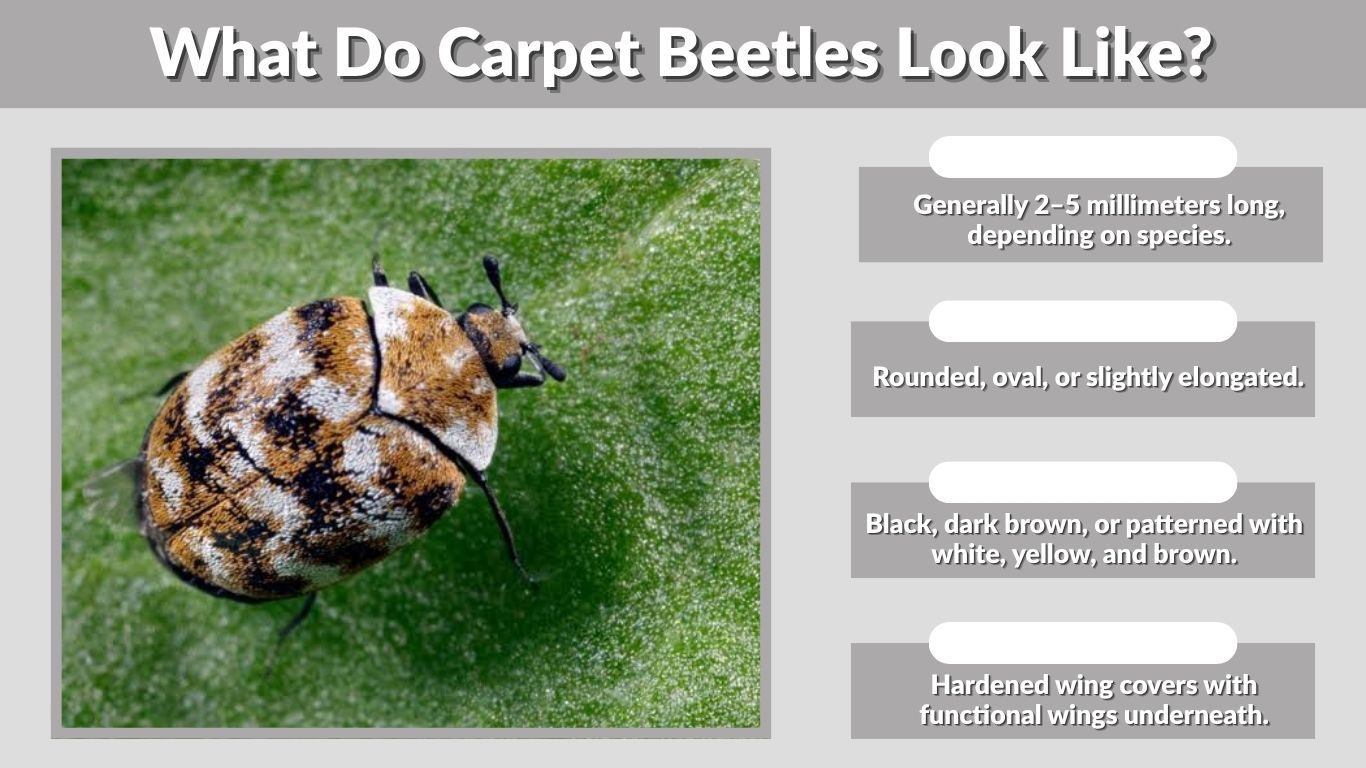
What do carpet beetles look like, and how can you identify them inside your home? Carpet beetles are tiny, oval-shaped insects that range from solid … Read More
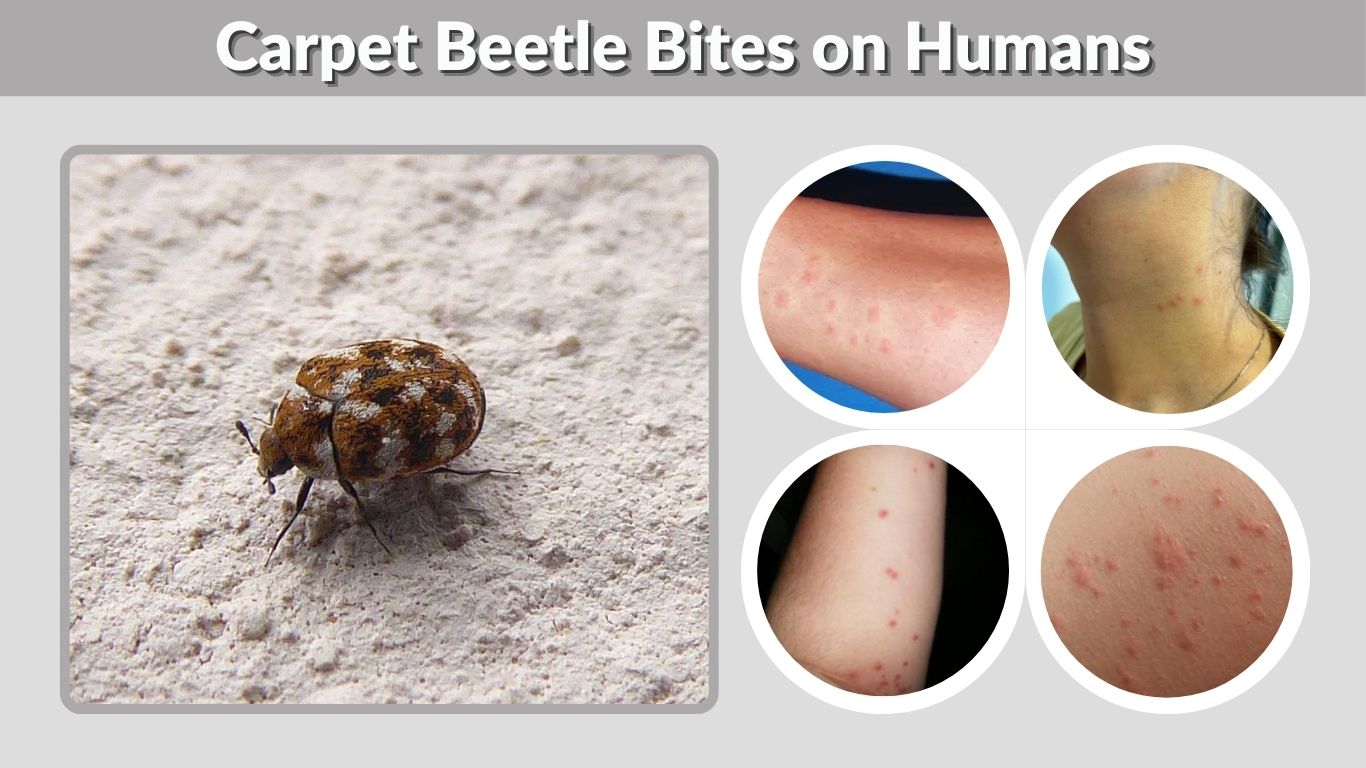
Carpet beetle bites on humans are often mistaken for mosquito bites, flea bites, or bed bug bites. However, carpet beetles do not actually bite people. … Read More
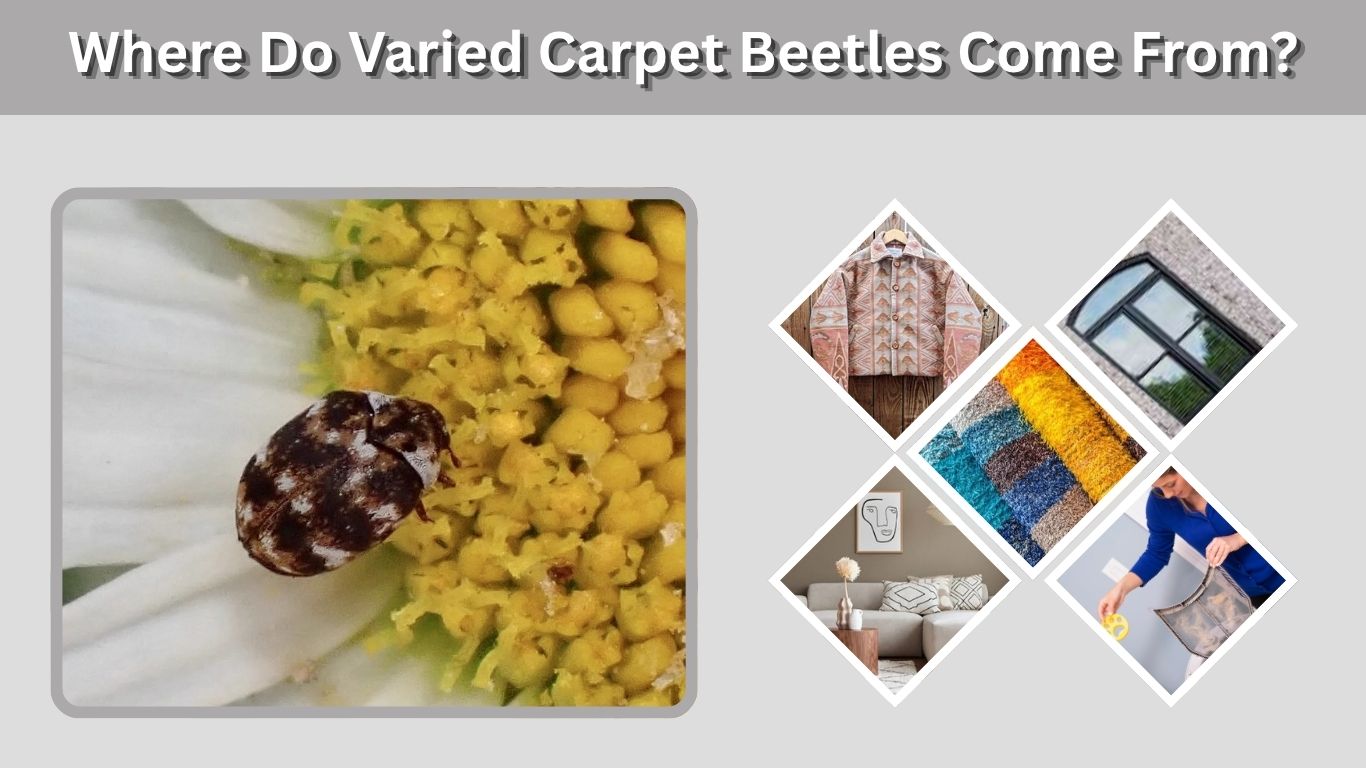
Where do varied carpet beetles come from, and why do they suddenly appear inside your home? These tiny insects usually originate outdoors, where adults feed … Read More
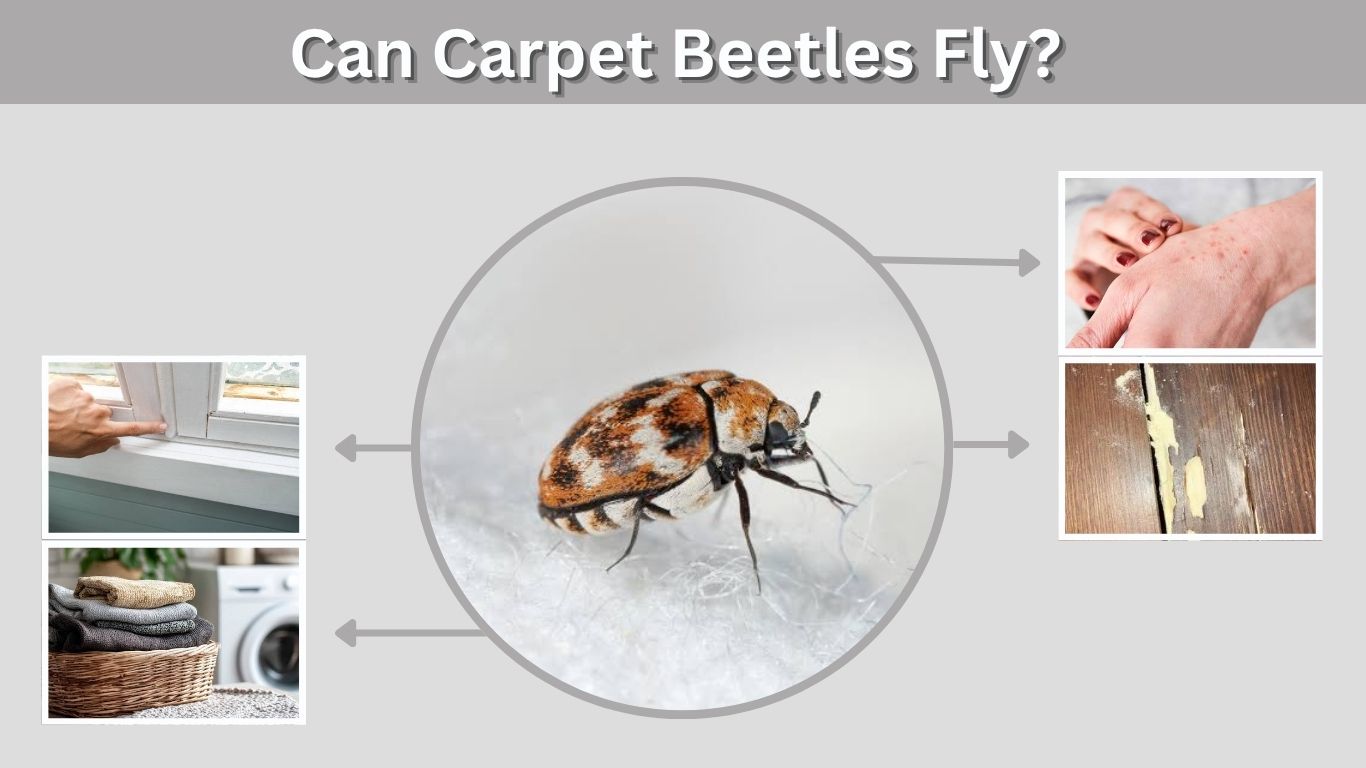
Can carpet beetles fly? Yes, adult carpet beetles can fly, and they often enter homes through open windows, doors, and small openings. These tiny insects … Read More
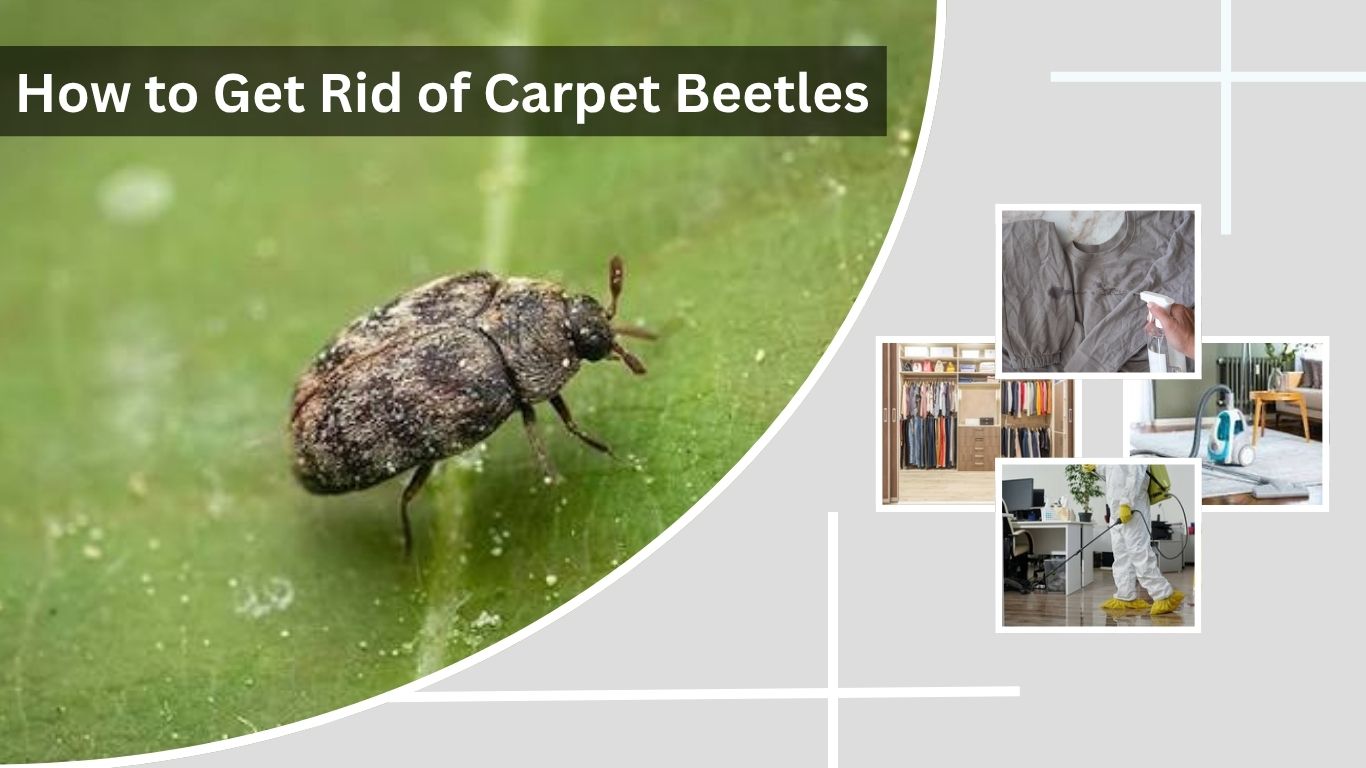
Carpet beetles are common household pests that can damage carpets, clothing, furniture, and other natural-fiber materials. If you notice tiny beetles near windows or hairy … Read More