
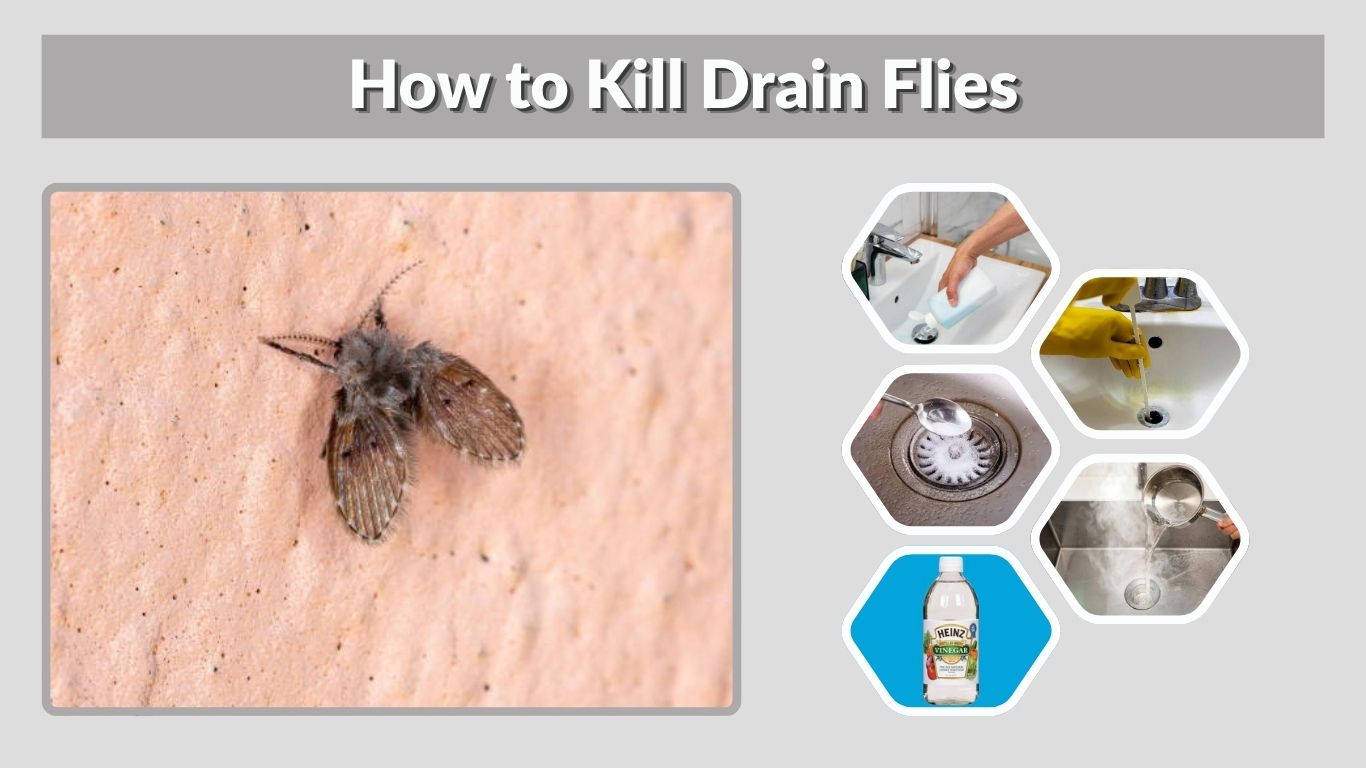
How to Kill Drain Flies: Fast and Effective Methods
Drain flies can quickly become annoying when they begin appearing around sinks, showers, toilets, or kitchen drains. If you want to know how to kill … Read More
Drain flies can quickly become annoying when they begin appearing around sinks, showers, toilets, or kitchen drains. If you want to know how to kill … Read More
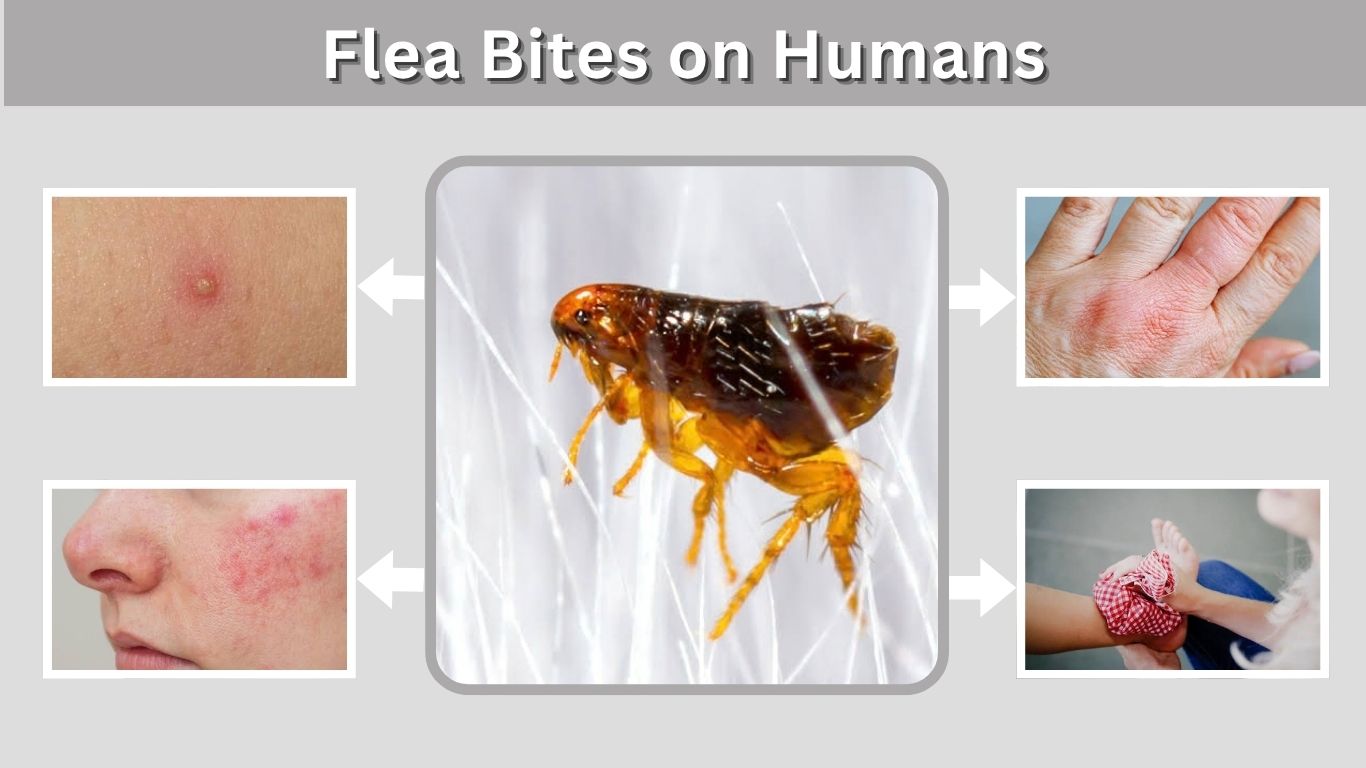
Flea bites on humans usually appear as small, itchy red bumps, often around the ankles, feet, and lower legs. Fleas commonly enter homes on pets … Read More
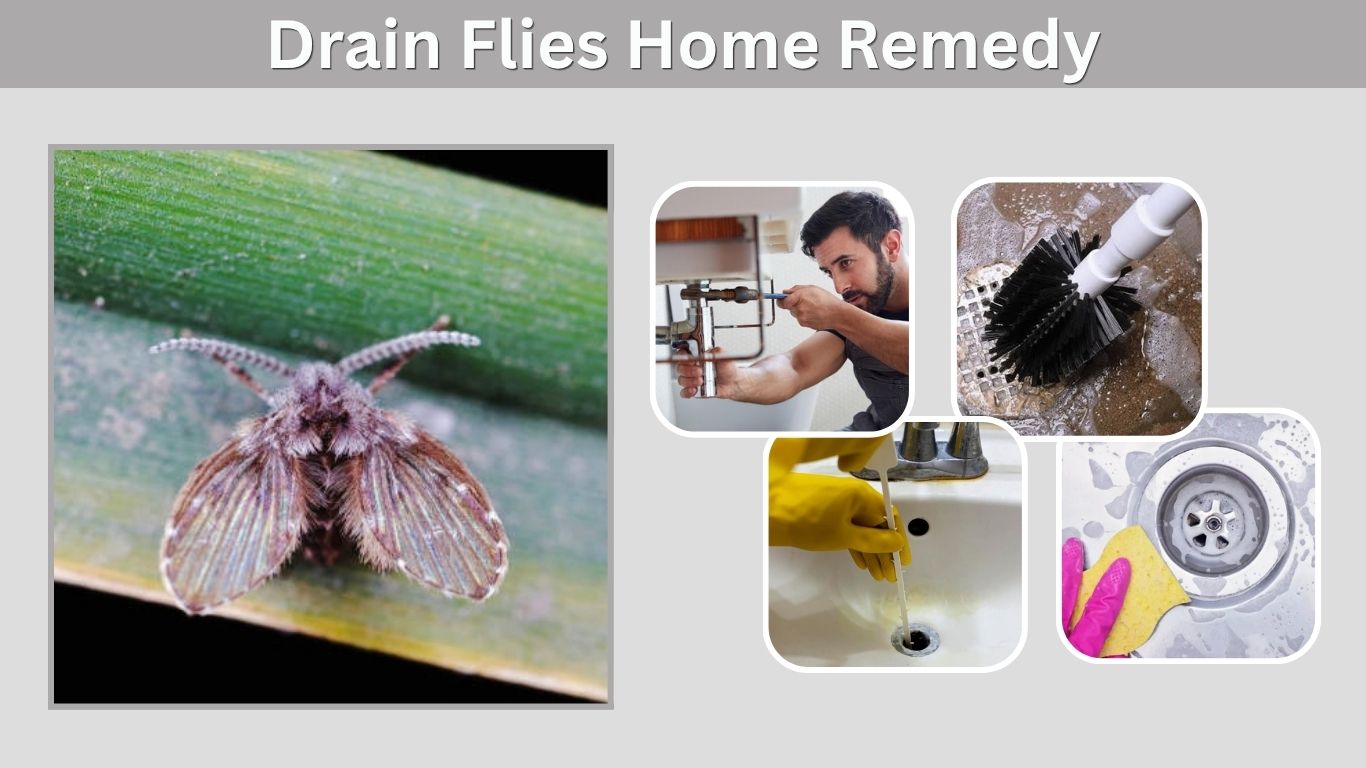
Drain flies are tiny, moth-like insects that commonly appear around bathroom sinks, kitchen drains, showers, and other damp areas. Although they usually do not bite, … Read More
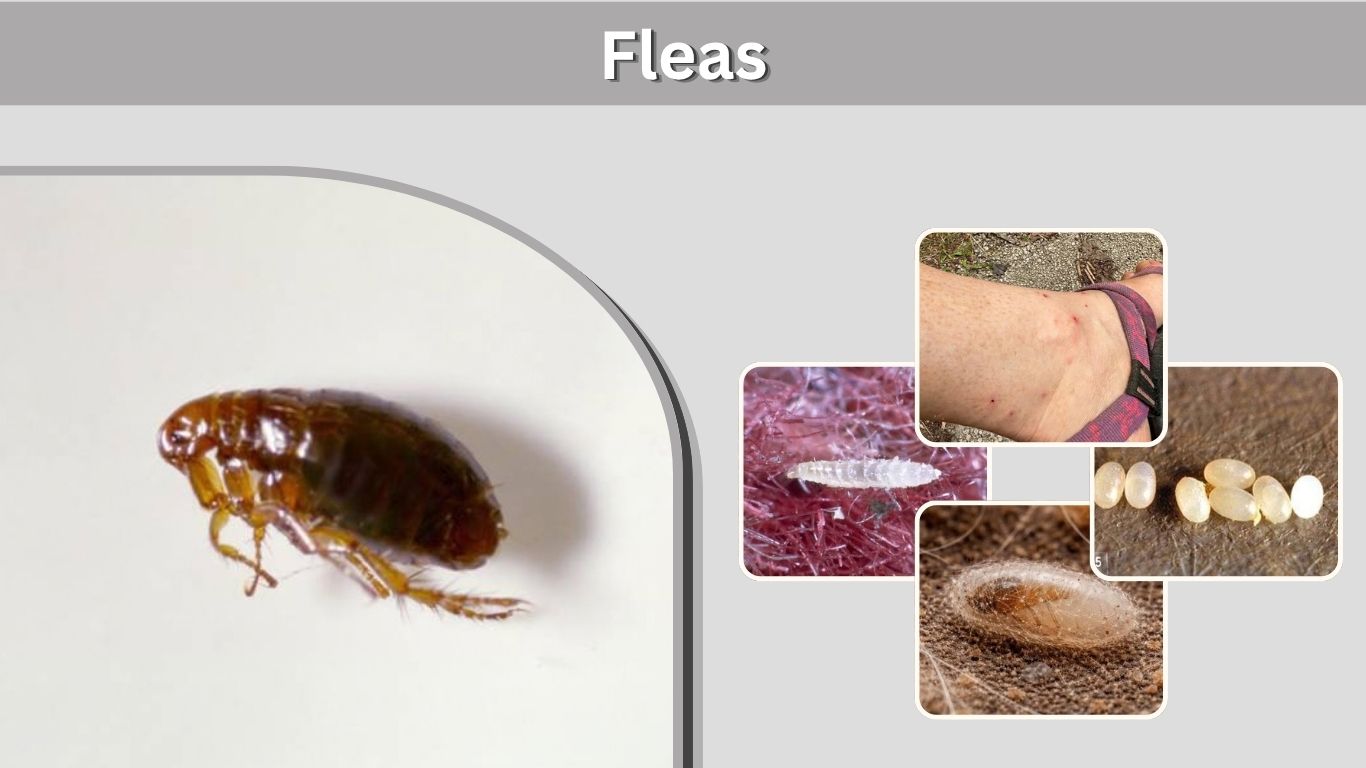
Fleas are tiny, wingless insects that survive by feeding on the blood of animals and sometimes humans. They are best known for their powerful jumping … Read More
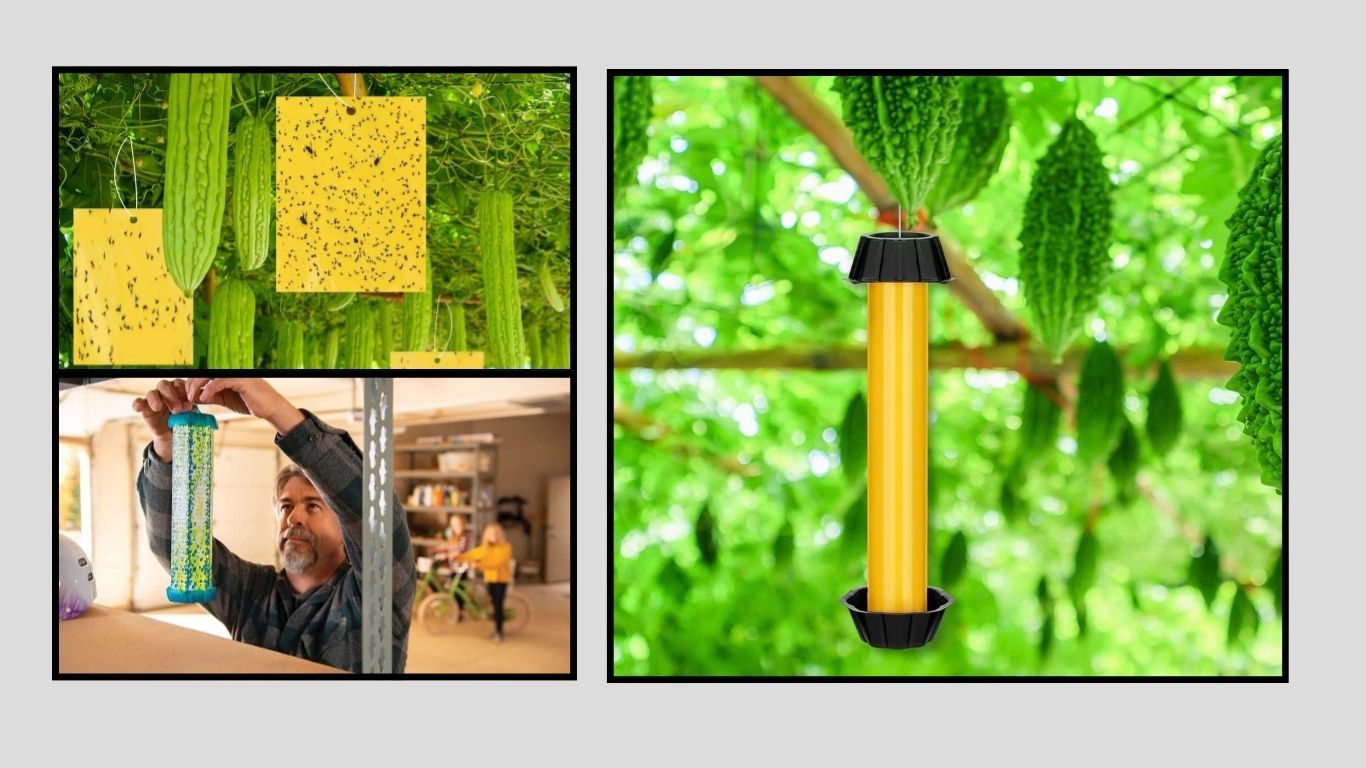
Sticky fly traps offer a simple, low-maintenance way to capture houseflies, fruit flies, gnats, mosquitoes, and other small flying insects without relying on sprays. They … Read More
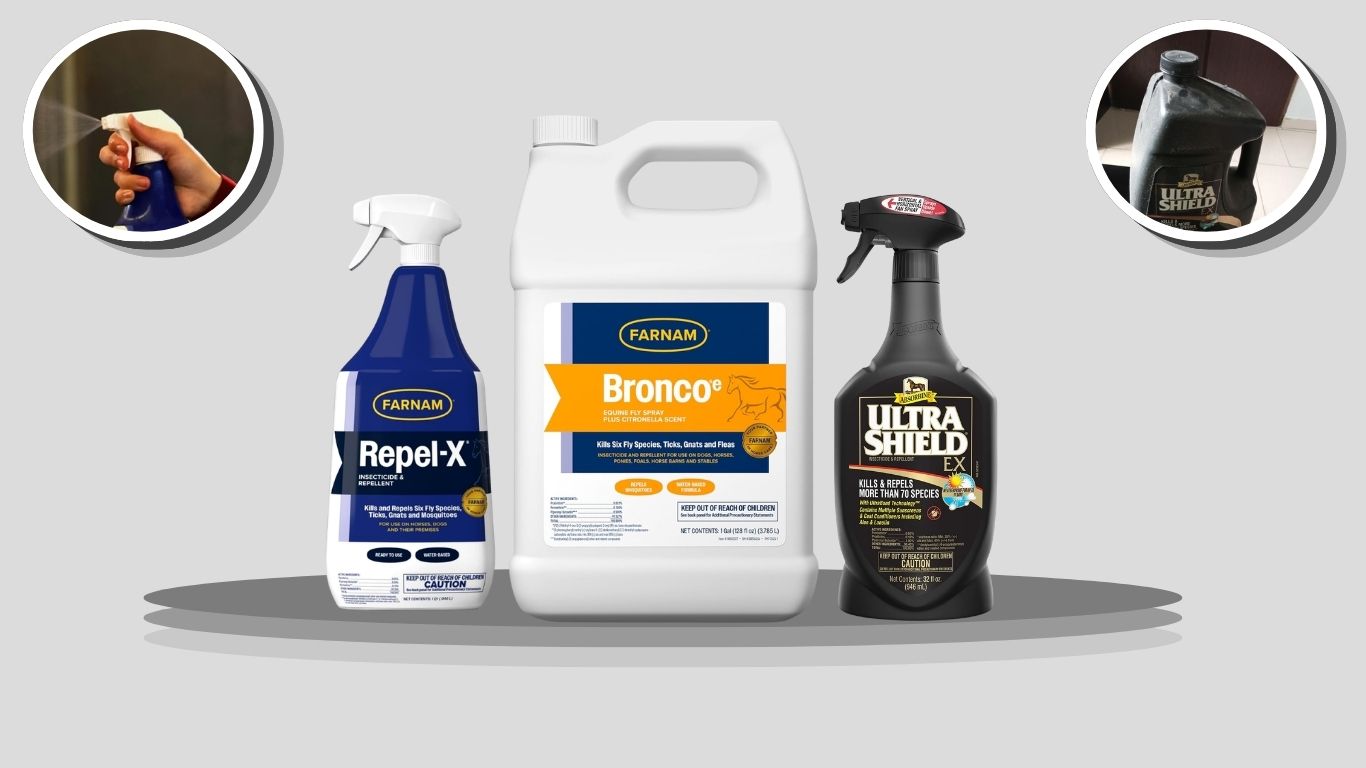
Horse flies can cause painful bites, stress, and constant irritation for horses, especially during warm and humid months. Using one of the best horse fly … Read More
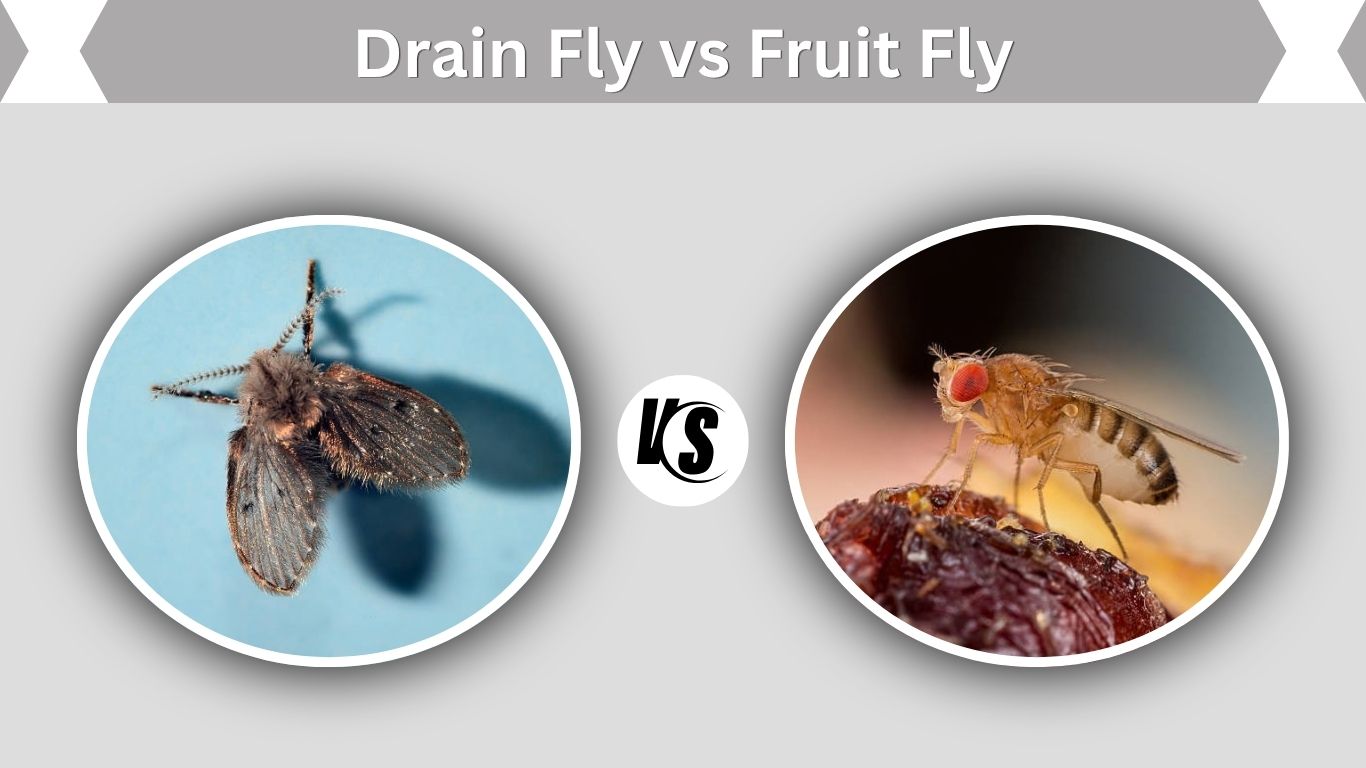
Drain flies and fruit flies are both tiny indoor flies, but they differ noticeably in appearance, breeding habitat, behavior, and control. Drain flies are fuzzy, … Read More
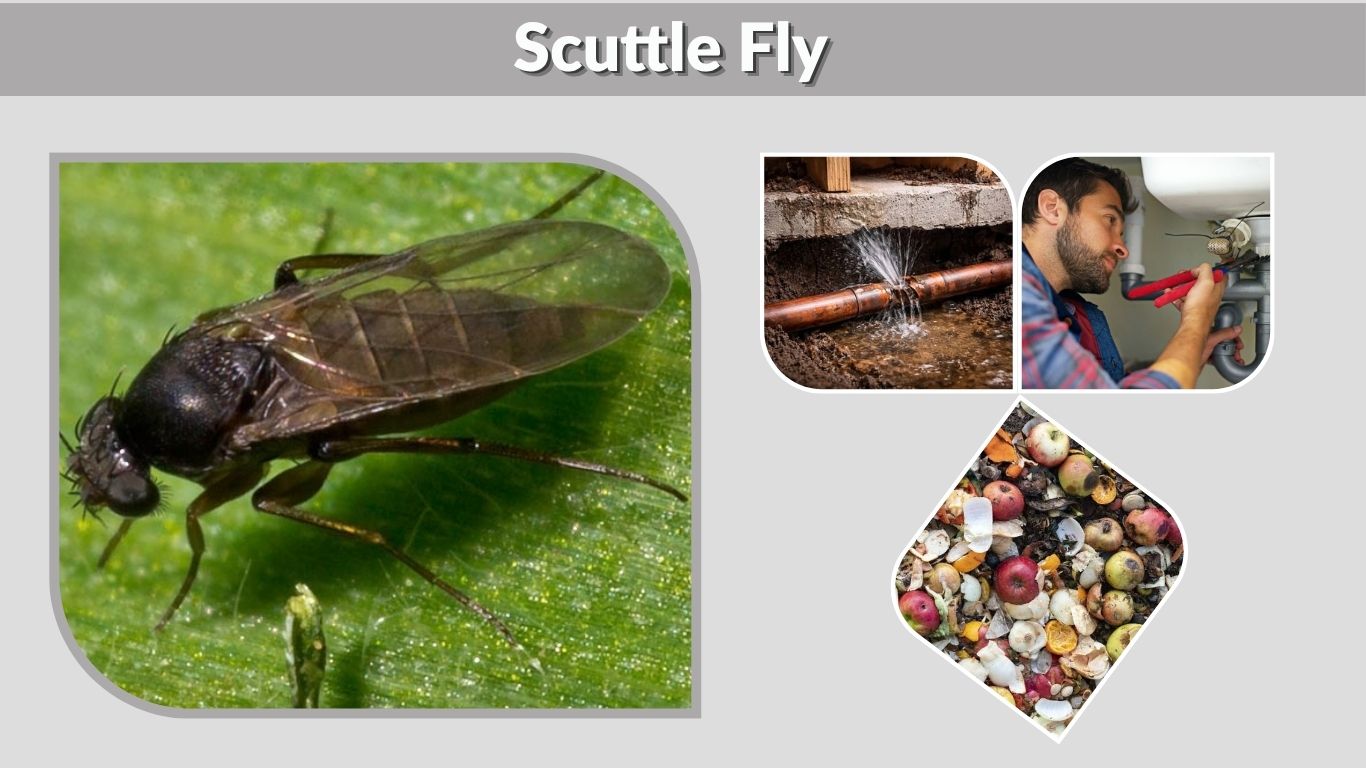
Scuttle flies are tiny insects in the family Phoridae, often noticed running rapidly across counters, floors, windows, or walls instead of immediately flying away. Also … Read More
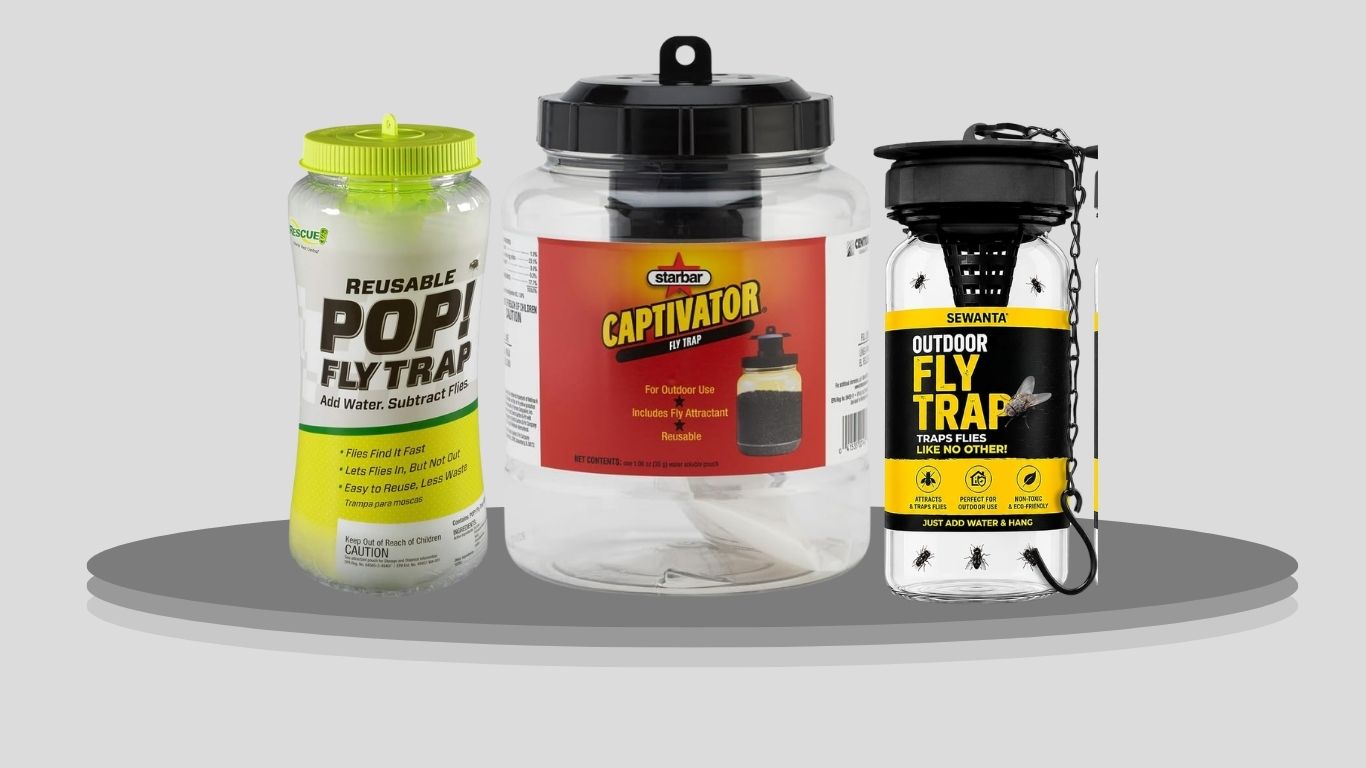
Outdoor fly traps can help reduce annoying flies around patios, backyards, barns, garbage areas, and other high-traffic outdoor spaces. Depending on the design, these traps … Read More

Fly zappers offer a simple way to reduce flying insects around patios, backyards, garages, kitchens, and other indoor or outdoor spaces. Many models use light … Read More