
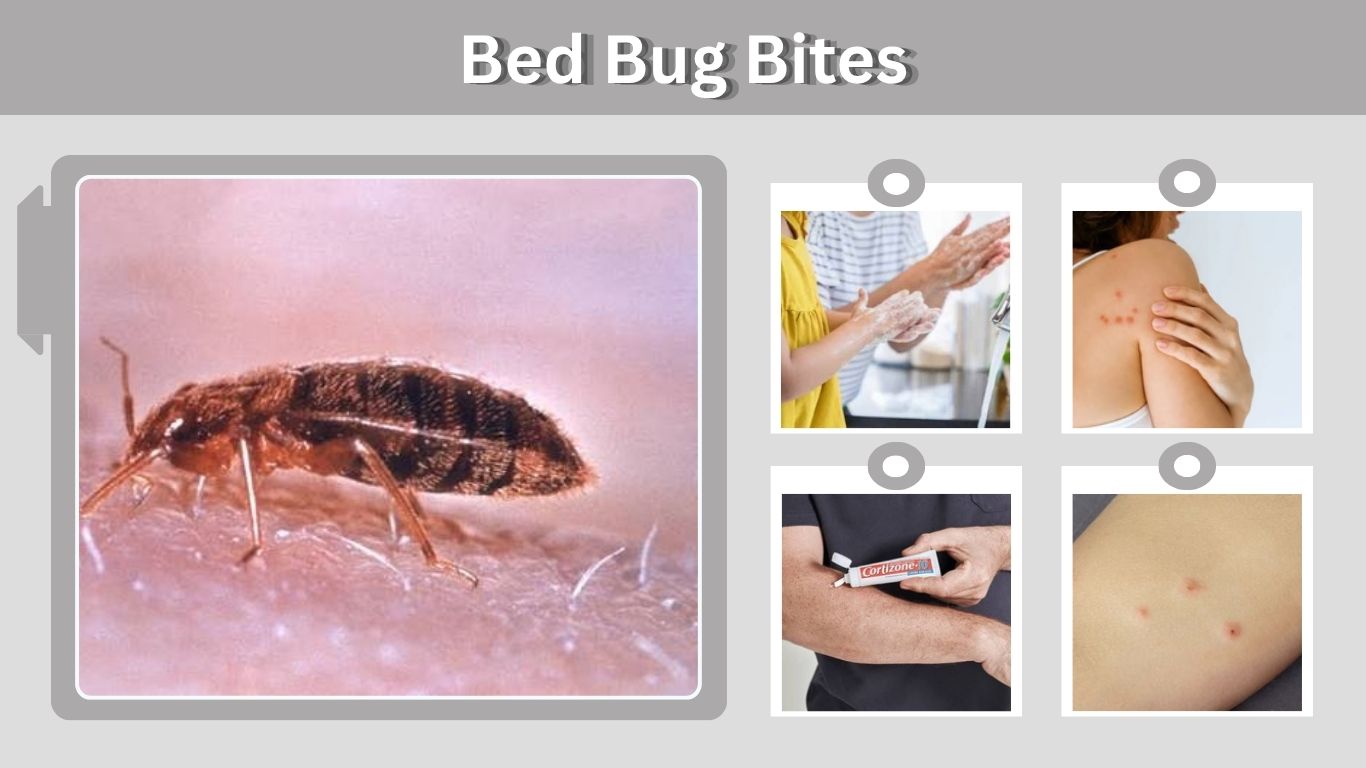
Bed bug bites are a common concern for people who wake up with itchy, swollen bumps on their skin. These tiny, blood-feeding insects usually bite at night, leaving marks that may resemble mosquito or flea bites. Some people develop noticeable skin reactions, while others experience no symptoms. Understanding what bed bug bites look like, how long they last, and which treatments provide relief can help you manage the discomfort. This guide explains early symptoms, bite identification, treatment options, and practical ways to prevent future bites.
What Do Bed Bug Bites Look Like?
Bed bug bites typically appear as small, raised bumps that may develop in clusters, straight lines, or irregular patterns. Their appearance depends on individual skin sensitivity and skin tone. Some bites become noticeable shortly after exposure, while others take several days to develop. Recognizing common characteristics can help you identify a possible problem, although bite marks alone cannot confirm bed bugs.
Early Bed Bug Bites
Early bed bug bites may look like small, slightly swollen spots resembling mosquito bites. During the first day, the affected skin might appear normal, mildly irritated, or noticeably itchy.
Some individuals develop visible marks within hours, while others experience delayed reactions. Repeated exposure can also change how quickly symptoms appear.
Bed Bug Bites on Different Skin Tones
On lighter skin, bed bug bites often appear pink or red, sometimes with a darker center. The surrounding area may become swollen or inflamed.
On darker skin, bites may appear brown, purple, or darker than the surrounding skin. Raised bumps, swelling, and itching are often more useful identification clues than redness alone.
Where Do Bed Bugs Usually Bite?
Bed bugs generally target exposed skin while a person sleeps. Common locations include the arms, shoulders, neck, face, hands, and legs.
Bites may also appear on the back or other accessible areas. However, the location and pattern of bites cannot definitively identify the insect responsible.
Bed Bug Bite Symptoms and Healing Stages
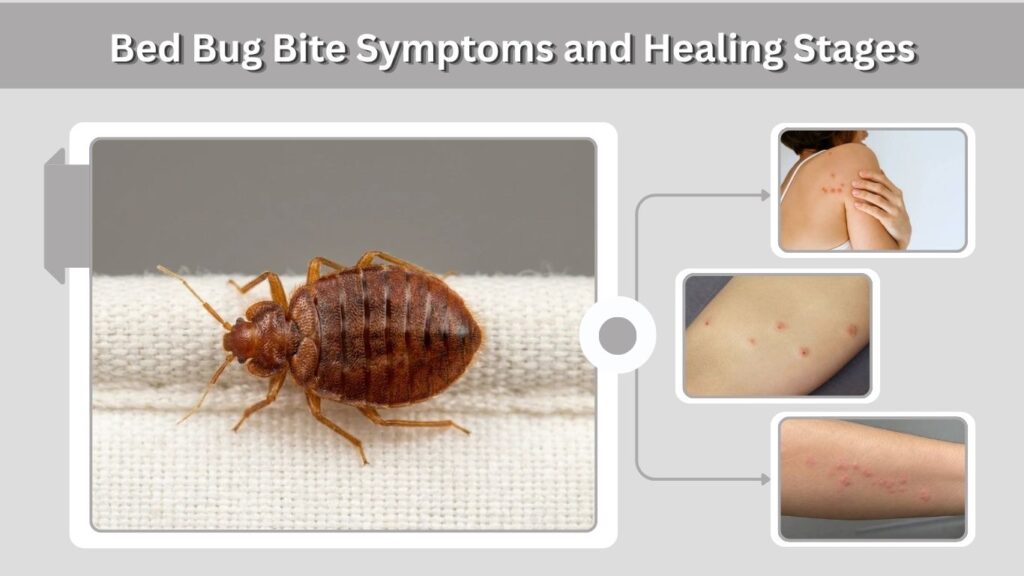
Bed bug bite symptoms vary depending on how an individual’s immune system responds to the insect’s saliva. Some people experience mild irritation, while others develop intense itching, swelling, or larger welts. Repeated scratching can damage the skin and increase the risk of infection. Understanding these reactions helps distinguish ordinary irritation from symptoms that require medical attention.
Common Symptoms of Bed Bug Bites
The most common symptom is itching accompanied by visible skin changes. Other reactions may include swelling, small raised welts, localized warmth, and irritation around the affected area.
Occasionally, sensitive individuals develop larger swollen patches or blisters. Some people experience no visible reaction despite being bitten.
Stages of Bed Bug Bites
There is no fixed sequence of visible bite stages that everyone experiences. Initially, the skin may appear unchanged because reactions can be delayed.
As inflammation develops, itchy bumps or welts may become noticeable. Gradually, swelling and irritation decrease. Some people experience temporary discoloration after the skin heals.
Do Bed Bug Bites Itch?
Yes, bed bug bites commonly cause itching because the immune system reacts to substances introduced during feeding.
The itching may range from mild discomfort to intense irritation that disrupts sleep. Scratching repeatedly can break the skin, making proper hygiene and itch management important.
Bed Bug Bites vs. Flea Bites and Mosquito Bites
Bed bug bites, flea bites, and mosquito bites often share similar symptoms, including itching, swelling, and raised skin bumps. Their location, typical exposure circumstances, and patterns may provide useful clues. However, these characteristics frequently overlap. Checking the surrounding environment for insects is more reliable than relying exclusively on the appearance of skin marks.
| Feature | Bed Bug Bites | Flea Bites | Mosquito Bites |
| Appearance | Raised, itchy bumps | Small itchy bumps | Swollen, itchy bumps |
| Common locations | Exposed sleeping skin | Ankles and lower legs | Exposed skin |
| Pattern | Lines, clusters, or random | Clusters or lines | Often scattered |
| Typical exposure | Sleeping areas | Pets, carpets, or animals | Outdoor or indoor mosquito activity |
Flea Bites vs. Bed Bug Bites
Flea bites commonly develop around the ankles, feet, and lower legs. They often occur where fleas are present in carpets, pet bedding, or nearby animals.
Bed bug bites frequently affect skin exposed during sleep, including the arms and neck. Both insects can produce grouped bites, so patterns alone are not conclusive.
Bed Bug Bites vs. Mosquito Bites
Mosquito bites usually develop into swollen, itchy bumps, often shortly after exposure. Their appearance can closely resemble a reaction to bed bug bites.
Bed bug reactions sometimes appear later and may form several marks in a line. Finding mosquitoes or physical evidence of bed bugs provides stronger clues than bite appearance.
How to Treat Bed Bug Bites at Home
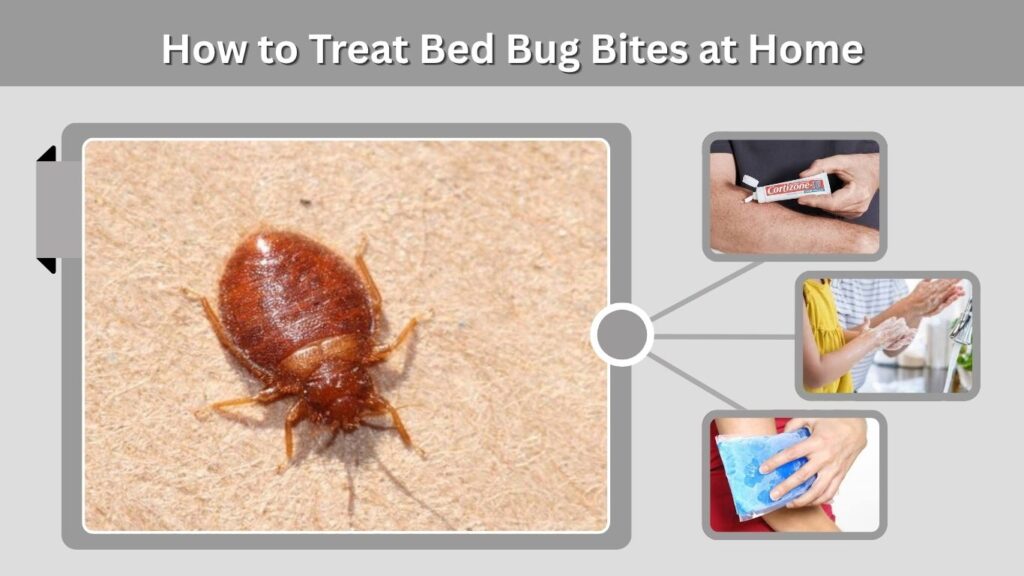
Most uncomplicated bed bug bites improve without specialized medical treatment. The primary goals are reducing itching, keeping the skin clean, and preventing infection. Washing the affected area, using appropriate anti-itch treatments, and avoiding scratching can make recovery more comfortable. Persistent or severe reactions may require advice from a pharmacist or healthcare professional.
Home Remedies for Bed Bug Bites
Several straightforward measures can relieve irritation and support healing:
- Wash the affected skin: Clean bites gently with mild soap and water to reduce infection risk.
- Apply a cool compress: Hold a clean, cool, damp cloth against itchy or swollen areas.
- Avoid scratching: Keep fingernails short to help prevent broken skin.
- Use an appropriate anti-itch product: An over-the-counter hydrocortisone cream may help relieve inflammation when used according to its label.
- Keep irritated skin protected: Avoid unnecessary rubbing, harsh products, or tight clothing over affected areas.
Best Creams and Medicines for Bed Bug Bites
Mild hydrocortisone cream can help reduce itching and inflammation. Calamine lotion may provide additional soothing relief for some individuals.
An oral antihistamine may be helpful when itching is particularly troublesome. Consult a pharmacist before choosing medication for children, during pregnancy, or when taking other medicines.
When Should You See a Doctor?
Seek medical advice if bites become increasingly painful, develop pus, or show spreading redness or swelling. Numerous bites, large blisters, or persistent symptoms also deserve medical assessment.
Difficulty breathing, swelling of the tongue or throat, or faintness may indicate a severe allergic reaction and require immediate emergency care.
How Long Do Bed Bug Bites Last?
Most bed bug bites heal within approximately one to two weeks, although recovery varies. Mild reactions may disappear sooner, while significant inflammation or repeated scratching can prolong discomfort. Some individuals develop lingering dark marks after the bumps have healed. Managing itching and preventing additional bites are important for allowing affected skin to recover normally.
How Long Does Bed Bug Bite Itching Last?
Itching often improves over several days as inflammation decreases. However, sensitive individuals may experience discomfort for longer periods.
If itching becomes more severe, interferes with sleep, or continues without improvement, a healthcare professional can assess whether additional treatment or another diagnosis is appropriate.
Can Bed Bug Bites Leave Scars?
Bed bug bites usually heal without permanent scarring. However, persistent scratching can cause skin injury, scabs, and occasionally scars.
Post-inflammatory discoloration can also remain after healing, especially in darker skin tones. Avoiding scratching and caring for irritated skin helps reduce these complications.
How to Prevent Bed Bug Bites
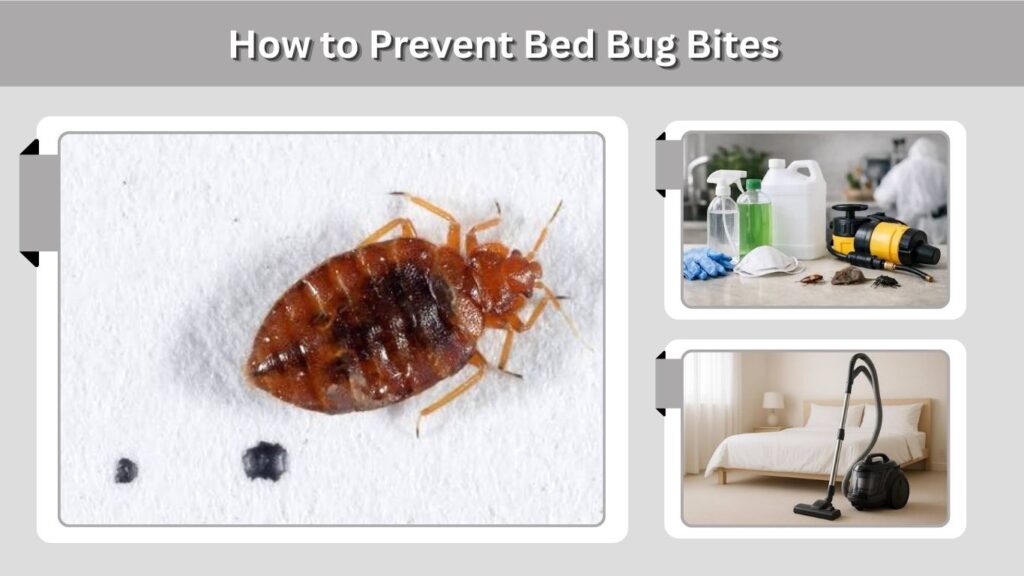
Preventing additional bites requires addressing the insects rather than treating skin symptoms alone. Bed bugs commonly hide around mattresses, bed frames, headboards, and nearby furniture. Because they can remain concealed in narrow spaces, an infestation may go unnoticed. Careful inspection and appropriate pest management are essential for stopping repeated exposure.
Signs of Bed Bugs in Your Bedroom
Look for dark fecal spots, rusty stains, shed insect skins, tiny eggs, or live bed bugs around sleeping areas.
Inspect mattress seams, box springs, bed-frame joints, and headboard crevices. Bite marks alone are unreliable evidence because several insects and skin conditions produce similar reactions.
How to Stop Bed Bugs From Biting
Wash and heat-dry suitable bedding and clothing according to fabric instructions. Vacuum affected areas thoroughly and reduce clutter where insects may hide.
Bed bug-proof mattress encasements and professional pest control can help manage infestations. Avoid applying pesticides directly to skin or using unapproved chemical treatments around sleeping areas.
FAQs
1. Can Bed Bugs Bite Only One Person in a Bed?
Yes. Two people sleeping in the same bed may react differently to bites. One person might develop visible, itchy marks, while the other has little or no skin reaction despite exposure.
2. Can You Have Bed Bug Bites Without Seeing Bed Bugs?
Yes. Bed bugs hide in small crevices and may be difficult to detect. However, unexplained bites alone do not prove an infestation. Inspect bedding, furniture, and mattress seams for physical evidence.
3. Do Bed Bugs Bite Every Night?
Not necessarily. Bed bugs feed intermittently, and their activity depends on factors such as access to a host and feeding conditions. New skin marks may also appear days after an earlier bite.
4. Are Bed Bug Bites Dangerous?
Most bed bug bites are not dangerous, and bed bugs are not known to transmit diseases to humans. Nevertheless, scratching can cause infection, and rare allergic reactions may require urgent medical care.
5. Can Bed Bug Bites Spread From Person to Person?
No. Bed bug bites are not contagious and cannot spread through skin contact. However, the insects themselves can travel between locations on luggage, clothing, furniture, and other belongings.
