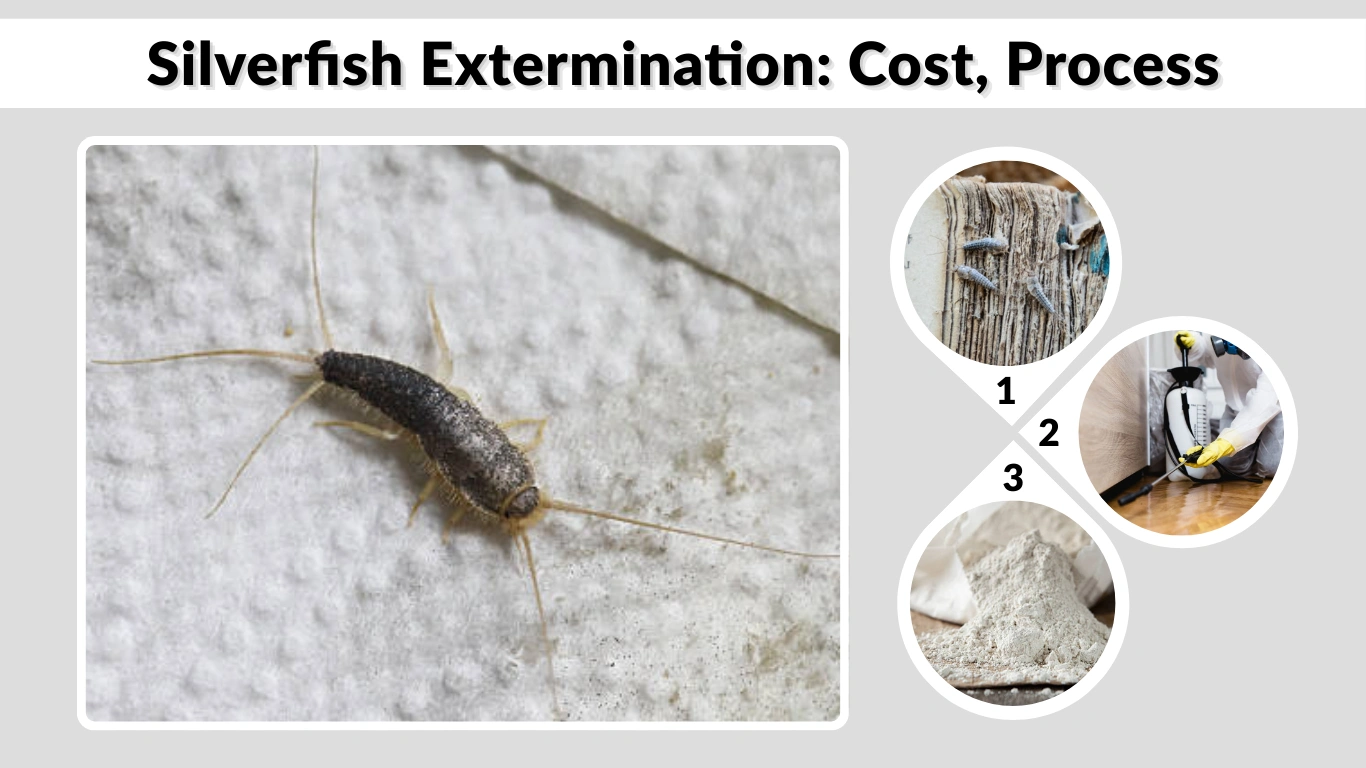
Silverfish are small, fast-moving insects that thrive in dark, damp areas of homes. Although they don’t bite, they can damage books, wallpaper, clothing, and stored food. Many homeowners try sprays and home remedies, but silverfish often return because their eggs and hiding places remain untouched. This is why professional silverfish extermination is often the most reliable solution. Understanding how exterminators work, what extermination involves, and when to hire a silverfish exterminator can help you stop infestations permanently.
What Silverfish Extermination Really Means
Silverfish extermination is more than killing a few visible insects. It is a targeted pest control process designed to eliminate active silverfish, destroy hidden eggs, and remove the conditions that allow them to survive. Unlike ants or flies, silverfish hide deep inside wall cracks, floor gaps, storage boxes, and moisture-rich zones. This makes casual spraying ineffective.
Professional extermination focuses on locating nesting areas, applying residual treatments that continue working for weeks, and disrupting the silverfish life cycle. Exterminators also look for moisture problems, food sources, and structural entry points. Without addressing these factors, silverfish populations often rebuild within weeks.
Another important part of silverfish extermination is prevention. Professionals don’t just apply chemicals; they provide guidance on reducing humidity, sealing gaps, and adjusting storage habits. This combined approach is what separates true silverfish extermination from basic insect control.
Signs You Need a Silverfish Exterminator

Silverfish usually stay hidden, so by the time you see them regularly, the infestation is often established.
- Seeing silverfish frequently at night when lights are turned on
- Damage to books, paper, wallpaper, cardboard, or stored fabrics
- Yellow stains, shed skins, or tiny pepper-like droppings
- Silverfish appearing in bathrooms, kitchens, basements, or laundry rooms
- Continued sightings even after using sprays or traps
Regular sightings mean silverfish are breeding somewhere nearby. At this stage, professional silverfish extermination becomes the most effective option.
How Exterminators Get Rid of Silverfish (Professional Process)

Inspection and infestation assessment
The extermination process begins with a detailed inspection. A silverfish exterminator checks basements, bathrooms, kitchens, attics, storage areas, and wall voids. They look for moisture sources, damaged materials, food debris, and entry points. This step is crucial because silverfish often live far from where they are first noticed. Accurate assessment allows exterminators to design a treatment plan that targets the real source of the infestation.
Targeted extermination treatments
After inspection, exterminators apply treatments specific to silverfish behavior. These usually include residual sprays in cracks and crevices, desiccant dusts inside walls, and specialized baits in hidden zones. Unlike over-the-counter products, professional formulations continue killing silverfish long after application. Treatments are focused, not random, ensuring insects are eliminated where they hide and breed.
Follow-up visits and monitoring
Silverfish eggs can survive initial treatments, which is why follow-ups are often scheduled. Exterminators return to reapply products, monitor activity, and adjust treatment zones. This staged approach is what prevents reinfestation and ensures that both adult silverfish and newly hatched nymphs are controlled.
Professional Silverfish Extermination Methods
Modern silverfish extermination relies on integrated pest management. This combines chemical and non-chemical techniques to deliver long-term results. Residual insecticides are used in cracks, under appliances, and inside wall voids where silverfish travel. Desiccant dusts damage the insect’s outer coating, causing dehydration and death without heavy chemical exposure.
Baiting systems may also be used in severe infestations. These attract silverfish to treated food sources that slowly eliminate the colony. In sensitive homes, exterminators may emphasize low-odor or reduced-toxicity solutions paired with humidity control and physical exclusion methods.
Professional extermination also includes environmental adjustments. Exterminators often recommend repairing leaks, improving ventilation, removing clutter, and sealing foundation gaps. These steps reduce survival conditions and make treatments significantly more effective. This is why professional silverfish extermination lasts longer than surface spraying alone.
Natural Silverfish Extermination vs Professional Services

Many homeowners start with natural silverfish extermination methods. While these can reduce activity, they rarely eliminate the infestation.
- Natural remedies such as diatomaceous earth, essential oils, and traps
- Limited impact on hidden eggs and deep nesting zones
- High risk of reinfestation if moisture and entry points remain
- Helpful as support methods, not complete solutions
- Professional services provide deeper, long-lasting control
Natural options work best when paired with professional extermination. On their own, they often only control surface insects while the main population continues growing inside walls and storage areas.
Silverfish Extermination Cost: What Homeowners Should Expect
Average silverfish exterminator cost
The cost of silverfish extermination varies depending on infestation severity and home size. A one-time professional treatment typically ranges from moderate to mid-level pricing compared to other household pests. More established infestations often require multiple visits, which increases total cost but greatly improves success rates.
What affects extermination pricing
Several factors influence silverfish extermination cost. Larger homes require more product and labor. Heavy infestations need extended treatment plans. Moisture problems, wall void access, and geographic location also impact pricing. Homes needing follow-up visits or preventive service plans may see higher overall costs, but these services greatly reduce the risk of silverfish returning.
Local Silverfish Extermination and Regional Factors
Silverfish infestations are strongly influenced by climate and housing conditions. Warm, humid regions tend to experience heavier silverfish activity because moisture allows these insects to survive and reproduce year-round. Homes in places such as Arizona, Phoenix, Dallas, Denver, Boise, Seattle, Kansas City, Nashville, Colorado Springs, Fort Collins, Idaho, Oregon, Baytown, and Mesquite often report silverfish problems in bathrooms, basements, crawl spaces, and older structures.
In drier regions, silverfish concentrate around plumbing, air-conditioning systems, and laundry rooms where moisture is present. In cooler climates, infestations often increase in winter when insects move indoors seeking warmth. This is why local silverfish exterminators are important. They understand regional building styles, seasonal pest patterns, and humidity issues that directly affect extermination success.
Choosing a local professional also improves follow-up care. Regional exterminators can schedule treatments around weather conditions, recommend climate-specific prevention steps, and respond quickly if silverfish activity returns. This location-focused approach significantly improves long-term extermination results.
How to Choose the Best Silverfish Exterminator

Selecting the right silverfish exterminator is just as important as the treatment itself. Not all pest companies specialize in silverfish, and general insect control may not fully address their hidden breeding habits.
- Proper licensing and certification
- Experience dealing specifically with silverfish infestations
- Detailed inspection before quoting treatment
- Clear service plans and treatment guarantees
- Transparent pricing with no hidden fees
- Strong local reviews and customer reputation
The best silverfish exterminator will explain the process, identify problem areas, and provide both treatment and prevention strategies. Avoid services that offer instant quotes without inspection, as accurate extermination depends on understanding where and why silverfish are thriving.
How to Prepare Your Home for Silverfish Extermination
Preparing your home helps extermination treatments work faster and more effectively. Before your scheduled service, reduce clutter so exterminators can access baseboards, closets, storage rooms, and wall edges. Vacuum visible silverfish, paper debris, and dust buildup. Wash fabrics stored in damp areas and remove cardboard boxes if possible.
Fix leaking pipes, clear floor drains, and improve ventilation in bathrooms and basements. These steps lower humidity, which immediately reduces silverfish survival rates. Exterminators may also ask you to move furniture slightly away from walls and empty certain cabinets so treatments can reach hidden zones.
Following preparation guidelines allows exterminators to treat nesting areas directly, ensuring deeper penetration and longer-lasting silverfish extermination results.
How to Prevent Silverfish After Extermination
Extermination removes existing silverfish, but prevention keeps them from returning. Moisture control is the most important long-term strategy. Dehumidifiers, bathroom fans, and leak repairs make homes far less attractive to silverfish.
Sealing cracks around windows, doors, and baseboards blocks entry points. Store books, papers, and clothing in dry, sealed containers. Avoid stacking cardboard in damp areas, and regularly vacuum storage rooms, closets, and under appliances.
Routine inspections are also valuable. Checking dark corners and plumbing areas every few months helps catch early signs before a new infestation becomes established. When prevention is combined with professional extermination, silverfish problems rarely return.
FAQs
Can exterminators completely get rid of silverfish?
Yes, professional exterminators can eliminate silverfish when treatments target both active insects and hidden eggs. Success depends on proper inspection, follow-up visits, and moisture control. When extermination is paired with prevention steps, most homes achieve long-term silverfish control without recurring infestations.
How long does silverfish extermination take?
Initial treatments are usually completed in one visit, but full extermination may take several weeks. Follow-up services are often scheduled to target newly hatched silverfish. The total timeline depends on infestation size, home layout, and how well environmental conditions are corrected.
Is silverfish extermination safe for pets and children?
Professional silverfish extermination is generally safe when performed by licensed technicians. Exterminators use targeted applications in cracks and hidden areas to limit exposure. Homeowners are usually given short safety instructions, such as avoiding treated zones until products fully dry.
Why do silverfish return after extermination?
Silverfish usually return when moisture problems or entry points remain. Hidden eggs can also hatch after initial treatments if follow-ups are skipped. Without sealing gaps, controlling humidity, and maintaining cleanliness, new silverfish may migrate indoors and restart an infestation.
Is professional silverfish extermination worth the cost?
Yes, professional extermination saves time, reduces property damage, and prevents recurring infestations. DIY treatments often control only visible insects. Professional services address nests, eggs, and environmental conditions, making them far more effective and cost-efficient long term.