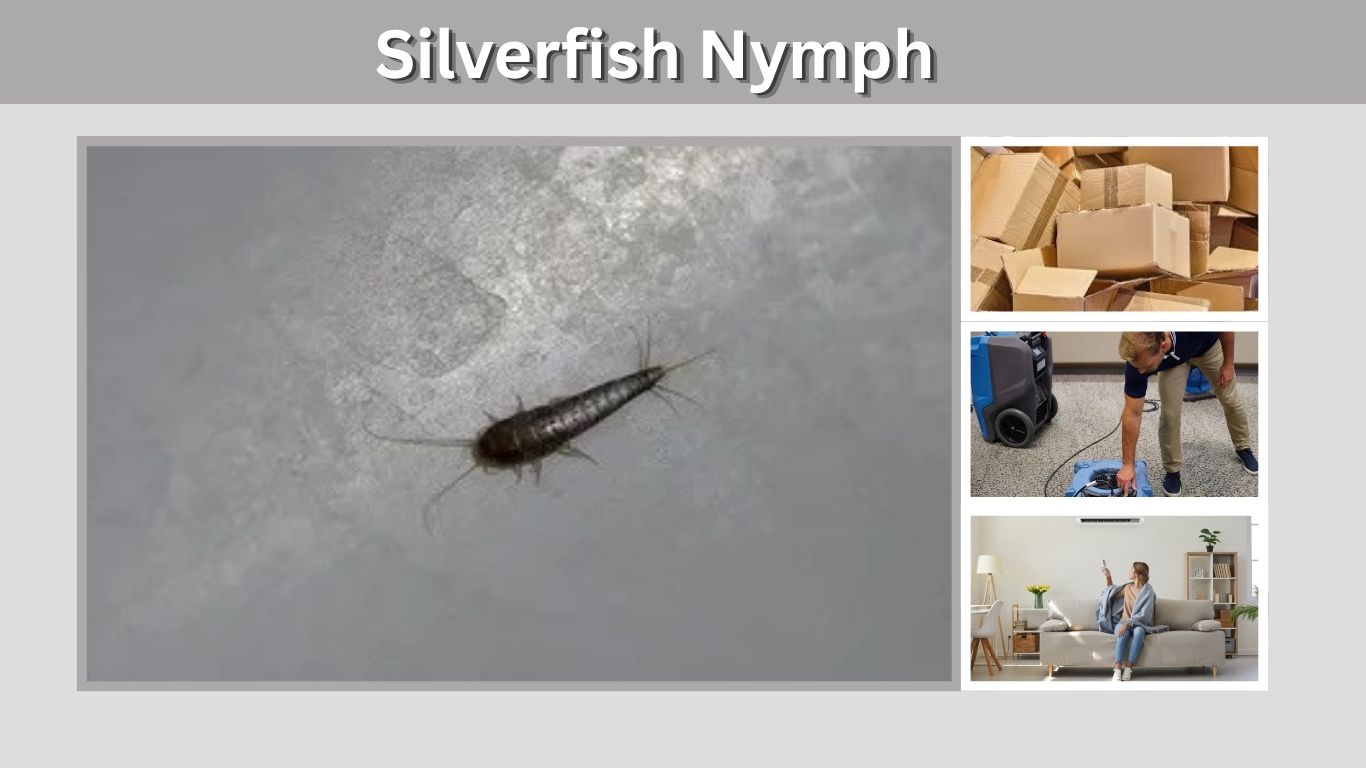
Silverfish nymphs are the immature stage of silverfish insects commonly found in homes and buildings. Although small and often overlooked, these young pests can indicate an active infestation. They thrive in dark, humid environments and feed on materials containing starches and carbohydrates. Many homeowners mistake silverfish nymphs for other household insects because of their pale color and tiny size. Understanding how to identify silverfish nymphs, where they hide, and how they develop can help prevent larger infestations from occurring.
What Is a Silverfish Nymph?
A silverfish nymph is the juvenile stage of a silverfish insect. After hatching from eggs, silverfish emerge as tiny versions of adults and gradually grow through a series of molts. Unlike many insects that undergo dramatic transformations, silverfish nymphs closely resemble adult silverfish from the moment they hatch. Their appearance changes mainly in size, color, and body development as they mature.
Are Silverfish Nymphs Babies?
Yes, silverfish nymphs are essentially baby silverfish. Once eggs hatch, the young insects begin feeding immediately and continue growing through multiple molting stages.
Unlike butterflies or beetles, silverfish do not experience a pupal stage. Instead, they slowly develop into adults while maintaining the same general body shape throughout their lives.
Silverfish Life Cycle Overview
The life cycle of a silverfish consists of three primary stages:
- Egg stage
- Nymph stage
- Adult stage
The nymph stage can last several months depending on environmental conditions. During this period, the insect molts repeatedly until reaching full maturity.
What Does a Silverfish Nymph Look Like?
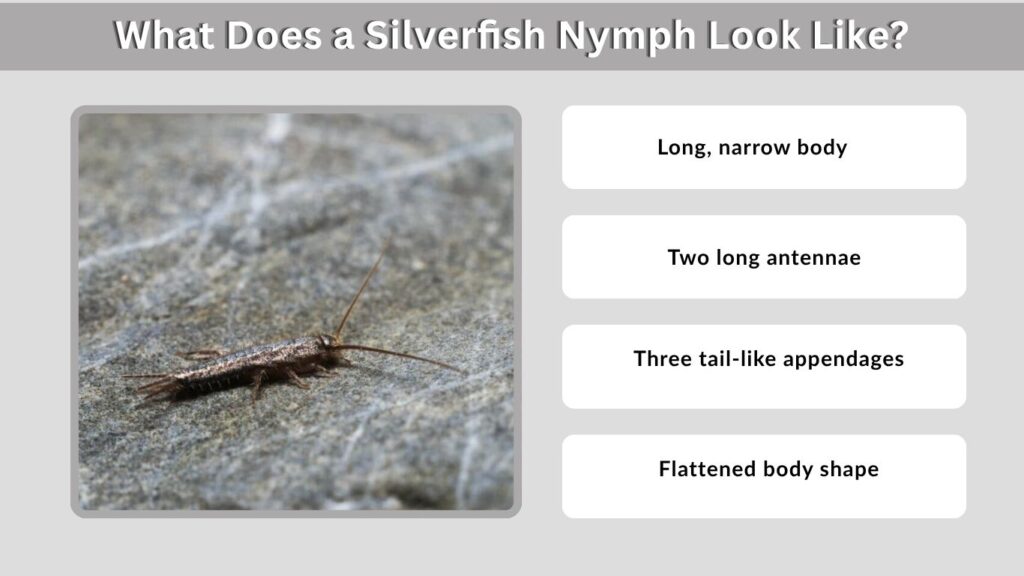
Silverfish nymphs are often difficult to identify because they are extremely small and pale when young. Their bodies are elongated and flattened, giving them a fish-like appearance. As they grow, they gradually develop the silvery scales that adult silverfish are known for.
Although tiny, several distinctive characteristics make them easier to recognize.
Silverfish Nymph Identification
Young silverfish possess many of the same features found in adults.
Common identification characteristics include:
- Long, narrow body
- Two long antennae
- Three tail-like appendages
- Wingless appearance
- Fast movements
- Flattened body shape
These features help distinguish silverfish nymphs from other small household pests.
White Silverfish Nymph Appearance
Newly hatched silverfish nymphs are typically white or cream-colored. Their pale appearance often causes homeowners to mistake them for other insects or tiny larvae.
As the nymph grows and molts, it gradually develops the metallic gray or silver coloration associated with adult silverfish. This color transition may take several months depending on the species and environmental conditions.
Silverfish Nymph Size
Size is one of the most noticeable differences between young silverfish and mature adults. Newly hatched nymphs are extremely small and may go unnoticed during the early stages of development. As they continue molting, their size increases steadily until adulthood.
Understanding their typical size can help with proper identification and infestation detection.
Actual Size of a Silverfish Nymph
Most newly hatched silverfish nymphs measure only a few millimeters in length. Their tiny size makes them difficult to spot without close inspection.
Typical size ranges include:
- Newly hatched: 1–2 mm
- Young nymphs: 2–5 mm
- Older nymphs: 5–10 mm
- Adults: 10–20 mm
Because of their small size and nocturnal behavior, many infestations remain hidden for long periods.
How Silverfish Nymphs Grow
Silverfish grow through a process called molting. During each molt, they shed their outer covering and gradually increase in size. Unlike many insects, silverfish continue molting even after reaching adulthood.
Growth speed depends on factors such as temperature, humidity, and food availability. Warm, humid environments typically support faster development.
Where Are Silverfish Nymphs Found?
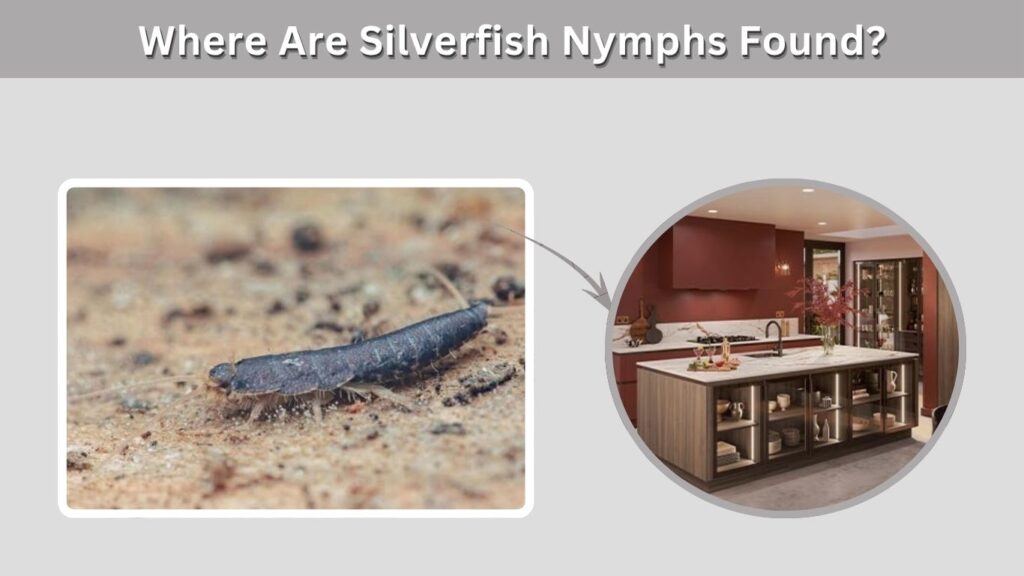
Silverfish nymphs prefer dark, moist locations where food and shelter are readily available. Because they are sensitive to dry conditions, they tend to remain hidden during the day and become active at night. Homeowners often discover them accidentally while cleaning storage areas or moving items that have remained undisturbed for long periods.
Silverfish Nymph in House
Silverfish nymphs can appear in nearly any room of a home, but they are most common in areas with elevated humidity levels.
Common hiding places include:
- Bathrooms
- Basements
- Laundry rooms
- Kitchens
- Closets
- Storage boxes
These locations provide moisture and access to food sources such as paper, glue, fabrics, and dust.
Bedroom Silverfish Nymph
Finding a silverfish nymph in a bedroom can be surprising, but it is not uncommon. Bedrooms often contain books, cardboard boxes, wallpaper, clothing, and other materials that silverfish feed on.
Nymphs may hide behind furniture, inside closets, beneath carpets, or near baseboards where humidity and darkness provide protection from predators and disturbance.
Silverfish Nymph Diet and Behavior
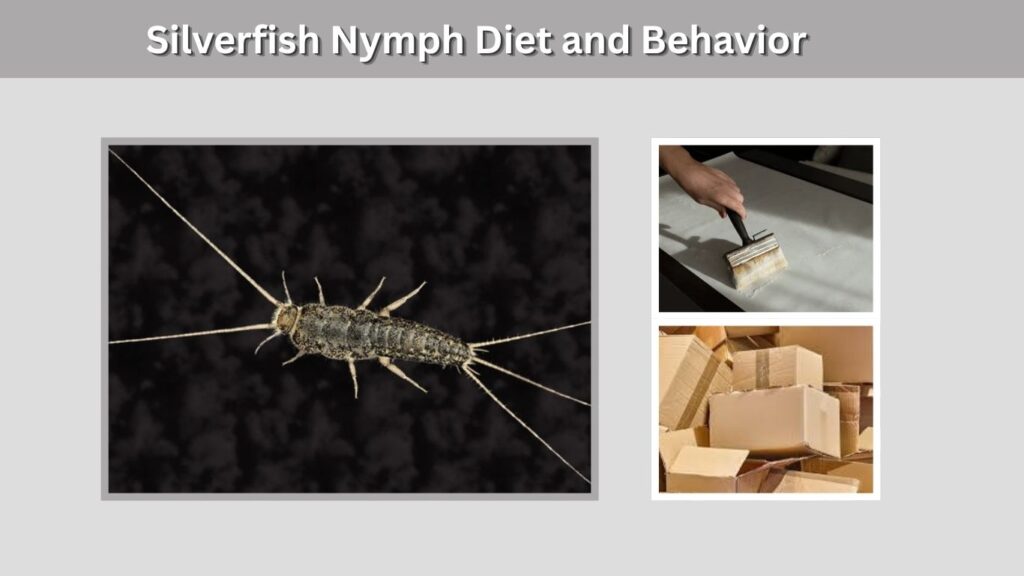
Silverfish nymphs are scavengers that feed on materials rich in carbohydrates, starches, and proteins. They are primarily nocturnal, meaning they search for food and move around during the night. Because they avoid light and human activity, infestations often go unnoticed until damage becomes visible. Understanding their feeding habits can help homeowners identify potential infestations before they become severe.
What Do Silverfish Nymphs Eat?
Silverfish nymphs consume a surprising variety of household materials.
Common food sources include:
- Paper products
- Books and magazines
- Wallpaper paste
- Cardboard boxes
- Fabrics containing natural fibers
- Dry pantry goods
- Dust and debris
Their ability to survive on limited food sources makes them particularly resilient indoor pests.
Signs of a Silverfish Infestation
Silverfish nymphs often leave subtle clues behind as they feed and grow.
Common warning signs include:
- Small holes in paper products
- Yellow stains on materials
- Tiny black droppings
- Shed skins from molting
- Live insects seen at night
Early detection helps prevent damage from spreading throughout the home.
Silverfish Nymph vs Cockroach Nymph
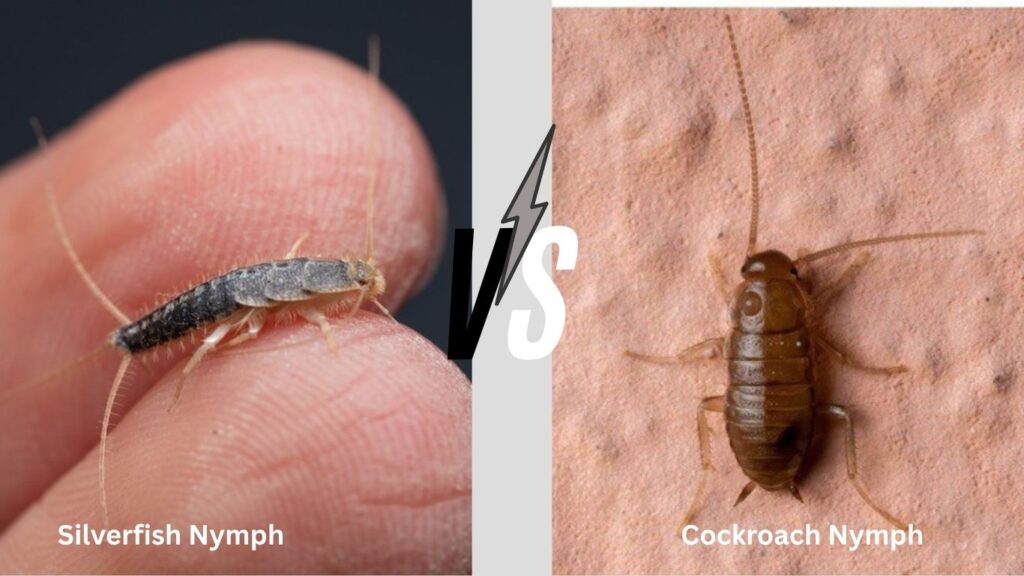
Many homeowners confuse silverfish nymphs with cockroach nymphs because both are small, fast-moving insects. However, several key differences make identification easier. Understanding these differences is important because treatment methods may vary depending on the pest involved.
Key Identification Differences
Silverfish nymphs have long antennae, three tail-like appendages, and a slender body shape. Cockroach nymphs typically have a broader, oval-shaped body and lack the distinctive three-tail structure found on silverfish.
Cockroach nymphs are usually darker in color and appear more robust, while silverfish nymphs remain narrow and fish-shaped throughout development.
Common Misidentification Issues
The confusion often occurs when homeowners spot a young insect moving quickly across a floor or wall. Because silverfish nymphs are pale and tiny, they may resemble other household pests at first glance.
Careful observation of body shape and tail appendages usually provides the easiest way to distinguish them.
Silverfish Nymph vs Earwig
Silverfish nymphs are also occasionally mistaken for young earwigs. Although both insects have elongated bodies, important physical differences separate the two species. Knowing these distinctions helps avoid unnecessary concern and ensures proper pest management strategies are used.
Similarities Between Silverfish and Earwigs
Both insects share several characteristics:
- Small body size
- Fast movement
- Preference for dark areas
- Nocturnal activity
- Occasional indoor presence
These similarities can make quick identification difficult.
Important Differences
Earwigs possess distinctive forceps-like pincers at the end of their abdomen. Silverfish nymphs do not have pincers and instead feature three thin tail appendages.
Silverfish also have a more streamlined, fish-like appearance, whereas earwigs appear flatter and more segmented.
Are Silverfish Nymphs Harmful?
Silverfish nymphs do not bite humans, sting, or spread diseases. However, they can become a nuisance when populations increase. Their feeding habits may cause damage to household items, particularly paper-based materials and stored belongings.
Risks to People
Silverfish nymphs are generally harmless to human health. They do not attack people or pets and are not known to transmit diseases.
For most homeowners, the primary concern is the inconvenience and property damage associated with an infestation rather than direct health risks.
Property Damage Caused by Silverfish Nymphs
Damage may occur when silverfish feed on household materials over extended periods.
Items commonly affected include:
- Books
- Photographs
- Wallpaper
- Clothing
- Documents
- Stored papers
Large infestations can result in noticeable deterioration of valuable belongings.
How to Get Rid of Silverfish Nymphs
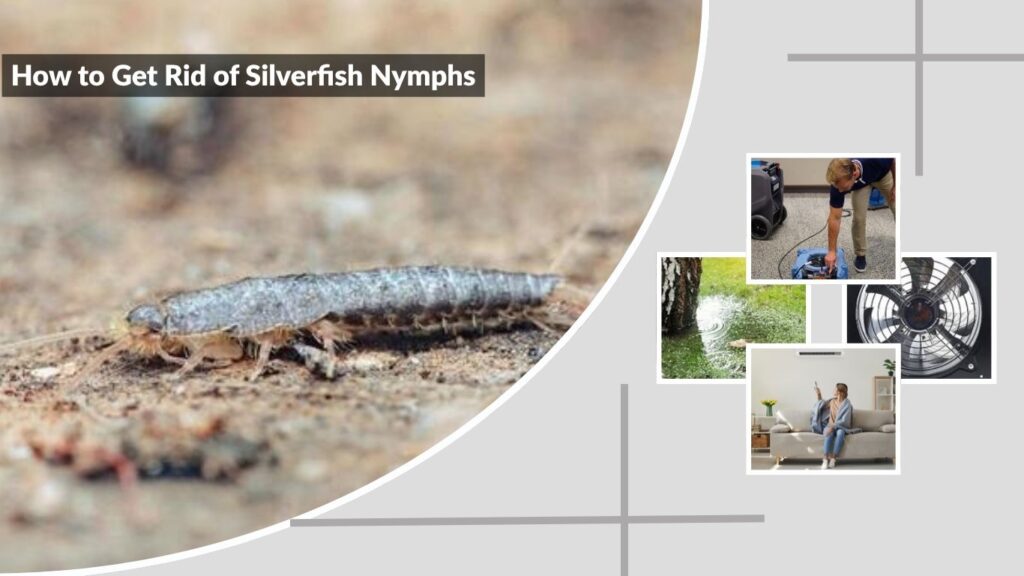
Controlling silverfish nymphs requires addressing the environmental conditions that allow them to thrive. Because moisture plays a major role in their survival, reducing humidity is often the most effective first step. Combining sanitation with exclusion measures can significantly reduce populations.
Reduce Moisture Levels
Silverfish depend on humid conditions to survive. Lowering moisture levels makes the environment less suitable for both nymphs and adults.
Effective methods include:
- Fixing plumbing leaks
- Using dehumidifiers
- Improving ventilation
- Running exhaust fans
- Eliminating standing water
These actions help discourage future infestations.
Eliminate Food Sources and Shelter
Removing accessible food sources limits silverfish survival and reproduction. Regular cleaning can reduce the materials they depend on for nourishment.
Store important papers in sealed containers, reduce clutter, and vacuum frequently to remove crumbs, dust, and debris.
Preventing Future Silverfish Nymph Infestations
Prevention is often easier than eliminating an established infestation. Maintaining a dry, clean environment greatly reduces the likelihood of silverfish activity. Regular inspections can also help identify problems before they become severe.
Long-Term Prevention Tips
Several preventive measures can help keep silverfish populations under control.
Recommended strategies include:
- Seal cracks and gaps
- Control indoor humidity
- Store papers properly
- Remove clutter
- Clean regularly
- Monitor moisture-prone areas
Consistent maintenance is the most effective defense against recurring infestations.
FAQs
What is a silverfish nymph?
A silverfish nymph is the juvenile stage of a silverfish insect. It resembles a miniature adult and grows through multiple molts before reaching maturity.
Are silverfish nymphs baby silverfish?
Yes. Silverfish nymphs are baby silverfish that hatch from eggs and gradually develop into adults without undergoing a pupal stage.
What color are silverfish nymphs?
Newly hatched silverfish nymphs are usually white or cream-colored. They gradually become gray or silver as they mature.
How big is a silverfish nymph?
Most newly hatched silverfish nymphs measure about 1–2 mm long, while older nymphs may reach 5–10 mm before becoming adults.
How do I get rid of silverfish nymphs?
Reduce humidity, fix leaks, improve ventilation, remove clutter, store paper products properly, and maintain regular cleaning routines to eliminate silverfish nymphs and prevent future infestations.