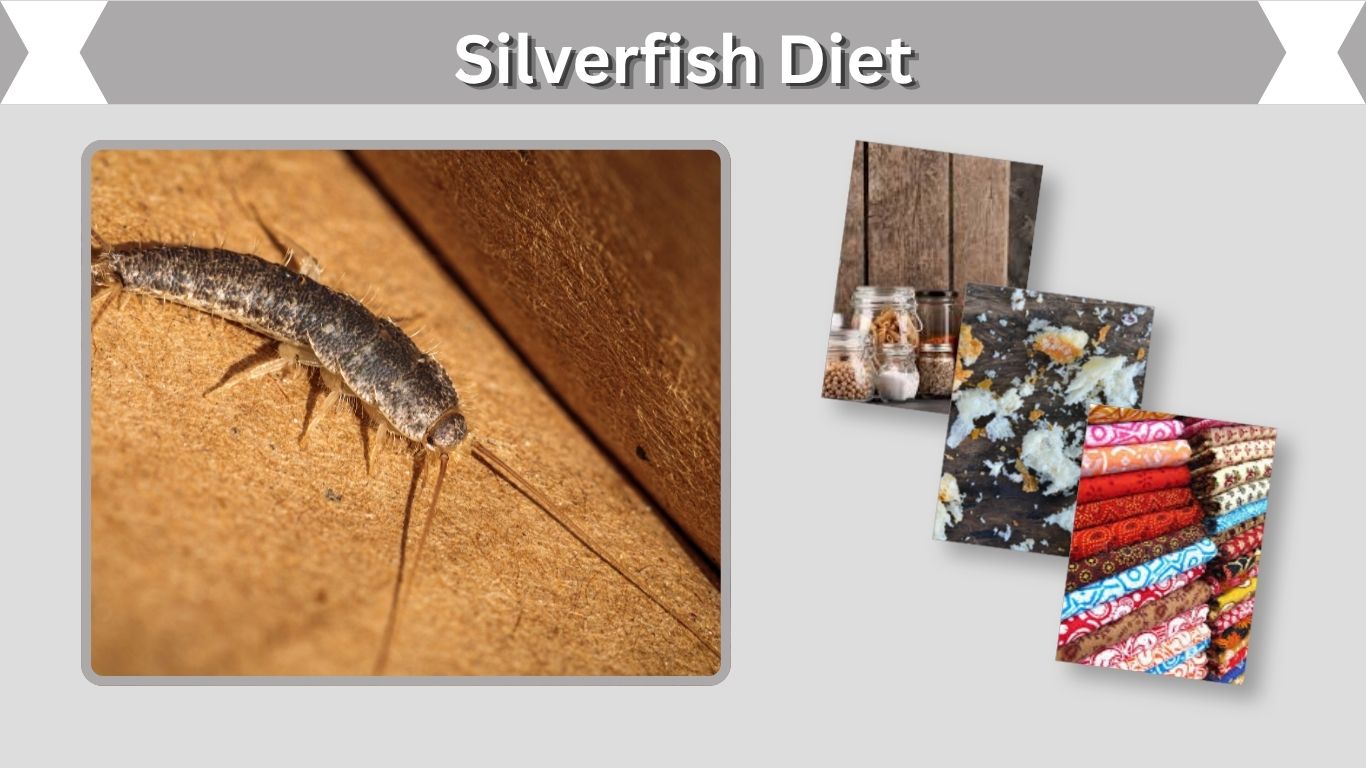
Silverfish are small, wingless insects that have existed for millions of years. Although they are harmless to humans, they can become troublesome pests when they invade homes and feed on valuable belongings. Understanding the silverfish diet is important because their food preferences often determine where infestations develop and how severe they become. These insects are attracted to materials rich in starches, carbohydrates, and proteins. Learning what silverfish eat can help homeowners identify risks, prevent damage, and implement more effective pest control strategies.
What Is a Silverfish Diet?
The silverfish diet consists primarily of starchy materials, carbohydrates, and organic substances found in both natural and indoor environments. Silverfish are scavengers that consume a wide variety of materials, allowing them to survive in places where other insects may struggle. Their ability to digest cellulose gives them access to many food sources commonly found in homes, making them particularly adaptable household pests.
Understanding Silverfish Feeding Habits
Silverfish are nocturnal insects that typically feed during the night. They prefer dark, humid environments where food is readily available and predators are limited.
Rather than hunting for live prey, silverfish search for materials containing nutrients that support growth and survival. Their feeding behavior often remains unnoticed until visible damage appears on household items.
Why Silverfish Prefer Carbohydrates
Silverfish possess specialized digestive enzymes that help them break down complex carbohydrates. These nutrients provide a reliable source of energy and are commonly found in paper products, fabrics, adhesives, and other household materials.
Because carbohydrate-rich materials are widespread indoors, silverfish can establish long-term infestations if favorable conditions remain unchanged.
What Do Silverfish Eat?
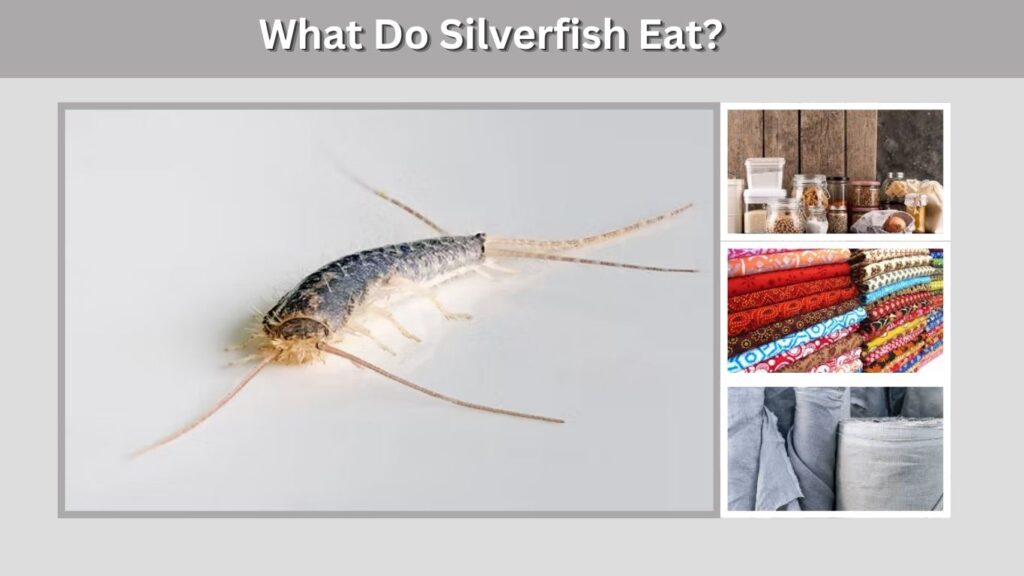
Silverfish consume a surprisingly wide range of materials. Their diet extends beyond simple food scraps and often includes everyday household items. This broad feeding preference is one reason why silverfish can survive in homes for extended periods without being detected.
Common Foods Silverfish Consume
Silverfish are known to feed on many different substances.
Common food sources include:
- Paper and cardboard
- Books and magazines
- Wallpaper paste
- Glue and adhesives
- Cotton fabrics
- Linen materials
- Dry pantry products
- Dead insects
- Dust and debris
These food sources provide the starches and carbohydrates that silverfish require for survival.
Household Items Most at Risk
Certain household belongings are particularly vulnerable to silverfish feeding activity.
Items commonly damaged include:
- Important documents
- Family photographs
- Stored books
- Cardboard storage boxes
- Wallpaper
- Clothing made from natural fibers
Damage usually appears as irregular holes, scraping marks, or yellow stains on affected materials.
Silverfish Diet in Homes
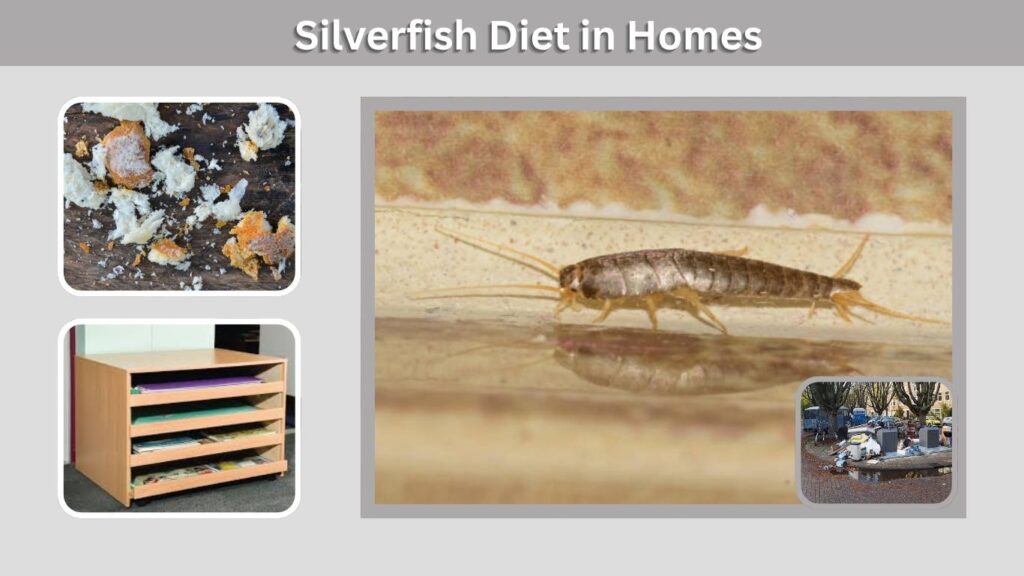
Homes provide ideal feeding opportunities for silverfish because they contain both food and moisture. These insects are especially common in areas where humidity levels remain elevated and organic materials accumulate. Understanding how indoor conditions support their diet can help homeowners reduce the likelihood of infestation and property damage.
What Attracts Silverfish Indoors?
Silverfish enter homes in search of food, water, and shelter. Once inside, they often remain hidden in dark locations during the day and become active after sunset.
Factors that attract silverfish include:
- High humidity levels
- Excess moisture
- Paper storage
- Cardboard clutter
- Food crumbs
- Poor ventilation
When multiple attractants are present, silverfish populations can grow rapidly.
How Diet Influences Infestations
The availability of food directly affects silverfish survival and reproduction. Homes containing large quantities of paper products, fabrics, and stored materials often provide enough nutrition to support long-term infestations.
Reducing access to food sources is one of the most effective ways to discourage silverfish activity and limit population growth.
Do Silverfish Eat Clothes?
Many homeowners are surprised to learn that silverfish can damage clothing. While they do not consume synthetic fabrics as readily, they are attracted to natural fibers that contain nutrients and residues. Clothing stored in dark, humid areas is particularly vulnerable to silverfish feeding.
Fabrics Silverfish Prefer
Silverfish are most attracted to natural materials because they contain substances that can be digested and utilized as food.
Preferred fabrics include:
- Cotton
- Linen
- Silk
- Rayon blends
- Wool with residues
Clothing that contains food stains, perspiration, or starch residues may be especially attractive.
Signs of Clothing Damage
Silverfish feeding often leaves subtle evidence before major damage becomes apparent. Small irregular holes may develop in fabric, especially in areas that remain undisturbed for long periods.
Homeowners frequently discover damage in stored seasonal clothing, boxes of textiles, or garments kept in closets with elevated humidity levels.
Do Silverfish Eat Paper and Books?
Paper products are among the most well-known targets of silverfish feeding activity. Their ability to digest cellulose makes books, magazines, documents, and cardboard highly attractive food sources. Libraries, archives, and storage rooms often provide ideal conditions for silverfish because they contain both food and shelter.
Why Silverfish Damage Paper Products
Silverfish are attracted not only to paper itself but also to the adhesives and binding materials used in books and documents. These materials often contain starch-based compounds that serve as valuable nutrient sources.
As silverfish feed, they create small holes, surface scraping, and irregular damage patterns that may worsen over time if infestations remain untreated.
Can Silverfish Survive Without Food?
Silverfish are remarkably resilient insects capable of surviving in challenging conditions. Their slow metabolism allows them to endure long periods with limited access to food. This survival ability makes infestations difficult to eliminate if environmental conditions remain favorable. While food is important for growth and reproduction, moisture also plays a significant role in their ability to survive indoors.
How Long Can Silverfish Live Without Food?
Silverfish can survive for extended periods without regular feeding. Depending on environmental conditions, some may live for weeks or even months with minimal food sources available.
Their ability to conserve energy allows them to persist in hidden locations until suitable food becomes available again. This is one reason why infestations may reappear even after temporary reductions in activity.
Why Moisture Matters
Although silverfish can tolerate food shortages, they are highly dependent on moisture. Humid environments help prevent dehydration and support their long-term survival.
Homes with persistent humidity problems often provide ideal conditions for silverfish populations, even when food sources are limited.
Common Silverfish Diet vs Antarctic Silverfish Diet
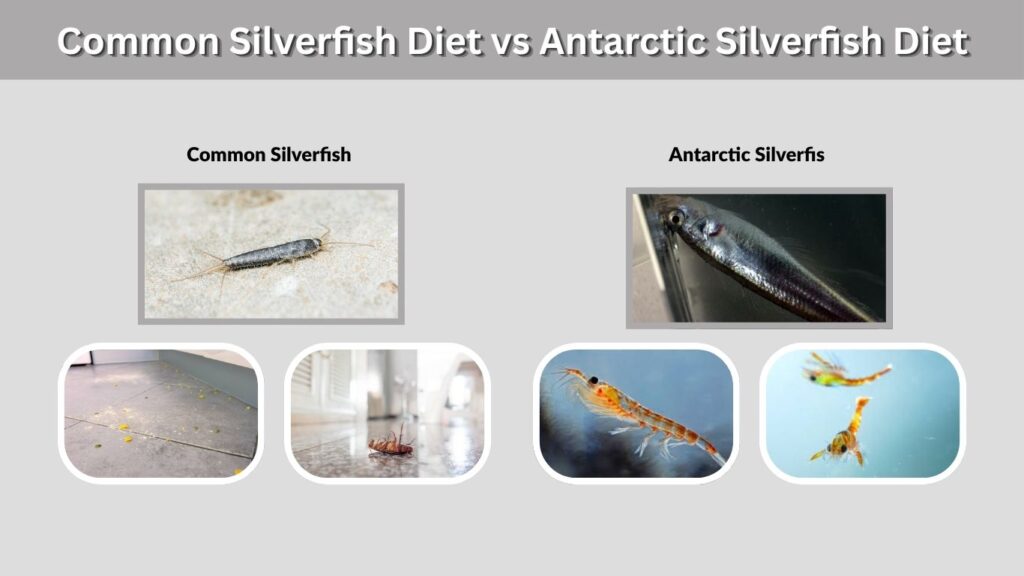
The term “silverfish” can refer to two very different organisms. Household silverfish are insects, while Antarctic silverfish are fish found in the Southern Ocean. Although they share a common name, their diets and habitats differ dramatically. Understanding these differences helps prevent confusion when researching silverfish feeding habits.
Diet of Common Household Silverfish
Household silverfish primarily consume carbohydrate-rich materials and organic matter. Their feeding behavior focuses on items commonly found inside homes.
Typical food sources include:
- Paper products
- Cardboard
- Glue and adhesives
- Natural fabrics
- Food crumbs
- Dead insects
These insects thrive wherever food and moisture are readily available.
Antarctic Silverfish Diet
Antarctic silverfish are marine fish that play an important role in polar ecosystems. Their diet consists of small aquatic organisms rather than household materials.
Common Antarctic silverfish foods include:
- Krill
- Zooplankton
- Small crustaceans
- Fish larvae
- Marine invertebrates
These fish serve as a critical food source for seals, penguins, and larger fish species.
How Silverfish Diet Causes Household Damage
Silverfish feeding habits can lead to gradual but significant damage throughout a home. Because they often target valuable stored materials, infestations may become costly if left untreated. Damage usually occurs slowly, making it easy for homeowners to overlook early warning signs.
Items Commonly Damaged by Silverfish
Silverfish can affect a wide range of household belongings.
Frequently damaged items include:
- Books and journals
- Important records
- Wallpaper
- Family photographs
- Clothing
- Cardboard storage containers
Over time, feeding damage may weaken materials and reduce their value.
Early Warning Signs of Feeding Activity
Identifying silverfish damage early can prevent larger infestations. Homeowners should inspect vulnerable materials regularly, especially in damp or poorly ventilated areas.
Common signs include irregular holes, yellow discoloration, scraping marks, shed skins, and sightings of live silverfish during nighttime hours.
How to Remove Silverfish Food Sources
Removing food sources is one of the most effective methods for controlling silverfish populations. By reducing access to nutrients, homeowners can make their properties less attractive to these pests. Combined with moisture control, food source management can significantly reduce infestation risks.
Improve Storage Practices
Proper storage helps protect valuable items from silverfish feeding damage.
Recommended storage methods include:
- Use airtight containers
- Store documents in sealed bins
- Replace cardboard with plastic containers
- Keep books in dry locations
- Organize storage areas regularly
These practices limit access to common silverfish food sources.
Reduce Clutter and Maintain Cleanliness
Clutter creates hiding places and often accumulates dust, paper, and debris that silverfish can consume. Maintaining a clean environment reduces both shelter and food availability.
Regular vacuuming, dust removal, and organization can make a significant difference in long-term silverfish prevention efforts.
Silverfish Diet and Pest Control
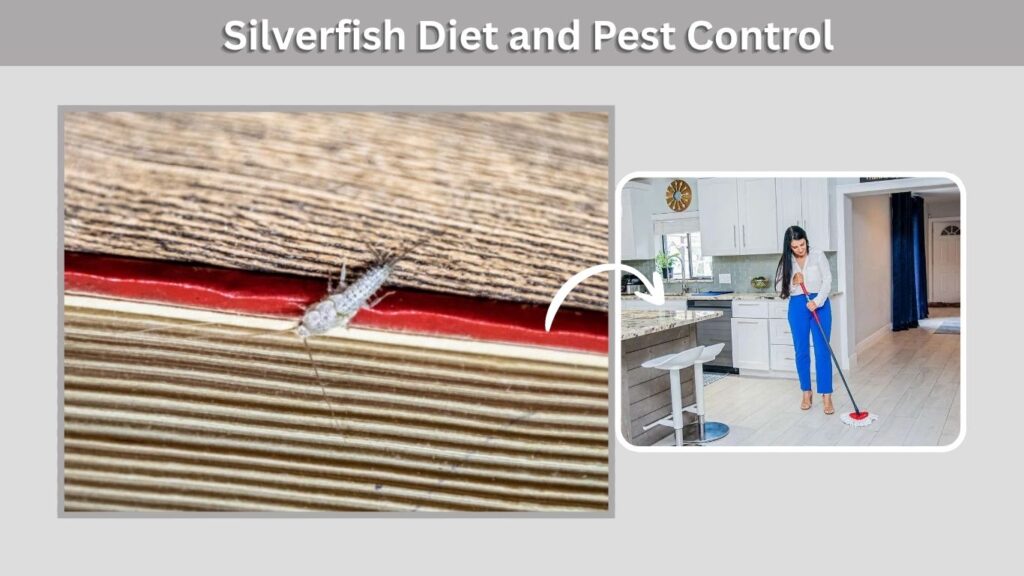
Understanding the silverfish diet is essential for successful pest management. Effective control strategies target the conditions that support feeding and reproduction. Rather than focusing only on killing visible insects, long-term solutions aim to eliminate the resources silverfish need to survive.
Why Diet Matters for Control
Food availability directly affects silverfish populations. Homes that provide abundant food sources allow infestations to persist and expand.
Reducing access to paper products, fabrics, food debris, and moisture can dramatically decrease silverfish activity and improve treatment outcomes.
Long-Term Prevention Strategies
Successful silverfish prevention often combines multiple approaches.
Helpful prevention measures include:
- Control indoor humidity
- Improve ventilation
- Store items properly
- Clean regularly
- Seal cracks and gaps
- Inspect storage areas routinely
These actions help create an environment that is less attractive to silverfish.
FAQs
What do silverfish eat the most?
Silverfish primarily feed on starches, carbohydrates, cellulose, paper products, glue, fabrics, and organic debris found throughout homes.
Do silverfish eat books and paper?
Yes. Silverfish commonly feed on books, magazines, documents, cardboard, and other paper-based materials because they can digest cellulose and starch-based adhesives.
Can silverfish survive without food?
Silverfish can survive for extended periods with very little food due to their slow metabolism, although they still require moisture to thrive.
What attracts silverfish into homes?
Silverfish are attracted by humidity, moisture, paper products, cardboard, food debris, fabrics, and dark hiding places.
How can I remove silverfish food sources?
Store documents in sealed containers, reduce clutter, eliminate cardboard storage when possible, vacuum regularly, and maintain a dry indoor environment to limit available food sources.