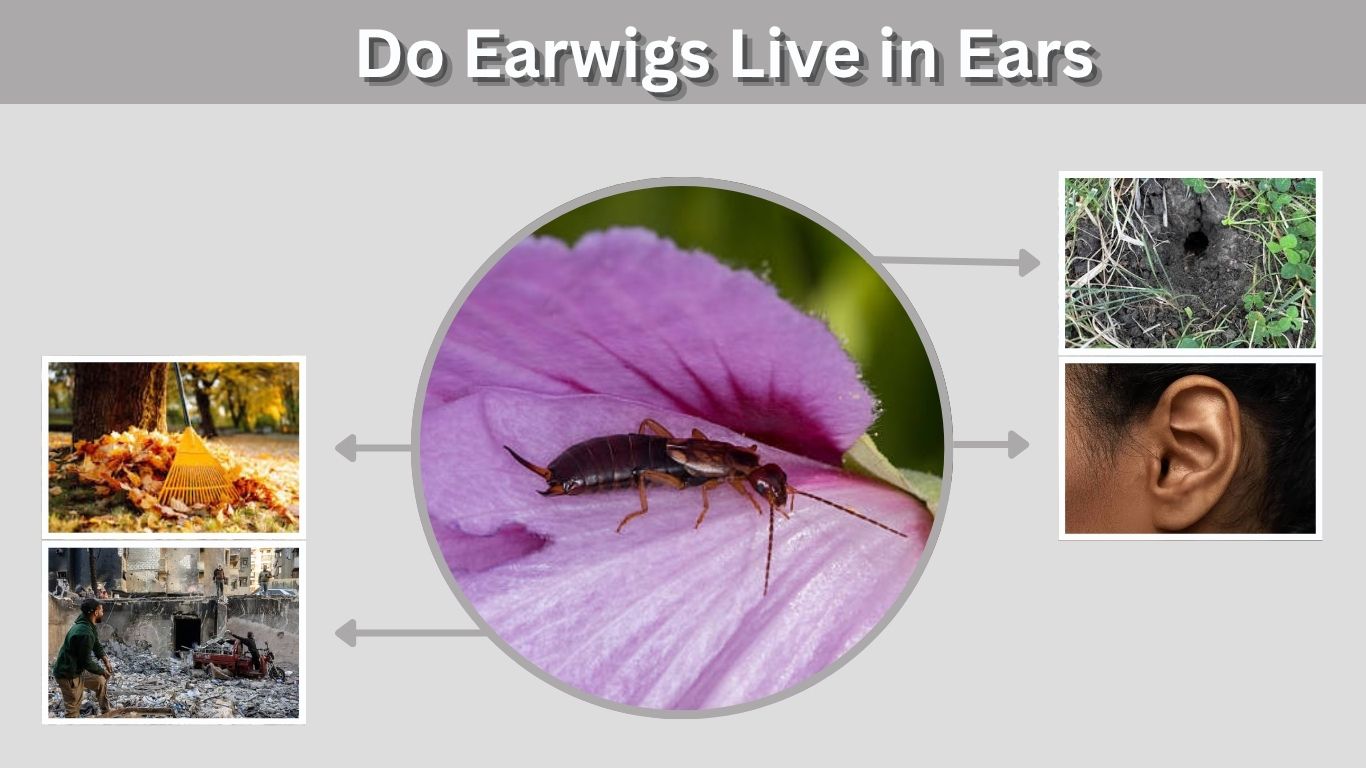
Earwigs have a scary name, and that name has caused a lot of confusion for years. Many people wonder if earwigs crawl into ears, live there, or lay eggs inside the ear canal. The truth is much less frightening. Earwigs do not live in human ears, and they do not seek people out while they sleep. This guide explains the myth, what earwigs actually do, and how to respond if any insect gets into your ear.
Do Earwigs Really Live in Ears?
The short answer is no. Earwigs do not live in ears, build nests in ears, or use the human body as a place to reproduce. Their name makes them sound more dangerous than they are. In reality, earwigs are outdoor insects that prefer damp, dark, sheltered spaces such as soil, mulch, leaf litter, and garden debris.
The Truth Behind the Myth
Earwigs are not attracted to ears. They are not looking for ear canals, and they do not have a natural habit of crawling into people’s heads. Like many small insects, an earwig could accidentally enter an ear in a rare situation, but that is not the same as living there.
The myth likely survived because earwigs are active at night and have a strange appearance. Their pincers also make them look threatening. However, their behavior is mostly focused on finding moisture, hiding during the day, feeding at night, and reproducing in protected outdoor areas.
Why People Worry About Earwigs
The fear usually comes from the insect’s name and shape. Earwigs have forceps-like pincers at the end of their bodies, which can make them seem dangerous. They also move quickly and may appear indoors unexpectedly. Seeing one in a bedroom or bathroom can make people imagine the worst, even though earwigs are usually just accidental indoor visitors.
Why Are They Called Earwigs?
The word “earwig” is connected to old folklore, not proven insect behavior. For centuries, people believed these insects could crawl into ears and cause harm. That belief became attached to their common name. Today, science does not support the idea that earwigs target human ears or use them as nesting places.
The Name Does Not Match the Behavior
Some insect names describe what the insect does, but “earwig” is misleading. Earwigs do not depend on ears for food, shelter, or reproduction. They are much more likely to hide under damp mulch, stones, boards, flowerpots, or leaves than near a sleeping person’s ear.
This is why the name causes unnecessary fear. A person may hear “earwig” and assume the insect has a special connection to ears. In reality, it is just an old name that came from a scary story.
Earwigs Are Mostly Moisture-Seeking Insects
Earwigs prefer places that are humid and protected. During the day, they hide in cool, dark areas. At night, they come out to feed. Depending on the environment, they may eat decaying plant material, soft plant tissue, small insects, or organic debris.
They may enter homes when outdoor conditions become too dry, too wet, too hot, or too cold. Once inside, they are often found in basements, bathrooms, kitchens, laundry rooms, or other damp areas.
Can an Earwig Crawl Into Your Ear by Accident?
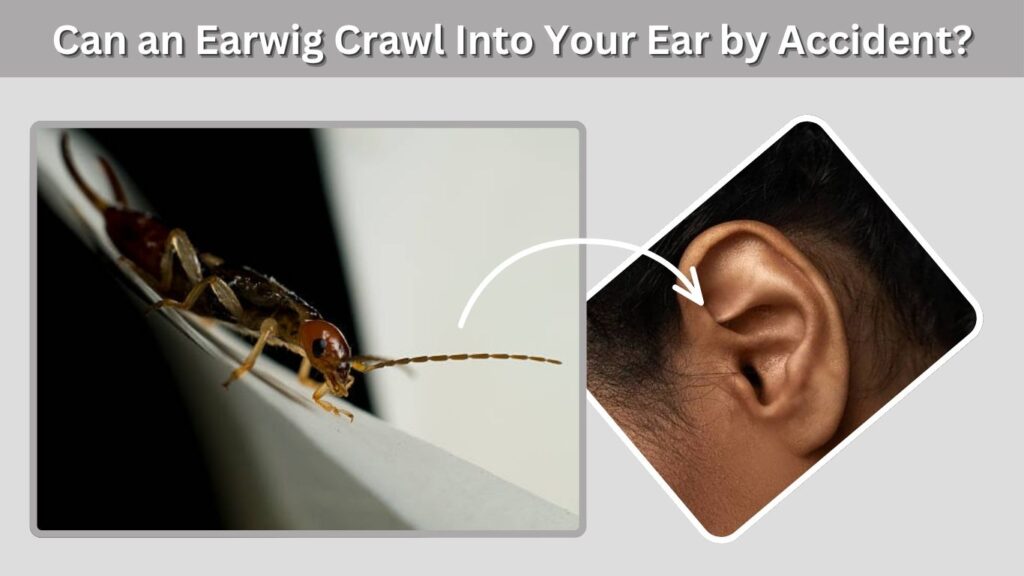
Although earwigs do not seek out ears, small insects can accidentally enter the ear canal in rare cases. This can happen with many insects, not just earwigs. The important point is that accidental entry is unusual and does not mean the insect wants to live, feed, or lay eggs there.
How Rare Accidental Entry Can Happen
An insect may accidentally crawl into an ear when someone is sleeping outdoors, camping, lying near insects, or resting in an area with many pests. The ear canal is dark and warm, so a confused insect may enter by mistake. However, this is not normal earwig behavior.
If it happens, the person may feel movement, tickling, buzzing, discomfort, or pain. Some people may also notice temporary hearing changes. The situation can feel frightening, but it should be handled calmly and safely.
What Not to Do
Avoid doing anything that could push the insect deeper or damage the ear canal. The ear is sensitive, and rough removal attempts can make the problem worse.
- Do not push cotton swabs into the ear.
- Do not insert tweezers deep into the ear canal.
- Do not scratch inside the ear with sharp objects.
- Do not pour random chemicals into the ear.
- Do not ignore pain, bleeding, dizziness, or hearing loss.
When to Get Medical Help
You should get medical help if the insect does not come out, if you feel pain, or if your hearing changes. Medical care is also important if there is bleeding, dizziness, swelling, discharge, or a feeling that something is still trapped inside.
A doctor can examine the ear canal and remove the insect safely. This is much safer than guessing at home, especially if the insect is deep in the ear or if the eardrum might be irritated.
Do Earwigs Lay Eggs in Human Ears?
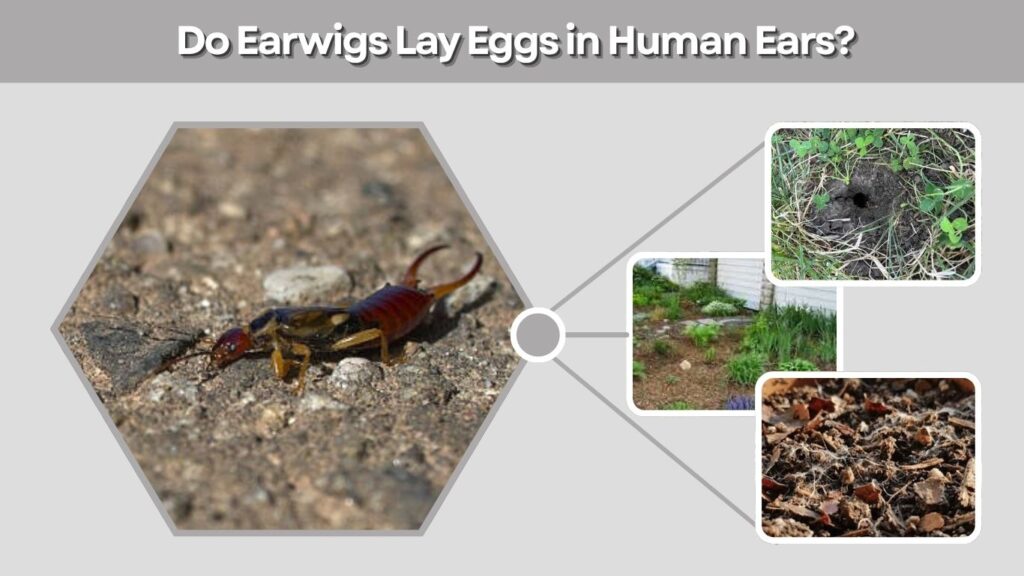
Earwigs do not lay eggs in human ears. This is one of the most common and frightening myths about them. Female earwigs lay eggs in protected places, usually in soil or hidden outdoor spaces. Their young need a suitable environment with moisture and shelter, not a human ear canal.
Where Earwigs Actually Lay Eggs
Earwigs usually choose protected ground-level areas for their eggs. Female earwigs are known for guarding their eggs and young, which is unusual among many insects. They need a safe, moist, hidden place where the eggs can develop.
Common egg-laying or nesting areas may include:
- Shallow holes in soil
- Spaces under mulch
- Areas beneath stones or boards
- Protected garden beds
- Damp soil near organic debris
- Hidden outdoor crevices
Why Human Ears Are Not Suitable
A human ear is not a proper habitat for earwig eggs. It does not offer the soil, stable nesting chamber, or outdoor conditions earwigs use for reproduction. The idea that an earwig would lay eggs inside an ear is folklore, not normal biology.
This is why the myth should not be treated as a realistic household danger. Earwigs may be unpleasant to find indoors, but they are not trying to reproduce inside people.
Are Earwigs Dangerous to Humans?
Earwigs look more dangerous than they usually are. Their pincers can seem intimidating, but they are mainly used for defense, mating, and handling food. Earwigs are not aggressive toward people. They may pinch if handled or trapped, but they are not considered a serious threat to human health.
Do Earwigs Bite?
Earwigs have mouthparts, but they are not known for biting people in the way mosquitoes or fleas do. They do not feed on human blood. If one comes into contact with skin, it is more likely to run away than attack.
A person might feel a small pinch or scratch if the insect is pressed against the skin. This can be uncomfortable, but it is usually minor.
Can Earwigs Pinch?
Yes, earwigs can pinch with their pincers. The pinch may feel sharp, especially from a larger earwig, but it is usually not dangerous. In most cases, washing the area with soap and water is enough.
The pinch is a defense reaction. Earwigs do not go around looking for people to pinch. Problems usually happen when someone picks one up, steps on one, or traps it against the skin.
Do Earwigs Spread Disease?
Earwigs are not known as major disease-spreading pests in homes. They are mostly nuisance insects when found indoors. Their presence may still be unpleasant, especially in kitchens, bathrooms, or bedrooms, but they are not in the same category as pests strongly linked with disease transmission.
Where Do Earwigs Usually Live?
Earwigs usually live in outdoor spaces where they can stay hidden and moist. They avoid dry, exposed areas during the day and become more active at night. Understanding their real habitat helps explain why they may show up around homes and why ears are not part of their normal life cycle.
Common Outdoor Hiding Places
Earwigs are often found in areas that provide darkness, moisture, and cover. These locations help them avoid drying out and protect them from predators during the day.
- Mulch beds
- Leaf piles
- Compost areas
- Damp soil
- Under stones
- Under logs
- Beneath flowerpots
- Around garden borders
- Under boards or outdoor clutter
Why They Come Indoors
Earwigs may enter homes by accident or while searching for better shelter. Heavy rain, drought, heat, or cold can push them toward buildings. They may squeeze through gaps around doors, windows, foundations, vents, or utility lines.
Once indoors, they often end up in damp rooms. Bathrooms, basements, laundry areas, and kitchens may attract them because these spaces can provide moisture. However, indoor conditions are usually not ideal for long-term survival.
Earwig Myths vs Facts
Many people fear earwigs because of stories rather than facts. A simple comparison can help separate what is true from what is only a myth. Earwigs may be annoying indoor pests, but they do not deserve their reputation as insects that target human ears or lay eggs inside people.
Common Misunderstandings
| Myth | Fact |
| Earwigs live in human ears | Earwigs do not live in ears |
| Earwigs lay eggs in ears | They lay eggs in protected soil or hidden outdoor spaces |
| Earwigs target sleeping people | They usually hide in damp, dark places |
| Earwigs are highly dangerous | They are mostly nuisance insects |
| Every earwig indoors means infestation | A few may wander inside by accident |
Why These Myths Spread
Earwig myths spread because the insect’s name sounds alarming. Their nighttime activity also adds to the fear. If someone sees an earwig near a bed, it is easy to connect it with the old story about ears.
Still, seeing an earwig indoors usually means there is moisture, outdoor debris, or an entry point nearby. It does not mean the insect is trying to harm anyone.
How to Keep Earwigs Away From Your Home
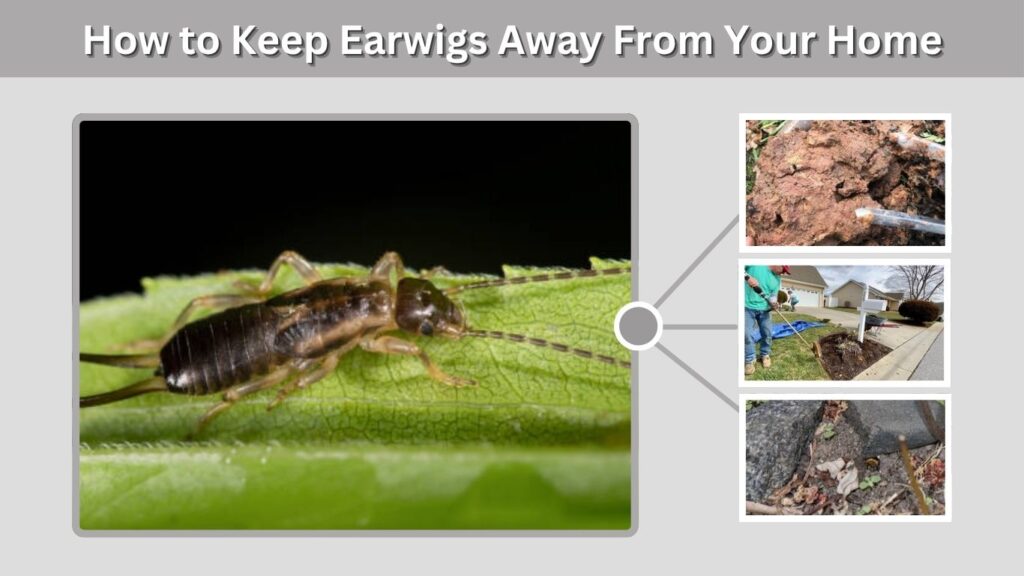
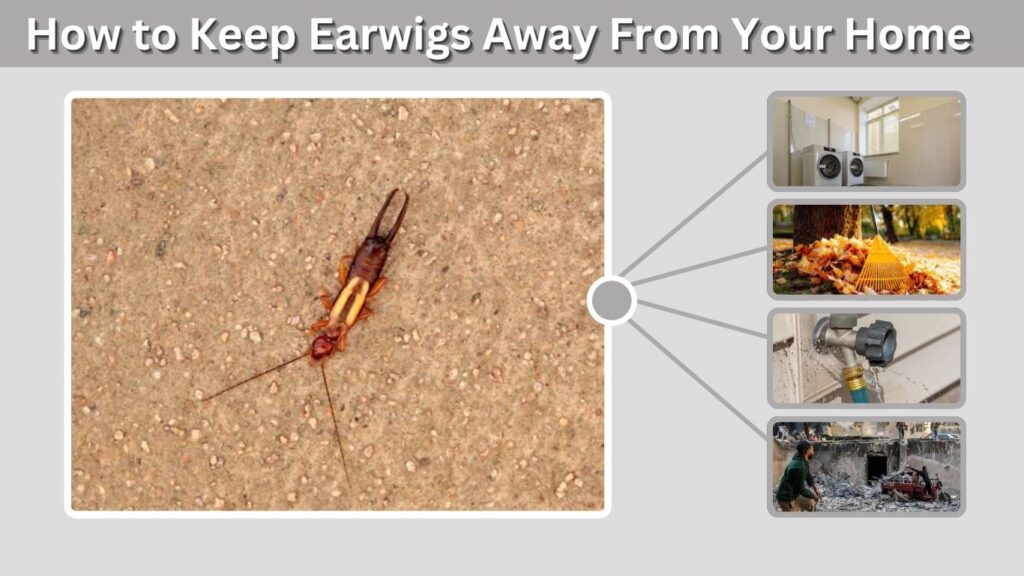
The best way to reduce earwigs is to make your home and yard less attractive to them. Since they like moisture and hiding places, prevention should focus on dryness, cleanup, and sealing gaps. These steps can reduce earwig activity without relying only on chemical treatments.
Reduce Moisture Around the House
Moisture control is one of the most important parts of earwig prevention. Earwigs are more likely to gather where damp conditions remain for long periods.
- Fix leaky outdoor faucets.
- Improve drainage near the foundation.
- Avoid overwatering garden beds.
- Use bathroom and laundry ventilation.
- Keep basements and crawl spaces dry.
- Move wet items away from exterior walls.
Remove Hiding Places
Earwigs hide in cluttered, covered, and organic materials. Cleaning up these areas can make your yard less inviting.
- Rake leaf piles.
- Thin heavy mulch near the house.
- Move firewood away from walls.
- Remove boards, stones, and debris.
- Keep compost away from entry points.
- Trim dense vegetation near the foundation.
Seal Entry Points
Earwigs can squeeze through small openings. Sealing gaps helps keep them outside.
- Install door sweeps.
- Repair damaged window screens.
- Seal cracks around foundations.
- Close gaps around pipes and utility lines.
- Check weather stripping around doors.
- Keep garage doors closed when possible.
FAQs
Do earwigs crawl in your ears while you sleep?
Earwigs do not normally crawl into ears while people sleep. They are nocturnal insects, but they spend most of their time looking for moisture, shelter, and food. A small insect can accidentally enter an ear in rare cases, but earwigs do not target sleeping people.
Can earwigs live inside your ear?
No, earwigs cannot live inside your ear. The human ear is not their natural habitat, and they do not use it for shelter or reproduction. If any insect gets into your ear, it should be treated as an accidental situation and removed safely.
Do earwigs lay eggs in human ears?
No, earwigs do not lay eggs in human ears. Female earwigs lay eggs in protected outdoor places such as soil chambers or hidden damp areas. The idea that they lay eggs in ears is an old myth, not a real part of their behavior.
Are earwigs harmful to humans?
Earwigs are not usually harmful to humans. They may pinch if handled or trapped, but they are not aggressive and do not feed on people. Most indoor earwig problems are nuisance issues connected to moisture, entry gaps, or outdoor hiding places near the home.
What should I do if a bug gets in my ear?
Stay calm and avoid pushing cotton swabs, tweezers, or sharp objects into the ear. If you feel pain, movement, hearing changes, dizziness, bleeding, or the insect does not come out, seek medical help. A doctor can remove it safely without damaging the ear canal.