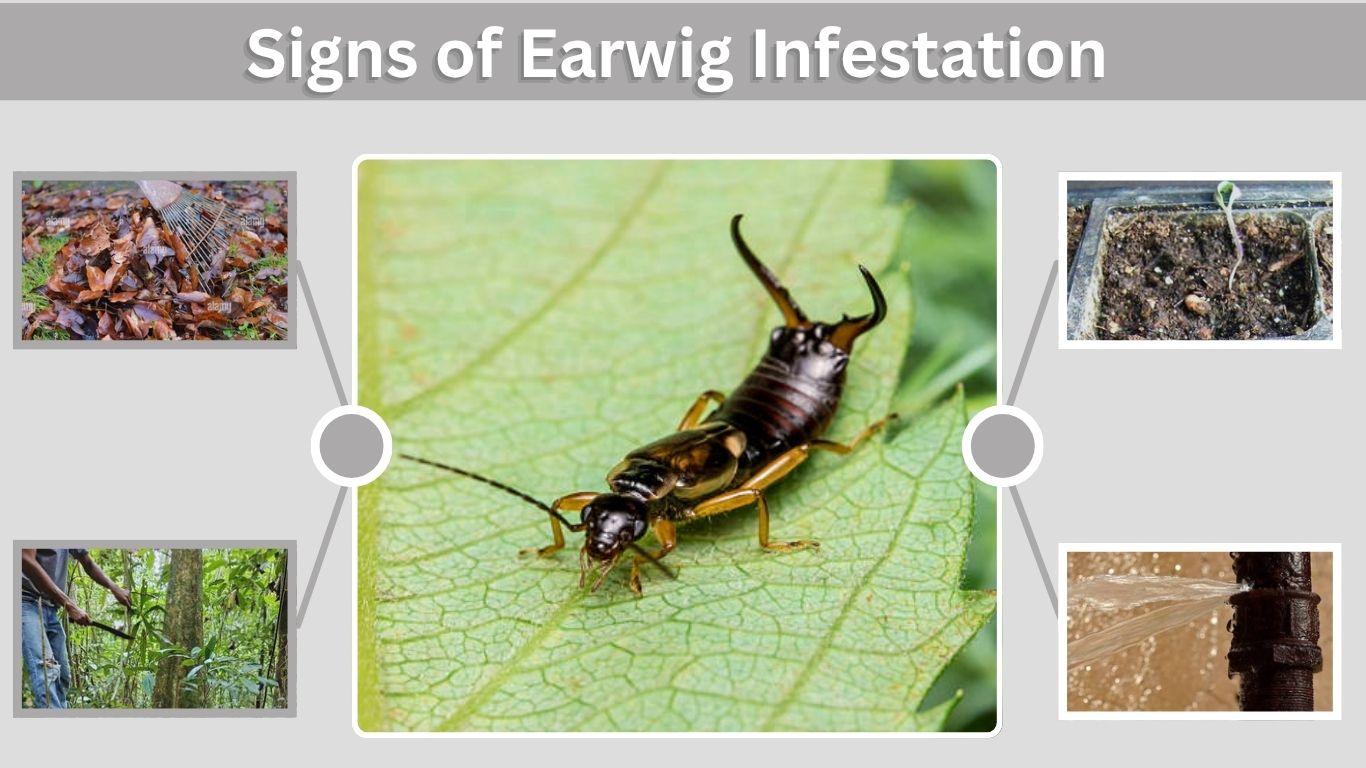
Finding one earwig in your home does not always mean you have an infestation. Earwigs often wander indoors by accident, especially during wet or dry weather. However, repeated sightings, groups hiding in damp areas, and damage to garden plants may point to a larger problem. Knowing the signs can help you act early before earwigs spread around your home, basement, bathroom, yard, or garden. This guide explains what to look for and how to reduce the conditions that attract them.
What Are the Signs of an Earwig Infestation?
Earwig infestations are usually noticed through repeated sightings, damp hiding places, and plant damage rather than obvious nests. These insects are active mostly at night and hide during the day, so you may see signs before you see large numbers. If earwigs keep appearing in the same areas, it may mean they have found moisture, shelter, and easy access.
Frequent Earwig Sightings
The most obvious sign of an earwig infestation is seeing earwigs often. A single earwig in the bathroom or near a door may not be a major concern. But if you find them every day or in multiple areas, there may be a larger population nearby.
Earwigs are commonly seen in bathrooms, basements, kitchens, laundry rooms, garages, crawl spaces, patios, and garden beds. Indoors, they usually move toward damp and dark places. Outdoors, they hide under mulch, pots, stones, boards, and leaf litter.
Groups Hiding in Damp Places
Earwigs like moisture. If you lift a flowerpot, stone, doormat, or garden board and find several earwigs hiding together, that can be a sign of a local infestation. They use these areas for daytime shelter and come out at night to feed.
Groups of earwigs are often found in places such as:
- Under mulch
- Beneath flowerpots
- Below stones or pavers
- Inside leaf piles
- Around compost
- Under outdoor mats
- Near damp soil
- Around foundation edges
Earwigs Appearing at Night
Earwigs are nocturnal, which means they are more active after dark. You may notice them when turning on lights in a bathroom, kitchen, garage, or patio at night. If you see them moving around regularly after sunset, it may mean they are hiding nearby during the day.
Night activity is especially common in gardens. Earwigs may feed on soft leaves, flower petals, seedlings, or damaged fruit while you are not watching. By morning, you may see plant damage even if the insects are already hidden.
Signs of Earwig Infestation in the House
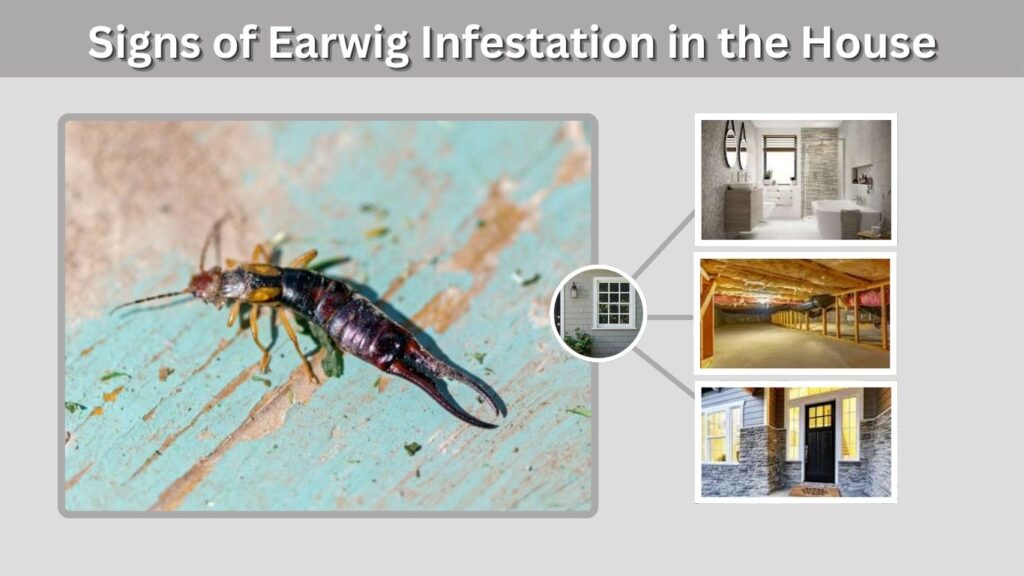
Indoor earwig problems usually happen when outdoor populations are close to the home or when the house has moisture issues. Earwigs do not usually thrive in dry indoor spaces for long. If they keep appearing inside, the home may have damp areas, cracks, gaps, or hidden entry points allowing them to come in repeatedly.
Earwigs in Bathrooms
Bathrooms are one of the most common indoor places to find earwigs. These rooms often provide moisture from sinks, tubs, showers, drains, damp rugs, and poor ventilation. Earwigs may hide behind toilets, under bath mats, near baseboards, or around plumbing gaps.
If you keep seeing earwigs in the bathroom, check for leaks, condensation, and gaps around pipes. Even a small moisture problem can make the area more attractive to them.
Earwigs in Basements and Crawl Spaces
Basements and crawl spaces can be ideal hiding areas for earwigs because they are often dark, cool, and damp. Repeated sightings in these areas may suggest a moisture problem or entry gaps near the foundation.
Earwigs may enter through cracks, vents, gaps under doors, or spaces around utility lines. If the basement has stored cardboard, old boxes, damp wood, or clutter, earwigs may have more places to hide during the day.
Earwigs Near Doors and Windows
Another sign of an earwig problem is finding them near exterior doors, sliding doors, garage doors, or windows. This may mean they are entering from outside through small gaps.
Earwigs can squeeze through narrow openings. Worn weather stripping, damaged screens, foundation cracks, and spaces under doors can all make entry easier. If you see earwigs near these spots often, inspect the area carefully.
Signs of Earwig Infestation in the Garden
Gardens are a natural place for earwigs because they provide moisture, food, and shelter. Earwigs are not always harmful in gardens because they may feed on decaying matter and some small pests. However, when their numbers grow, they can damage tender plants, seedlings, flowers, vegetables, and soft fruits, especially overnight.
Chewed Leaves and Flower Petals
One common garden sign is irregular chewing damage on leaves or flower petals. Earwig damage may look like ragged holes or rough edges. This damage is often noticed in the morning because earwigs feed at night.
They may attack soft plants, young leaves, herbs, ornamental flowers, and vegetable seedlings. However, other pests can cause similar damage, so it is important to inspect hiding places nearby before blaming earwigs.
Damaged Seedlings
Seedlings are more vulnerable because they are soft and easy to chew. If young plants look clipped, eaten, or damaged overnight, earwigs may be one possible cause. This is especially true if you find earwigs hiding under nearby mulch, pots, or boards during the day.
Seedling damage can slow plant growth or kill weak plants. If the damage happens repeatedly, check the garden at night with a flashlight to see whether earwigs are active.
Earwigs Around Fruits and Vegetables
Earwigs may feed on soft, damaged, or overripe fruits and vegetables. They may enter cracks, bruises, or holes that were already made by other pests or weather damage. This can make it seem like earwigs caused all the damage, even when they arrived after the fruit was already weakened.
They may be found around strawberries, peaches, tomatoes, lettuce, herbs, and other soft crops. If you find earwigs inside damaged produce, inspect the surrounding soil, mulch, and plant debris.
What Attracts Earwigs to Your Home?

Earwigs are usually attracted by moisture, shelter, food, and easy entry points. If your home or yard provides these conditions, earwigs may gather nearby and eventually move indoors. Understanding what attracts them is important because removing those conditions can reduce the problem more effectively than simply killing the insects you see.
Moisture Problems
Moisture is one of the biggest reasons earwigs appear around homes. They can dry out easily, so they look for damp places where they can hide safely during the day.
Common moisture attractants include:
- Leaky pipes
- Damp basements
- Humid bathrooms
- Wet mulch
- Poor drainage
- Overwatered gardens
- Condensation around windows
- Wet crawl spaces
- Standing water near the foundation
Outdoor Hiding Places
Earwigs like tight, dark spaces where they can stay hidden. If your yard has many hiding spots close to the house, earwigs may gather there and later move indoors.
Common outdoor hiding places include:
- Leaf piles
- Firewood stacks
- Compost piles
- Thick mulch
- Garden boards
- Stones and pavers
- Dense vegetation
- Outdoor clutter
- Flowerpots near walls
Easy Entry Points
Earwigs may enter homes through cracks and gaps around the exterior. They do not need a large opening. Small spaces under doors, around windows, near vents, or along the foundation can be enough.
If earwigs keep showing up indoors, sealing entry points is important. Look closely around door frames, window screens, garage doors, basement windows, utility pipes, and foundation cracks.
Earwig Infestation Signs: House vs Garden
The signs of an earwig infestation can look different depending on where the insects are active. In the house, the main clues are repeated sightings, damp rooms, and entry points. In the garden, the signs often include plant damage, earwigs hiding under objects, and nighttime feeding activity around mulch or soil.
Comparison Table
| Area | Common Signs | What It May Mean |
| Bathroom | Earwigs near tubs, drains, or damp rugs | High humidity or moisture problem |
| Basement | Repeated sightings on floors or walls | Damp conditions or foundation gaps |
| Kitchen | Earwigs near sinks or cabinets | Leaks, condensation, or water source |
| Garden | Chewed leaves and damaged flowers | Nighttime feeding activity |
| Mulch beds | Groups hiding during the day | Moist shelter near the home |
| Doorways | Earwigs near thresholds | Entry gaps or outdoor population nearby |
How to Read the Signs
If you only see one or two earwigs, they may have wandered in by accident. But if you see them repeatedly in the same rooms or outdoor areas, the issue may be more serious. The more signs you notice together, the more likely it is that earwigs have found a favorable environment.
For example, earwigs in the bathroom plus damp rugs and pipe gaps may point to an indoor moisture issue. Earwigs in mulch beds plus plant damage may point to a garden population. Earwigs near doors may suggest they are coming from outside.
Are Earwigs a Serious Infestation Problem?
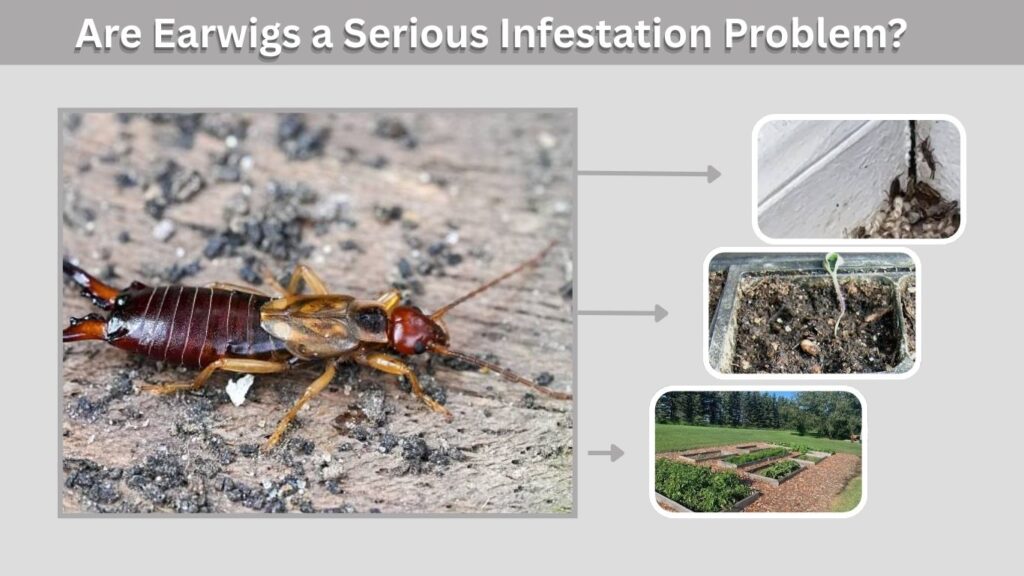
Earwigs are usually considered nuisance pests indoors, but they can still become frustrating when they appear in large numbers. They do not cause the same structural damage as termites, and they are not known as major disease-spreading pests. However, they can signal moisture problems and may damage garden plants when populations are high.
When It Is a Minor Problem
A few earwigs indoors may not mean you have an infestation. They often enter homes accidentally during weather changes. Heavy rain, drought, heat, or cooler temperatures can push them toward buildings.
If you see only one or two earwigs and do not notice plant damage or repeated indoor activity, the problem may be minor. Removing the insects and checking entry points may be enough.
When It May Be an Infestation
An earwig issue may be more serious when the signs keep happening over time. Look for patterns rather than one-time sightings.
Possible infestation signs include:
- Earwigs appearing daily
- Earwigs found in multiple rooms
- Groups hiding under outdoor objects
- Repeated damage to seedlings
- Earwigs near the foundation
- Earwigs in bathrooms or basements often
- Large numbers in mulch or garden beds
- Activity continuing after cleanup
When to Consider Pest Control
You may need pest control help if earwigs keep returning after you reduce moisture, clean up debris, and seal gaps. Professional help may also be useful when large numbers are appearing indoors or when garden damage continues despite prevention steps.
A pest control professional can inspect moisture sources, entry points, and outdoor hiding areas. This can help target the real cause instead of only treating visible insects.
How to Check for Earwigs Around Your Home
Because earwigs hide during the day and move at night, inspection should focus on damp, dark, and sheltered places. A good inspection can help you figure out whether the insects are coming from indoors, outdoors, or the garden. Checking both day and night gives a clearer picture.
Indoor Inspection Areas
Start inside the home where moisture is common. Look behind objects, under mats, near plumbing, and around entry points.
Check these areas:
- Bathrooms
- Basements
- Crawl spaces
- Laundry rooms
- Under sinks
- Around doors
- Around windows
- Garages
- Damp storage areas
- Utility rooms
Outdoor Inspection Areas
Next, inspect the yard and garden. Earwigs often hide close to the ground during the day. Carefully lift objects and check underneath.
Look around:
- Mulch beds
- Flowerpots
- Leaf piles
- Compost areas
- Firewood stacks
- Foundation edges
- Garden boards
- Stones and pavers
- Dense ground cover
- Outdoor mats
Best Time to Inspect
The best time to look for active earwigs is at night. Use a flashlight to check garden beds, patios, foundation edges, and damp outdoor areas. During the day, inspect hiding spots by lifting objects such as pots, stones, or boards.
If you find many earwigs in one area, focus prevention there first. Removing shelter and moisture often reduces the population.
How to Prevent Earwig Infestations
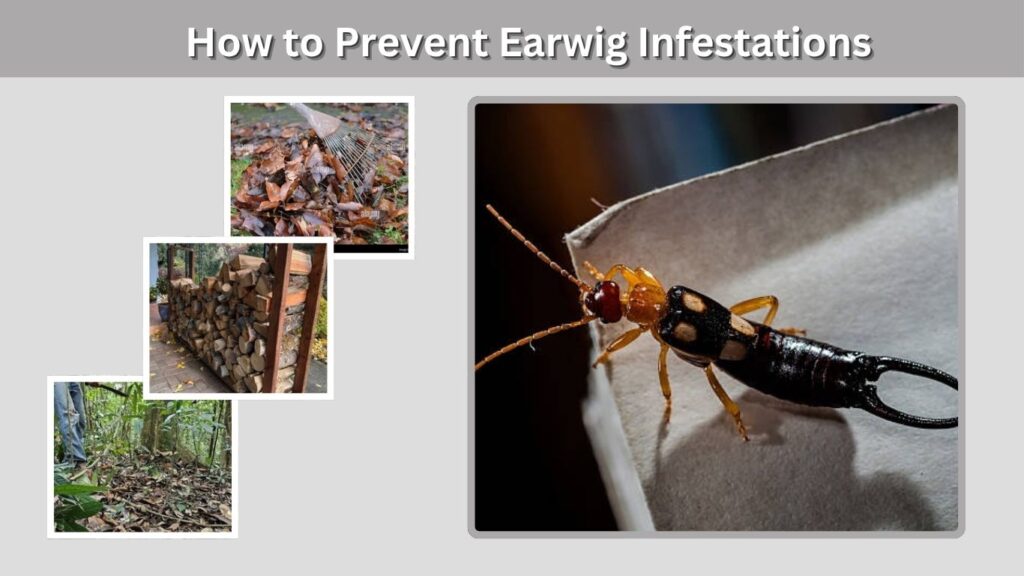
Preventing earwigs is mostly about making your home and yard less attractive to them. Since they prefer moisture and shelter, the best approach is to dry damp areas, remove hiding spots, and block entry points. These steps can reduce both indoor sightings and outdoor populations near the home.
Reduce Moisture
Moisture control is one of the most effective ways to prevent earwigs. Fix leaking pipes, improve drainage, and avoid overwatering plants near the foundation. In damp rooms, use ventilation or a dehumidifier if needed.
Pay special attention to bathrooms, basements, crawl spaces, and laundry rooms. Outdoors, keep gutters clear and make sure water moves away from the house.
Clean Up Outdoor Debris
Removing outdoor hiding places can make your yard less comfortable for earwigs. Focus on the areas closest to doors, windows, and foundation walls.
Helpful cleanup steps include:
- Rake leaf piles
- Thin heavy mulch
- Move firewood away from the house
- Remove boards near walls
- Clear stones and clutter
- Trim dense vegetation
- Keep compost away from entry points
- Store outdoor items off the ground
Seal Gaps and Cracks
Sealing entry points helps keep earwigs outside. Replace worn door sweeps, repair damaged screens, and seal cracks around windows, pipes, vents, and the foundation. Garage doors and basement windows should also be checked.
Even small gaps can allow earwigs to enter. Once moisture and shelter are reduced outside, sealing the home can make a big difference.
FAQs
What is the most common sign of an earwig infestation?
The most common sign is repeated earwig sightings, especially in damp areas such as bathrooms, basements, crawl spaces, mulch beds, and gardens. Seeing one earwig does not always mean infestation, but seeing them often may indicate a larger nearby population.
How do I know if I have earwigs in my house?
You may have earwigs in your house if you keep finding them in bathrooms, basements, laundry rooms, kitchens, or near doors and windows. Repeated sightings usually suggest moisture problems, outdoor hiding places, or small gaps that allow them to enter.
What are signs of earwigs in the garden?
Signs of earwigs in the garden include chewed leaves, damaged seedlings, holes in flower petals, and earwigs hiding under pots, mulch, stones, or boards. Since they feed mostly at night, plant damage may appear before you see the insects.
Why are there so many earwigs around my home?
Large numbers of earwigs are usually linked to moisture, mulch, leaf litter, compost, dense plants, or outdoor clutter. Weather changes can also push them indoors. If they keep appearing, check for damp areas and entry points near your foundation.
Should I worry about an earwig infestation?
Earwigs are usually nuisance pests indoors, but frequent sightings can be annoying and may point to moisture problems. In gardens, large numbers can damage seedlings, flowers, and soft plants. If cleanup and prevention do not work, pest control may be helpful.