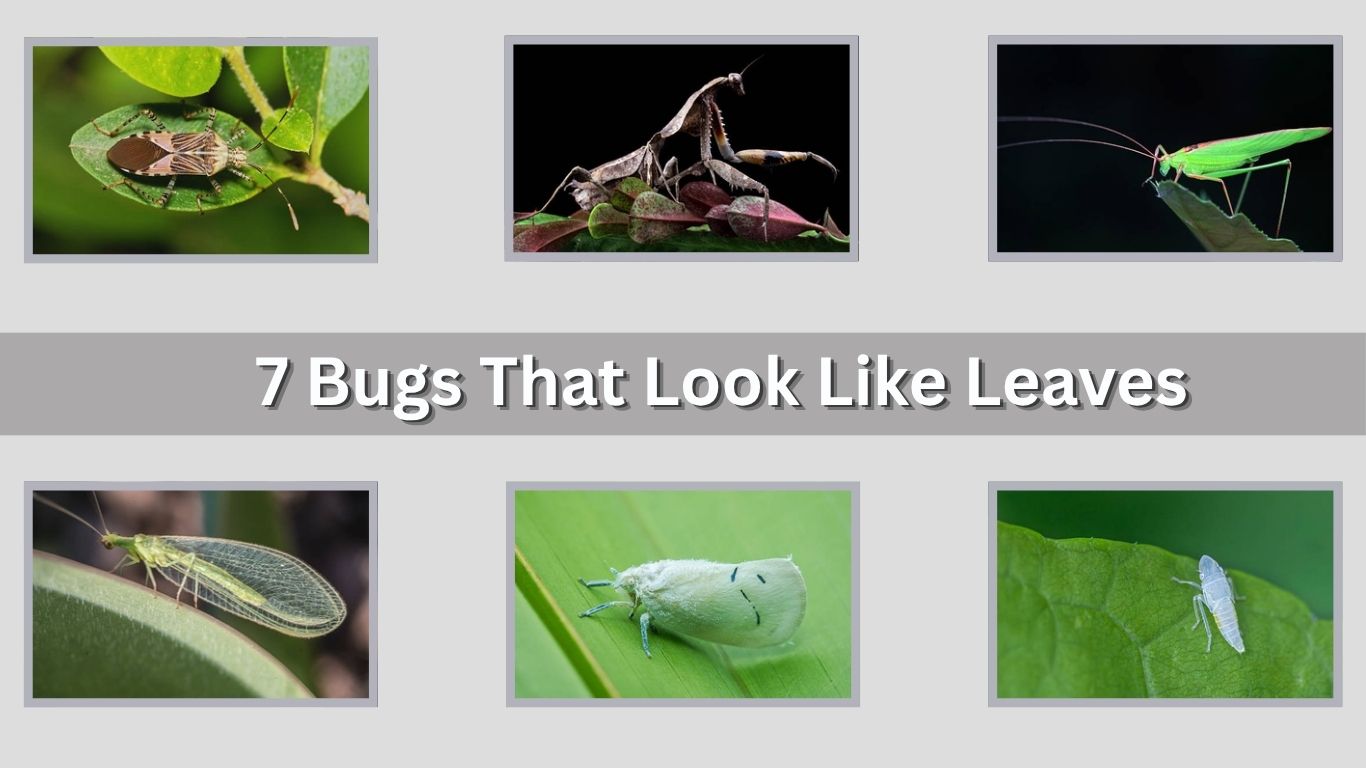
Some bugs look so much like leaves that they can easily fool the human eye. These insects use their leaf-like shapes, colors, wings, and body patterns to hide from predators or sneak up on prey. From katydids to dead leaf mantises, many leaf-looking bugs survive by blending naturally with plants, trees, and dry foliage.
1. Katydid
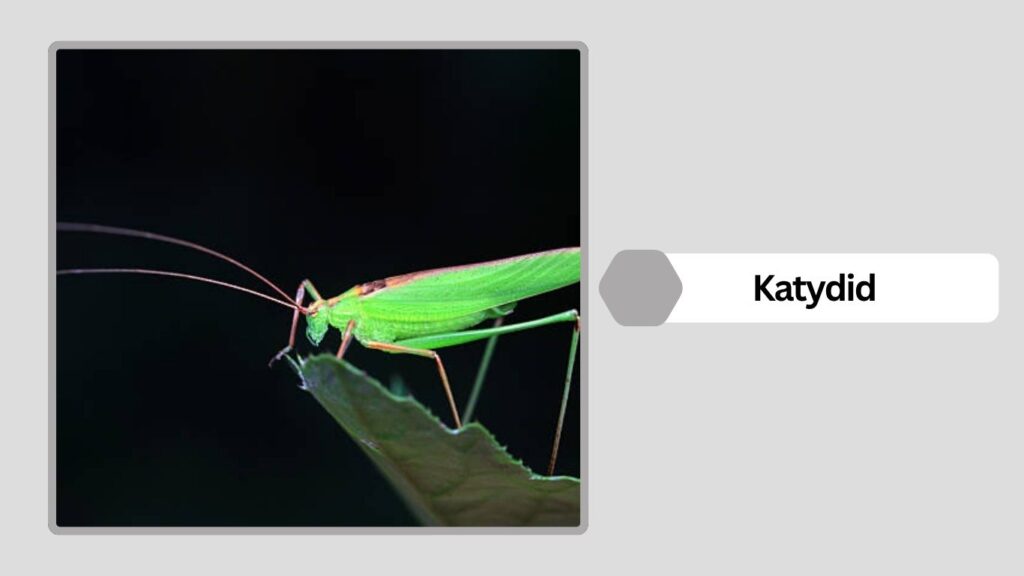
Katydids are one of the most common bugs that look like leaves. Their green bodies, long wings, and sharp leaf-like shape help them blend perfectly with plants. Many people mistake them for a real leaf until they move or jump away.
Identification
- Katydids usually have bright green bodies that resemble fresh leaves.
- Their wings often look like leaf blades, including vein-like patterns.
- They have very long antennae, often longer than their bodies.
- Most katydids have strong back legs for jumping.
- Some species may be brown or yellowish, especially in dry environments.
- Their bodies are usually flat and narrow, which helps them hide among foliage.
Where Katydids Live
Katydids are commonly found in gardens, forests, fields, shrubs, and trees. They prefer areas with plenty of leaves because their bodies are designed for camouflage. During the day, they often stay still on plants to avoid birds and other predators. At night, they become more active and may feed, move, or call to attract mates.
Why Katydids Look Like Leaves
Katydids look like leaves because this appearance helps them survive. Their green color and wing shape make them difficult to notice among plants. This natural disguise protects them from predators such as birds, frogs, spiders, and lizards. Some katydids even have wing patterns that look like leaf veins, torn edges, or spots.
Are Katydids Harmful?
Katydids are usually not harmful to humans. They do not sting, and most are not aggressive. Some may nibble on leaves, flowers, or crops, but they rarely cause serious damage in small numbers. In gardens, they are often considered a normal part of the environment rather than a major pest problem.
2. Leaf Insect
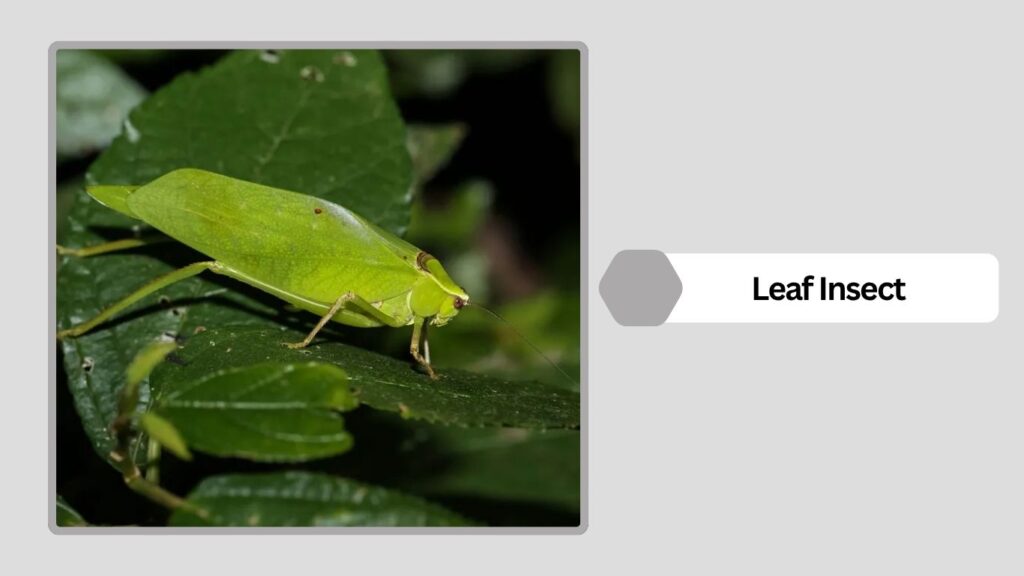
Leaf insects are some of the best examples of bugs that look like leaves. Their bodies are flat, wide, and shaped almost exactly like plant leaves. They use this amazing camouflage to hide from birds, reptiles, and other predators in forests and gardens.
Identification
- Leaf insects have flat, leaf-shaped bodies.
- Their wings often look like real leaves with vein-like patterns.
- Most species are green, but some may appear brown or yellow.
- Their legs can also have leaf-like edges.
- They often move slowly, almost like a leaf swaying in the wind.
- Females are usually broader and more leaf-like than males.
Where Leaf Insects Live
Leaf insects are mostly found in warm, tropical regions. They commonly live in forests, woodlands, and areas with dense vegetation. Because they depend on camouflage, they stay close to leafy plants where their bodies can blend in easily. Many species spend most of their time on branches, stems, and leaves.
Why Leaf Insects Look Like Leaves
Leaf insects look like leaves to protect themselves from predators. Their color, body shape, and wing patterns make them almost invisible among plants. Some species even have brown marks that look like damaged or dried leaf spots. This natural disguise helps them avoid being eaten while they rest or feed.
Are Leaf Insects Harmful?
Leaf insects are not harmful to humans. They do not bite aggressively, sting, or spread disease. They mainly feed on leaves and are usually quiet, slow-moving insects. In large numbers, they may damage plants, but they are not usually considered a serious pest in most home gardens.
3. Leafhopper
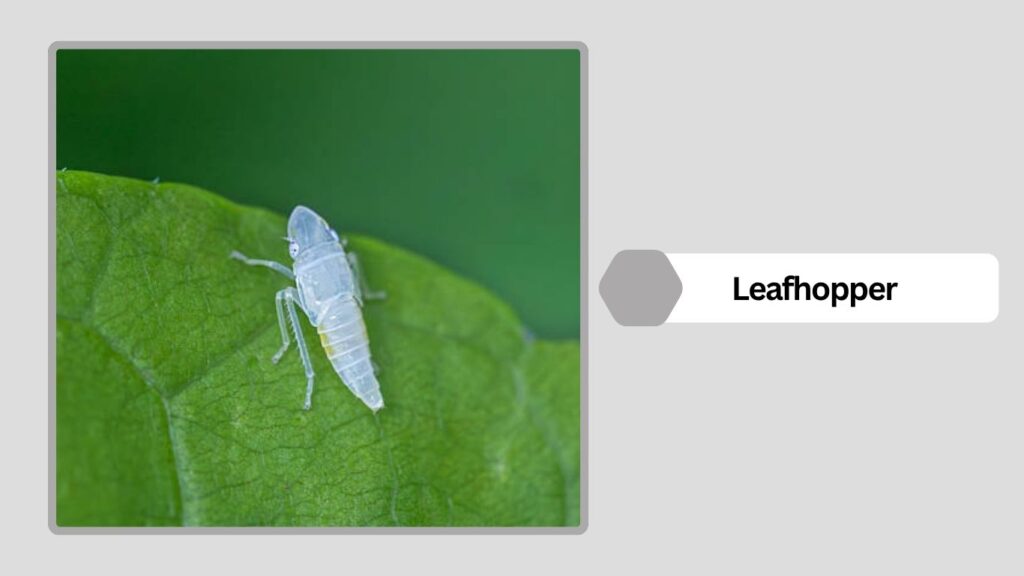
Leafhoppers are small insects that often look like tiny green leaves. Their wedge-shaped bodies, bright green color, and quick movement help them hide on plants. Because they are usually found on leaves and stems, they can be difficult to notice at first glance.
Identification
- Leafhoppers are small, usually less than half an inch long.
- Many species are green, yellow, or brown.
- Their bodies are narrow and wedge-shaped.
- They have wings that fold over the body like a tiny leaf.
- They can jump quickly when disturbed.
- Some species have colorful markings or stripes.
- They are often found on the underside of leaves.
Where Leafhoppers Live
Leafhoppers live in gardens, lawns, farms, shrubs, trees, and grassy areas. They are commonly found wherever plants are growing because they feed on plant sap. Many species prefer the underside of leaves, where they can stay hidden from predators and harsh sunlight.
Why Leafhoppers Look Like Leaves
Leafhoppers look like leaves because their small green bodies help them blend into plants. This camouflage protects them from birds, spiders, and other insects that may eat them. Their shape also helps them rest along leaf veins without being easily seen.
Are Leafhoppers Harmful?
Leafhoppers can be harmful to plants if they appear in large numbers. They suck sap from leaves and may cause yellow spots, curling, or weak plant growth. Some species can also spread plant diseases. However, a few leafhoppers in a garden usually do not cause serious damage.
4. Planthopper
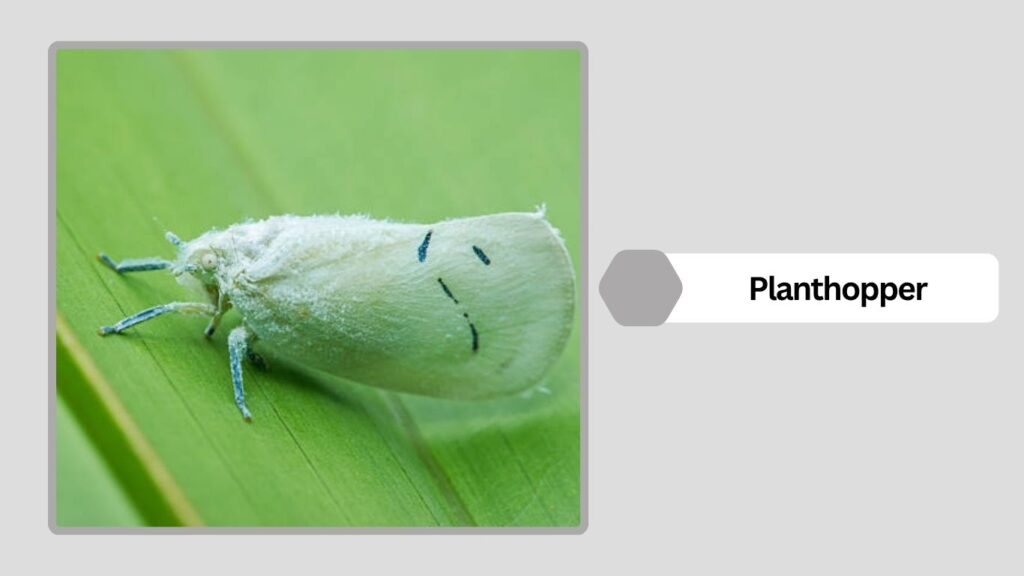
Planthoppers are small insects that can look like leaves, bark, or plant parts. Some species have green bodies, while others have strange shapes that help them blend into stems and foliage. Their unusual appearance makes them one of the most interesting leaf-like bugs.
Identification
- Planthoppers are usually small and plant-colored.
- Some species are green and leaf-like.
- Others may look brown, gray, or bark-like.
- They often have broad wings held like a roof over the body.
- Many can jump suddenly when touched.
- Some young planthoppers produce white, waxy material.
- Their bodies may look triangular or flattened.
Where Planthoppers Live
Planthoppers are commonly found on grasses, shrubs, garden plants, trees, and crops. They usually stay close to the plants they feed on. Many species hide on stems or leaves during the day and move around more when disturbed or while feeding.
Why Planthoppers Look Like Leaves
Planthoppers use their leaf-like or plant-like appearance to avoid predators. Their colors and body shapes help them disappear into the background of leaves, stems, and bark. This makes it harder for birds, spiders, and other predators to spot them.
Are Planthoppers Harmful?
Planthoppers may damage plants by sucking sap from stems and leaves. In small numbers, they are usually not a major problem. However, heavy infestations can weaken plants, cause leaf yellowing, and reduce crop health. Some species may also spread plant diseases.
5. Green Lacewing
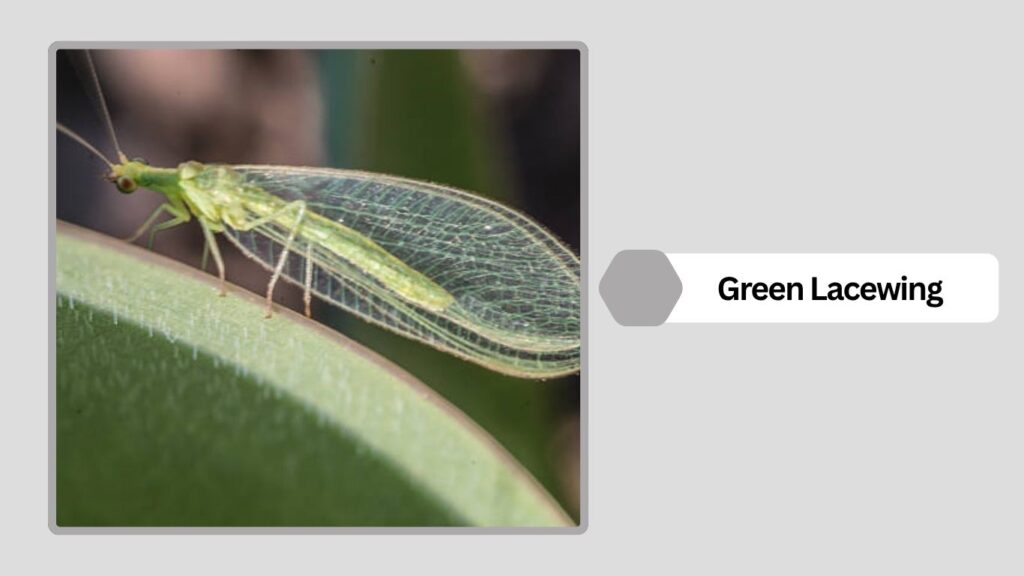
Green lacewings are delicate insects with pale green bodies and transparent wings. At rest, their soft green color can make them look like a small leaf on a plant. They are often considered helpful insects because they feed on common garden pests.
Identification
- Green lacewings have light green bodies.
- Their wings are clear and lace-like.
- They have large, shiny eyes.
- Their bodies are slender and delicate.
- They usually rest with wings folded over the body.
- Adults are often seen near lights at night.
- Their larvae look very different and are more active hunters.
Where Green Lacewings Live
Green lacewings live in gardens, fields, forests, orchards, and areas with flowers or crops. They are often found near plants that attract aphids and other small insects. Adults may rest on leaves during the day and become more active in the evening or at night.
Why Green Lacewings Look Like Leaves
Green lacewings look somewhat like leaves because of their pale green body and resting posture. When they sit quietly on foliage, their color helps them blend into the plant. Their thin wings also add to their delicate, leaf-like appearance.
Are Green Lacewings Harmful?
Green lacewings are not harmful to humans, pets, or most plants. In fact, they are beneficial insects. Their larvae feed on aphids, mites, whiteflies, and other soft-bodied pests. Many gardeners welcome green lacewings because they help control pest populations naturally.
6. Leaf-Footed Bug
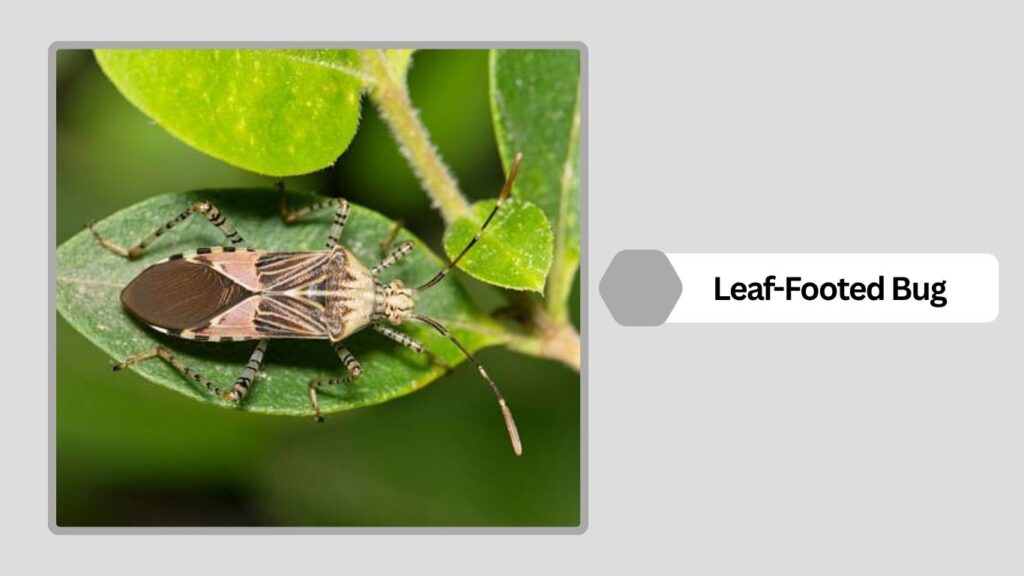
Leaf-footed bugs are named for the leaf-like shapes on their back legs. These insects may not look exactly like full leaves, but their legs and brown bodies help them blend with plants, stems, and dried foliage. They are commonly seen in gardens and farms.
Identification
- Leaf-footed bugs have widened, leaf-like back legs.
- Their bodies are usually brown, gray, or dark-colored.
- They have long antennae.
- Their bodies are narrow and somewhat shield-shaped.
- Some species have pale lines across the wings.
- They can fly but often move slowly on plants.
- They may release an unpleasant odor when disturbed.
Where Leaf-Footed Bugs Live
Leaf-footed bugs are found in gardens, orchards, farms, shrubs, and weedy areas. They often gather on fruits, vegetables, seeds, and plant stems. Warm weather usually increases their activity, and they may be seen feeding on tomatoes, squash, citrus, or beans.
Why Leaf-Footed Bugs Look Like Leaves
Leaf-footed bugs look partly like leaves because of the flat expansions on their hind legs. These shapes help break up their outline and make them harder to notice among plants. Their brown color also helps them blend with stems, bark, and dry leaves.
Are Leaf-Footed Bugs Harmful?
Leaf-footed bugs can be harmful to plants, especially fruits and vegetables. They pierce plant tissue and suck out juices, which may cause spots, deformities, or damaged fruit. A few bugs may not cause much harm, but larger groups can become a garden pest.
7. Dead Leaf Mantis
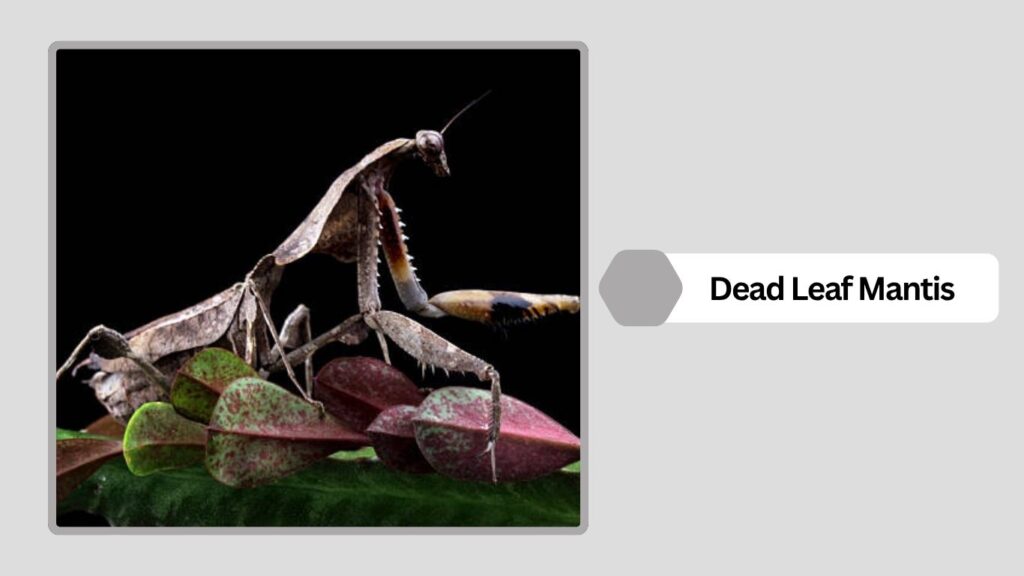
The dead leaf mantis is famous for looking like a dry, curled leaf. Its brown body, uneven edges, and still posture help it disappear among dead leaves and forest debris. This insect uses camouflage both to hide from predators and to surprise its prey.
Identification
- Dead leaf mantises usually have brown, tan, or dark leaf-like bodies.
- Their bodies may look crumpled or curled like dried leaves.
- They have large front legs used for catching prey.
- Their wings may show vein-like patterns.
- They often stay very still for long periods.
- Some have uneven body edges that resemble torn leaves.
- Their head and body shape can look unusual compared to other mantises.
Where Dead Leaf Mantises Live
Dead leaf mantises are usually found in tropical forests and warm habitats with plenty of leaf litter. They spend time on branches, bark, and dry leaves where their bodies blend in naturally. Their camouflage works best in places with brown leaves and shaded vegetation.
Why Dead Leaf Mantises Look Like Leaves
Dead leaf mantises look like leaves because camouflage is essential for hunting and survival. Their dry-leaf appearance helps them hide from birds and other predators. It also allows them to wait quietly until smaller insects come close enough to catch.
Are Dead Leaf Mantises Harmful?
Dead leaf mantises are not harmful to humans. They may bite if handled roughly, but they are not dangerous or venomous. They are predators that feed on flies, moths, crickets, and other small insects. Their main role is helping control insect populations in their habitat.