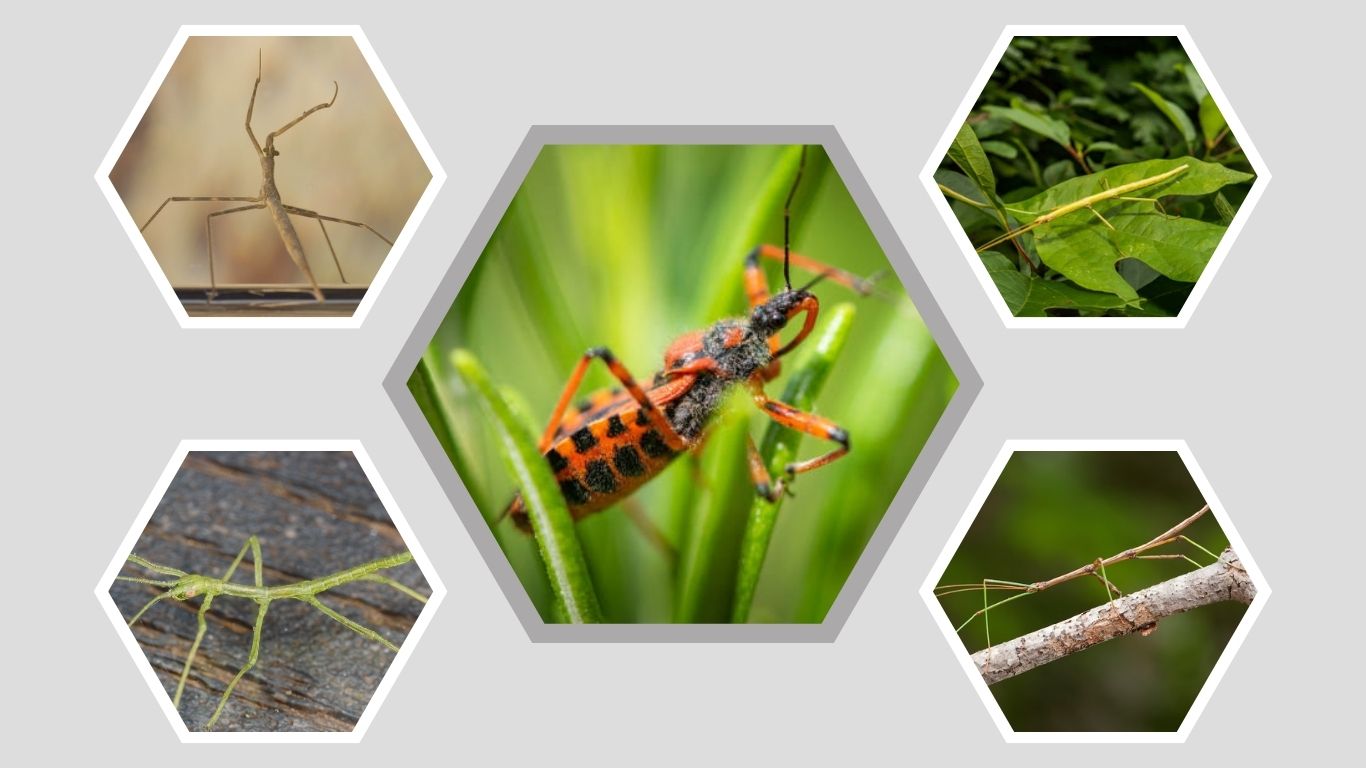
Some bugs look so much like sticks that they can easily disappear among twigs, stems, and branches. These insects use long bodies, thin legs, natural colors, and slow movements to hide from predators. From walking stick insects to water stick insects, many stick-looking bugs survive by blending into plants, trees, and even aquatic vegetation.
1. Walking Stick Insect
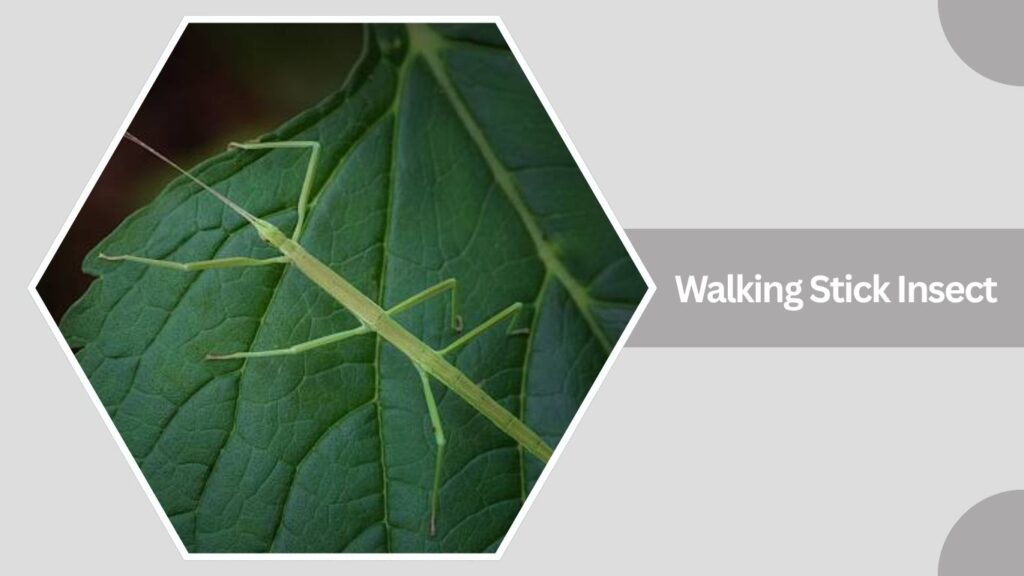
A walking stick insect is one of the most common bugs that looks like a stick. Its long, thin body helps it blend with twigs, stems, and branches. This natural camouflage protects it from birds and other predators.
Identification
- Walking stick insects have long, narrow bodies.
- Their legs are thin and twig-like.
- Most are brown, green, or gray.
- They often stay very still on branches.
- Some species can grow several inches long.
- Their body shape closely resembles a small stick or stem.
Where Walking Stick Insects Live
Walking stick insects are usually found in forests, gardens, shrubs, and wooded areas. They prefer places with plenty of trees and plants because their camouflage works best around branches and leaves. During the day, they often remain still to avoid being noticed.
Why Walking Stick Insects Look Like Sticks
Walking stick insects look like sticks to hide from predators. Their long bodies, thin legs, and slow movements make them almost disappear among twigs. Some even sway gently like a branch moving in the wind, which makes their disguise even more effective.
Are Walking Stick Insects Harmful?
Walking stick insects are not harmful to humans. They do not sting and are usually calm when left alone. They feed mostly on leaves, but they rarely cause serious damage unless they appear in large numbers.
2. Stick Bug
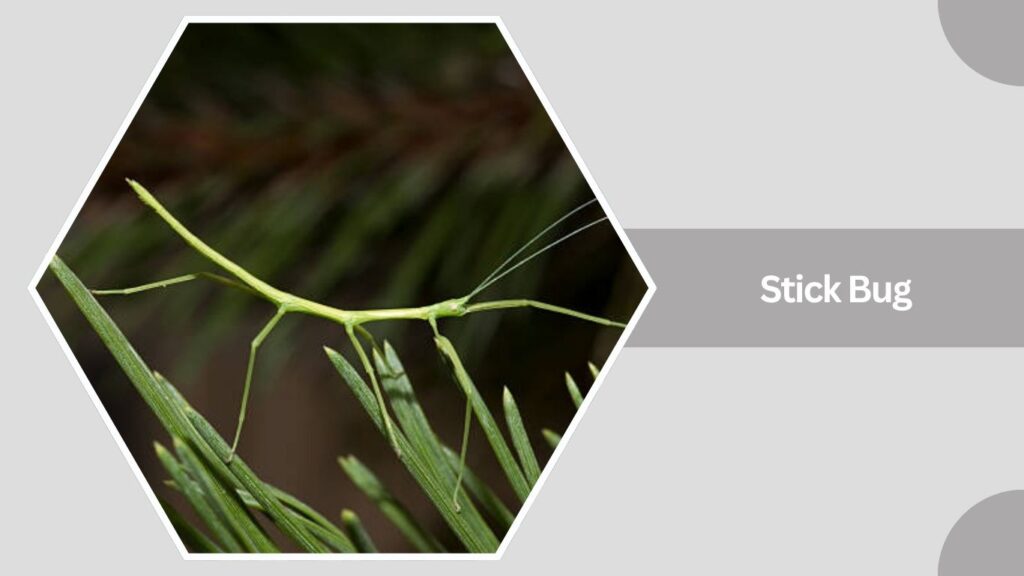
A stick bug is another common name for insects that look like sticks. These insects are famous for their twig-like bodies and quiet behavior. Because they blend so well with plants, many people notice them only when they start moving.
Identification
- Stick bugs have long, slender bodies.
- Their color is usually brown, green, or tan.
- Their legs look like tiny twigs.
- They may hold their legs close to the body when resting.
- Some species have small wings, while others do not.
- They move slowly and carefully on plants.
Where Stick Bugs Live
Stick bugs live in trees, bushes, forests, gardens, and areas with thick vegetation. They spend most of their time on leaves and branches, where they can hide easily. Many species are active at night and rest during the day.
Why Stick Bugs Look Like Sticks
Stick bugs look like sticks because camouflage helps them survive. Their thin bodies and natural colors make them difficult for predators to spot. This disguise allows them to stay hidden while feeding, resting, or avoiding danger.
Are Stick Bugs Harmful?
Stick bugs are generally harmless to people and pets. They do not bite aggressively or spread disease. Some species may eat leaves from garden plants, but most do not become serious pests in home landscapes.
3. Stick Insect
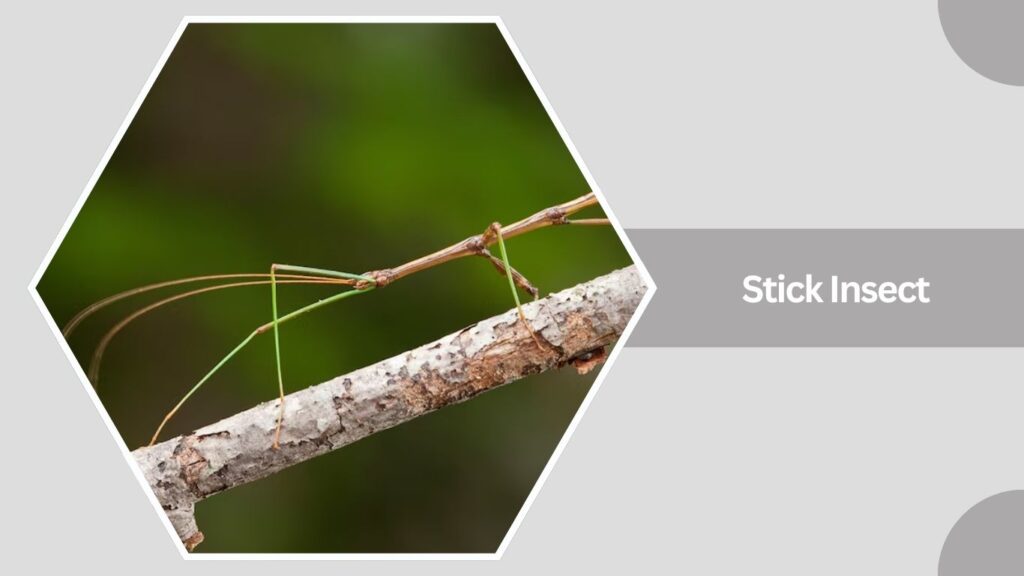
Stick insects are insects with bodies that closely resemble twigs or small branches. They belong to a group of insects known for extreme camouflage. Their shape, color, and behavior all help them stay hidden in plain sight.
Identification
- Stick insects have very long, thin bodies.
- Their legs are also slim and branch-like.
- They may be green, brown, gray, or tan.
- Some species have wings, while others are wingless.
- They often remain motionless for long periods.
- Their bodies may have rough textures like bark or twigs.
Where Stick Insects Live
Stick insects are found in many warm and wooded habitats. They commonly live in forests, gardens, grasslands, and shrub-filled areas. Since they feed on leaves, they usually stay close to plants and trees where food and cover are available.
Why Stick Insects Look Like Sticks
Stick insects look like sticks to avoid being eaten. Their body shape makes them blend naturally with branches and stems. Some species also move very slowly or rock back and forth, making them look like plant parts moving in the breeze.
Are Stick Insects Harmful?
Stick insects are not dangerous to humans. Most species are gentle and do not bite unless handled roughly. They mainly feed on leaves and are usually not a major problem unless their population becomes very high in one area.
4. Two-Striped Walkingstick
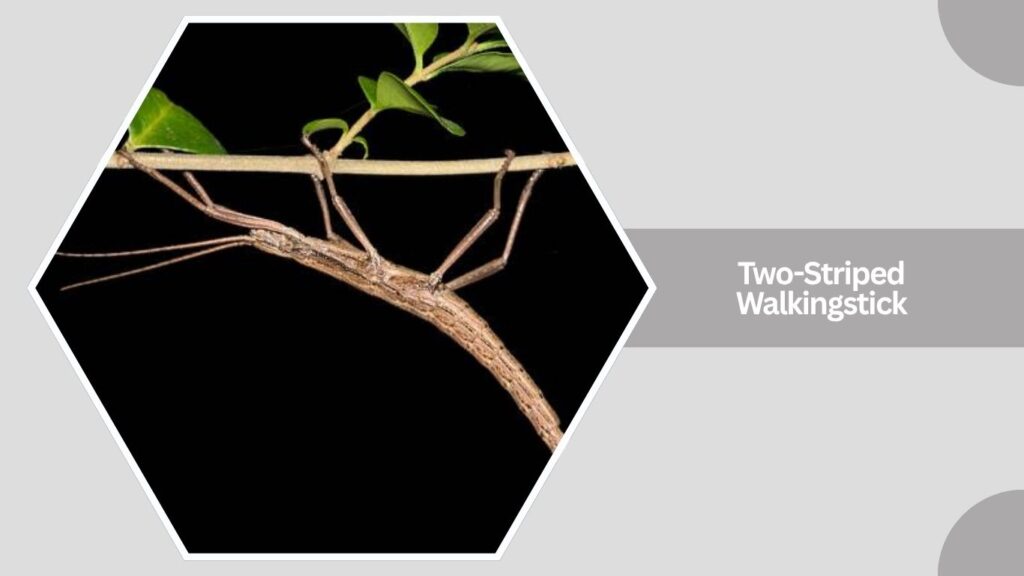
The two-striped walkingstick is a stick-like insect known for its long body and two pale stripes running along its back. It looks like a thin twig but may be easier to recognize because of its markings. This insect is often found in warm, wooded areas.
Identification
- Two-striped walkingsticks have long, slender bodies.
- They often have two light stripes along the back.
- Their color is usually dark brown or blackish.
- They have thin legs that look like small twigs.
- They may raise their body when disturbed.
- Adults are usually larger than many common stick bugs.
Where Two-Striped Walkingsticks Live
Two-striped walkingsticks are commonly found in forests, woodlands, gardens, and areas with shrubs or trees. They often rest on branches and stems where their stick-like shape helps them hide. They are more common in warm regions and may be seen during active seasons.
Why Two-Striped Walkingsticks Look Like Sticks
Two-striped walkingsticks look like sticks because their shape helps them avoid predators. Their long bodies and thin legs blend with branches, while their stripes can break up their outline. This makes them harder to detect among plants.
Are Two-Striped Walkingsticks Harmful?
Two-striped walkingsticks are not usually dangerous, but they should not be handled carelessly. Some can release a defensive spray that may irritate the eyes or skin. They do not attack people, but it is best to observe them without touching them.
5. Northern Walkingstick
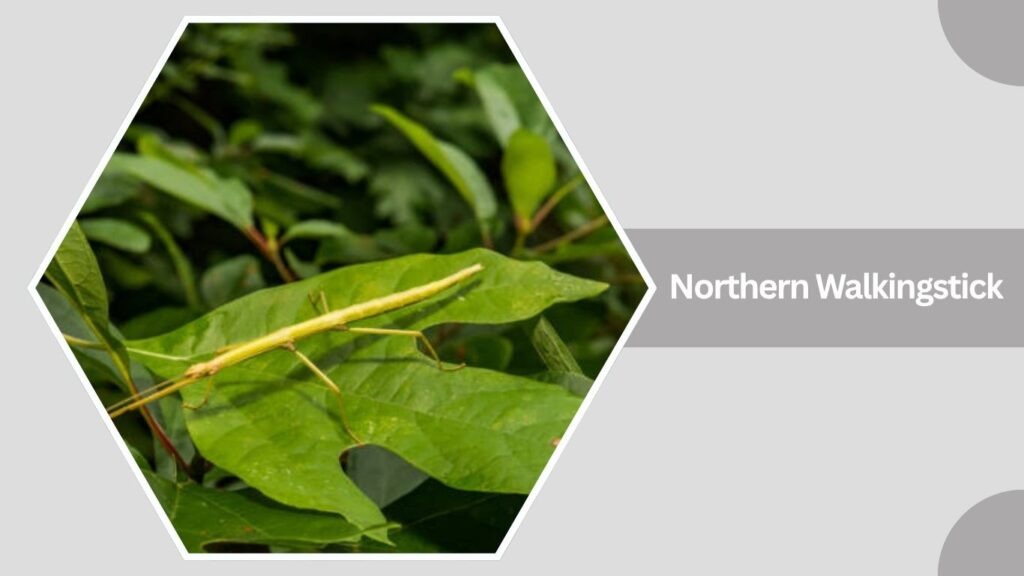
The northern walkingstick is a thin, twig-like insect commonly found in wooded areas. Its long body and stick-shaped legs help it blend with branches and stems. Because it moves slowly and stays still for long periods, it can be very hard to notice.
Identification
- Northern walkingsticks have long, slender bodies.
- Their legs are thin and branch-like.
- They are usually brown, tan, or greenish.
- Males are often smaller and thinner than females.
- They do not have large wings.
- They may remain motionless when disturbed.
Where Northern Walkingsticks Live
Northern walkingsticks are usually found in forests, woodlands, parks, and areas with many trees. They often live on oak, hazel, cherry, and other leafy plants. Their stick-like shape helps them stay hidden on branches while they feed or rest.
Why Northern Walkingsticks Look Like Sticks
Northern walkingsticks look like sticks to protect themselves from predators. Their narrow bodies and natural colors help them blend into twigs and stems. When they stay still, they can look almost exactly like part of a plant.
Are Northern Walkingsticks Harmful?
Northern walkingsticks are not harmful to humans. They do not sting or spread disease. They feed on leaves, and large groups may damage trees in some areas, but a few insects are usually not a serious problem.
6. Giant Walkingstick
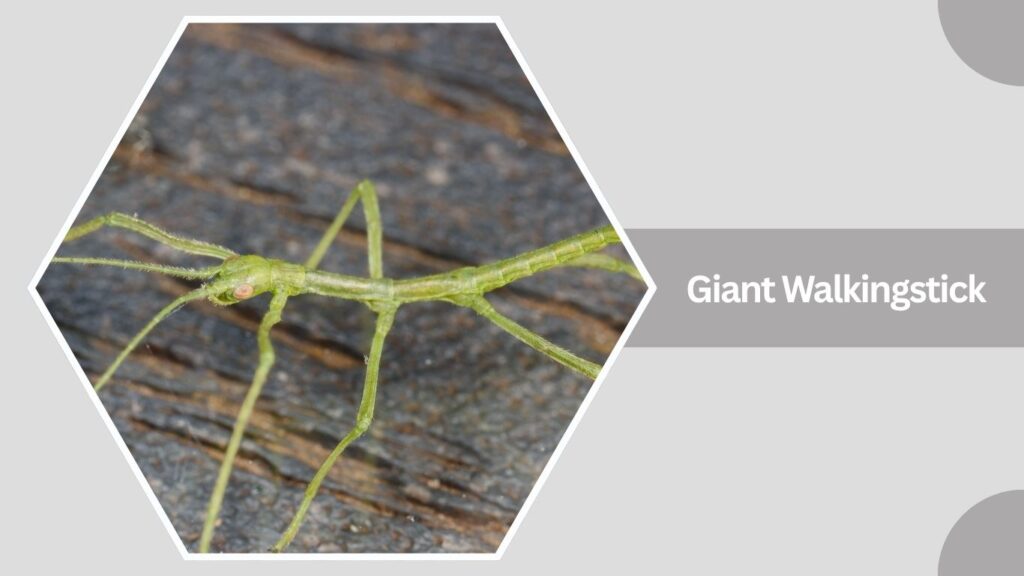
The giant walkingstick is a large stick-like insect with a very long, narrow body. It can look like a moving twig when it walks across branches or plants. Its size makes it more noticeable than smaller stick insects, but its camouflage is still very effective.
Identification
- Giant walkingsticks have very long bodies.
- Their legs are thin and twig-like.
- They are usually brown, tan, or green.
- Some can grow several inches long.
- Their bodies may look smooth or slightly rough.
- They often move slowly like a swaying branch.
Where Giant Walkingsticks Live
Giant walkingsticks are usually found in warm forests, gardens, and areas with shrubs or trees. They spend much of their time among branches and leaves. Their long bodies help them hide in plain sight while they feed on plant material.
Why Giant Walkingsticks Look Like Sticks
Giant walkingsticks look like sticks because their shape helps them avoid being eaten. Their long, narrow bodies match the look of twigs, while their slow movement keeps them from drawing attention. This makes them difficult for birds and other predators to find.
Are Giant Walkingsticks Harmful?
Giant walkingsticks are generally harmless to people. They do not sting and are not aggressive. Like other stick insects, they feed on leaves, but they rarely cause major damage unless many of them gather in one place.
7. Thread-Legged Bug
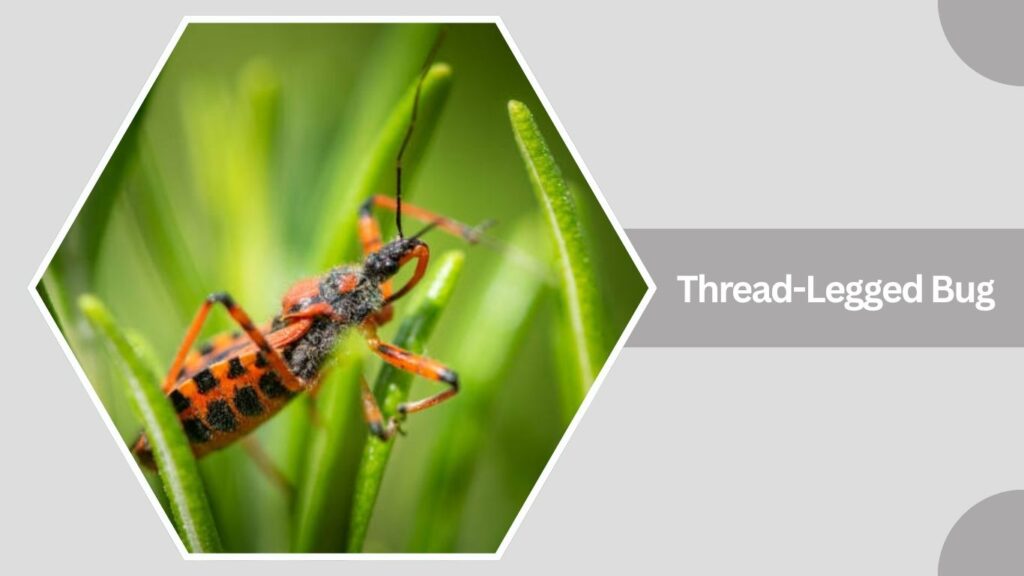
Thread-legged bugs are insects with extremely thin legs and narrow bodies. Some species look like tiny walking sticks because of their delicate shape. They are usually found on plants, walls, or shaded areas where they hunt smaller insects.
Identification
- Thread-legged bugs have very thin, thread-like legs.
- Their bodies are narrow and stick-like.
- They are usually brown, gray, or tan.
- Their front legs may be used to catch prey.
- They move slowly and carefully.
- Some may look like tiny dry stems or plant fibers.
Where Thread-Legged Bugs Live
Thread-legged bugs can be found in gardens, forests, caves, old buildings, and areas with insects to hunt. Some live on vegetation, while others prefer dark or sheltered places. Their thin bodies help them move through tight spaces and blend with their surroundings.
Why Thread-Legged Bugs Look Like Sticks
Thread-legged bugs look like sticks because their thin bodies and legs help them avoid attention. Their shape makes them look like small plant parts, dry fibers, or tiny twigs. This camouflage also helps them sneak up on prey without being noticed.
Are Thread-Legged Bugs Harmful?
Thread-legged bugs are not usually harmful to humans. They are predators that feed on small insects. They do not cause plant damage like leaf-feeding stick insects. Most people can leave them alone because they may help reduce other insect populations.
8. Water Stick Insect
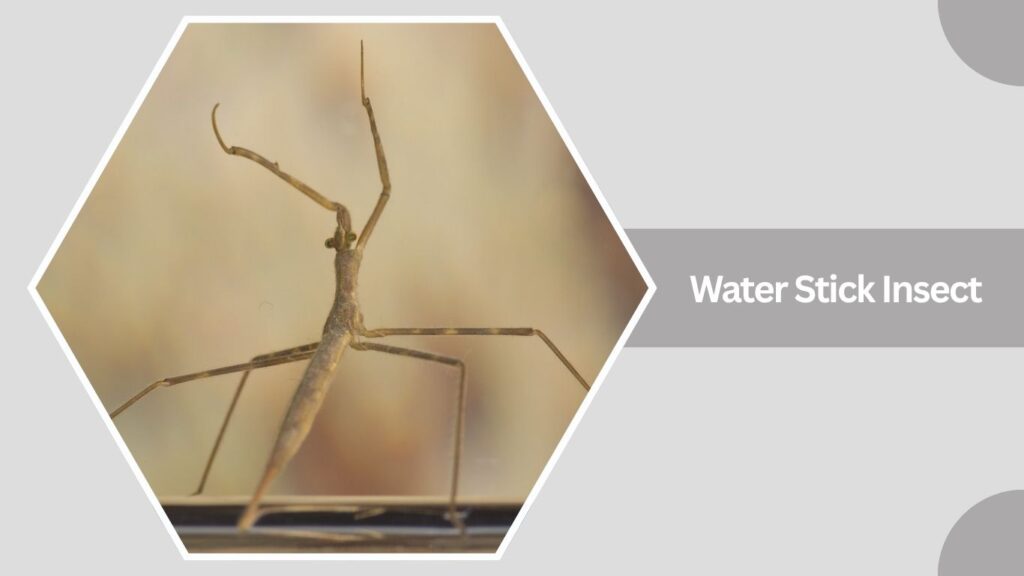
The water stick insect is an aquatic bug that looks like a thin stick floating or resting in water. Its long body and slender legs help it blend with plant stems, reeds, and debris. It is often found in ponds, marshes, and slow-moving water.
Identification
- Water stick insects have long, narrow bodies.
- Their legs are thin and stick-like.
- They are usually brown or grayish.
- They often have a long breathing tube at the end of the body.
- They move slowly in water.
- Their shape helps them resemble plant stems or floating twigs.
Where Water Stick Insects Live
Water stick insects live in ponds, lakes, marshes, ditches, and slow streams. They usually stay near aquatic plants, reeds, and muddy edges. These areas provide both hiding places and access to small aquatic prey.
Why Water Stick Insects Look Like Sticks
Water stick insects look like sticks because this shape helps them hide in water. Their long bodies resemble submerged stems or floating debris. This camouflage protects them from predators and also helps them wait quietly for prey to come close.
Are Water Stick Insects Harmful?
Water stick insects are not dangerous to humans, but they can give a painful bite if handled. They are aquatic predators that feed on small insects, tadpoles, and other tiny water animals. It is best to observe them without picking them up.