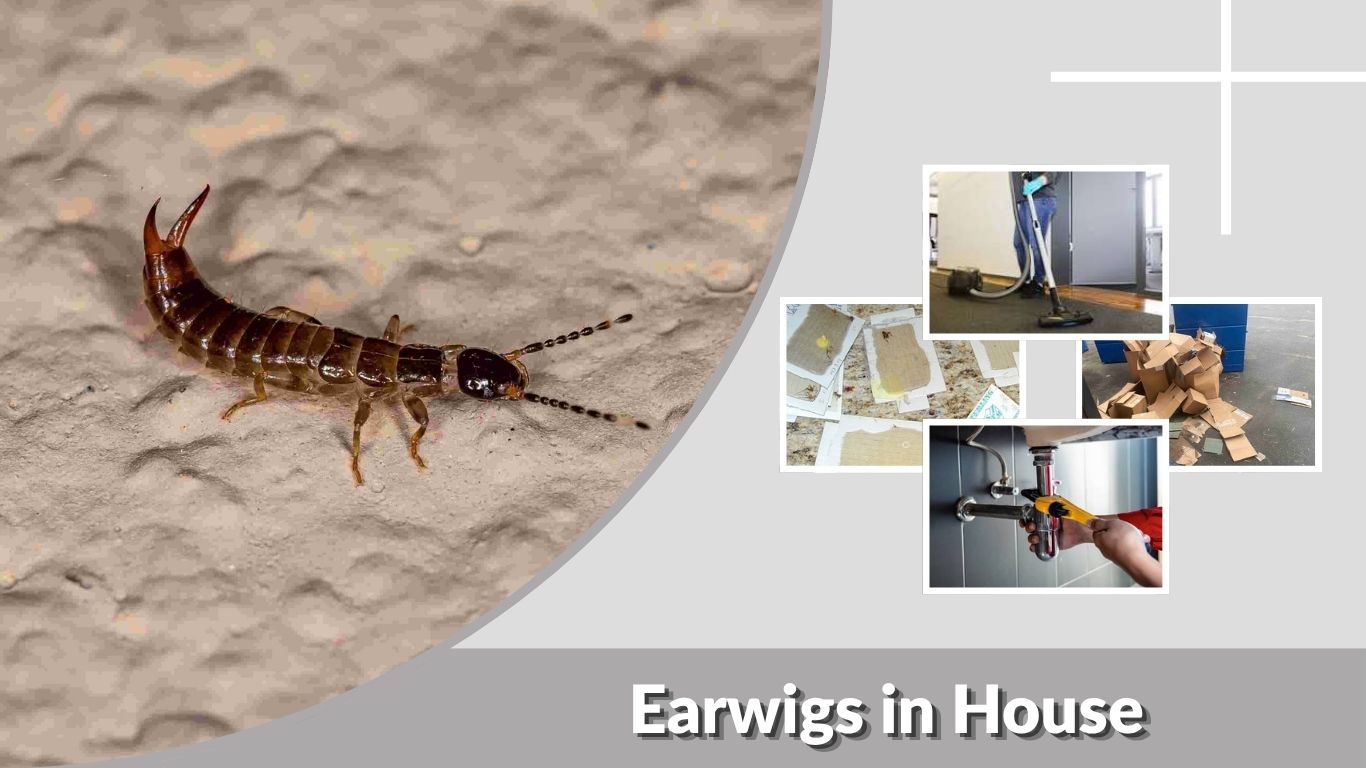
Finding earwigs in your house can be unsettling, especially when they appear suddenly in bathrooms, basements, kitchens, or near doors. Although earwigs look intimidating because of their pincers, they are not usually dangerous to people. Their presence often points to moisture, outdoor hiding spots, or easy entry points around your home. Understanding why they come inside is the first step toward getting rid of them and keeping them out.
Why Are Earwigs in My House?
Earwigs usually enter homes while searching for moisture, shelter, or food. They prefer dark, damp places, so indoor areas with leaks, humidity, or clutter can attract them. A few earwigs inside may not mean you have a major infestation, but frequent sightings can signal that conditions around your home are inviting them in.
Moisture Is the Main Attraction
The most common reason for earwigs in the house is moisture. These insects thrive in damp environments, which is why they are often found in bathrooms, laundry rooms, basements, crawl spaces, and under sinks. If your home has plumbing leaks, poor ventilation, or standing water nearby, earwigs may move indoors.
Outdoor moisture matters too. Wet mulch, clogged gutters, overwatered gardens, and piles of leaves close to the foundation can create ideal hiding places. When outdoor conditions become too wet, dry, hot, or crowded, earwigs may crawl inside through small gaps.
They Enter Through Small Openings
Earwigs do not need a large opening to get indoors. They can squeeze through cracks, gaps, and poorly sealed areas around the home. Common entry points include:
- Gaps under exterior doors
- Cracks around windows and siding
- Openings near utility pipes
- Damaged weatherstripping
- Foundation cracks
- Vents without screens
- Gaps around garage doors
Because earwigs are most active at night, you may not see them entering. Instead, you may discover them in the morning in sinks, tubs, or along baseboards.
Outdoor Conditions Can Push Them Inside
Earwigs normally live outdoors under rocks, mulch, logs, boards, and decaying plant material. However, changes in weather can drive them inside. Heavy rain can flood their hiding spots, while hot and dry weather can push them toward cooler indoor spaces. This is why many homeowners notice earwigs in the house all of a sudden.
Are Earwigs Dangerous in the House?
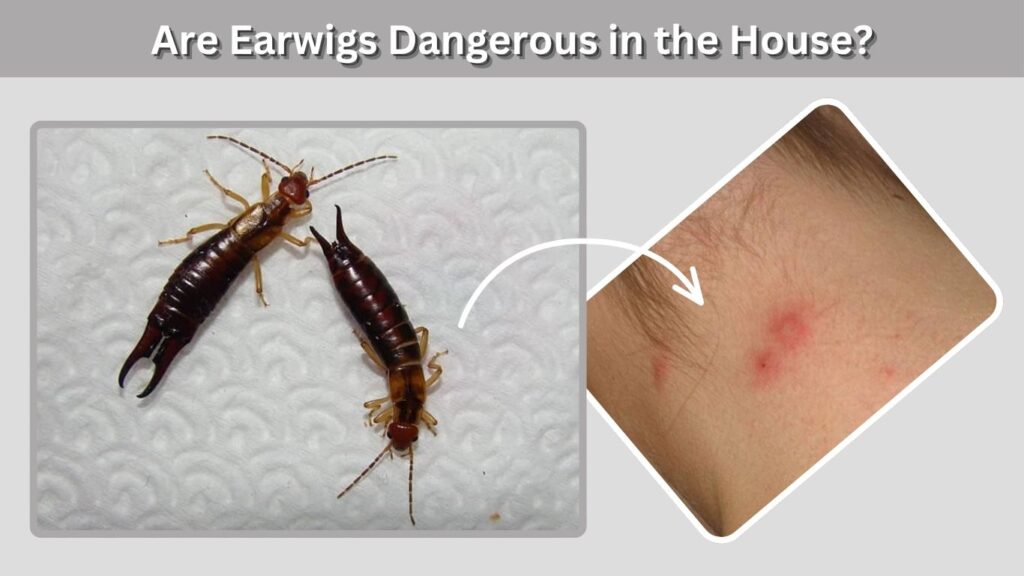
Earwigs may look alarming, but they are not considered a serious threat to people. Their pincers are mostly used for defense and mating. They can pinch if handled, but they do not spread disease in the way some household pests can.
The bigger issue is that earwigs are a nuisance. Seeing many of them indoors can be stressful, and their presence may indicate moisture problems that need attention. In some cases, they may also feed on houseplants, seedlings, or decaying organic material.
| Concern | What It Means |
| Do earwigs bite? | Earwigs do not usually bite people. They may pinch if threatened. |
| Are they poisonous? | No, earwigs are not poisonous. |
| Do they damage homes? | They do not damage wood or structures like termites. |
| Do they mean the house is dirty? | Not necessarily. They are usually linked to moisture and entry points. |
| Should you worry about many earwigs? | Frequent sightings may suggest an outdoor population or damp indoor conditions. |
Signs of an Earwig Infestation in House
One or two earwigs inside does not always mean there is an infestation. However, repeated sightings in multiple rooms may suggest a larger problem nearby. Earwigs are nocturnal, so signs are often noticed after they have been active overnight.
Common Signs to Watch For
You may have an earwig problem if you notice:
- Earwigs appearing regularly in bathrooms, basements, or kitchens
- Multiple earwigs near doors, windows, or garage areas
- Earwigs hiding under damp towels, boxes, or mats
- Damage to houseplants or seedlings
- Earwigs showing up after heavy rain
- A musty or damp area where insects keep appearing
Earwigs often gather where moisture and darkness overlap. If you keep finding them in the same area, inspect nearby plumbing, drains, walls, and entry points.
Where Earwigs Hide Indoors
Inside the home, earwigs prefer quiet, hidden spaces. They may hide under appliances, rugs, cardboard boxes, bathroom mats, laundry piles, or storage bins. In basements and garages, they may gather near floor cracks, drains, clutter, or damp corners.
They are also sometimes found in sinks or bathtubs. This does not always mean they came from the drain. In many cases, they crawl into the fixture and cannot climb back out because the surface is too smooth.
How to Get Rid of Earwigs in House
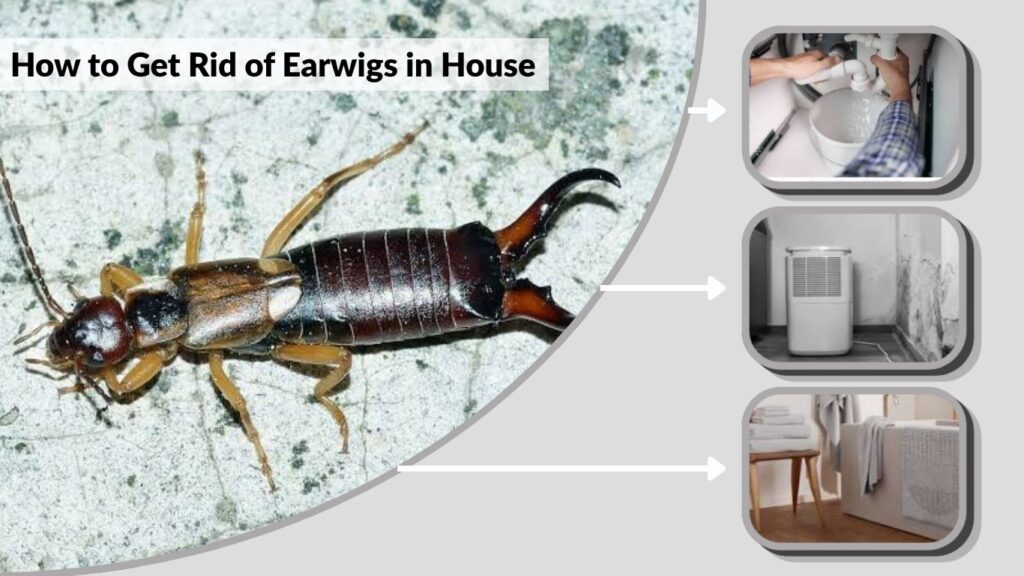
Getting rid of earwigs in the house works best when you combine direct removal, moisture control, and exclusion. Killing the ones you see may help temporarily, but the problem can return if your home still has damp areas or easy entry points.
Remove the Earwigs You See
Start by removing visible earwigs. You can vacuum them up, sweep them into a dustpan, or use sticky traps in areas where they appear often. Empty the vacuum canister or bag outside right away so they do not crawl back out.
For quick control, place sticky traps along baseboards, near doors, under sinks, and in basement corners. These traps help reduce the number of active earwigs and show where they are moving.
Dry Out Damp Areas
Moisture control is one of the most important steps. Earwigs are far less likely to stay in a dry environment. Focus on areas where they are repeatedly found.
Helpful steps include:
- Fix leaking pipes or faucets
- Use a dehumidifier in damp basements
- Run bathroom exhaust fans after showers
- Improve ventilation in crawl spaces
- Dry wet towels, rugs, and mats quickly
- Clean under sinks and around drains
- Remove standing water near appliances
If you solve the moisture issue, you make the space less attractive not only to earwigs but also to other pests.
Seal Entry Points
After reducing indoor earwigs, inspect the outside of your home. Look closely around doors, windows, siding, vents, pipes, and the foundation. Seal small cracks with caulk and repair damaged screens or weatherstripping.
Pay special attention to ground-level entry points. Earwigs often crawl in from soil, mulch, patios, porches, and garage areas. A tight seal around the home can make a major difference.
Use Outdoor Control Methods
Because many indoor earwig problems begin outside, yard maintenance is essential. Move mulch, leaf piles, firewood, and plant debris away from the foundation. Keep the area around your home dry and open so earwigs have fewer hiding places.
You can also reduce outdoor attraction by trimming plants that touch the siding, clearing clogged gutters, and avoiding overwatering near the foundation. If earwigs are heavily concentrated outside, outdoor treatments may be useful, especially around the perimeter.
How to Get Rid of Earwigs in Your House Fast
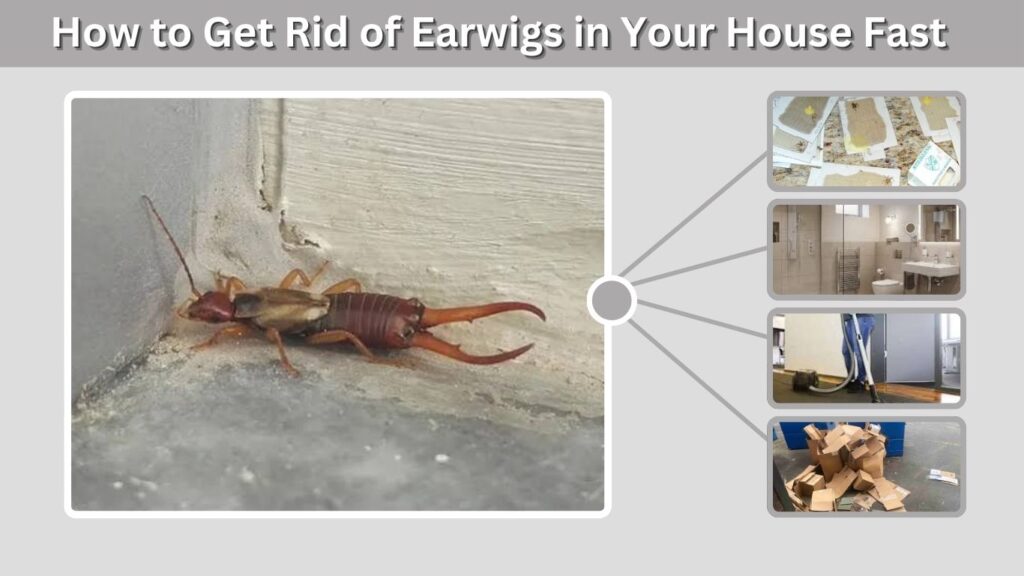
If you need fast results, focus on the places where earwigs are most active. A quick cleanup and trap placement can reduce sightings within a short time, but long-term prevention still requires moisture and entry-point control.
Fast Action Plan
Use this simple process:
- Vacuum visible earwigs immediately.
- Place sticky traps near baseboards, doors, and damp areas.
- Dry out bathrooms, basements, and under-sink spaces.
- Remove clutter where earwigs can hide.
- Seal gaps under doors and around windows.
- Move wet mulch or leaves away from the foundation.
- Check again at night with a flashlight.
This approach works because it targets both the earwigs already inside and the conditions that brought them there.
Natural Ways to Reduce Earwigs
Many homeowners prefer natural control methods before using pesticides. Natural methods can help when the issue is mild or moderate.
Options include:
- Vacuuming regularly in affected areas
- Using sticky traps
- Reducing indoor humidity
- Removing cardboard and damp clutter
- Keeping floors and counters free of food crumbs
- Creating dry barriers around entry points
- Moving outdoor debris away from the home
Some people use oil traps outdoors by placing a shallow container with oil near earwig activity. These traps may catch earwigs in garden or patio areas, but they should be placed carefully where pets and children cannot access them.
How Do Earwigs Get in the House?
Earwigs usually crawl inside from nearby outdoor hiding spots. They may enter accidentally or because indoor conditions offer moisture and shelter. They are not usually trying to nest deep inside walls, but they can survive indoors if the environment stays damp enough.
Common Entry Routes
Earwigs often enter through:
- Door thresholds
- Window gaps
- Basement cracks
- Garage door edges
- Utility openings
- Foundation gaps
- Torn screens
- Vents without proper covers
Homes with heavy landscaping close to the walls may see more earwig activity. Mulch, dense plants, and wet soil near the foundation give earwigs a place to hide before they move indoors.
Can Earwigs Come in Through Drains?
Earwigs are often found in sinks, showers, and tubs, which makes many people think they come from drains. While it is possible for pests to move through plumbing openings in some situations, earwigs usually crawl into these fixtures from the room and then get trapped.
If you keep seeing earwigs in sinks or tubs, inspect the room for gaps, moisture, and hiding places. Look under bath mats, behind toilets, near baseboards, and around plumbing penetrations.
How to Prevent Earwigs in House
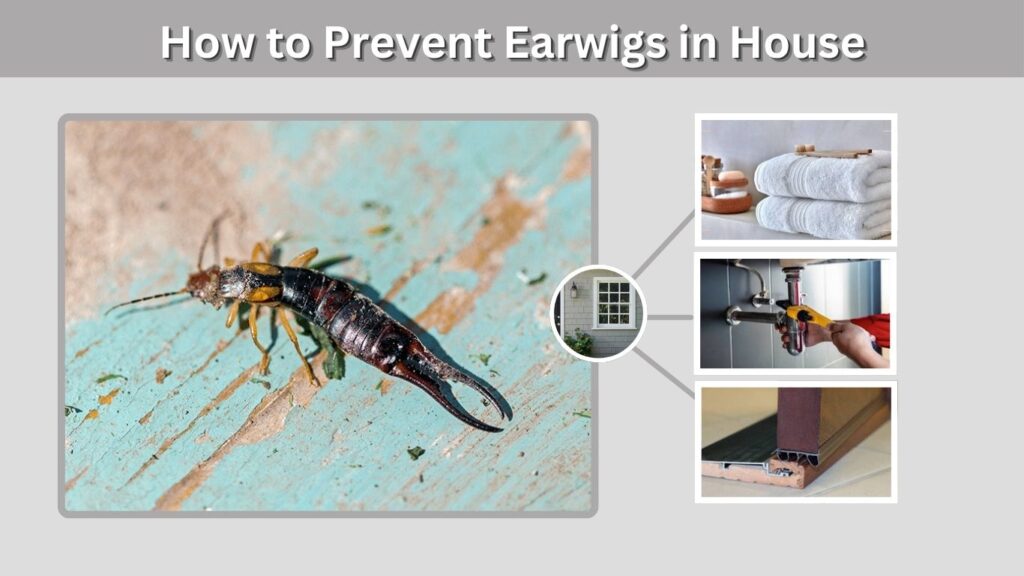
Prevention is the best long-term solution. Once earwigs are removed, your goal is to make the home less inviting and harder to enter. This means keeping the inside dry, sealing openings, and reducing outdoor habitats near the structure.
Indoor Prevention Tips
To prevent earwigs indoors:
- Keep bathrooms and basements dry
- Repair leaks quickly
- Store items in plastic bins instead of cardboard boxes
- Clean up food crumbs and organic debris
- Avoid leaving damp towels or laundry on the floor
- Use door sweeps on exterior doors
- Replace damaged window screens
- Seal cracks around pipes and baseboards
These steps also help prevent other moisture-loving pests.
Outdoor Prevention Tips
Your yard plays a major role in earwig control. If the area around your house is damp and cluttered, earwigs may continue to gather near entry points.
To reduce outdoor populations:
- Keep mulch several inches away from the foundation
- Remove leaf piles and grass clippings
- Store firewood off the ground and away from the house
- Clean gutters regularly
- Avoid overwatering flower beds near the home
- Trim shrubs and plants away from siding
- Improve drainage around the foundation
A dry, clean perimeter makes it harder for earwigs to settle near your house.
When to Call a Professional
You may be able to handle a small earwig problem on your own. However, professional help may be needed if you keep seeing large numbers, if the problem returns after cleaning and sealing, or if you cannot find the source.
A pest control professional can inspect hidden entry points, identify moisture conditions, and apply targeted treatments where needed. This is especially helpful if earwigs are appearing in several rooms or if there are also other pests present.
Professional service may also be worth considering when earwigs are entering from heavy landscaping, crawl spaces, basements, or hard-to-reach exterior areas.
FAQs
Why are there so many earwigs in my house?
Many earwigs in the house usually mean there is moisture, easy access, or a large outdoor population nearby. They may enter through gaps around doors, windows, foundations, or utility lines. Heavy rain, dry weather, wet mulch, and damp basements can all increase indoor sightings.
How do I get rid of earwigs in my house?
Start by vacuuming visible earwigs and placing sticky traps where they appear. Then reduce moisture, fix leaks, remove damp clutter, and seal entry points. For long-term control, clean up outdoor hiding spots such as wet mulch, leaves, boards, and debris near the foundation.
What attracts earwigs inside?
Earwigs are attracted to moisture, darkness, shelter, and organic material. Indoors, they often appear in bathrooms, basements, kitchens, laundry rooms, and under sinks. Outdoors, wet mulch, leaf piles, firewood, dense plants, and clogged gutters can attract them close to the house.
Are earwigs harmful to humans?
Earwigs are not usually harmful to humans. They are not poisonous and do not typically bite. Their pincers can pinch if they are handled or threatened, but they are mainly nuisance pests. The bigger concern is that they may point to moisture problems in or around the home.
How can I stop earwigs from coming back?
To stop earwigs from coming back, keep your home dry, seal cracks and gaps, install door sweeps, repair screens, and reduce outdoor hiding places. Move mulch and debris away from the foundation, improve drainage, clean gutters, and avoid overwatering near exterior walls.