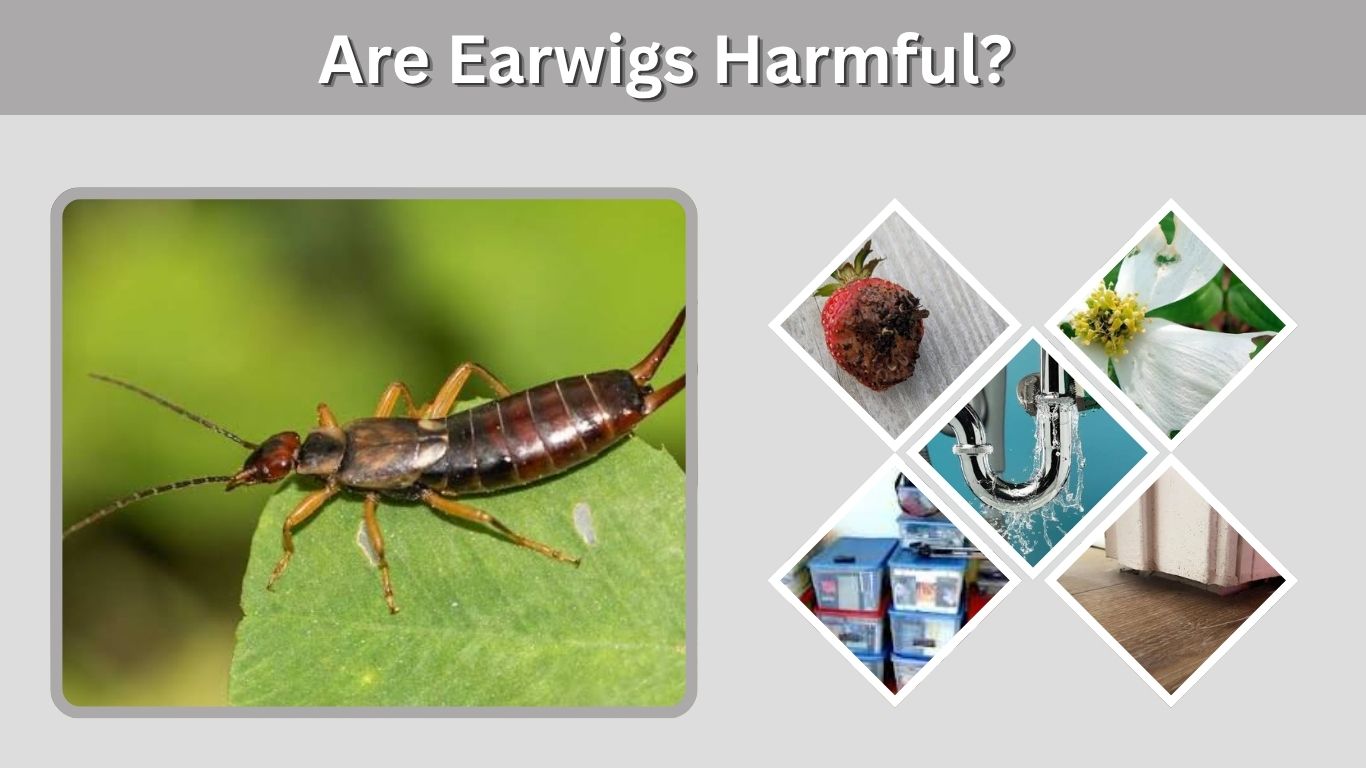
Earwigs look scary because of the pincers on the back of their bodies, but they are usually more unpleasant than dangerous. Many people worry when they find earwigs in the house, garden, pet area, or near children. The truth is that earwigs can pinch, damage some plants, and become a nuisance, but they are not usually harmful to humans, pets, or homes.
Are Earwigs Harmful to Humans?
Earwigs are not considered seriously harmful to humans. They do not spread major diseases, they are not venomous, and they do not crawl into ears to harm people. Their intimidating appearance often makes them seem more dangerous than they really are.
That said, earwigs can still be a nuisance indoors. If handled or pressed against the skin, an earwig may use its pincers defensively. This can cause a small pinch, but it is usually mild and temporary.
Can Earwigs Bite or Pinch People?
Earwigs do not bite people in the same way mosquitoes, fleas, or bed bugs do. They do not feed on human blood. Instead, they may pinch with their forceps when they feel threatened.
An earwig pinch may feel like a quick sting or pressure on the skin. In most cases, it does not break the skin. If it does, the area should be washed with soap and water to reduce the chance of irritation.
Are Earwig Bites Harmful?
The phrase “earwig bite” is commonly used, but most cases are actually pinches. Earwig pinches are rarely harmful. They may cause slight redness, minor swelling, or brief discomfort.
You should monitor the area if the skin is broken. Like any small skin injury, it can become irritated if scratched or left dirty. Serious reactions are uncommon.
Are Earwigs Harmful to Babies or Children?
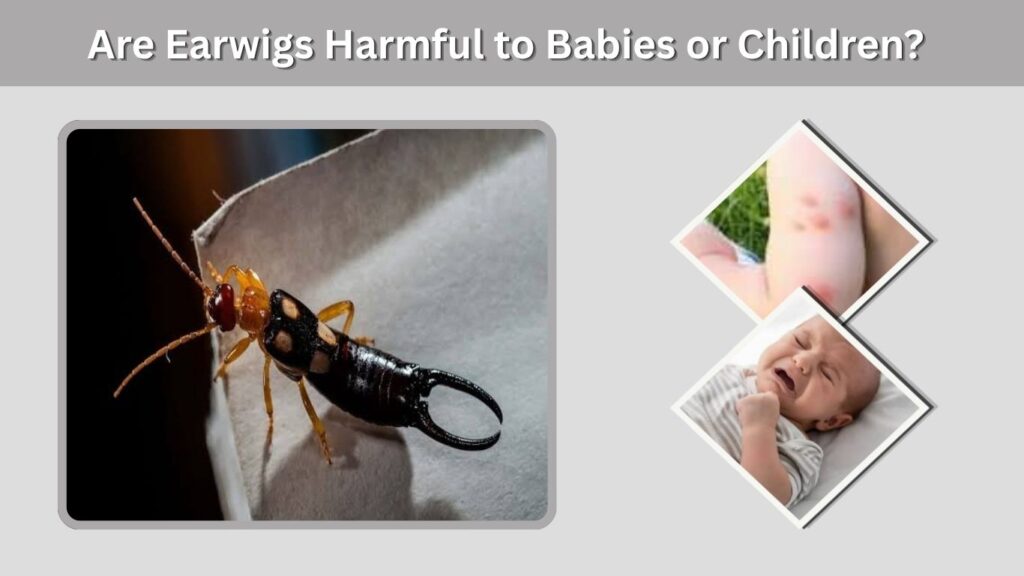
Earwigs are not especially harmful to babies or children, but they should still be kept away from sleeping areas, cribs, toys, and play spaces. A baby’s skin is sensitive, so even a small pinch may cause irritation or distress.
The bigger concern is sanitation and comfort. If earwigs are appearing in a nursery or child’s room, it usually means they are entering through gaps or being attracted by moisture nearby.
What Parents Should Do
If you find earwigs around babies or children, take simple preventive steps:
- Vacuum visible earwigs immediately
- Check windows, doors, and baseboards for gaps
- Keep rooms dry and well ventilated
- Avoid leaving damp towels or laundry on the floor
- Use sealed storage bins instead of cardboard boxes
- Keep cribs and bedding away from walls if pests are active
Avoid spraying strong pesticides around baby areas unless a licensed professional recommends a safe treatment plan.
Are Earwigs Harmful to Pets?
Earwigs are usually not harmful to cats, dogs, rabbits, guinea pigs, or most household pets. If a pet eats one or two earwigs, it will usually not cause serious harm. However, some pets may experience mild stomach upset, drooling, or vomiting if they eat insects.
The pincers may pinch a curious pet’s nose, paw, or mouth, but this is not usually dangerous. Still, frequent earwig activity around pet food, bedding, or cages should be addressed.
| Target | Are Earwigs Harmful? | Main Concern |
| Humans | Usually no | Minor pinching and nuisance |
| Babies | Low risk | Sensitive skin and sanitation |
| Cats | Usually no | Mild stomach upset if eaten |
| Dogs | Usually no | Mouth irritation or vomiting if eaten |
| Rabbits | Usually no | Stress or contamination around cages |
| Guinea pigs | Usually no | Pest activity near bedding or food |
| Plants | Sometimes yes | Chewed leaves, flowers, and seedlings |
| Houses | No structural harm | Moisture issues and indoor nuisance |
Are Earwigs Harmful to Cats?
Earwigs are not poisonous to cats. A cat may chase, bat, or eat an earwig out of curiosity. In most cases, this is not a problem.
However, if your cat eats several insects or shows signs like repeated vomiting, loss of appetite, or unusual behavior, contact a veterinarian. The issue may not be the earwig itself but irritation, pesticide exposure, or another pest.
Are Earwigs Harmful to Dogs?
Earwigs are usually not harmful to dogs. A dog may sniff or eat them, especially if they are moving across the floor. A small number of earwigs is unlikely to cause serious symptoms.
Watch for drooling, pawing at the mouth, vomiting, or signs of discomfort. These symptoms are usually mild, but if they continue, it is best to ask a vet.
Are Earwigs Harmful to Rabbits or Guinea Pigs?
Earwigs are not typically dangerous to rabbits or guinea pigs, but they should not be allowed to live around cages, hutches, bedding, or food bowls. Small pets can become stressed by insects moving through their space.
Earwigs may also be attracted to damp bedding, spilled food, or decaying plant matter. Keeping cages dry and clean is the best way to reduce the risk.
Are Earwigs Harmful to Plants?
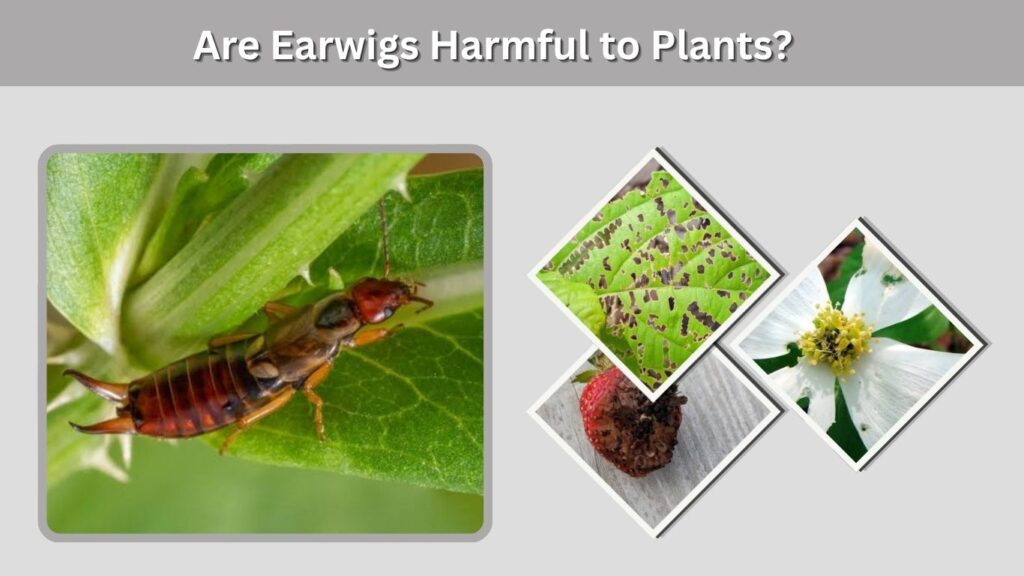
Earwigs can be harmful to plants, especially young seedlings, soft fruits, flowers, and tender leaves. They feed at night, so damage may appear before you see the insect responsible.
In gardens, earwigs often chew irregular holes in leaves and petals. They may damage vegetables, herbs, fruit trees, roses, dahlias, lettuce, strawberries, and young garden plants.
Signs of Earwig Plant Damage
Earwig damage may look similar to damage caused by slugs, caterpillars, or beetles. Look for these signs:
- Ragged holes in leaves
- Chewed flower petals
- Damage that appears overnight
- Earwigs hiding under pots, mulch, or boards
- Seedlings clipped or weakened
- Chewed soft fruit near the soil
- Earwigs found in rolled leaves or dense flowers
To confirm earwigs are the cause, inspect plants at night with a flashlight. You can also place rolled newspaper or cardboard near affected plants and check it in the morning.
Are Earwigs Harmful to Gardens?
Earwigs can be both helpful and harmful in gardens. This is why many people ask whether earwigs are beneficial or harmful. The answer depends on their population and what they are eating.
In small numbers, earwigs can help by feeding on decaying organic matter and some soft-bodied pests. In large numbers, they may damage flowers, vegetables, and fruit.
When Earwigs Are Beneficial
Earwigs may benefit the garden by eating:
- Aphids
- Mites
- Insect eggs
- Dead insects
- Decaying plant material
- Organic debris
This makes them part of the natural cleanup crew in the yard. If you only see a few earwigs and your plants are healthy, they may not need control.
When Earwigs Become Harmful
Earwigs become a problem when they start feeding heavily on living plants. This often happens when populations are high or when tender plants are available.
They are more likely to harm gardens with thick mulch, heavy moisture, dense ground cover, and plenty of hiding places. Overwatered beds and cluttered garden edges can make the problem worse.
Are European Earwigs Harmful?
European earwigs are one of the most common earwig species found around homes and gardens. They are not usually harmful to humans or pets, but they can become a serious nuisance when large numbers move indoors or gather around plants.
In gardens, European earwigs may damage seedlings, flowers, fruits, and vegetables. However, they can also eat certain pests. Their impact depends on the size of the population and the condition of the garden.
European Earwigs in Homes
European earwigs may enter homes during wet weather, dry spells, or seasonal changes. They often appear in basements, bathrooms, kitchens, garages, and laundry rooms.
They do not damage the structure of a house. Instead, they indicate moisture, outdoor hiding spots, or open entry points. If you keep finding them indoors, look for leaks, damp areas, gaps around doors, and mulch against the foundation.
Are Earwigs Harmful to Houses?
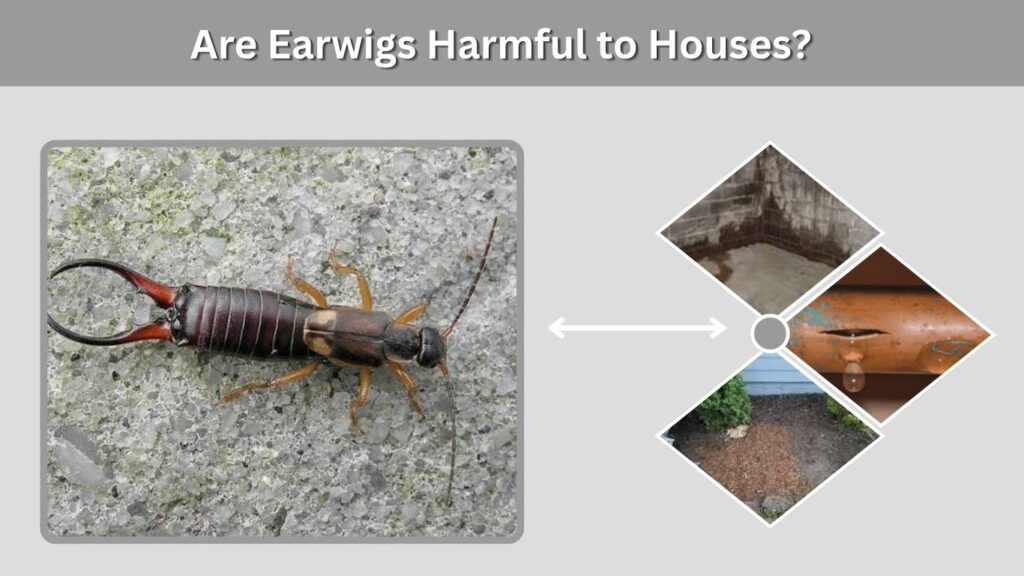
Earwigs are not harmful to houses in the way termites, carpenter ants, or wood-boring beetles are. They do not eat structural wood, damage wiring, or destroy insulation.
However, earwigs in a house can point to other problems. Moisture, leaks, poor drainage, and foundation gaps can attract them indoors. These conditions should be fixed because they may also attract other pests.
Why Earwigs in Homes Matter
Even though earwigs do not damage the house itself, they can still be a warning sign. Repeated sightings may suggest that your home has:
- Damp basement areas
- Leaky plumbing
- Poor bathroom ventilation
- Gaps under doors
- Cracks around windows
- Wet mulch near the foundation
- Cluttered storage areas
- Drainage problems outside
Controlling earwigs often means correcting the conditions that allow them to survive near or inside the home.
How Harmful Are Earwigs Compared to Other Pests?
Earwigs are generally low-risk pests. They are less harmful than cockroaches, mosquitoes, ticks, termites, fleas, or bed bugs. Their main problems are nuisance activity, occasional pinching, and plant damage.
For homeowners, earwigs are more of a moisture and entry-point issue than a health threat. For gardeners, they can be more frustrating because they may damage flowers, vegetables, and seedlings overnight.
Risk Level by Situation
Earwigs are usually low risk when you see only a few indoors. They become a moderate nuisance when they appear frequently in bathrooms, basements, or kitchens. In gardens, the risk can increase if they are damaging plants every night.
The best approach is not panic. Instead, reduce moisture, remove hiding spots, protect plants, and seal entry points.
How to Reduce Earwig Problems Safely
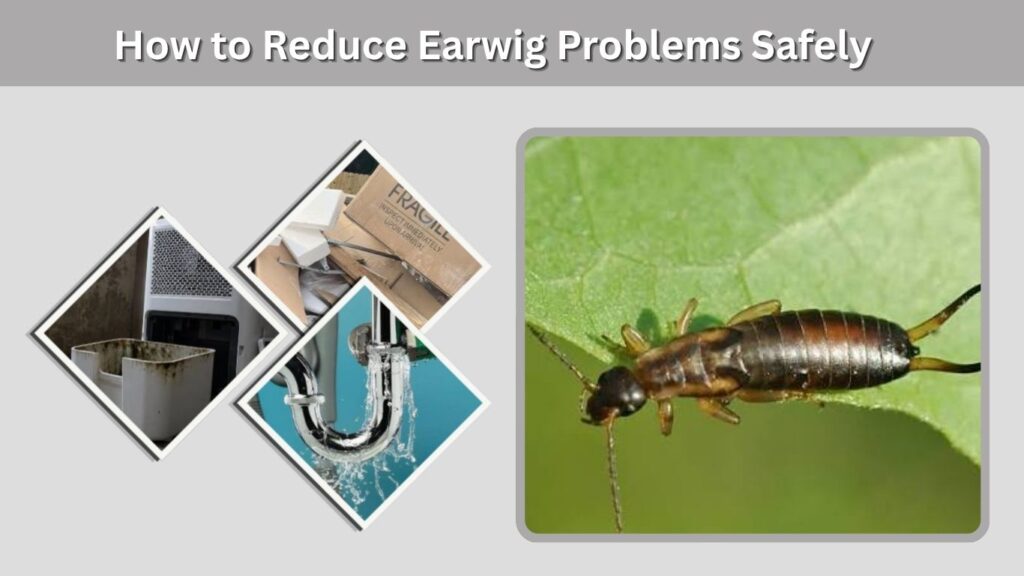
The safest way to manage earwigs is to make your home and garden less attractive to them. Since earwigs like moisture and shelter, drying and cleaning problem areas can make a major difference.
Indoor Control Tips
To reduce earwigs indoors:
- Vacuum earwigs when you see them
- Fix leaks under sinks and around pipes
- Use a dehumidifier in damp basements
- Seal gaps around doors and windows
- Replace damaged weatherstripping
- Store items in plastic containers
- Remove damp cardboard and clutter
- Keep bathrooms ventilated
Avoid crushing earwigs on walls or floors if possible, as this can leave stains or odors. Vacuuming is usually cleaner and easier.
Garden Control Tips
In the garden, focus on reducing hiding places and protecting vulnerable plants. Remove boards, thick leaf litter, and excessive mulch where earwigs hide during the day.
You can also use traps, such as rolled newspaper, cardboard tubes, or shallow oil traps placed near affected plants. Check traps in the morning and dispose of captured earwigs away from the garden.
FAQs
Are earwigs harmful to humans?
Earwigs are not usually harmful to humans. They are not venomous, do not spread major diseases, and do not feed on people. They may pinch if handled or threatened, but the reaction is usually mild. Most indoor earwig problems are nuisance issues linked to moisture or entry points.
Are earwigs harmful to pets?
Earwigs are generally not harmful to pets such as cats, dogs, rabbits, or guinea pigs. If a pet eats one, it usually does not cause serious harm. Mild vomiting, drooling, or mouth irritation can happen. Contact a vet if symptoms continue or if pesticide exposure is possible.
Are earwigs harmful to plants?
Earwigs can be harmful to plants, especially seedlings, flowers, soft fruits, herbs, and vegetables. They often chew ragged holes in leaves and petals at night. However, they may also eat aphids and decaying material, so small numbers can sometimes be beneficial in gardens.
Are European earwigs harmful?
European earwigs are not usually harmful to people or pets, but they can be a nuisance indoors and may damage garden plants. They are common around damp areas, mulch, and dense vegetation. Large populations can chew flowers, vegetables, fruit, and tender seedlings.
Are earwigs harmful to your home?
Earwigs are not structurally harmful to homes. They do not eat wood like termites or damage the building itself. However, frequent earwigs indoors may point to moisture problems, gaps, leaks, or damp outdoor conditions near the foundation that should be corrected.