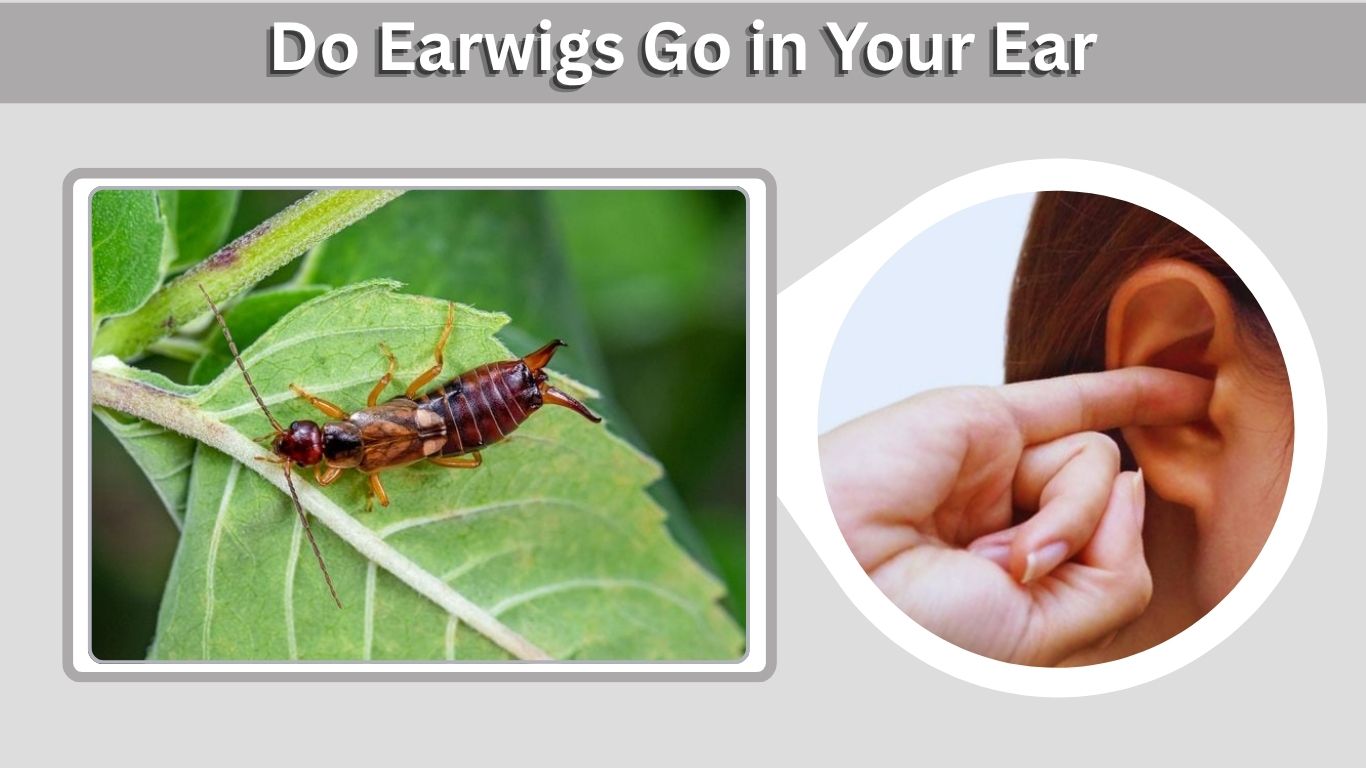
Do earwigs go in your ear, or is it just an old myth? The short answer is that earwigs do not look for human ears, crawl into ears on purpose, or lay eggs inside your head. Like many small insects, one could accidentally enter an ear, but this is rare. Most earwig fears come from their name, pincers, and old stories rather than real danger.
Do Earwigs Really Go in Your Ears?
Earwigs have a scary reputation, mostly because of the old belief that they crawl into people’s ears while they sleep. This myth has been repeated for generations, but it does not match normal earwig behavior.
Earwigs prefer dark, damp, hidden places such as mulch, leaf piles, soil cracks, wood piles, drains, and gaps around foundations. They are not attracted to the human ear, and they do not search for ears as nesting sites.
The Simple Answer
Earwigs can technically crawl into an ear by accident, just like other small insects can. However, this is very uncommon. They do not do it intentionally, and it is not part of their feeding, breeding, or sheltering habits.
Most people who see earwigs around the home find them in bathrooms, basements, kitchens, laundry areas, garages, patios, gardens, or under damp outdoor materials. These places match what earwigs actually want: moisture, darkness, and hiding spots.
Why the Myth Exists
The word “earwig” itself helped create fear. Historically, people believed these insects entered ears and caused harm. Their forceps-like pincers also make them look more dangerous than they are.
In reality, earwigs use their pincers mostly for defense, mating, and handling prey or food. They are not designed to burrow into human ears, chew through the eardrum, or travel into the brain.
Do Earwigs Go in Your Ear When You Sleep?
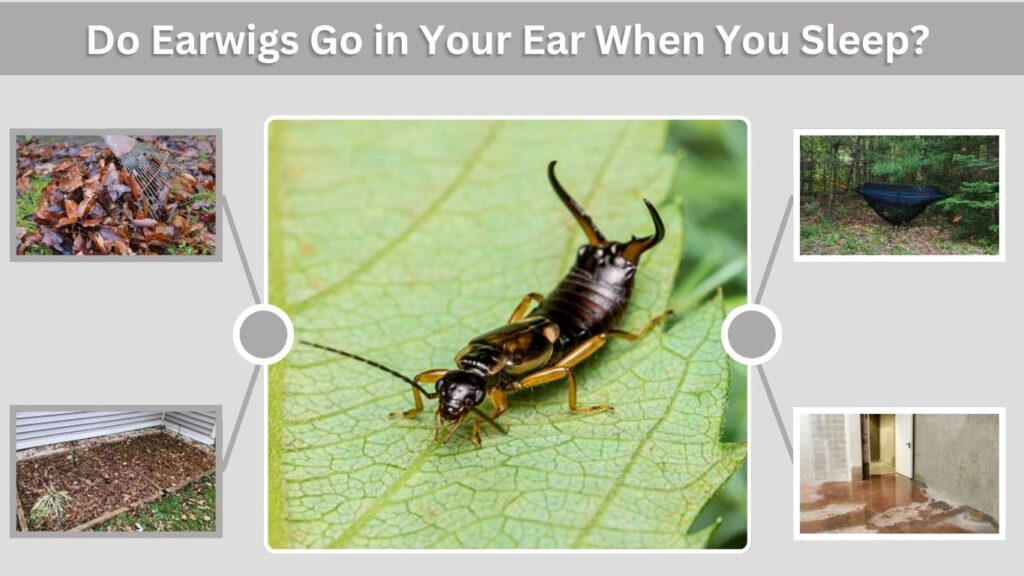
Many people search this question because they worry about earwigs crawling into their ears at night. Earwigs are nocturnal, which means they are more active after dark. That part is true. But being active at night does not mean they are looking for sleeping people.
At night, earwigs usually search for food, moisture, and shelter. Outdoors, they may feed on decaying plant matter, small insects, fungi, flowers, fruit, or tender plant growth. Indoors, they are usually accidental invaders trying to escape dry weather, heavy rain, heat, or cold.
Can It Happen at Night?
It is possible for almost any small crawling insect to accidentally enter an ear while someone is sleeping, especially if the person is sleeping outdoors, camping, or lying near insects. But this is not specific to earwigs.
Earwigs do not have a special attraction to earwax, ears, or sleeping people. If one gets near a person, it is usually because it was exploring the environment, not because it had a reason to enter the ear.
Who Is More Likely to Experience a Bug in the Ear?
The risk is still low, but it may be slightly higher in certain situations:
- Sleeping outdoors or camping without a sealed tent
- Sleeping on the ground or near leaf litter, mulch, or firewood
- Living in a home with many insects inside
- Having damp basements, bathrooms, or entry points around the home
- Working or resting in areas with high insect activity
Even in these cases, an earwig in the ear is unusual. General insect prevention is usually enough to lower the risk.
Do Earwigs Lay Eggs in Your Ears?
No, earwigs do not lay eggs in human ears. This is one of the most common myths connected to earwigs, but it is not how they reproduce.
Female earwigs usually lay eggs in protected soil chambers or hidden damp areas. They show more care for their eggs than many insects, often guarding and cleaning them until they hatch. A human ear is not a normal or suitable place for earwig eggs.
Do Earwigs Eat Your Brain?
No. Earwigs do not eat brains, tunnel through the ear canal, or move from the ear into the skull. The human ear canal ends at the eardrum, and an insect cannot simply crawl through the ear into the brain.
This myth likely grew because the idea of an insect entering the ear feels frightening. But fear does not make it biologically realistic. Earwigs are small nuisance insects, not parasites that target humans.
Can Earwigs Make You Deaf?
An earwig does not have the ability to make you permanently deaf just by being near your ear. However, any insect or object inside the ear canal can cause temporary discomfort, blocked hearing, scratching, irritation, or anxiety.
The real danger usually comes from trying to remove it the wrong way. Using cotton swabs, tweezers, hair pins, or other objects can push the insect deeper or injure the ear canal or eardrum.
What Happens If an Earwig Gets in Your Ear?

If an earwig or any bug gets into your ear, it can feel very uncomfortable. The ear canal is sensitive, so even a tiny insect may feel much larger than it is.
You might feel movement, tickling, pressure, pain, buzzing, scratching, or muffled hearing. Some people panic because the sensation is strange and intense.
| Situation | What It May Mean | What to Do |
| Tickling or movement | A live insect may be in the ear canal | Stay calm and tilt the ear downward |
| Muffled hearing | The insect may be blocking the canal | Avoid putting objects in the ear |
| Pain or bleeding | The ear canal may be scratched | Seek medical help |
| Insect does not come out | It may be stuck or dead | Contact a doctor or urgent care |
| Dizziness or severe pain | Possible deeper irritation or injury | Get medical attention quickly |
What You Should Do First
Stay calm and avoid digging into the ear. Tilt the affected ear downward and gently shake your head. Sometimes gravity can help the insect leave.
If the insect is alive and moving, some medical guidance suggests using oil to immobilize it, but this should only be done when you are sure there is no eardrum injury, ear tube, or active ear infection. When in doubt, it is safer to contact a healthcare professional.
What You Should Not Do
Do not use cotton swabs, tweezers, earbuds, bobby pins, or fingers to dig inside the ear. These can push the insect deeper, cause bleeding, or damage the eardrum.
You should also avoid flushing the ear if you have ear pain, drainage, a history of eardrum problems, ear tubes, or surgery. In those cases, professional care is the safer choice.
Why Do Earwigs Come Inside the House?
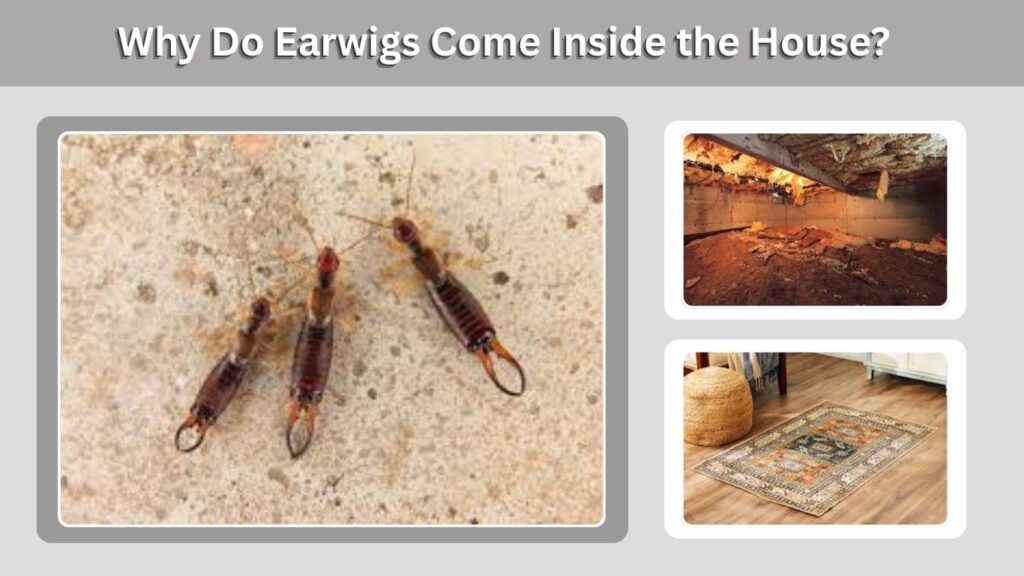
Earwigs enter homes for practical reasons, not because they want to bother people. They are usually searching for moisture, shelter, or a better environment.
They often come indoors during hot, dry weather or after heavy rain. Once inside, they may hide in damp places and come out at night.
Common Indoor Hiding Spots
Earwigs are often found in areas that are dark, damp, or close to outdoor entry points. Common places include:
- Bathrooms, laundry rooms, and basements
- Under sinks or near drains
- Around sliding doors and thresholds
- Garages, crawl spaces, and storage rooms
- Under rugs, boxes, plant pots, or damp towels
Seeing one or two earwigs inside does not always mean you have an infestation. But repeated sightings can mean there is excess moisture or easy access from outside.
Why Earwigs Like Moisture
Earwigs dry out easily, so they prefer humid places. Outdoors, they hide under mulch, stones, boards, logs, and plant debris during the day. Indoors, a damp bathroom or basement can provide a similar shelter.
Reducing moisture is one of the best ways to make your home less attractive to them.
Are Earwigs Dangerous to Humans?
Earwigs are not considered dangerous to humans. They do not spread major diseases, do not inject venom, and do not attack people. Their pincers can pinch if they are handled or trapped against skin, but the pinch is usually mild.
For most homeowners, earwigs are more of a nuisance than a health threat. They may be unpleasant to see indoors, and they can damage some garden plants, but they are not aggressive pests.
Can Earwigs Bite or Pinch?
Earwigs are more likely to pinch than bite. Their pincers are located at the end of the body, and they may use them defensively if they feel threatened.
A pinch may feel sharp and could leave a small mark, but it is usually not serious. Wash the area with soap and water if the skin breaks.
Are European Earwigs Different?
European earwigs are one of the most common types found around homes and gardens in many areas. Despite the name, European earwigs do not have a special habit of entering ears.
They behave like other earwigs: hiding during the day, becoming active at night, and seeking moisture and shelter.
How to Keep Earwigs Away from Your Ears and Home
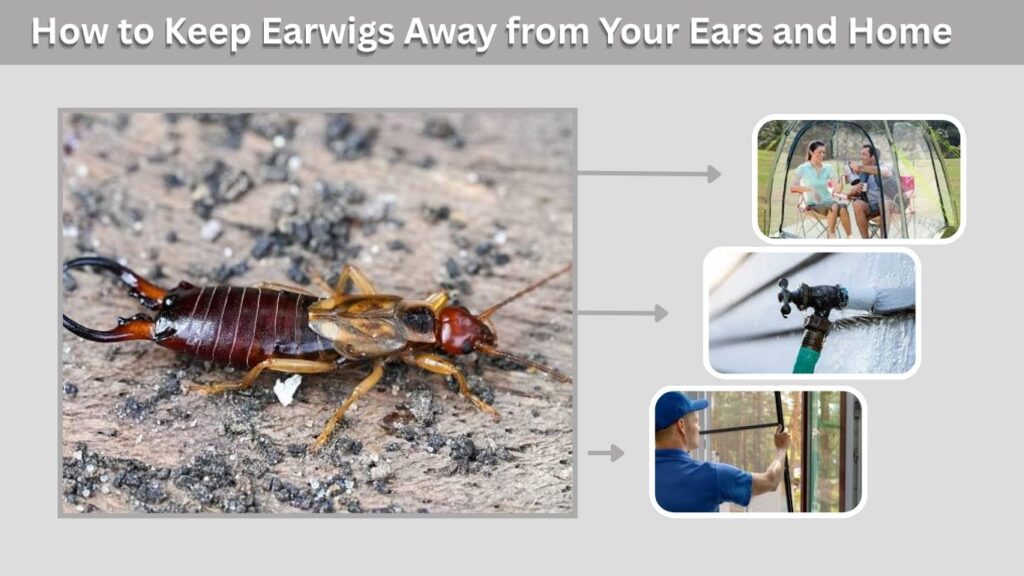
You do not need to focus only on your ears. The better goal is to reduce earwig activity around sleeping areas and inside the home. When fewer earwigs are present, the chance of any accidental contact becomes even lower.
Bedroom and Sleeping Tips
To reduce the chance of insects near your bed:
- Keep windows and doors screened
- Seal gaps around doors, windows, and baseboards
- Avoid leaving damp towels or clothing on the floor
- Shake out bedding if you are camping or sleeping outdoors
- Use a sealed tent when camping
- Keep outdoor lights away from bedroom windows when possible
These steps help with earwigs and many other small insects.
Home Prevention Tips
Earwig control usually starts outside. Focus on removing the places they like to hide.
- Move firewood, boards, and leaf piles away from the house
- Keep mulch thinner near the foundation
- Fix leaky faucets, pipes, and outdoor spigots
- Improve drainage around the home
- Seal cracks and gaps around doors and windows
- Use door sweeps where needed
- Reduce clutter in basements, garages, and crawl spaces
If earwigs are entering often, check for moisture problems first. A damp area can attract them even if the home is otherwise clean.
Garden Control Tips
Earwigs can sometimes damage seedlings, flowers, soft fruit, and vegetable plants. However, they may also eat small pests and decaying material, so they are not always harmful.
To reduce garden problems, remove excess debris, avoid overwatering, and use simple traps such as rolled newspaper or cardboard tubes placed overnight and emptied in the morning.
When Should You Call a Doctor?
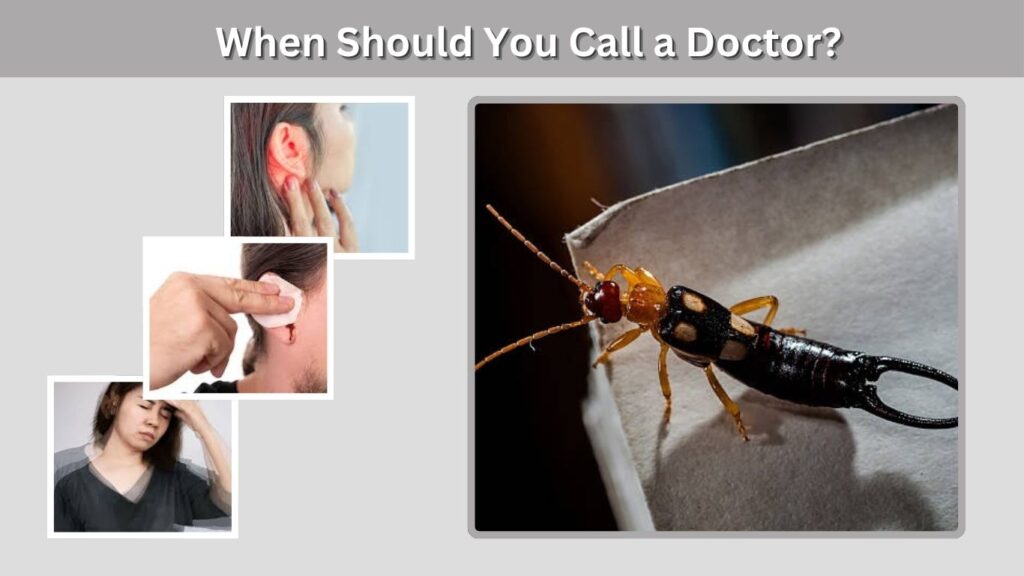
Call a doctor, urgent care clinic, or ear specialist if you think an insect is stuck in your ear and does not come out quickly. You should also seek help if there is pain, bleeding, dizziness, hearing loss, drainage, swelling, or symptoms that continue after the insect is removed.
Medical professionals have the right tools to look inside the ear and remove insects safely. This is much safer than trying to dig the bug out at home.
Get Help Quickly If You Notice
- Severe ear pain
- Bleeding from the ear
- Sudden hearing loss
- Dizziness or balance problems
- Fluid or pus draining from the ear
- A child with a suspected bug in the ear
- A history of ear tubes, eardrum rupture, or ear surgery
Even though earwigs are not usually dangerous, the ear itself is delicate. Treat any object in the ear carefully.
FAQs
Do earwigs go in your ear?
Earwigs do not normally go in your ear. They prefer dark, damp hiding places like mulch, cracks, basements, and bathrooms. Like any small insect, an earwig could accidentally enter an ear, but this is rare and not something they do on purpose.
Do earwigs really go in your ears when you sleep?
It is very unlikely. Earwigs are active at night, but they are usually looking for food, moisture, and shelter, not human ears. Sleeping outdoors or near heavy insect activity can slightly increase the chance of any bug getting near your ear, but earwigs do not seek out sleeping people.
Do earwigs lay eggs in your ears?
No, earwigs do not lay eggs in human ears. Female earwigs usually lay eggs in protected soil or hidden damp spaces. The idea that they use ears as nesting places is an old myth, not normal earwig behavior.
What should I do if an earwig gets in my ear?
Stay calm, tilt the affected ear downward, and do not put cotton swabs, tweezers, or fingers into the ear canal. If the insect does not come out, or if you feel pain, bleeding, dizziness, or hearing loss, contact a medical professional for safe removal.
Why are earwigs called earwigs?
The name comes from an old superstition that earwigs crawled into people’s ears. Their name and scary-looking pincers made the myth more believable, but modern understanding of earwig behavior shows they do not target ears or try to harm people.