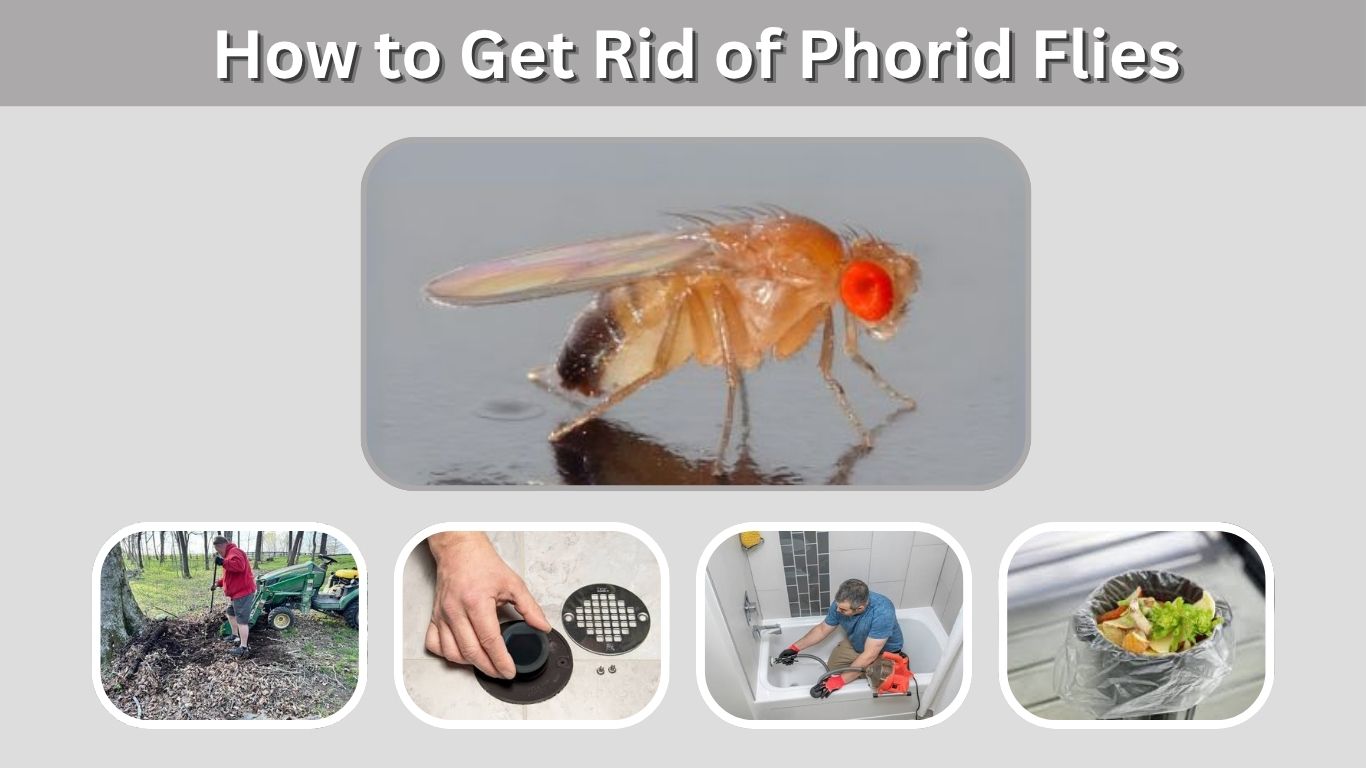
Phorid flies are tiny, humpbacked flies that can become persistent indoor pests when they find moist, decaying organic material. They often appear around drains, bathrooms, garbage, plumbing leaks, pet areas, and other damp locations. Killing the adult flies provides only temporary relief because larvae continue developing at the hidden breeding source. The best way to get rid of phorid flies is to locate that source, remove the organic buildup, repair moisture or plumbing problems, and keep the area clean and dry.
How to Identify Phorid Flies
Before beginning treatment, make sure you actually have phorid flies. They are frequently confused with fruit flies, fungus gnats, and drain flies.
Identification
- Adults are usually about 2–3 mm long
- Body is tan, brown, yellowish, or dark brown
- Thorax has a noticeably humpbacked appearance
- Head appears small compared with the thorax
- Adults frequently run rapidly across surfaces
- Running can look jerky or erratic
- Wings have relatively few prominent veins
- They may alternate between running and short flights
Their rapid running behavior has earned them the name scuttle flies.
1. Find the Breeding Source First
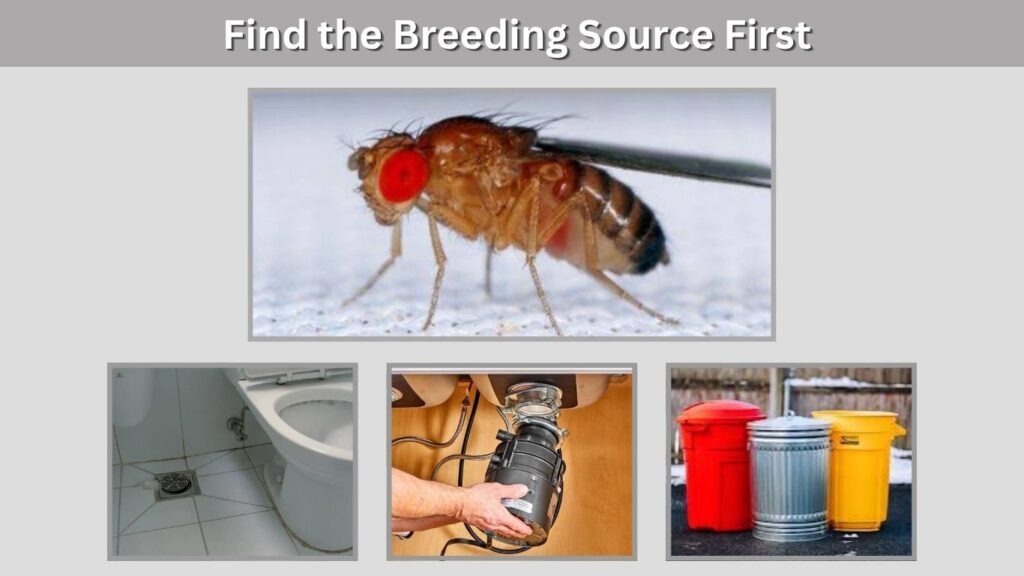
The most important step is locating where the larvae are developing. Spraying visible adults without eliminating this material rarely solves a phorid fly infestation.
Phorid larvae can develop in an unusually wide variety of moist, decomposing organic materials.
Check These Areas
- Sink and floor drains
- Garbage disposals
- Trash cans
- Rotting food
- Moist food debris beneath appliances
- Plumbing leaks
- Sewer leaks
- Dirty mops and cleaning tools
- Pet waste
- Compost
- Decaying plant material
- Moist areas underneath damaged flooring
Once the source is found, it needs to be removed, cleaned, and dried rather than simply sprayed with insecticide.
2. Get Rid of Phorid Flies in Drains
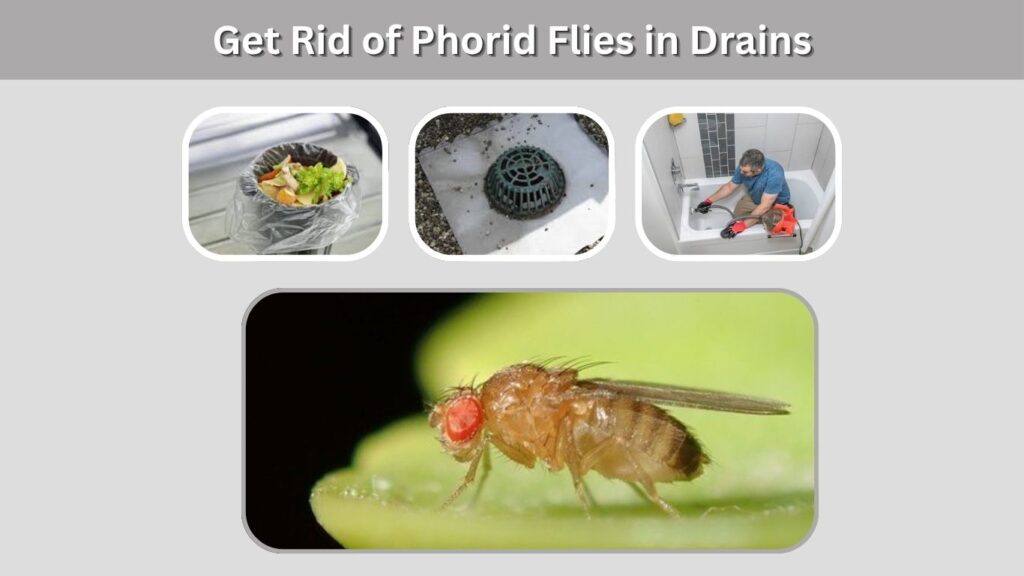
A drain can support phorid flies when grease, food particles, sludge, and other organic material build up along its interior.
Simply pouring insecticide down the drain does not remove this breeding material.
Clean the Drain Properly
Use a bacterial or enzymatic drain cleaner formulated to digest organic buildup. Follow the product directions and allow sufficient contact time.
After treatment, flushing with hot water can help remove loosened material. Oregon State University Extension specifically recommends enzymatic cleaners followed by hot water and notes that they are more effective for organic buildup than caustic drain cleaners.
Repeat treatment as directed until the buildup has been eliminated.
3. Does Boiling Water Kill Phorid Flies?
Boiling or very hot water may kill some exposed larvae and adults, but hot water alone is not a reliable solution.
The problem is the layer of organic material coating the drain. Even if hot water kills some insects, eggs and larvae may survive deeper inside that material.
Better Approach
Use an enzymatic or microbial cleaner to digest the buildup first and follow label directions for flushing.
Penn State guidance notes that drain-cleaning materials followed by very hot water can help with infestations associated with drain buildup.
Therefore, think of hot water as part of drain sanitation—not as a complete treatment by itself.
4. Get Rid of Phorid Flies in the Bathroom
When phorid flies repeatedly appear in a bathroom, investigate more than just the sink.
Check for Hidden Moisture
Inspect the sink drain, shower drain, floor drains, toilet area, leaking pipes, damaged grout, loose tiles, and damp spaces beneath cabinets.
Watermarks on walls or ceilings can indicate hidden leaks. Moist organic material underneath cracked flooring can also support small flies.
If hundreds of flies continue appearing despite thoroughly cleaned drains, a plumbing or sewer problem becomes more likely.
5. Look for Broken Sewer or Drain Pipes
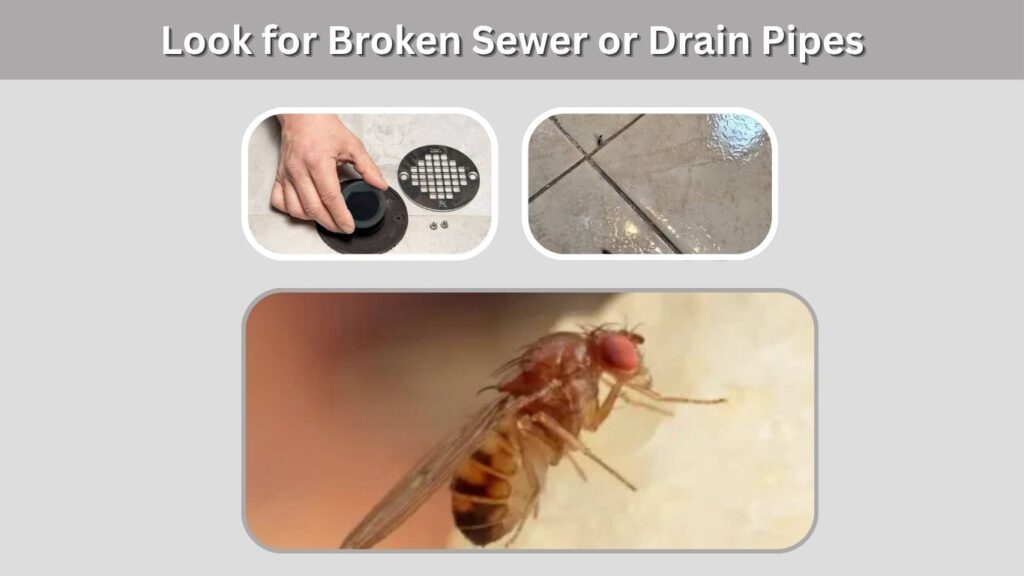
Persistent phorid flies can sometimes be an important warning sign.
Large infestations may originate from organic waste accumulating around broken drain pipes, leaking garbage disposals, uncapped plumbing, or sewage-contaminated material beneath floors or inside wall voids.
Signs of a Hidden Plumbing Problem
Watch for:
- Flies emerging from floor cracks
- Persistent sewage odors
- Damp flooring
- Water stains
- Flies concentrated around one wall
- Infestations that return after drain cleaning
- Unexplained moisture beneath cabinets
These situations may require a plumber or pest-management professional because the breeding material may be inaccessible without repairs.
6. How to Get Rid of Phorid Flies Naturally
The most effective non-insecticidal methods target the environment rather than the adults.
Natural Control Methods
Remove rotting organic material immediately. Keep garbage covered, clean recycling containers, wash food residue from bins, dry mops after use, repair leaks, and eliminate unnecessary standing moisture.
Regularly cleaning drains with biological or enzymatic products can also remove the organic film larvae required.
This sanitation-based approach is more effective long term than repeatedly killing visible adult flies.
7. Get Rid of Adult Phorid Flies
Adult control can make the infestation less annoying while you eliminate the larvae, but it should be considered a secondary measure.
Reduce Adult Numbers
Sticky traps can help capture and monitor adults. A vacuum can also quickly remove flies resting around windows, countertops, walls, and bathrooms.
Monitoring traps are useful because declining numbers can indicate that the breeding source has been successfully removed.
Do not rely on adult traps alone. New flies will continue emerging as long as larvae have access to moist organic material.
8. How to Get Rid of Phorid Flies in Plants
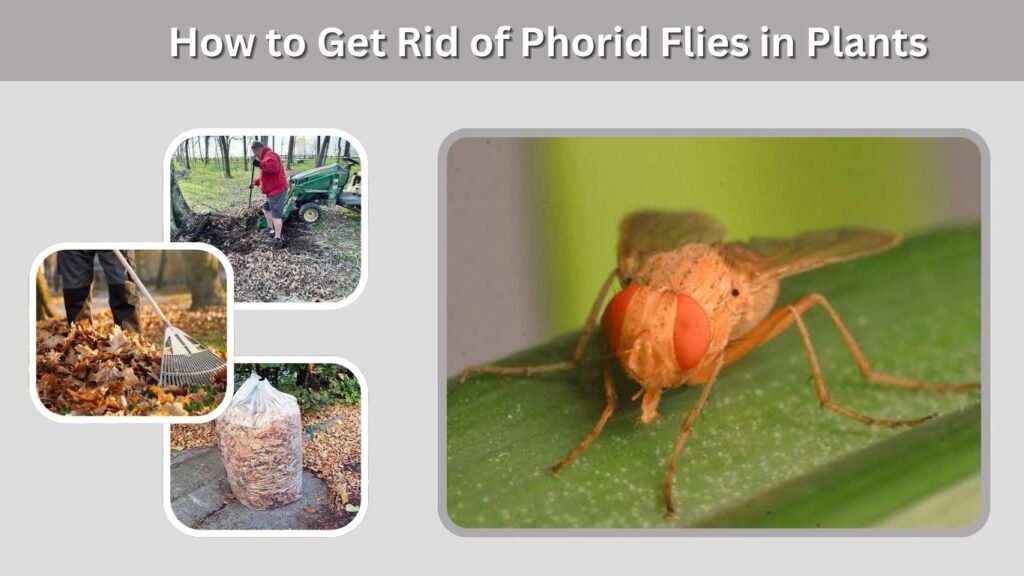
Small flies around houseplants are often fungus gnats rather than phorid flies, so identification matters.
However, phorid flies can investigate potted plants when decaying roots, decomposing plant material, or other moist organic matter is available.
What to Do
Remove dead leaves and other decomposing plant material. Avoid keeping soil unnecessarily waterlogged, empty standing water from saucers, and inspect nearby trash, drains, and hidden spills.
If the flies are slender, dark, mosquito-like insects consistently emerging from potting soil, fungus gnats are a more likely explanation.
9. Phorid Flies Around Litter Boxes and Pet Areas
Animal feces and other decomposing organic material can provide food for some phorid flies.
Keep Pet Areas Clean
Remove waste from litter boxes frequently, wash dirty boxes regularly, clean spilled pet food, and keep surrounding floors dry.
Also inspect nearby pet bedding, trash cans, food containers, and areas where urine or water may collect.
Oregon State guidance specifically recommends inspecting pet and animal enclosures when investigating small indoor fly infestations.
10. Can Phorid Flies Come From a Septic or Sewer Problem?
Yes, some household phorid infestations can be associated with sewage or leaking plumbing.
University of Minnesota Extension lists plumbing and sewer leaks among locations where humpbacked or phorid flies may occur.
If your septic system is malfunctioning, sewage is leaking, or a drainpipe beneath the house is broken, cleaning visible drains will not eliminate the underlying problem.
Repair the source of sewage or moisture first.
Why Can’t I Get Rid of Phorid Flies?
If treatment seems to work briefly but the flies return, the breeding source probably remains.
Common Hidden Sources
Look beneath refrigerators and dishwashers, behind cabinets, below trash liners, underneath damaged flooring, around leaking pipes, inside wall voids, and near uncapped plumbing.
Phorid flies are particularly challenging because some species can exploit organic material in places that are difficult to inspect. Oregon State notes that the coffin fly, Megaselia scalaris, can even move through substantial amounts of soil to reach buried organic material.
How Fast Can You Get Rid of Phorid Flies?
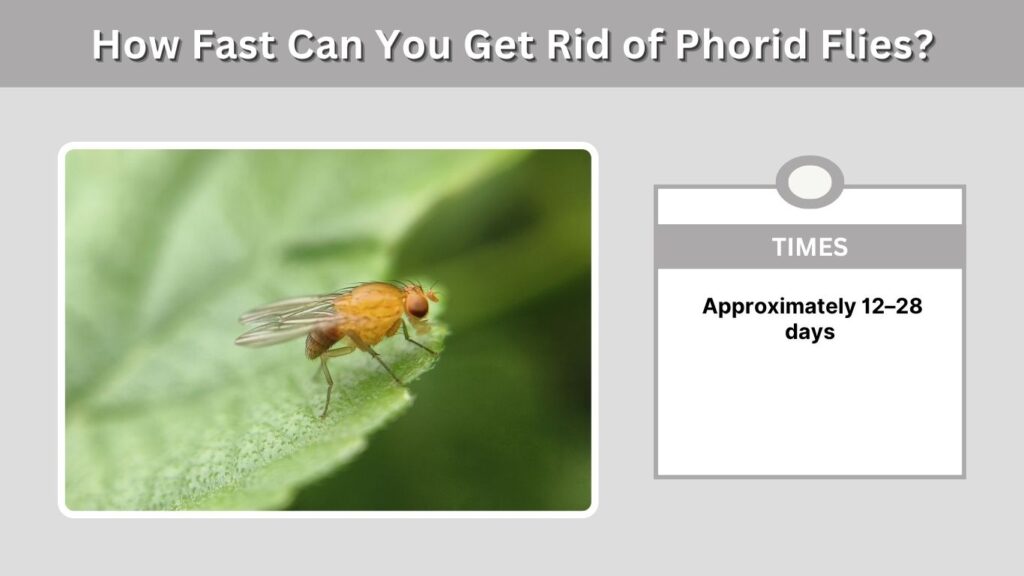
Removing the breeding source immediately is the fastest approach, but adults may continue appearing temporarily because immature flies already present can complete development.
Under suitable conditions, some phorid flies can develop from egg to adult in approximately 12–28 days.
A noticeable decline after cleaning is encouraging. Continued high numbers several weeks later usually mean another source remains.
FAQs
1. What is the best way to get rid of phorid flies?
Find and eliminate the breeding source. Clean drains, remove decomposing organic material, repair leaks, clean garbage areas, and keep damp areas dry.
2. Will drain cleaner get rid of phorid flies?
An enzymatic or bacterial drain cleaner can help when flies are breeding in organic buildup inside the drain. Caustic drain chemicals are generally less useful for removing the underlying biofilm.
3. Why are phorid flies suddenly in my house?
They may be breeding in drains, trash, rotting food, moist organic debris, pet waste, or material associated with a plumbing or sewer leak.
4. Can phorid flies come from broken pipes?
Yes. Persistent or heavy infestations can be associated with leaking or broken drains and sewage-contaminated organic matter beneath floors or inside inaccessible spaces.
5. Why do phorid flies keep coming back?
Usually because adults are being killed while the hidden larval breeding source remains. Finding, removing, cleaning, and drying that source is the key to permanent control.