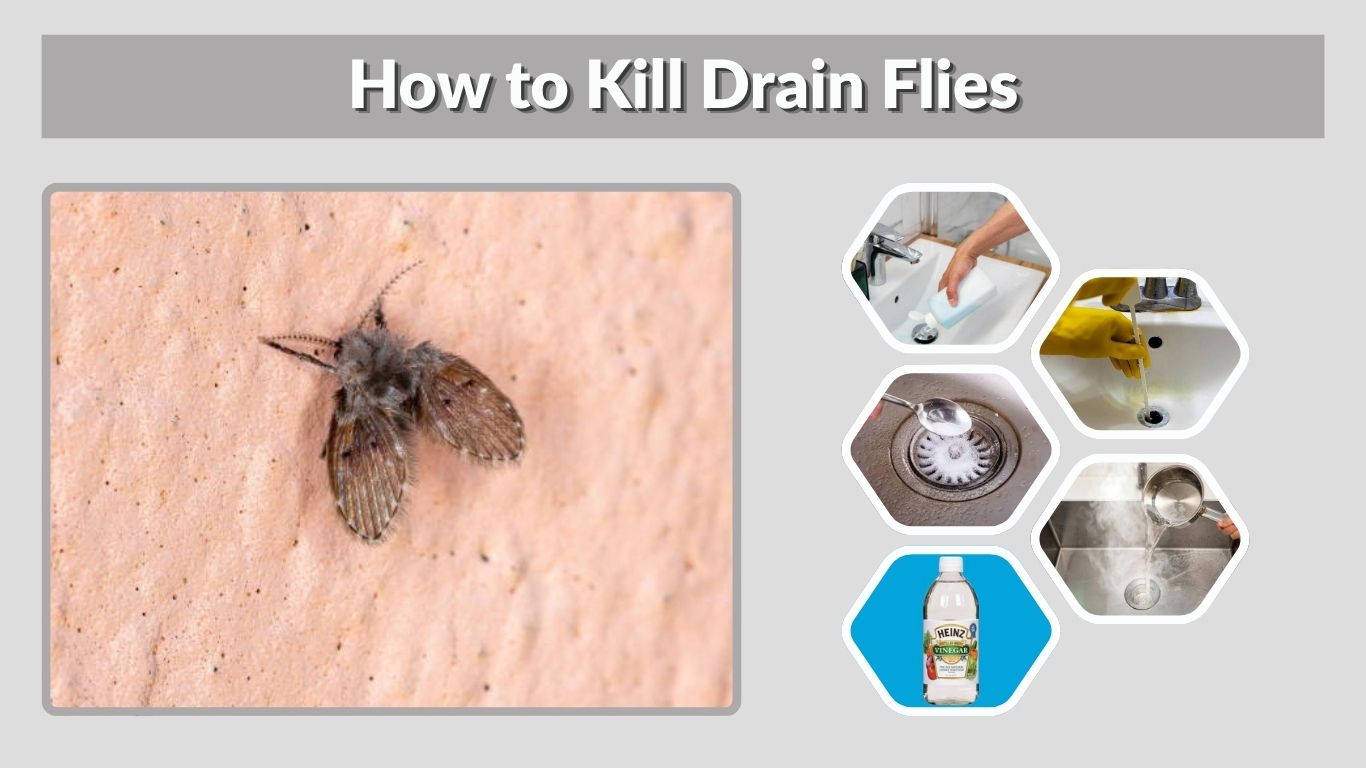
Drain flies can quickly become annoying when they begin appearing around sinks, showers, toilets, or kitchen drains. If you want to know how to kill drain flies, the key is to eliminate both the adult insects and the larvae developing inside moist organic buildup. Simply killing visible flies usually provides only temporary relief. Thorough drain cleaning, hot water, safe household treatments, and traps can break their life cycle and prevent another generation from appearing. Here is how to remove drain flies effectively.
How to Kill Drain Flies Quickly
Getting rid of drain flies requires targeting their breeding material rather than focusing only on the adults flying around your home. Their larvae usually live in the slimy organic film coating drain walls. Removing this material and keeping the area clean and relatively dry is usually the fastest way to stop the infestation from continuing.
1. Identify the Drain They Are Coming From
First, determine which drain is producing the flies. Drain flies commonly breed in bathroom sinks, shower drains, kitchen drains, floor drains, and occasionally other constantly damp plumbing areas.
Dry the drain opening at night and place a piece of clear tape over part of it. Leave enough space for airflow. Check it the following morning.
If small moth-like flies become stuck to the tape, that drain may be an active breeding location.
2. Remove Organic Buildup
The most important treatment is physically removing the slime that larvae use for food.
Use a long drain brush to scrub:
- The inside walls of the drain
- Areas underneath the drain cover
- Sink stoppers and strainers
- Accessible overflow openings
- Hair, grease, and food deposits near the opening
Continue scrubbing until visible slime and debris have been removed.
3. Flush the Drain With Hot Water
After scrubbing, rinse the loosened material away with hot water. Slowly run or pour hot water through the drain so debris can move through the plumbing.
Very hot tap water is often sufficient. Avoid repeatedly pouring extreme boiling water into plumbing unless you know your pipes can tolerate it, because excessive heat may damage some materials.
4. Repeat the Cleaning
One cleaning may not eliminate a heavy infestation. Continue checking and cleaning the affected drain for several days.
Adult flies that developed earlier may continue appearing temporarily, but their numbers should gradually decline once the larval habitat has been removed.
How to Kill Drain Flies With Baking Soda and Vinegar
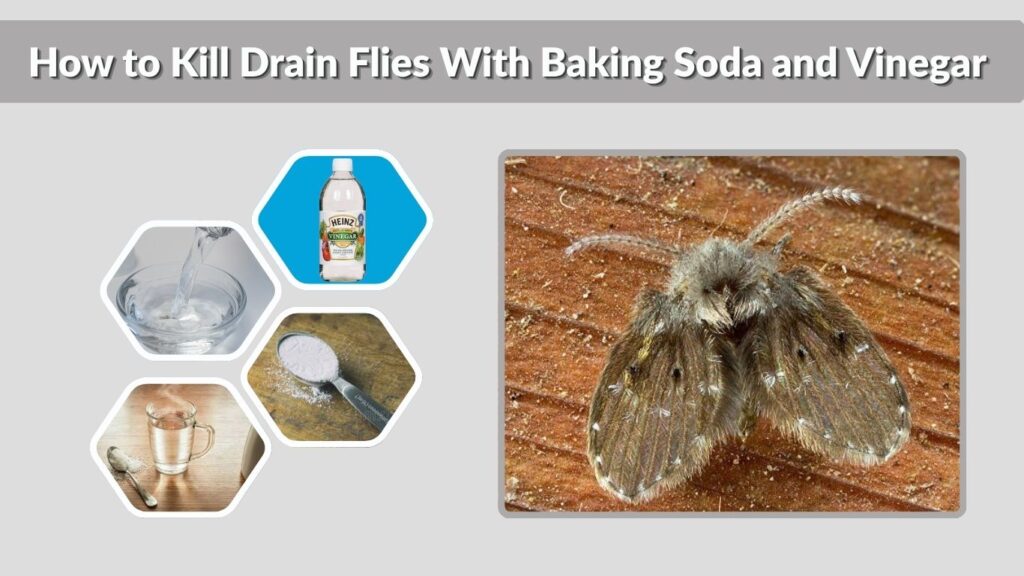
Baking soda and vinegar are frequently recommended as a DIY treatment for drain flies. They can help loosen light residue and freshen a drain, although they are most effective when used after mechanical cleaning. Thick organic slime often requires scrubbing because the bubbling reaction alone may not completely remove the breeding material.
How Much Baking Soda and Vinegar to Use
A simple treatment can be prepared using common household ingredients.
Use approximately:
- 1/2 cup baking soda
- 1 cup white vinegar
- Hot water for rinsing
Pour the baking soda into the drain first. Follow it slowly with vinegar and allow the mixture to foam.
Leave it in the drain for around 30–60 minutes before flushing thoroughly with hot water.
Why Scrubbing Is Still Necessary
Baking soda and vinegar may loosen residue, but drain fly larvae can remain protected inside thick layers of organic material.
A drain brush physically removes this material from pipe walls. Combining scrubbing with a baking soda and vinegar rinse is generally more useful than repeatedly pouring the mixture into an uncleaned drain.
Never combine vinegar with chlorine bleach.
How to Kill Drain Flies in a Shower
Shower drains are particularly attractive to drain flies because they can accumulate hair, soap residue, skin cells, and other organic material while remaining damp for long periods. If small flies repeatedly appear around your shower, cleaning underneath the drain cover and inside the pipe is more important than simply spraying the adult insects.
Remove Hair and Slime
Take off the drain cover if it can be removed safely. Pull out accessible hair and debris, then scrub the drain opening and pipe walls using a drain brush.
Pay particular attention to areas beneath the cover where soap residue can accumulate.
Clean Nearby Wet Areas
Drain flies are not always breeding directly inside the main drain. Check grout lines, overflow areas, poorly draining shower edges, and other places where dirty water remains.
Fix drainage problems and keep the shower as dry as reasonably possible between uses.
How to Kill Drain Flies in a Sink
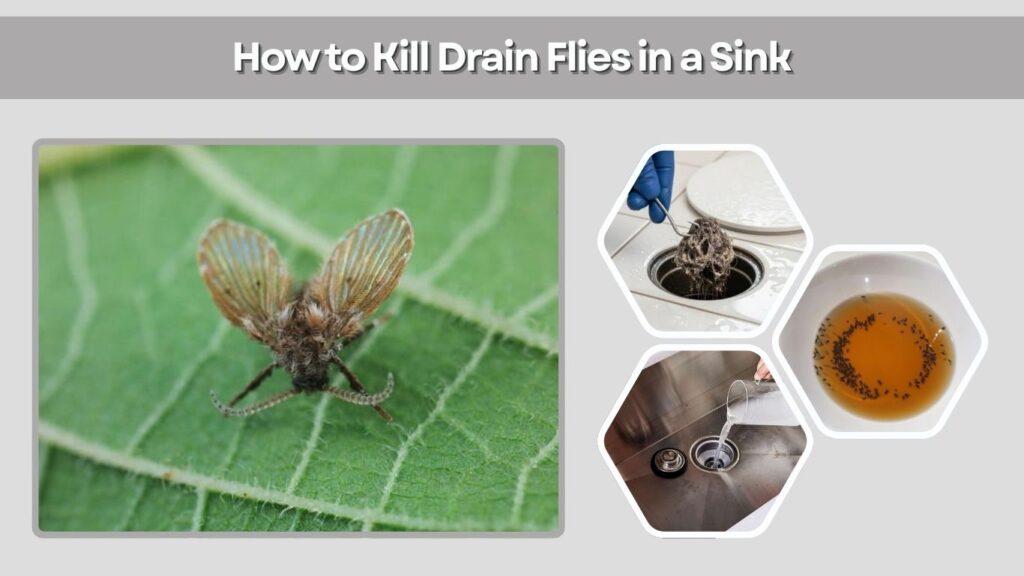
Bathroom and kitchen sinks are among the most common places for drain fly infestations. Bathroom sinks collect soap and hair, while kitchen drains may contain grease and food residue. Cleaning the drain opening, stopper, overflow passage, and accessible pipe walls removes the materials that support developing larvae.
Bathroom Sink Treatment
For bathroom sinks, remove and clean the stopper because slime can accumulate underneath it.
Then:
- Remove visible hair and debris.
- Scrub inside the drain.
- Clean accessible overflow openings.
- Flush thoroughly with hot water.
- Keep the sink area dry between uses when possible.
Continue monitoring the drain for several days.
Kitchen Sink Treatment
Kitchen drains require special attention because grease and food particles can form persistent deposits.
Clean the sink strainer and remove food debris before scrubbing the drain. Avoid pouring cooking grease, oils, or food scraps into the sink.
If you have a garbage disposal, follow the manufacturer’s cleaning instructions. Never place your hands or cleaning tools inside a disposal unless it is safely disconnected and the manufacturer’s instructions specifically permit the procedure.
How to Trap and Kill Adult Drain Flies
Trapping adult drain flies can make the infestation less noticeable while you clean the breeding source. However, traps alone rarely solve the underlying problem. New adults can continue emerging as long as larvae remain inside organic buildup, so trapping should be considered a supporting treatment rather than the primary control method.
Apple Cider Vinegar Trap
A simple homemade trap can help catch small flies around drains.
You will need:
- A small cup or bowl
- Apple cider vinegar
- A few drops of dish soap
- Plastic wrap, if desired
Add vinegar to the container and mix in a few drops of dish soap. Place it close to the affected drain.
The vinegar can attract small flies, while the soap reduces surface tension so insects landing on the liquid may become trapped.
Sticky Traps
Small sticky traps positioned near the problem area can also capture adults and help you monitor whether fly numbers are declining.
Avoid placing traps directly inside plumbing where they could interfere with drainage.
Does Bleach Kill Drain Flies?
Bleach may kill some insects or larvae it directly contacts, but it is not usually the most effective way to eliminate an established drain fly infestation. Liquid bleach can move quickly through the center of a pipe while leaving much of the organic slime attached to the walls untouched.
Why Bleach May Not Solve the Problem
The drain fly population depends on the breeding material coating the plumbing. Even if bleach kills some organisms, surviving larvae or new eggs may remain in areas the liquid does not reach effectively.
Physical cleaning is therefore still necessary.
If you use a bleach-containing product, follow its label exactly and ensure adequate ventilation.
Never mix bleach with vinegar, ammonia, acids, drain cleaners, or other household chemicals because dangerous gases or reactions can result.
How to Kill Fruit Flies in a Drain
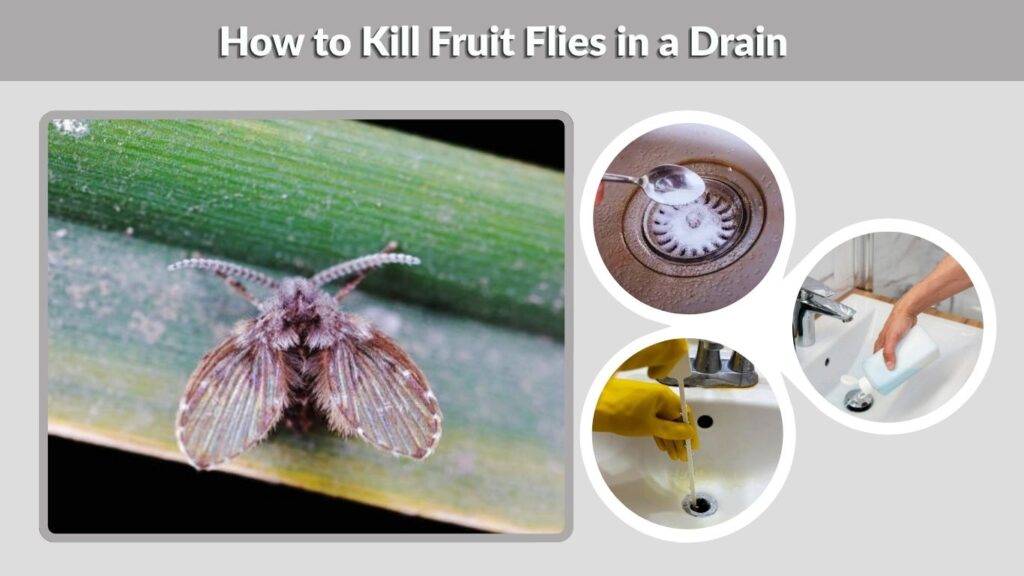
Small flies around a sink are sometimes assumed to be drain flies even when they are fruit flies. Fruit flies are usually attracted to fermenting food, produce, garbage, recycling containers, and food residue. Cleaning a drain may help when organic material is present, but other food sources around the kitchen must also be removed.
Remove Food Sources Around the Sink
Clean areas where fermenting residue can accumulate, including underneath appliances, garbage containers, recycling bins, and sink strainers.
Discard overripe produce and clean spills promptly.
Clean the Drain Thoroughly
If fruit flies appear to be coming from the drain, scrub the drain walls and remove food buildup.
A vinegar trap may capture adult fruit flies, but sanitation remains the most important long-term control measure.
How Long Does It Take to Kill Drain Flies?
Drain flies do not always disappear immediately after treatment. Adults that developed before cleaning may continue appearing for several days. This does not necessarily mean the treatment failed. The important sign is whether the number of flies gradually decreases after the breeding material has been removed.
Expect Gradual Improvement
With thorough cleaning, a small infestation may noticeably decline within several days.
If drain flies continue appearing after one or two weeks, another breeding location may be present. Check other drains, floor drains, plumbing leaks, rarely used fixtures, and standing water.
Persistent infestations may require help from a plumber or pest-management professional.
How to Prevent Drain Flies From Returning
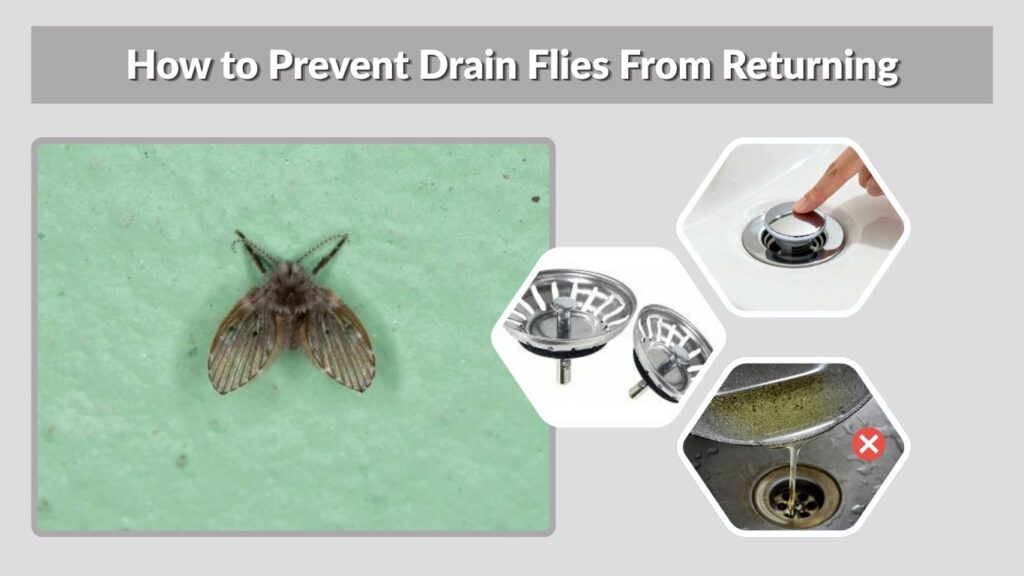
Once you eliminate drain flies, prevention is much easier than dealing with another established infestation. Regular cleaning prevents the thick organic film larvae need for development. Moisture control is equally important, especially around rarely used drains, leaking pipes, showers, utility rooms, and other places where water remains for extended periods.
Drain Fly Prevention Tips
To reduce the chance of another infestation:
- Clean sink and shower drains regularly.
- Remove hair from drain openings.
- Keep food scraps out of kitchen sinks.
- Never pour cooking grease down drains.
- Fix leaking faucets and pipes.
- Correct slow-draining plumbing.
- Clean sink stoppers and strainers.
- Run water through infrequently used drains.
- Keep wet surfaces dry when practical.
- Investigate recurring sewage odors or backups.
Regular inspection helps you identify organic buildup before drain flies have an opportunity to establish a large population.
When Drain Flies Will Not Go Away
If repeated cleaning does not eliminate drain flies, the insects may be developing somewhere other than the drain you initially treated. Hidden plumbing leaks, contaminated floor drains, damaged sewer lines, sewage buildup, or inaccessible standing water can create breeding locations that household treatments cannot easily reach.
Look for Hidden Breeding Sources
Inspect other consistently damp locations around the home. A plumber may be appropriate if you notice sewage odors, plumbing leaks, frequent backups, or chronically slow drains. A pest professional can also help confirm whether the insects are drain flies, fruit flies, or phorid flies and identify less obvious breeding areas.
FAQs
1. What kills drain flies instantly?
Adult drain flies can be killed individually or captured with sticky or vinegar traps, but instant control of adults does not eliminate larvae. Cleaning and scrubbing the breeding material inside the drain is necessary for lasting control.
2. Will boiling water kill drain flies?
Very hot water may kill some larvae and help loosen organic material, but water alone may not remove thick slime attached to pipe walls. Scrubbing the drain before flushing it generally produces better results.
3. Can I use bleach to kill drain flies?
Bleach may kill some insects it contacts, but it can pass through a drain without removing the slime where larvae develop. Follow product labels carefully and never mix bleach with vinegar, ammonia, acids, or other cleaners.
4. How do I kill drain fly larvae?
The most effective approach is to remove their habitat. Scrub the interior drain walls with a suitable brush to remove organic slime, then flush the loosened material away with hot water. Repeat cleaning if necessary.
5. How do I kill drain flies for good?
Eliminate the breeding source rather than only killing adults. Clean affected drains thoroughly, remove organic buildup, repair leaks, fix slow drainage, reduce standing water, and regularly maintain sinks and showers to prevent another population from developing.