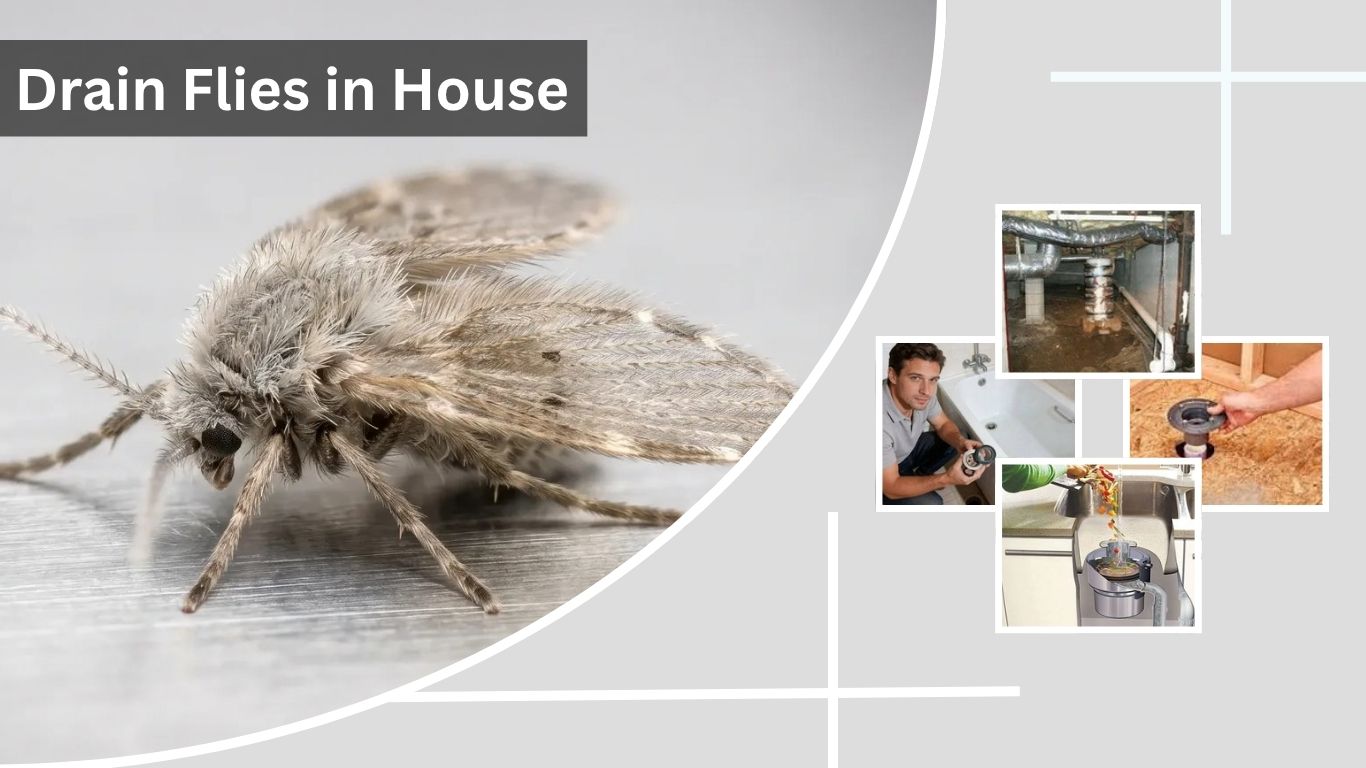
Finding drain flies in the house usually means there is a damp area containing organic buildup where these tiny insects can breed. Drain flies, also called moth flies or sewer flies, commonly appear around bathroom drains, kitchen sinks, floor drains, and other moist plumbing areas. Although they do not usually pose a serious threat to people, a growing infestation can become frustrating. Identifying the breeding source and removing the buildup is the most effective way to get rid of drain flies and prevent them from returning.
What Are Drain Flies in the House?
Drain flies are tiny flies commonly associated with moist drains and plumbing systems. Their bodies and wings are covered with fine hairs, giving them a fuzzy, moth-like appearance. Adults often rest on bathroom walls, sinks, tiles, or nearby surfaces. Seeing several adults usually indicates that suitable breeding material exists somewhere nearby.
What Do Drain Flies Look Like?
Drain flies are generally very small and may appear gray, brown, or nearly black. Their most recognizable characteristics include:
- Small, fuzzy bodies
- Broad, hairy wings
- Moth-like appearance
- Short, weak flights
- Gray to dark coloration
- Frequent resting on walls
- Slow movement compared with house flies
Their wings are usually held over the body when resting, creating a small triangular or heart-shaped appearance.
Drain Fly vs House Fly
Drain flies and house flies look and behave differently. A house fly is larger, has a smoother body, and flies quickly around rooms. Drain flies are much smaller, fuzzier, and usually make short hopping flights near drains.
House flies commonly develop in garbage, animal waste, or decaying organic material. Drain flies typically breed in wet organic film inside drains, pipes, sewage areas, or other consistently damp locations.
Why Do I Have Drain Flies in My House?
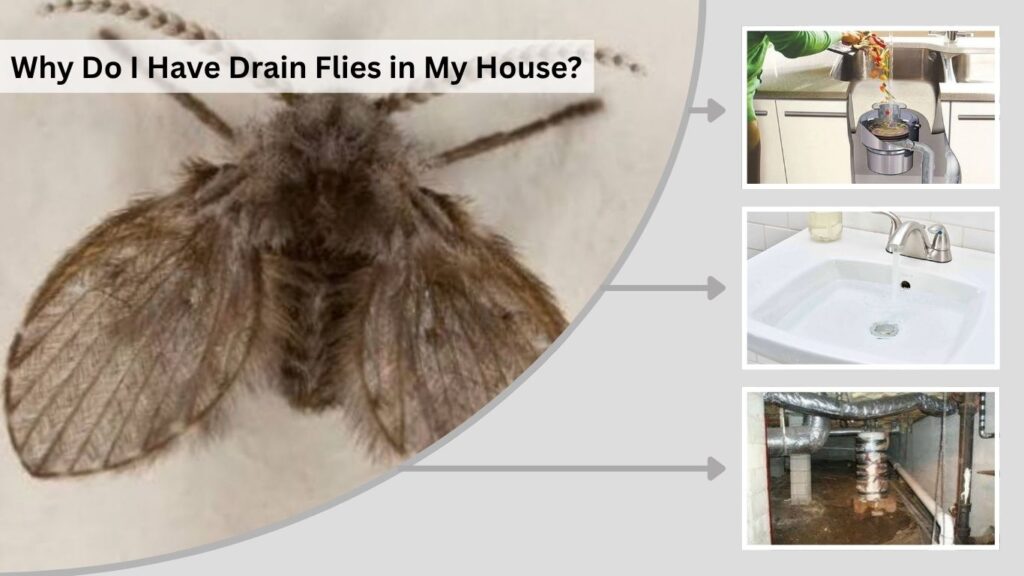
Drain flies appear when they find moist organic material where their larvae can feed. A drain does not have to be completely blocked to support them. Even a thin layer of sludge inside a pipe may provide enough food and moisture for larvae to develop. Persistent infestations often indicate a hidden moisture or sanitation issue.
Common Causes of Drain Flies
Potential breeding sources include:
- Dirty sink drains
- Shower and bathtub drains
- Floor drains
- Garbage disposals
- Overflow openings
- Standing water
- Sewage leaks
- Rarely used plumbing fixtures
- Condensation drains
- Moist organic debris
How Do Drain Flies Get in Your House?
Adult drain flies can enter buildings from outdoors through windows, doors, or small openings. However, when large numbers repeatedly appear indoors, they are often reproducing somewhere within or around the building.
A female can lay eggs in the gelatinous organic film coating a suitable moist surface. The larvae remain in this material while developing before eventually becoming adults.
Why Are Drain Flies Suddenly Everywhere?
A sudden increase can occur when conditions in a breeding location become especially favorable. Warm temperatures, increased moisture, clogged plumbing, or accumulated organic matter may allow the population to grow.
Adults may then spread away from the original drain and appear throughout bathrooms, kitchens, basements, laundry rooms, or other parts of the house.
How to Find Where Drain Flies Are Coming From
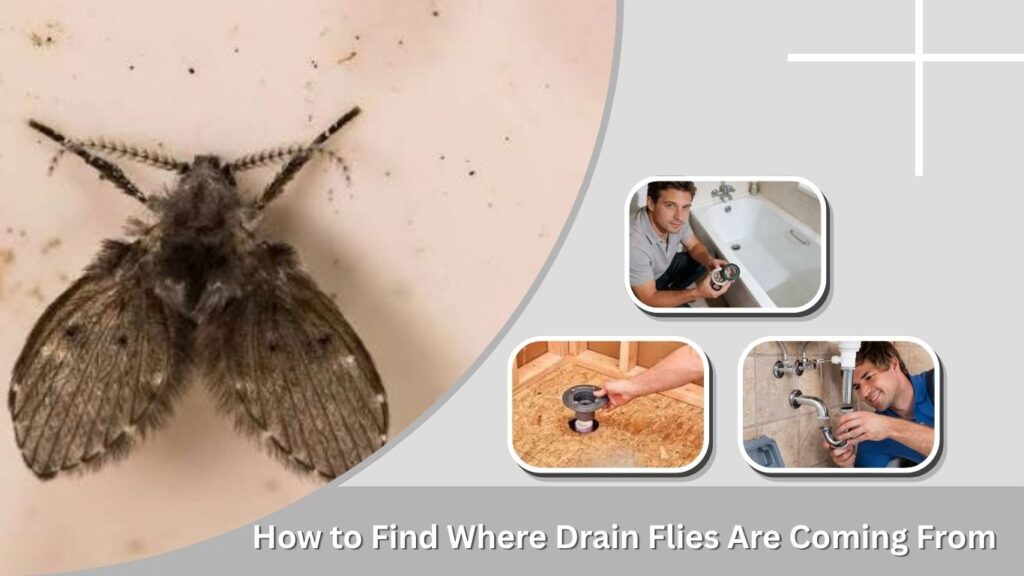
Getting rid of adults without finding the breeding area often provides only temporary relief. The most important step is determining where larvae are developing. Begin with rooms where adults are most numerous and inspect nearby drains, wet areas, plumbing fixtures, and other possible sources of organic buildup.
Check Common Breeding Areas
Inspect:
- Bathroom sink drains
- Shower drains
- Bathtub drains
- Kitchen sinks
- Floor drains
- Utility sinks
- Laundry areas
- Basement drains
- Drain pans
- Garbage disposals
Pay special attention to fixtures that are rarely used because stagnant conditions can allow organic material to accumulate.
Simple Drain Test
You can temporarily cover a suspected drain opening with clear tape while leaving part of the opening exposed enough for airflow. Check later for small flies trapped on the adhesive.
This may help identify an active drain, but a negative result does not necessarily rule it out. Multiple drains may need to be checked over several nights.
Look Beyond the Drain
When drain flies continue despite thorough drain cleaning, another source may exist. Damaged sewer lines, leaking plumbing, wet crawl spaces, contaminated sump areas, or persistent standing water can sometimes support breeding.
A widespread infestation without an obvious drain source may justify a professional plumbing or pest inspection.
How to Get Rid of Drain Flies in the House
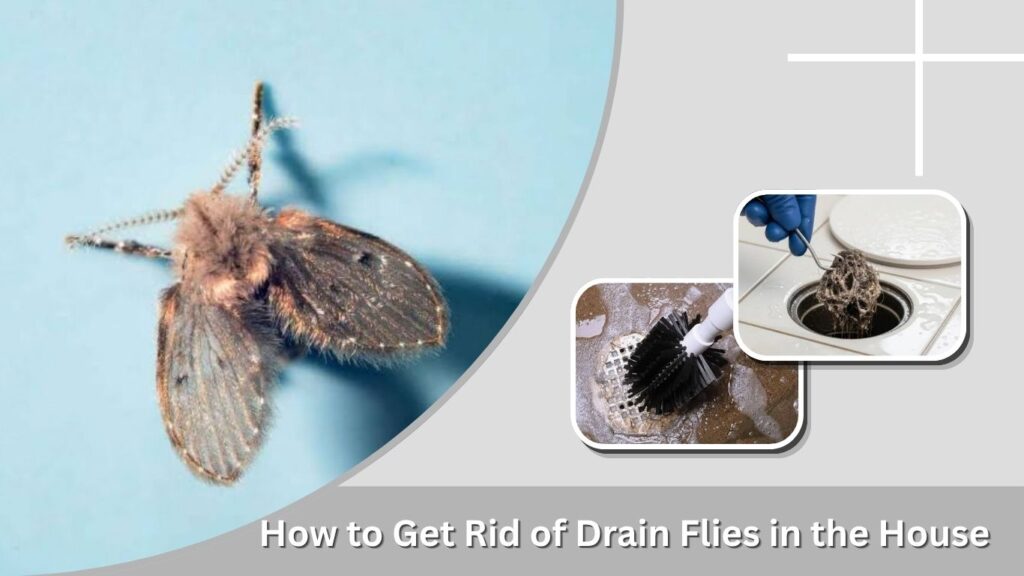
The best way to control drain flies is to remove the organic film where larvae live. Killing visible adults alone will not solve an established infestation because new flies can continue emerging. Effective control therefore combines physical drain cleaning, moisture correction, sanitation, and temporary management of adult flies.
Clean the Drain Thoroughly
Follow these basic steps:
- Remove hair and visible debris from the drain.
- Scrub inside accessible drain surfaces with a stiff drain brush.
- Clean around the drain opening and stopper.
- Remove organic sludge from garbage disposals when applicable.
- Flush loosened material away with water.
- Repeat cleaning if buildup remains.
- Keep the surrounding area as dry as practical.
Mechanical scrubbing is particularly useful because drain fly larvae live within the slimy organic layer rather than simply floating in drain water.
Use an Enzyme or Biological Drain Cleaner
Products designed to break down organic buildup can help clean places that are difficult to reach with a brush. Follow the manufacturer’s instructions carefully.
These products work differently from ordinary insect sprays. Their purpose is to remove or digest the material supporting larvae, making the drain unsuitable for continued breeding.
Avoid mixing different drain-cleaning chemicals because dangerous reactions can occur.
Control Adult Drain Flies
Adult flies can be removed using simple methods while the breeding area is being treated. Vacuuming resting adults can quickly reduce their numbers.
Sticky traps placed near suspected breeding areas may also help monitor activity. However, adult control should be considered secondary because eliminating the larval habitat is what stops the infestation.
How Long Does It Take to Get Rid of Drain Flies?
Drain flies may continue appearing for several days after the breeding material has been cleaned because immature insects already developing in hidden areas can finish their life cycle. Therefore, seeing a few adults immediately after treatment does not necessarily mean control has failed.
When Should You See Improvement?
After effective source removal, adult activity should gradually decline. Continue cleaning and monitoring the suspected drains rather than stopping as soon as numbers decrease.
If large numbers continue appearing after repeated thorough cleaning, reassess the area for another breeding source.
Persistent Drain Fly Infestation
A stubborn infestation may indicate something more complicated than a dirty sink drain.
Possible hidden sources include damaged drain pipes, sewage contamination, plumbing leaks, inaccessible organic buildup, or damp areas beneath floors. A plumber or pest-management professional may be useful when the source cannot be located.
Drain Flies Throughout the House
Finding drain flies far away from a bathroom or kitchen can make the infestation seem mysterious. Adult drain flies can move through different rooms after emerging, particularly when a population becomes large. Their location does not always reveal exactly where they are breeding.
Drain Flies in Bedrooms or Living Areas
Adults may be attracted to lights and windows and can wander considerable distances from their breeding source.
If drain flies appear in a bedroom, living room, or upstairs hallway, inspect nearby bathrooms and plumbing first. Also consider basement or utility areas where moisture might be accumulating.
Drain Flies in House Plants
Small flies around houseplants are often fungus gnats rather than drain flies. Fungus gnats usually breed in moist potting soil and have slender bodies with longer legs.
Drain flies have broader, fuzzy wings and a distinctly moth-like appearance. Correct identification prevents unnecessary drain treatments when the actual breeding source is wet soil.
How to Prevent Drain Flies in Your House
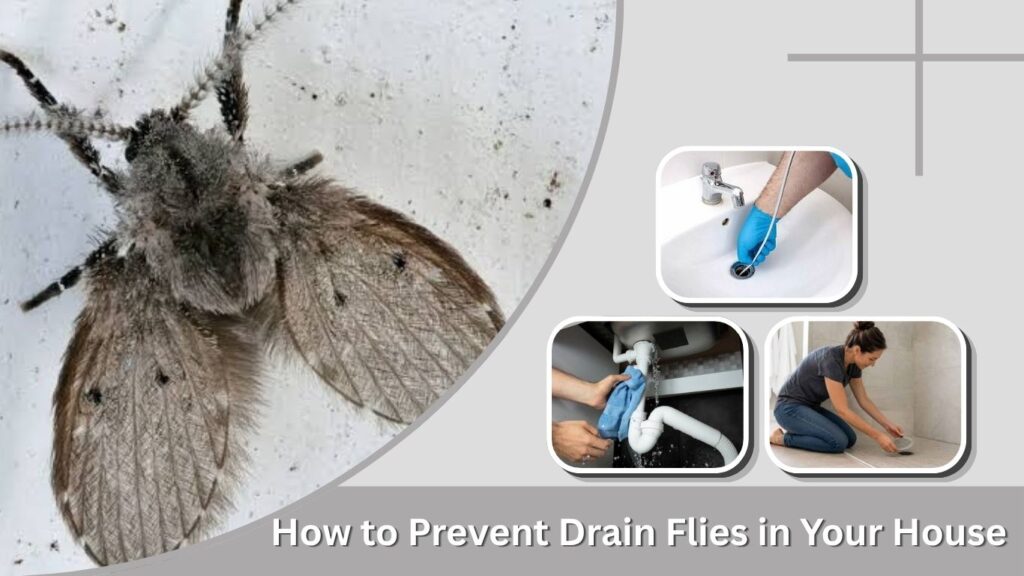
Prevention focuses on denying drain flies the consistently wet, organic environment necessary for reproduction. Regular plumbing maintenance is especially helpful in bathrooms, kitchens, basements, and other locations where water and debris frequently accumulate.
Drain Fly Prevention Tips
Helpful practices include:
- Clean drains periodically.
- Remove hair and soap buildup.
- Keep garbage disposals clean.
- Repair plumbing leaks promptly.
- Avoid leaving standing water.
- Clean rarely used floor drains.
- Maintain proper drainage around the home.
- Remove decaying organic debris.
- Keep wet utility areas clean.
- Investigate persistent sewer odors.
Keep Rarely Used Drains Maintained
Guest bathrooms, basement drains, and unused utility sinks can develop stagnant conditions when ignored for long periods.
Regularly inspect these areas and keep plumbing traps functioning properly. A neglected drain can become an unnoticed source even when the main kitchen and bathroom drains are spotless.
Drain Flies vs Other Small Flies
Several tiny flies can appear indoors, and confusing them can make control difficult. Drain flies, fruit flies, and fungus gnats have different breeding habits, so identifying the insect is an important part of locating its source.
Drain Fly vs Fruit Fly
Fruit flies are typically tan or brownish and are strongly associated with fermenting fruit, sugary residues, recycling containers, and food waste.
Drain flies are fuzzier and tend to remain around damp plumbing areas.
Drain Fly vs Fungus Gnat
Fungus gnats have slender bodies and long legs and are commonly found around moist houseplant soil.
Drain flies have fuzzy, broad wings and usually resemble tiny moths. If small insects consistently rise from plant pots when they are disturbed, fungus gnats are more likely than drain flies.
FAQs
1. Why do I suddenly have drain flies in my house?
A sudden appearance usually means drain flies have found a moist breeding source containing organic buildup. Common locations include sink, shower, floor, and utility drains.
2. What is the best way to get rid of drain flies in the house?
Locate the breeding source and physically remove organic sludge by brushing and cleaning the drain. Address leaks and standing water, and monitor the area until adult activity stops.
3. Do drain flies come up through drains?
Yes, adults can emerge from drains when larvae have developed in organic material coating the inside of plumbing or other wet drainage areas.
4. Do drain flies turn into house flies?
No. Drain flies and house flies are different insects. A drain fly remains a drain fly throughout its life cycle and does not transform into a house fly.
5. Why are drain flies still present after cleaning the drain?
Adults may continue emerging briefly from insects that were already developing. Persistent activity, however, can indicate incomplete cleaning or another hidden breeding source such as a different drain, plumbing leak, or sewage-related area.