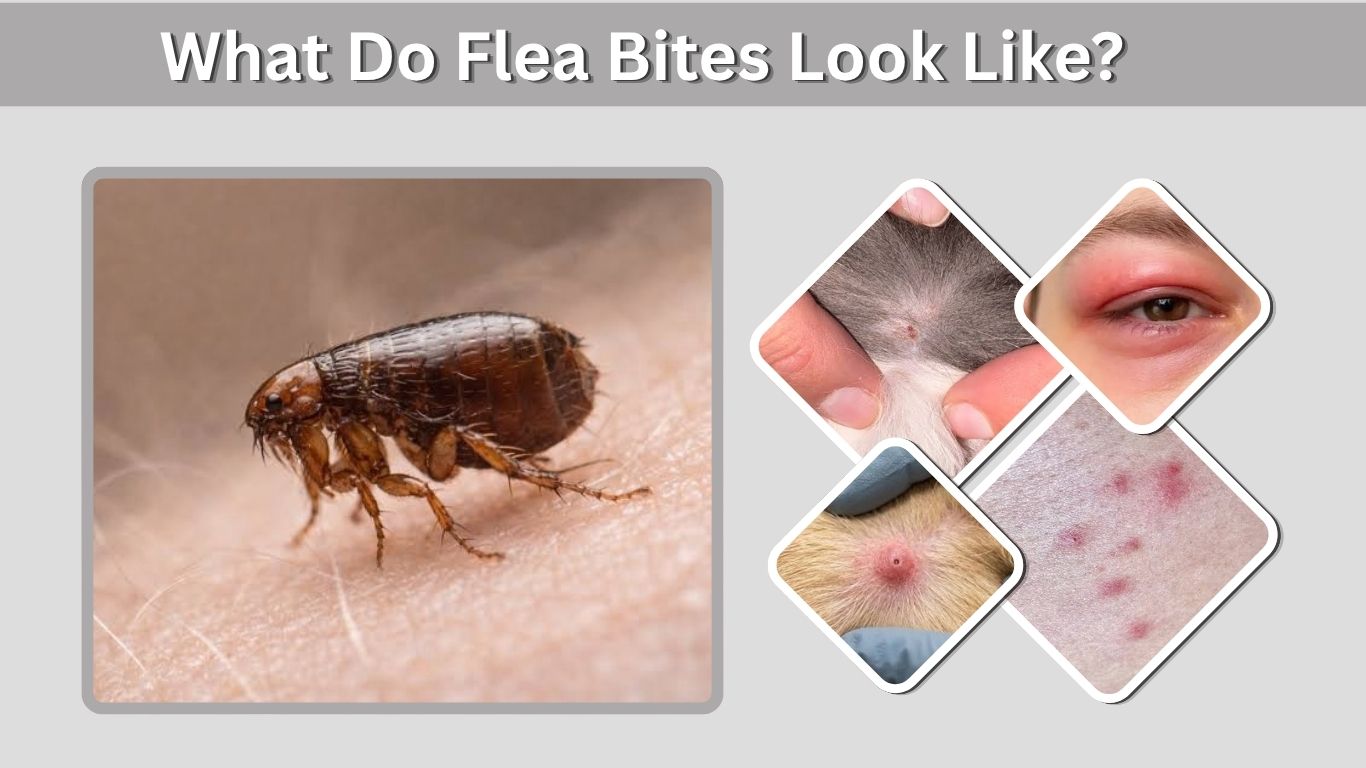
What do flea bites look like? On humans, flea bites usually appear as small, itchy, raised bumps that may occur in clusters or groups, especially around the ankles, lower legs, waist, or other areas close to clothing. On lighter skin they often look red, while on darker skin the redness may be less obvious and the bumps may appear darker or purple-brown. Flea bites can resemble bed bug, mosquito, or other insect bites, so their location and pattern can provide useful identification clues.
What Do Flea Bites Look Like on Humans?
Flea bites are generally small compared with many mosquito bites and can be intensely itchy. They develop after a flea pierces the skin to take a blood meal. The appearance varies from person to person because the visible reaction depends partly on sensitivity to flea saliva. Looking at size, distribution, and location together is more useful than relying on color alone.
Common Appearance of Flea Bites
Typical flea bites may have these characteristics:
- Small, raised bumps
- Red or discolored spots
- Intense itching
- Several bites grouped closely together
- Sometimes three or more bumps near one another
- A tiny darker point near the center in some bites
- Mild swelling around individual bites
- Occasional blisters in sensitive people
MedlinePlus notes that flea bites can appear as small, very itchy bumps and may occur in groups of three.
What Do Fresh Flea Bites Look Like?
Fresh flea bites may initially resemble tiny pinpricks or small raised bumps. Itching can begin quickly, although reactions differ between individuals.
The surrounding skin may gradually become more inflamed as the immune system reacts to flea saliva. Scratching can make the bumps larger and more irritated, making their original appearance harder to recognize.
What Do Flea Bites Feel Like?
Flea bites are generally more associated with itching than significant pain. Some people experience burning or tenderness, especially after scratching.
People who are especially sensitive to flea saliva may develop stronger swelling or blistering.
What Do Flea Bites Look Like on Different Skin Tones?
Skin color can significantly affect how an insect bite appears. Descriptions that focus exclusively on “red bumps” can therefore be misleading. Raised texture, itching, swelling, distribution, and the presence of several similar spots may be more helpful when identifying flea bites on brown or black skin.
Flea Bites on Light Skin
On lighter skin, flea bites commonly appear pink to bright red. The center may be darker and the surrounding area slightly swollen.
Multiple bites can make the affected skin appear patchy or irritated.
What Do Flea Bites Look Like on Black Skin?
On black or brown skin, redness may be subtle or difficult to see. The bite may instead appear purple, brown, dark red, or simply as a raised area that is easier to feel than see.
The NHS notes that redness caused by insect bites can be less visible on black or brown skin even though a raised lump remains noticeable.
After inflammation resolves, some people may also notice temporary darker discoloration where the bite occurred.
Where Do Flea Bites Usually Appear?
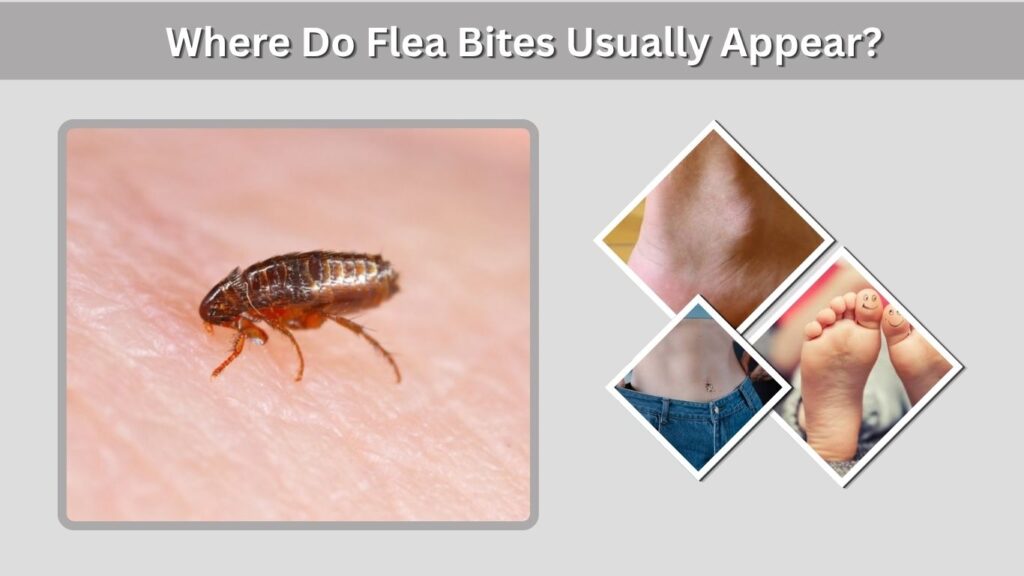
Fleas cannot fly but are powerful jumpers. Human bites commonly occur on portions of the body that fleas can reach from floors, carpets, furniture, bedding, or infested animals. This makes the lower legs particularly common locations. However, bites can occur elsewhere when fleas are present in clothing, furniture, or bedding.
Common Flea Bite Locations
Flea bites frequently appear on the:
- Ankles
- Feet
- Lower legs
- Calves
- Thighs
- Waist
- Buttocks
- Lower abdomen
- Areas where clothing fits closely
MedlinePlus specifically identifies the legs and areas where clothing fits tightly as common locations.
What Do Flea Bites Look Like on Human Legs?
On the legs, bites often look like numerous small itchy bumps rather than one large swollen welt. Several may appear close together around the ankle or lower calf.
The NHS similarly describes flea bites as commonly occurring in groups below the knees.
What Do Flea Bites Look Like After a Few Days?
Uncomplicated flea bites usually become less swollen and itchy as the skin reaction settles. The bumps may flatten and gradually fade.
Repeated scratching can prolong healing and may produce scabs. If bacteria enter broken skin, infection can develop, causing increasing pain, warmth, swelling, or pus rather than gradual improvement.
Flea Bites vs. Other Common Bug Bites
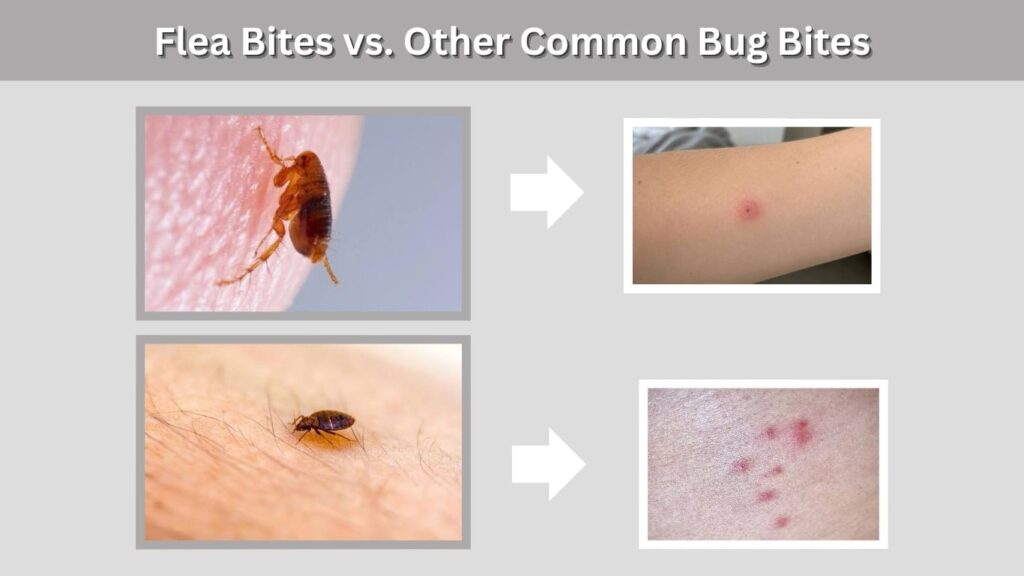
Flea bites cannot always be identified reliably by appearance alone. Bed bugs, mosquitoes, mites, and other insects can produce similar itchy bumps. The location of the bites, exposure history, presence of pets, timing, and evidence of insects in the home are therefore important when trying to determine what caused the reaction.
Flea Bites vs. Bed Bug Bites
Common differences include:
- Flea bites: Often concentrated around ankles and lower legs.
- Bed bug bites: Commonly occur on exposed skin while sleeping.
- Flea bites: Usually relatively small bumps.
- Bed bug bites: May form lines, clusters, or scattered welts.
- Fleas: Often associated with pets, carpeting, or animal resting areas.
- Bed bugs: Usually associated with beds, mattresses, furniture, and sleeping areas.
Neither arrangement is diagnostic because both insects can produce variable bite patterns.
Flea Bites vs. Mosquito Bites
Mosquito bites often develop into larger, softer, raised welts, whereas flea bites tend to remain relatively small and commonly occur in groups.
Both may itch intensely, so appearance alone may not identify the insect.
Flea Bites vs. Tick Bites
Ticks typically remain attached to the skin while feeding for considerably longer than fleas. A flea usually bites quickly and moves away.
Tick exposure can also involve different health risks, so an attached tick or unusual expanding rash should not simply be assumed to be a flea bite.
What Do Flea Bites Look Like on Dogs and Cats?
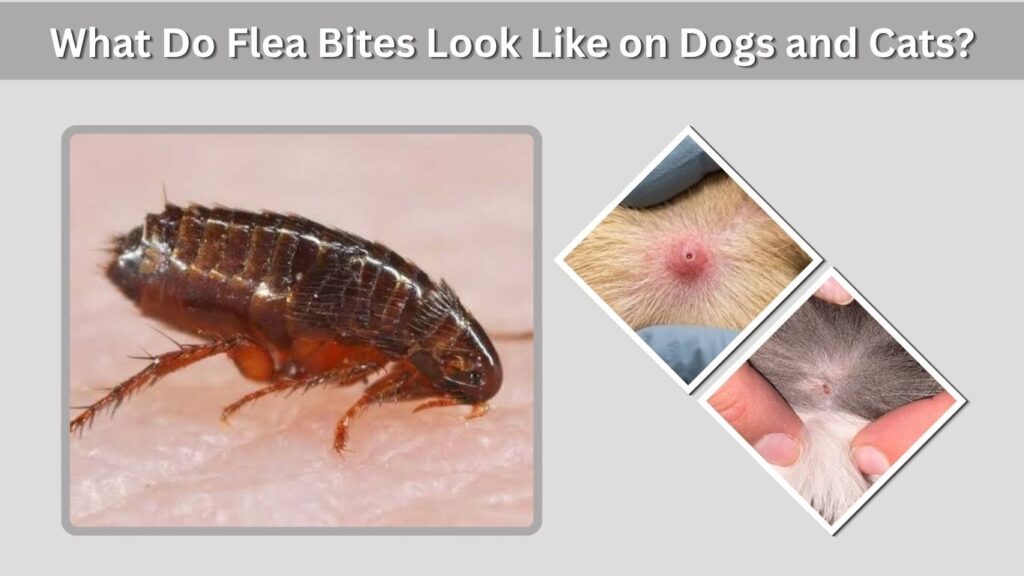
Pets are often the source of a household flea problem, but flea bites do not always appear as obvious isolated bumps beneath fur. Dogs and cats may instead develop itching, crusts, hair loss, or inflammation. Animals allergic to flea saliva can develop flea allergy dermatitis, sometimes from relatively limited flea exposure.
What Do Flea Bites Look Like on Dogs?
Possible signs include:
- Small irritated or crusty skin lesions
- Frequent scratching or chewing
- Hair loss
- Red or inflamed skin
- Irritation around the lower back
- Lesions near the base of the tail
- Irritation on the thighs or abdomen
- Dark flea dirt within the coat
Dogs with flea allergy dermatitis often develop particularly intense itching around the lower back, tail base, and thighs.
What Do Flea Bites Look Like on Cats?
Cats may develop small crusty bumps that can be difficult to see beneath the coat. Excessive grooming, scratching, hair loss, and irritated skin may be more obvious.
Flea allergy in cats can affect the head, neck, back, and area near the tail.
What Is Flea Dirt?
Flea dirt is flea fecal material containing digested blood. It can resemble tiny dark or reddish-black particles in a pet’s coat.
Merck notes that when flea excrement is placed on a damp paper towel, it can dissolve into a reddish-brown coloration because it contains blood.
How to Treat Flea Bites on Human Skin
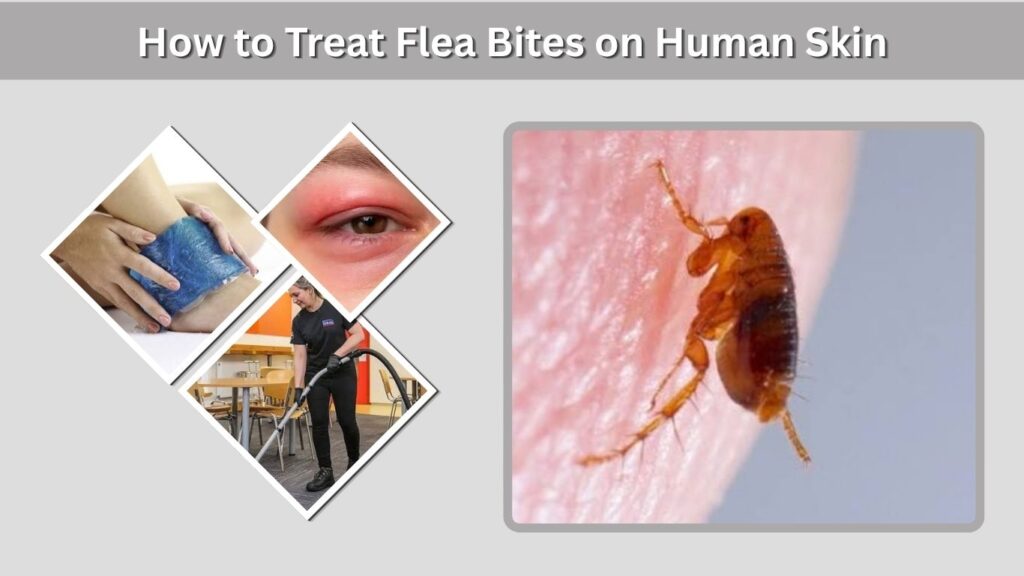
Most uncomplicated flea bites improve with basic home care. The main goal is to reduce itching while allowing the irritated skin to heal. Washing the affected area gently and avoiding scratching are important because broken skin can become infected.
Reducing Itching and Irritation
A cool compress can help calm itching and swelling. MedlinePlus notes that over-the-counter 1% hydrocortisone cream and oral antihistamines may help relieve itching in appropriate individuals. If you have medical conditions, take other medicines, are pregnant, or are treating a child, ask a healthcare professional or pharmacist which products are suitable.
Scratching should be minimized even when the bites are intensely itchy. Repeated scratching damages the skin barrier and increases the chance of a secondary bacterial infection.
Getting Rid of the Fleas
Treating your skin alone will not solve repeated bites if fleas remain in your surroundings.
Pets with suspected fleas should receive veterinarian-recommended flea control. Bedding, carpeting, furniture, and other areas where pets spend time may also require cleaning and appropriate flea management because flea eggs can fall from animals into their environment.
When Should You See a Doctor?
Most flea bites are minor and improve without medical treatment. However, worsening symptoms can indicate infection, an unusually strong reaction, or another condition that resembles flea bites. A clinician can also help when you repeatedly develop unexplained bites and cannot determine their cause from environmental evidence.
Signs of an Infected Flea Bite
Increasing redness or discoloration, worsening pain, warmth, pus, or spreading swelling can suggest a secondary skin infection, particularly after repeated scratching.
Seek medical attention promptly for rapidly worsening symptoms or significant illness. Emergency help is warranted for symptoms of a severe allergic reaction, such as difficulty breathing, severe facial or mouth swelling, trouble swallowing, or fainting.
FAQs
Understanding what flea bites look like is helpful, but a picture or skin reaction alone cannot always confirm the cause. Fleas, bed bugs, mosquitoes, mites, allergies, and some skin conditions can produce overlapping symptoms. Consider where the bumps occur, whether pets are scratching, and whether fleas or flea dirt are present in your environment.
1. What do flea bites look like at first?
Fresh flea bites commonly appear as tiny raised, itchy spots. On light skin they may look pink or red, while on darker skin they may appear darker, purple-brown, or primarily as raised bumps.
2. Do flea bites appear in a line?
They can appear in groups or sometimes a loose line, but this pattern is not unique to fleas. Bed bug bites can also occur in clusters or lines.
3. What do flea bites look like on ankles?
They commonly look like clusters of small, intensely itchy raised bumps around the ankle and lower leg. These are among the most frequent human bite locations.
4. What do infected flea bites look like?
An infected bite may become increasingly swollen, painful, warm, or discolored and may develop pus. Symptoms that worsen instead of gradually improving should be medically evaluated.
5. How long do flea bites last?
Many uncomplicated insect bites settle over several days, although itching or discoloration may persist longer depending on an individual’s reaction and whether the skin has been scratched. Persistent or worsening lesions should be assessed rather than assumed to be ordinary flea bites.