
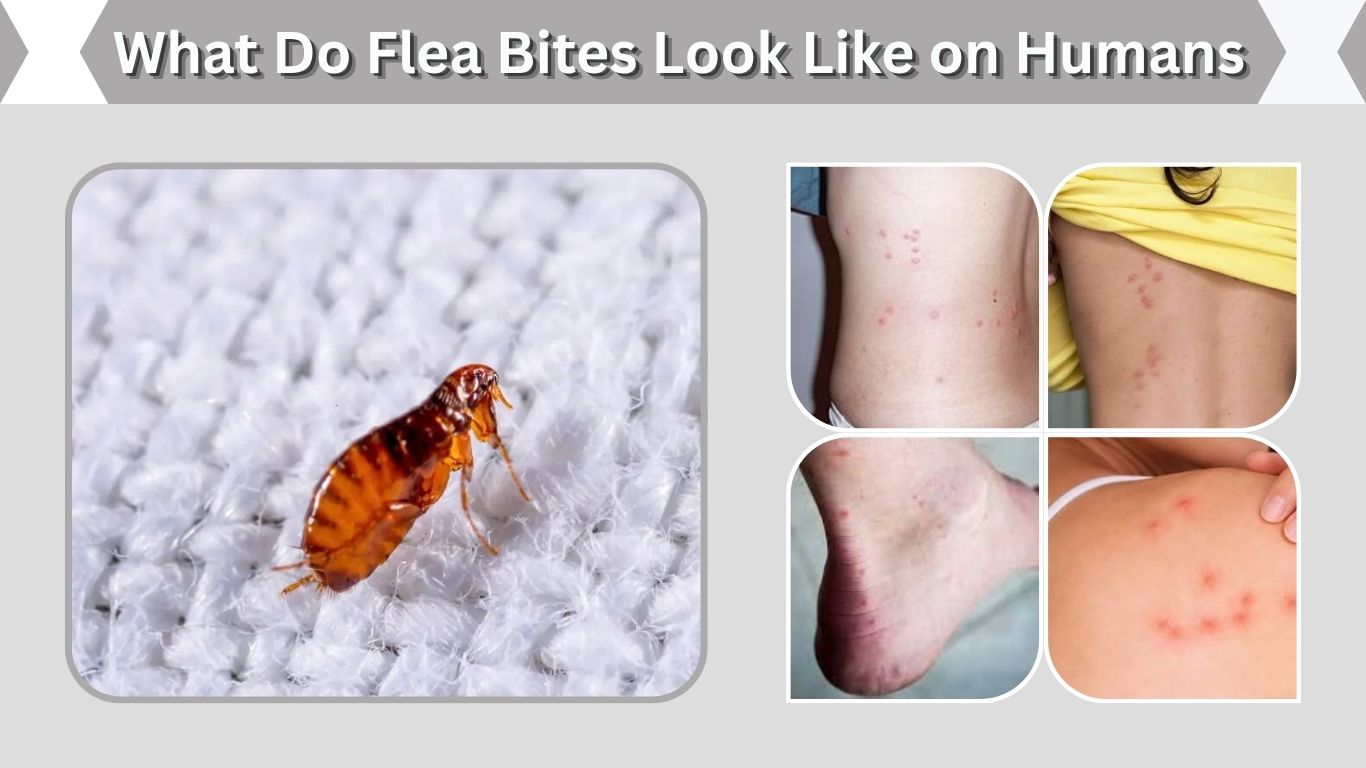
What do flea bites look like on humans? Flea bites usually appear as small, intensely itchy, raised bumps that may develop in clusters or groups. They are especially common around the ankles, lower legs, waist, thighs, and areas where clothing fits tightly. On lighter skin, the bumps often appear red or pink, while color changes may be less obvious on darker skin. Although flea bites are usually minor, scratching can lead to irritation or infection, making proper identification and treatment important.
What Do Flea Bites Look Like on Humans?
Flea bites are generally smaller than typical mosquito bites and often appear close together. The exact reaction differs between individuals because some people are more sensitive to flea saliva than others. Looking at the size, itching, location, and grouping of the marks together can help distinguish flea bites from other common insect bites.
Common Appearance of Flea Bites
Typical flea bites on human skin may show:
- Small raised bumps
- Red, pink, brown, or darker discoloration
- Intense itching
- Several bites grouped together
- Bites appearing close to one another
- A small darker center in some bumps
- Mild swelling around the bite
- Occasional blisters in sensitive individuals
MedlinePlus describes flea bites as small, very itchy bumps that may occur in groups, sometimes with several bites close together.
What Do Fresh Flea Bites Look Like?
Fresh flea bites can begin as tiny raised spots that resemble small pinpricks. Redness or discoloration may develop around them as the body reacts to flea saliva.
The bites often become more noticeable after itching begins. Scratching can increase swelling and irritation, so older flea bites may look much larger than they did initially.
What Do Flea Bites Feel Like?
Flea bites usually cause itching rather than significant pain. The itching can range from mild to intense and may continue for several days.
People who are particularly sensitive to flea bites can develop stronger swelling or even small blisters.
Where Do Flea Bites Appear on Humans?
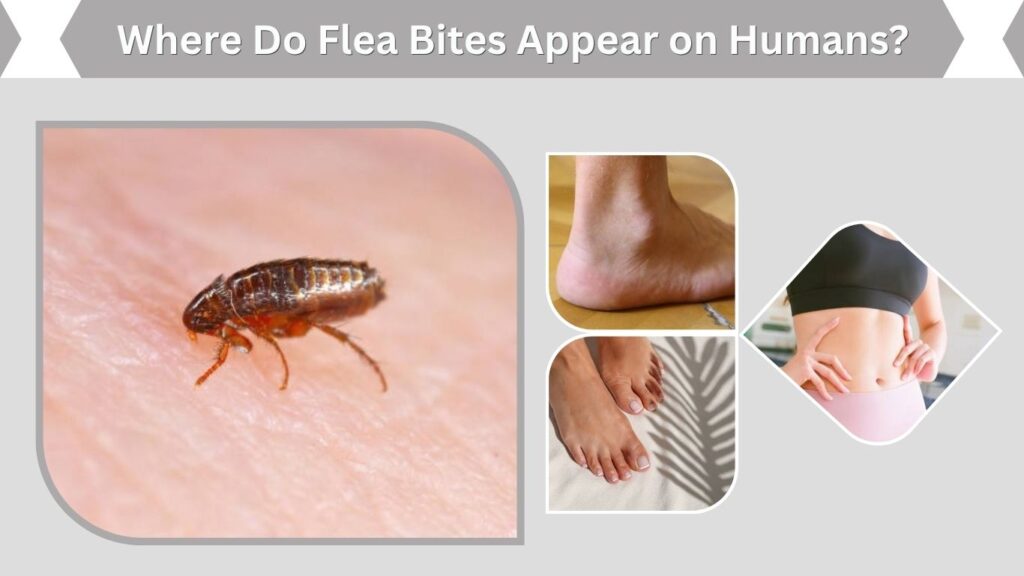
Location provides an important clue when identifying flea bites. Fleas cannot fly, but they can jump onto people from floors, carpets, furniture, pets, or animal bedding. Because of this behavior, bites frequently occur on the lower half of the body, although fleas can bite almost anywhere when they gain access beneath clothing.
Common Flea Bite Locations
Flea bites frequently occur around the:
- Ankles
- Feet
- Lower legs
- Calves
- Thighs
- Waist
- Buttocks
- Lower abdomen
- Areas where clothing fits tightly
MedlinePlus specifically notes that flea bites commonly occur on the legs and areas where clothing fits close to the skin.
What Do Flea Bites Look Like on Human Legs?
On human legs, flea bites commonly appear as several small itchy bumps rather than a single large welt. They may be concentrated around the ankle or lower calf.
The NHS notes that flea bites are commonly found in groups below the knees, making lower-leg distribution a useful clue.
Flea Bites Around the Ankles
Ankles are one of the most common flea-bite locations because fleas living in carpeting, pet bedding, floor cracks, or outdoor areas can easily jump onto the lower legs.
Multiple itchy bumps around both ankles may therefore suggest flea exposure, particularly when pets are also scratching.
What Do Flea Bites Look Like on Different Skin Tones?
Flea bites do not appear exactly the same on everyone. Many descriptions focus on bright red bumps, but redness can be much less noticeable on brown or black skin. Texture, swelling, itching, and the distribution of the bites may therefore provide more reliable clues than color by itself.
Flea Bites on Light Skin
On lighter skin, a bite may initially appear pink or bright red, sometimes with a darker dot around the center.
Several nearby bites can create an area of noticeable redness, particularly after scratching.
Flea Bites on Black or Brown Skin
On darker skin tones, flea bites may appear purple, dark brown, deep red, or simply as raised bumps with relatively little visible color change.
The NHS explains that redness from insect bites can be harder to see on black or brown skin, although the raised area can usually still be felt.
After the bite heals, temporary darker pigmentation may remain in some people, especially if the area has been repeatedly scratched.
Are Flea Bites Always Red?
No. Color depends on natural skin tone, inflammation, healing stage, and individual sensitivity.
For identification, focus on itching, grouping, location, recent exposure to animals or fleas, and whether other household members or pets are experiencing similar symptoms.
Flea Bites vs. Bed Bug, Mosquito and Tick Bites
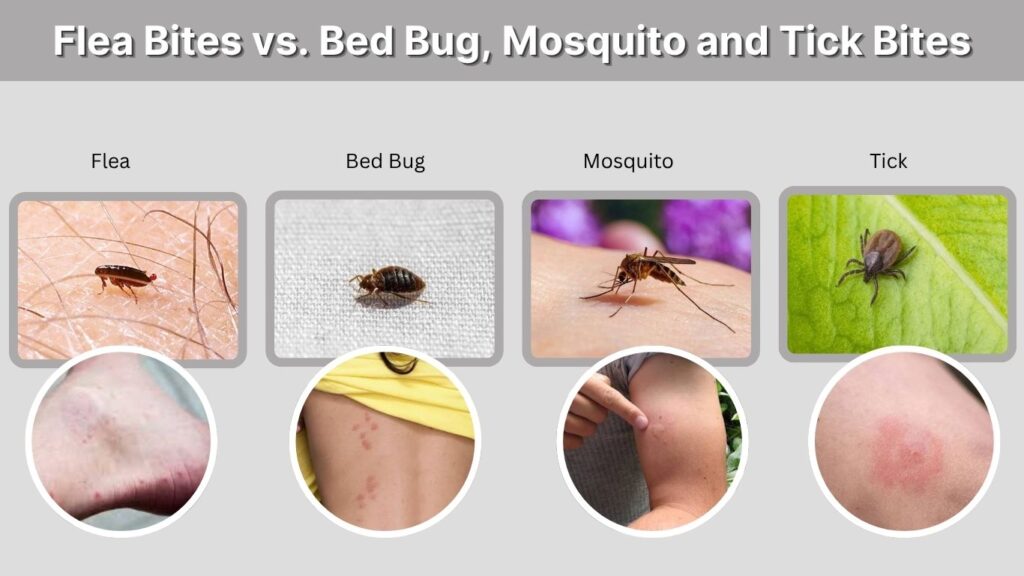
Many insect bites resemble one another, so identifying the cause from a skin bump alone can be difficult. Where the bites occur, when they appear, and evidence of insects around the home are often more useful. Flea bites are particularly easy to confuse with bed bug and mosquito bites.
Flea Bites vs. Bed Bug Bites
Some general differences include:
- Flea bites: Frequently occur around ankles and lower legs.
- Bed bug bites: Often occur on exposed areas while sleeping.
- Flea bites: Usually relatively small and intensely itchy.
- Bed bug bites: May form larger welts or clustered marks.
- Fleas: Often associated with pets, carpets, or animal bedding.
- Bed bugs: More strongly associated with mattresses, bed frames, and furniture.
Neither bite arrangement can confirm the insect by itself.
Flea Bites vs. Mosquito Bites
Mosquito bites generally produce larger, softer welts than flea bites. They can occur on almost any exposed part of the body.
Flea bites tend to be smaller and are particularly common on the legs and ankles.
Flea Bites vs. Tick Bites
Ticks normally attach themselves to the skin and feed for an extended period, whereas fleas bite quickly and move away.
A person may therefore discover an attached tick or one obvious attachment site instead of numerous small flea-like bumps.
Can Dog and Cat Fleas Bite Humans?
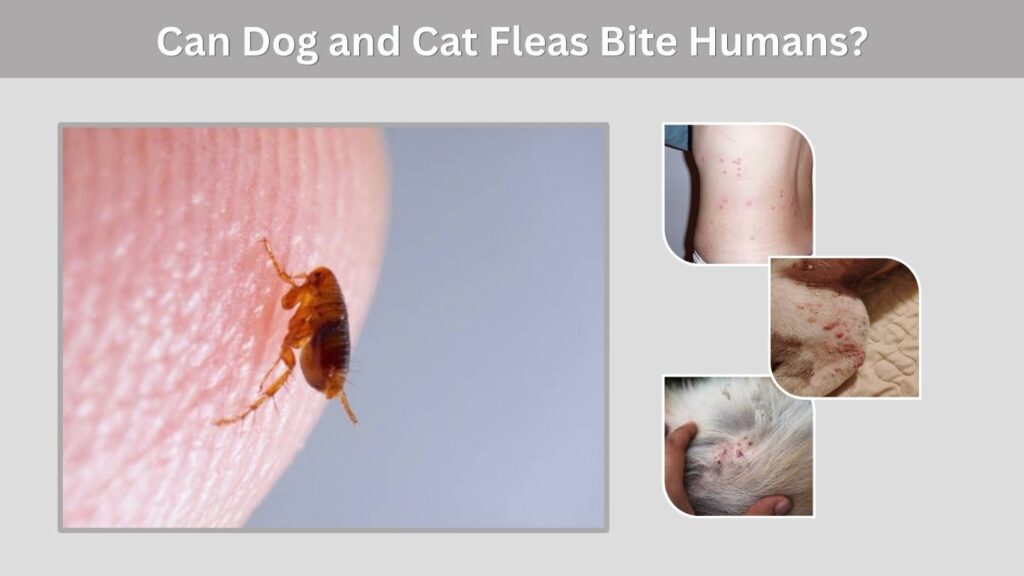
Yes. Fleas commonly associated with dogs and cats can also bite people. The CDC notes that fleas survive by feeding on animal or human blood, and the cat flea and dog flea are among species associated with people and pets.
Dog Flea Bites on Humans
A flea from an infested dog can bite a person, particularly when there is a substantial flea population in the home.
The bites themselves do not have a unique appearance simply because the flea came from a dog. They generally appear as the same small itchy bumps found with other flea exposure.
Cat Flea Bites on Humans
Cat fleas can also feed on humans. In fact, the cat flea is a common flea associated with domestic pets.
If a cat is scratching frequently and household members begin developing itchy ankle or leg bumps, checking the pet and surrounding environment for fleas can help identify the source.
Why Fleas Keep Biting People
Adult fleas normally prefer suitable animal hosts, but fleas in an infested environment can readily bite people.
Flea eggs and immature stages may also remain in carpets, cracks, bedding, furniture, and pet resting areas, allowing new adults to emerge even after visible fleas on a pet have been treated.
What Do Infected Flea Bites Look Like?
Most flea bites improve without complications. However, intense itching may lead people to scratch repeatedly, breaking the skin barrier and allowing bacteria to enter. MedlinePlus specifically identifies skin infection from scratching as a possible complication of flea bites.
How Infection Develops
A normal flea bite should generally become less irritated as it heals. An infected area tends to move in the opposite direction, becoming increasingly painful, swollen, warm, or inflamed.
Pus or fluid may develop, and the surrounding area may become progressively more tender.
When to Seek Medical Advice
Consider medical evaluation when a suspected flea bite becomes increasingly painful, swollen, hot, or produces pus instead of gradually improving.
You should also seek urgent medical assistance for significant facial or throat swelling, difficulty breathing, faintness, or other signs of a severe allergic reaction.
Most ordinary insect bites settle within several days, according to NHS guidance.
How to Treat Flea Bites on Humans
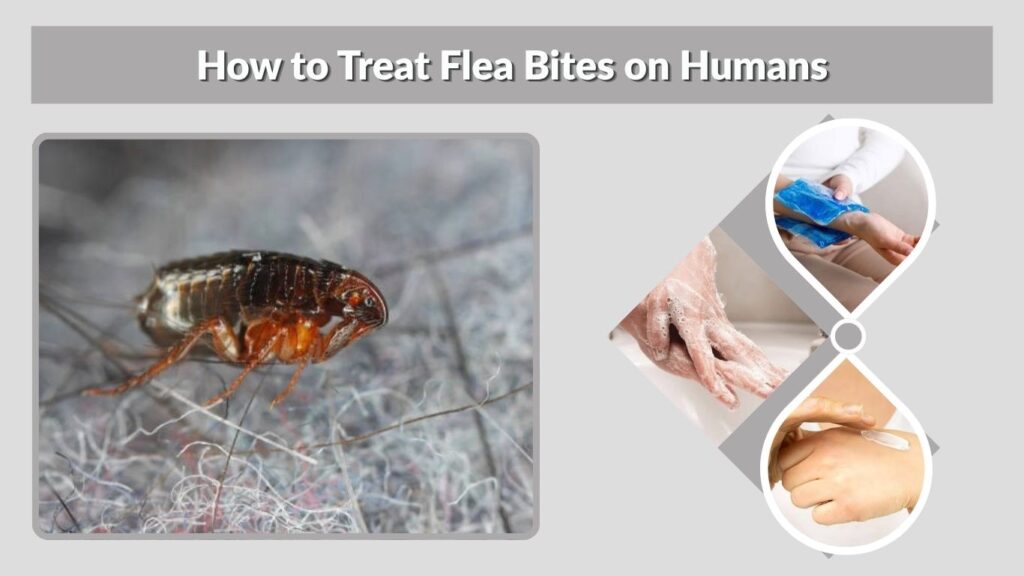
Most uncomplicated flea bites can be managed at home. Treatment focuses primarily on reducing itching, protecting damaged skin, and preventing repeated exposure. However, treating the person alone will not stop new bites when fleas continue living on pets or elsewhere in the home.
Basic Flea Bite Care
Helpful steps can include:
- Wash the affected skin gently with soap and water.
- Avoid scratching the bites.
- Apply a cool compress if swelling is uncomfortable.
- Keep irritated skin clean.
- Ask a pharmacist about an appropriate anti-itch treatment.
- Monitor the skin for signs of infection.
The NHS recommends washing insect bites, using a cold compress for swelling, avoiding scratching, and considering antihistamines or hydrocortisone for itching when appropriate.
Relieving Itching
MedlinePlus notes that over-the-counter 1% hydrocortisone cream and oral antihistamines may help relieve itching from flea bites.
Always follow product instructions and ask a healthcare professional or pharmacist before using medicines in young children, during pregnancy, or when existing medical conditions or medications could affect treatment choices.
Stop New Flea Bites
Skin treatment will provide only temporary relief if fleas remain in the environment.
Pets may require veterinarian-recommended flea treatment, while bedding, carpeting, furniture, and other flea-prone areas need appropriate cleaning and control.
How Long Do Flea Bites Last?
The length of time flea bites remain visible varies from person to person. Many uncomplicated insect bites improve over several days, although itching or discoloration may sometimes persist longer.
Normal Healing
As a flea bite heals, swelling and itching should gradually decrease. Raised bumps flatten, and redness or other discoloration begins to fade.
Avoiding scratching usually helps the skin recover more smoothly.
Bites That Do Not Heal
Persistent lesions do not necessarily mean fleas continue biting the exact same location. Scratching, allergic reactions, secondary infection, or another skin condition may delay healing.
If bumps persist, spread, repeatedly return, or do not match typical flea exposure, consider having them evaluated by a healthcare professional rather than diagnosing them solely from pictures.
FAQs
Flea bites often share features with other insect bites, so no single appearance confirms the cause. Location, grouping, flea exposure, pet symptoms, and environmental evidence all help. These common questions cover some of the details people most frequently notice when trying to identify flea bites on human skin.
1. What do flea bites on humans look like?
They commonly appear as small, raised, intensely itchy bumps. Several may occur close together, particularly around the ankles and lower legs.
2. What do flea bites look like on humans’ legs?
They often appear as clusters of small itchy bumps around the ankles, calves, and lower legs. Flea bites are commonly found below the knees.
3. What do flea bites look like when they first appear?
Fresh bites may look like tiny raised spots or pinpricks that become more noticeable as itching, swelling, and inflammation develop.
4. What do infected flea bites look like on humans?
An infected bite may become increasingly swollen, painful, warm, or inflamed and can develop pus or drainage. Scratching flea bites can increase the risk of secondary skin infection.
5. How can I tell if the bites are from fleas?
Look for small itchy bites concentrated around the ankles and lower legs, especially when pets are scratching or fleas are found in the home. However, bite appearance alone cannot reliably prove that fleas are responsible.
