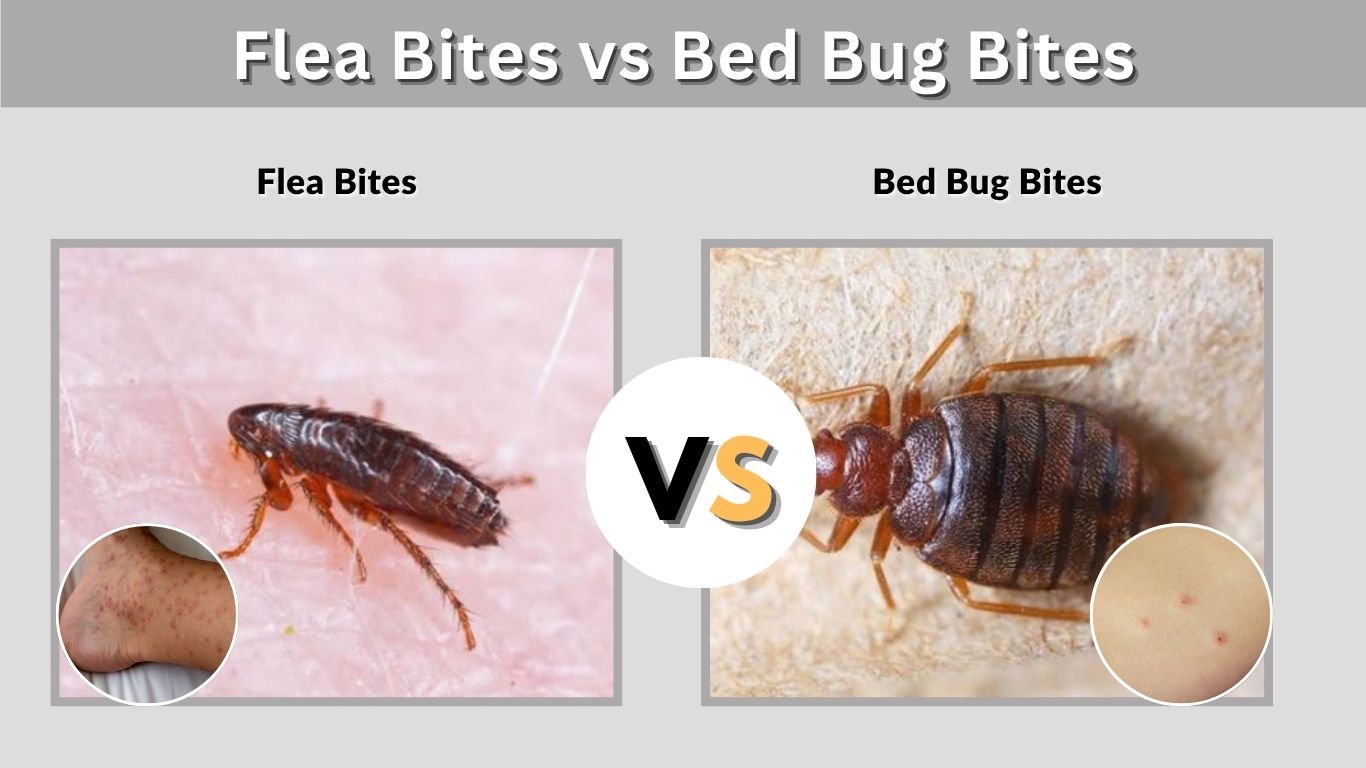
Flea bites vs bed bug bites can be difficult to tell apart because both may cause small, red, intensely itchy bumps. However, their usual location, bite pattern, timing, and evidence around the home can provide useful clues. Flea bites frequently affect the ankles and lower legs, while bed bug bites commonly appear on exposed skin after sleeping. Neither can always be identified from appearance alone, so checking your pets, bedding, mattress, furniture, and surrounding environment is the most reliable approach.
Flea Bites vs Bed Bug Bites: Quick Comparison
Flea and bed bug bites overlap considerably in appearance, which means a skin mark alone cannot confirm which pest is responsible. The CDC specifically notes that bed bug bite reactions are not diagnostic. Instead, compare where the bites appear, when they develop, their general pattern, and whether you find physical signs of fleas or bed bugs nearby.
| Feature | Flea Bites | Bed Bug Bites |
| Typical appearance | Small, itchy red bumps | Red or swollen itchy welts |
| Common location | Ankles, feet, lower legs | Face, neck, arms, hands, other exposed skin |
| Pattern | Small groups or scattered bites | Random, clustered, straight, or zigzag lines |
| When bites occur | Any time fleas contact you | Commonly while sleeping |
| Main source | Pets, carpets, animal resting areas | Beds, mattresses, furniture, cracks |
| Pest movement | Fleas jump | Bed bugs crawl |
| Disease concern | Some fleas can transmit pathogens | Bed bugs are not known to spread disease |
What Do Flea Bites Look Like?
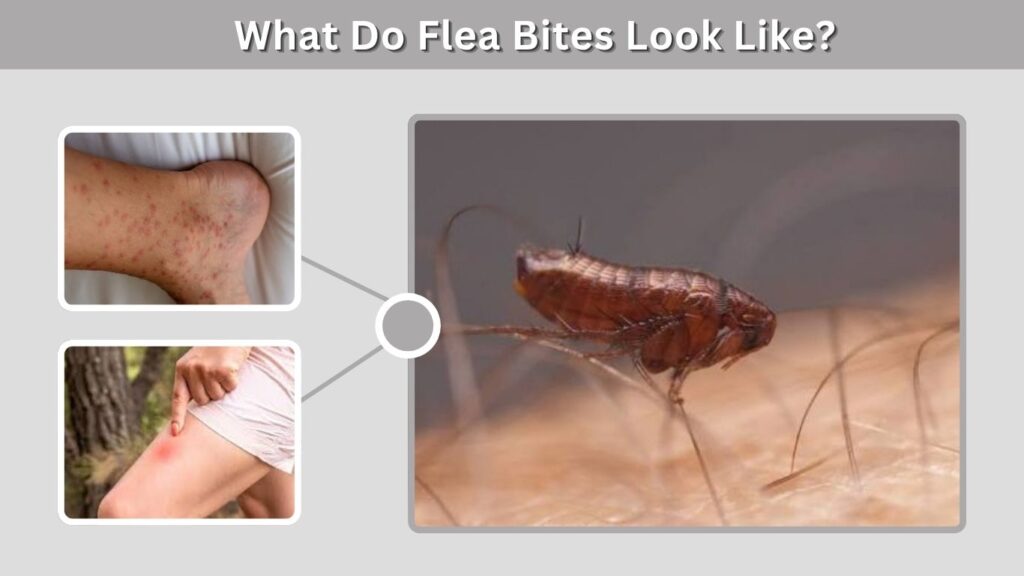
Flea bites often produce small itchy bumps surrounded by mild redness. Because fleas are tiny, jumping insects frequently encountered close to floor level, bites commonly occur around the feet and legs. Reactions vary considerably among people, however, and some individuals may develop more noticeable swelling or irritation than others.
Common Flea Bite Signs
Possible characteristics include:
- Small red or pink bumps
- Intense itching
- Multiple bites close together
- Mild swelling
- Bites around ankles and lower legs
- Irritated skin from scratching
- New bites when spending time around infested pets or carpeting
Fleas feed on blood from animals and people, and cat and dog fleas can both affect humans.
Flea Bites on Humans
Flea bites are commonly associated with the lower body because fleas may jump from flooring, pet bedding, carpets, or animals onto nearby people.
They can bite elsewhere, though, particularly when someone sits or lies in an infested area. Location is therefore a clue rather than an absolute identification method.
What Do Bed Bug Bites Look Like?
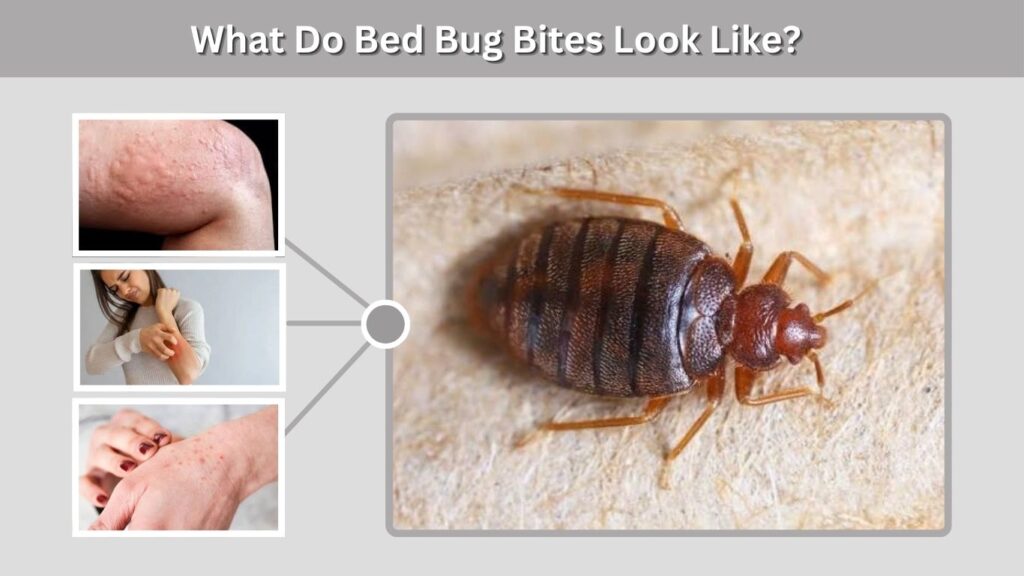
Bed bug bites may appear as small swollen areas or larger itchy welts. Some people develop visible marks quickly, while others may not show a reaction for several days. The CDC reports that bed bug bite marks can appear randomly or in a straight line and may take as long as 14 days to become noticeable in some individuals.
Common Bed Bug Bite Signs
Look for:
- Red, pink, or swollen welts
- Intense itching
- Several bites close together
- Straight or zigzag arrangements
- Bites noticed after sleeping
- Marks on arms, hands, neck, or face
- Repeated bites over several nights
The American Academy of Dermatology notes that bed bug bites can occur in clusters, sometimes containing several bites arranged in a zigzag pattern.
Bed Bug Bites on Dark or Black Skin
On darker skin tones, redness may be less obvious. Bed bug bites may instead look reddish-brown, purple, or darker than the surrounding skin, and swelling or texture changes may be easier to notice than color alone.
The visible reaction varies widely, so environmental evidence remains important regardless of skin tone.
Where Flea Bites vs Bed Bug Bites Usually Appear
Body location can provide one of the more useful clues when comparing bed bug bites vs flea bites on humans. Fleas frequently contact people from low-level environments, while bed bugs generally emerge from hiding places around sleeping areas and feed on whatever skin is accessible.
Typical Bite Locations
Flea bites commonly affect:
- Ankles
- Feet
- Lower legs
- Calves
- Areas near tight clothing
Bed bug bites commonly affect:
- Arms
- Hands
- Neck
- Face
- Shoulders
- Legs or other uncovered areas
However, either pest can potentially bite other accessible areas.
Bites on the Legs
Bites concentrated around the ankles and lower legs make fleas more likely, particularly when pets also scratch excessively or fleas are found in carpeting.
Bed bugs can also bite the legs when they are uncovered during sleep. Therefore, bites on the legs are not enough by themselves to rule bed bugs in or out.
Bite Pattern and Timing Differences
Patterns are frequently emphasized in pictures of flea bites vs bed bug bites, but real bites are not always textbook examples. Bed bugs can produce lines or clusters, while flea bites may also occur in groups. Timing and environmental evidence usually provide stronger confirmation than trying to identify a pest solely from a photograph.
Bed Bug Bite Patterns
Bed bugs often feed while a person sleeps. Their bites may appear individually, randomly, or as several marks in a line or zigzag.
Because skin reactions can be delayed, a person may wake without marks and notice itchy welts later. This delay can make it difficult to identify exactly where the exposure occurred.
Flea Bite Patterns
Fleas may bite repeatedly when searching for a suitable feeding site, creating multiple closely spaced bumps.
Unlike bed bugs, flea activity is not limited to sleeping hours. New bites may appear after walking across an infested carpet, sitting near an animal’s resting place, or interacting with a flea-infested pet.
How to Tell Whether You Have Fleas or Bed Bugs
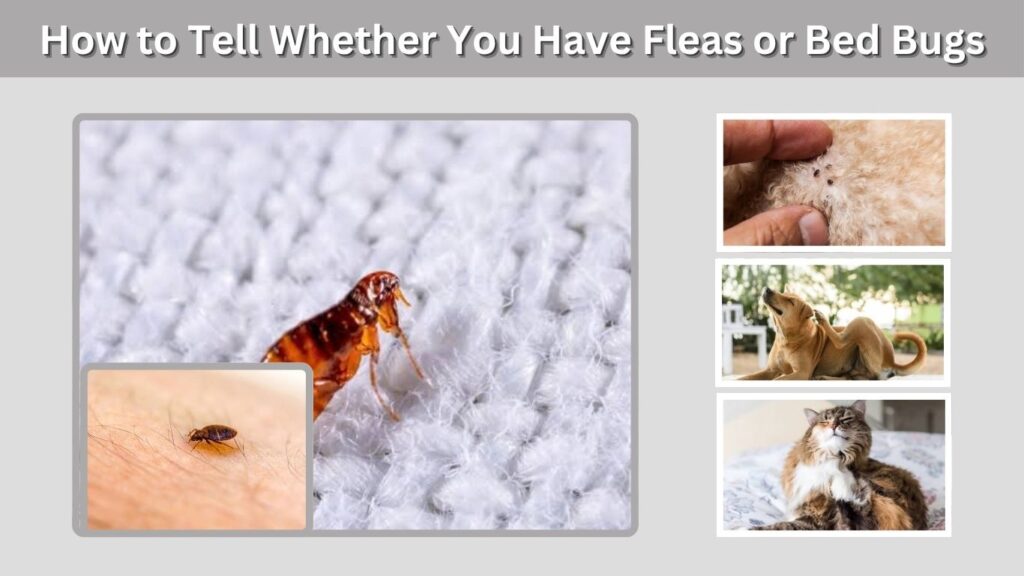
The strongest evidence usually comes from finding the pest or characteristic signs around the home. The CDC states that confirmation of bed bugs is best achieved by identifying actual adults or nymphs rather than relying solely on the inflammatory skin reaction.
Look for These Environmental Signs
Possible flea evidence includes:
- Fleas jumping on pets or flooring
- Pets scratching excessively
- Flea dirt in animal fur
- Fleas around pet bedding
- Bites concentrated near floor level
Possible bed bug evidence includes:
- Live reddish-brown bed bugs
- Dark fecal spots
- Rust-colored blood spots
- Shed exoskeletons
- Eggs near mattress seams
- Activity around beds or upholstered furniture
Bed bugs typically hide near places where people sleep.
Flea vs Bed Bug vs Mosquito and Chigger Bites
Mosquito, chigger, flea, and bed bug bites can all produce itchy bumps, so appearance alone has limited diagnostic value. Mosquito bites are often larger isolated welts, while chigger bites frequently develop around areas where clothing presses against the skin. Flea and bed bug bites are often distinguished more effectively by exposure history and pest evidence than by shape.
Why Pictures Can Be Misleading
Searching flea vs bed bug bites pictures can provide a useful general reference, but photographs should not be treated as definitive diagnosis.
Individual immune reactions differ, and scratching changes how bites look. Eczema, hives, contact dermatitis, and other insect bites can also resemble either flea or bed bug reactions.
Treating Flea and Bed Bug Bites
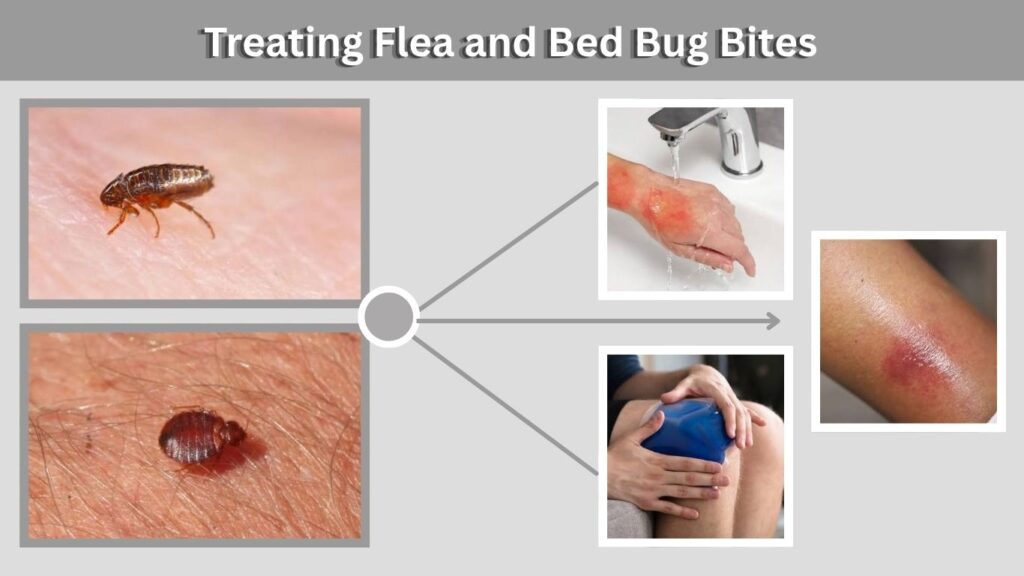
Most uncomplicated flea and bed bug bites improve without extensive medical treatment. The main goals are controlling itching, protecting irritated skin, and eliminating the pest responsible for repeated exposure. Scratching should be minimized because damaged skin can develop a secondary bacterial infection.
Basic Bite Care
You can generally:
- Wash the affected skin gently
- Avoid scratching
- Apply a cool compress for itching
- Keep scratched areas clean
- Ask a pharmacist or clinician about suitable itch relief
- Treat a flea infestation on pets and in the home
- Arrange appropriate bed bug control when infestation is confirmed
Removing the infestation is essential because treating the bites alone will not prevent additional bites.
When to Seek Medical Care
Contact a healthcare professional if bites become increasingly painful, warm, swollen, or begin producing pus, as these changes can suggest infection.
Seek urgent medical attention for breathing difficulty, severe facial or throat swelling, widespread hives, dizziness, or another serious allergic reaction. Severe reactions to bed bug bites are uncommon but can occur.
FAQs
Which is itchier, flea bites or bed bug bites?
Both flea and bed bug bites can become intensely itchy, and the severity depends more on a person’s immune response than on a simple rule about which insect is worse. Flea bites often become noticeable quickly, while some people do not react to bed bug bites until days after being bitten.
How can I tell if my bites are from fleas or bed bugs?
Consider the location, timing, and environmental evidence. Bites around the ankles combined with fleas on pets favor fleas. Bites noticed after sleeping combined with blood spots, fecal marks, shed skins, or live bugs around a mattress favor bed bugs. Skin appearance alone cannot reliably confirm either pest.
Do flea bites and bed bug bites look the same?
They can look remarkably similar. Both can produce itchy red or swollen bumps occurring individually or in groups. Flea bites tend to favor the lower legs, while bed bug bites often involve exposed skin. However, there is enough overlap that pest identification should not rely solely on photographs.
Which goes away faster, flea bites or bed bug bites?
Healing time varies between people and depends on sensitivity, scratching, and continued exposure. Many uncomplicated insect bites gradually improve within days, while bed bug welts may persist for a week or two in some people. Continued new bites usually indicate the underlying infestation has not yet been controlled.
Are flea bites or bed bug bites dangerous?
Most cause itching and irritation rather than serious illness. Bed bugs are not known to transmit diseases to humans, although scratching can cause infection. Some flea species can transmit disease-causing organisms, making correct identification and infestation control important when unexplained flea exposure continues.