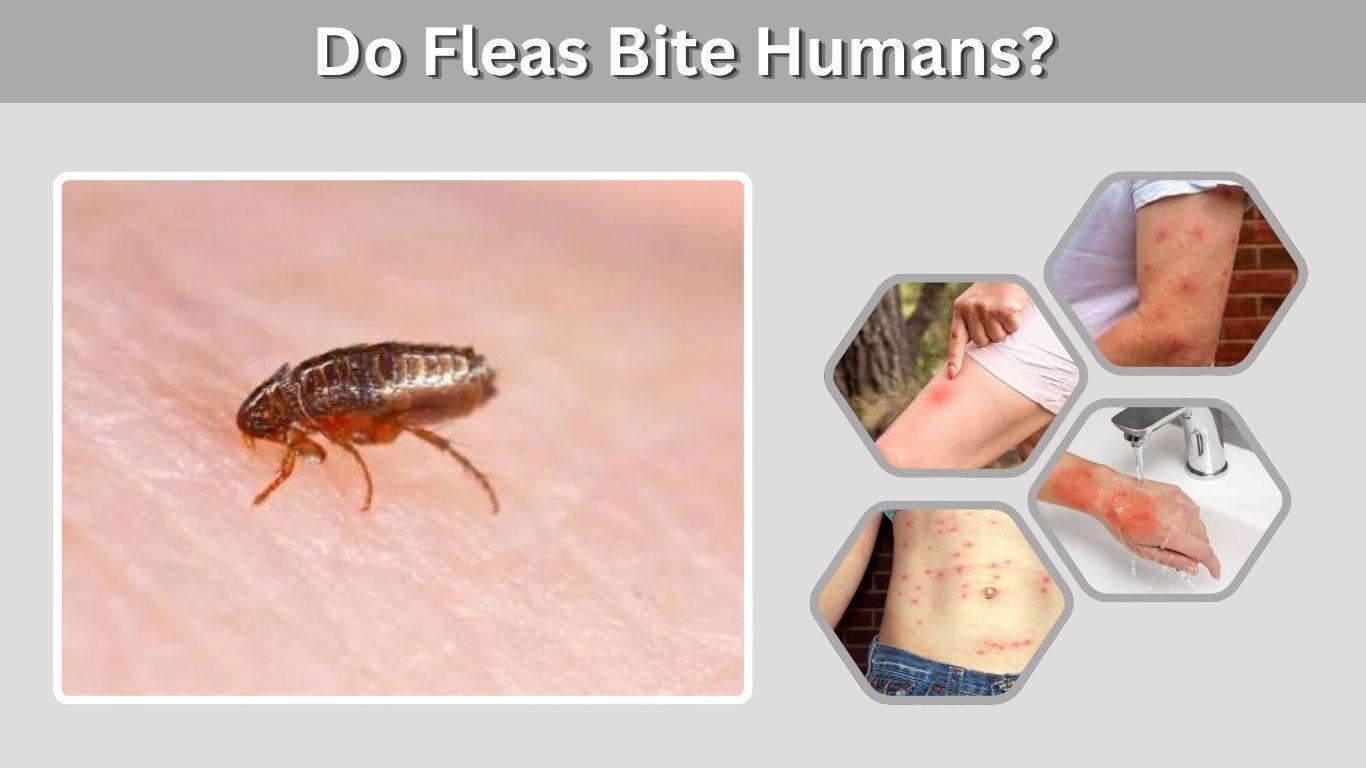
Do fleas bite humans? Yes. Fleas are blood-feeding insects that normally prefer animal hosts such as cats, dogs, and rodents, but they can readily bite people. Human flea bites often appear as small, intensely itchy red bumps, especially around the ankles and lower legs. Cat fleas and dog fleas can both feed on humans, particularly when an infested pet or another animal is nearby. Understanding where fleas bite, why some people seem more attractive to them, and how to respond can make an infestation easier to recognize and control.
Why Do Fleas Bite Humans?
Adult fleas need blood meals for survival and reproduction. Although many flea species have preferred animal hosts, they may feed on people when given the opportunity. Fleas locate potential hosts by detecting signals such as movement, warmth, vibrations, and breathing. Human bites are especially common when fleas are present in carpets, pet bedding, furniture, or areas frequented by infested animals.
Why Fleas Choose People
Fleas may bite humans when:
- An infested cat or dog lives in the home
- Fleas are developing in carpets or pet bedding
- A pet has recently been removed from the house
- Rodents or other animals carry fleas nearby
- A person walks through a heavily infested area
- Hungry adult fleas cannot immediately find their preferred animal host
MedlinePlus notes that fleas often prefer cats and dogs but may turn to people as another blood source.
Why Do Fleas Bite Some Humans More Than Others?
People sometimes notice that one family member receives many bites while another notices almost none. This does not necessarily mean fleas completely avoid certain people.
Differences in exposure, clothing, where someone sits or sleeps, body heat, movement, and individual skin reactions can make one person appear more frequently bitten. Some individuals may also react more visibly to flea saliva than others.
Where Do Fleas Bite Humans?
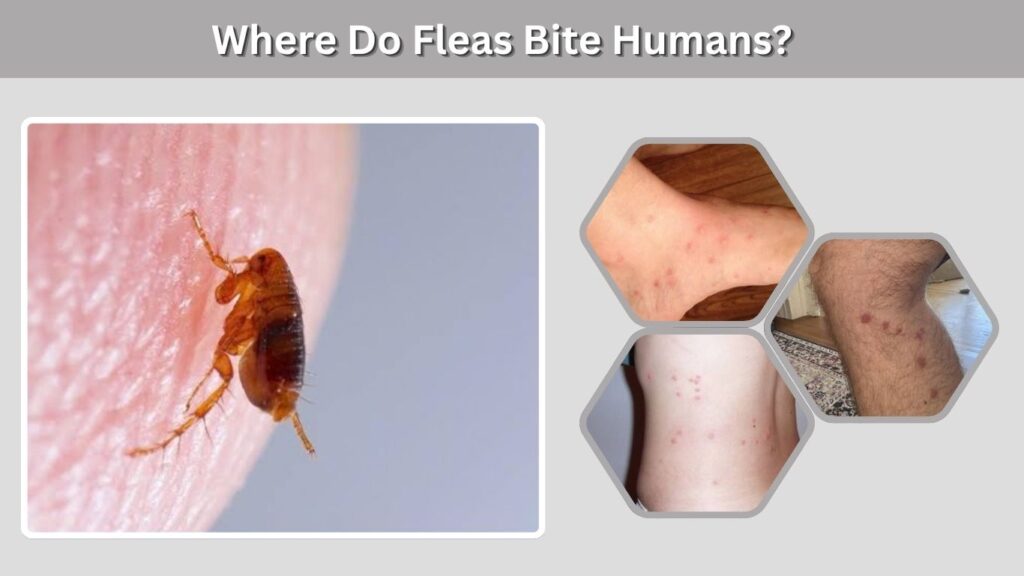
Where fleas bite humans often provides a useful identification clue. Because adult fleas frequently live near floor level and can jump onto passing hosts, the lower body is especially vulnerable. However, bites can occur elsewhere when fleas are present in bedding, upholstered furniture, clothing, or environments where people spend extended periods.
Common Flea Bite Locations
Flea bites commonly occur around:
- Ankles
- Feet
- Lower legs
- Calves
- Waist
- Thighs
- Buttocks
- Lower abdomen
- Areas where clothing fits tightly
MedlinePlus specifically notes that flea bites frequently affect the legs and areas where clothing sits close to the skin.
Do Fleas Bite Humans on the Head or Scalp?
Fleas can potentially bite exposed skin almost anywhere, but the scalp and head are not their most typical locations. Fleas associated with cats and dogs generally prefer their animal hosts and commonly encounter humans closer to floor level.
Repeated scalp itching alone therefore should not automatically be assumed to come from fleas; other causes may need consideration.
Do Fleas Bite Humans in Bed?
Yes, flea bites can occur while someone is in bed if fleas are present in the room, bedding, nearby carpeting, or on a pet that sleeps there.
Fleas are not restricted to nighttime, however. They can feed whenever they encounter a suitable host, so bites experienced overnight do not automatically mean the problem is bed bugs rather than fleas.
What Do Flea Bites Look Like on Humans?
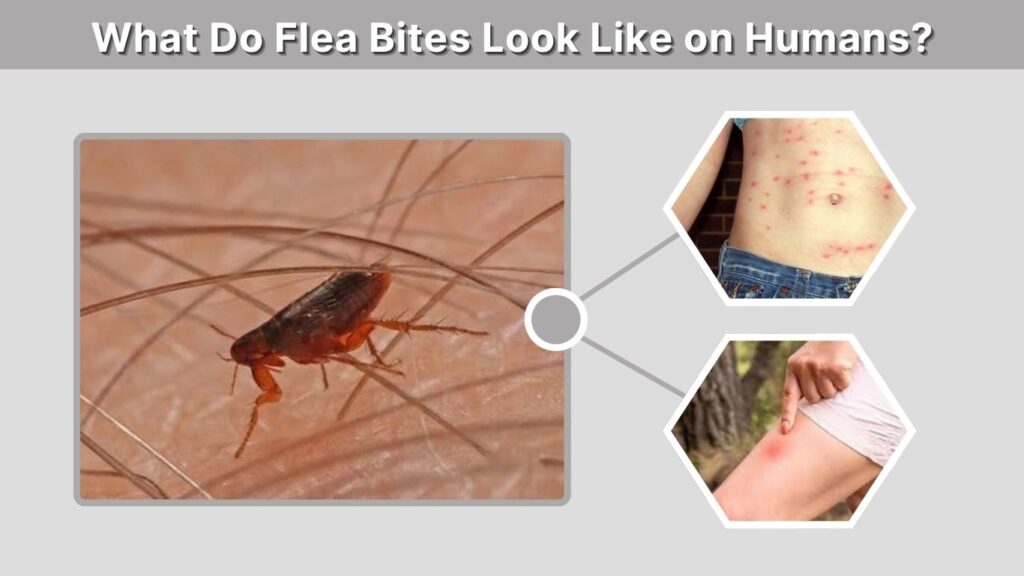
Flea bites are usually more irritating and itchy than painful. Reactions vary from person to person, so appearance alone cannot provide perfect identification. Flea bites can appear individually but may also occur close together, producing several itchy bumps in the same small area. Scratching can further irritate the skin and increase the chance of secondary infection.
Common Signs of Flea Bites
Possible symptoms include:
- Small red bumps
- Intense itching
- Several bites close together
- Redness around the bite
- Mild swelling
- Skin irritation
- Blisters in people with stronger reactions
MedlinePlus notes that small, itchy red bumps may occur in groups and that some people can develop blistering reactions.
Do Fleas Bite Humans More Than Once?
Yes. A flea does not die after biting a human, and it can feed repeatedly.
A single flea may therefore produce more than one bite. Multiple fleas in the same environment can create numerous closely spaced marks, making it difficult to determine how many individual insects were responsible.
Do Cat Fleas and Dog Fleas Bite Humans?
Both cat fleas and dog fleas can bite humans. The cat flea, Ctenocephalides felis, is one of the flea species recognized by the CDC as affecting human health, along with the dog flea, Ctenocephalides canis, and several rodent-associated species. Their normal hosts may be animals, but humans can still become temporary feeding sources.
Do Cat Fleas Bite Humans?
Yes. Cat fleas can bite people, particularly when cats carry an infestation into a house.
Adult fleas and immature stages may be present in areas where pets spend time. Consequently, treating only visible fleas on a cat may not address the entire infestation if eggs, larvae, and pupae remain in the surrounding environment.
Do Dog Fleas Bite Humans?
Dog fleas can also feed on humans. A person may notice bites after interacting with an infested animal or spending time where fleas have accumulated.
However, flea species cannot reliably be identified from the bite mark alone. Finding and identifying the actual insects is more useful than trying to distinguish “dog flea bites” from “cat flea bites” based only on skin appearance.
Do Sand Fleas and Snow Fleas Bite Humans?
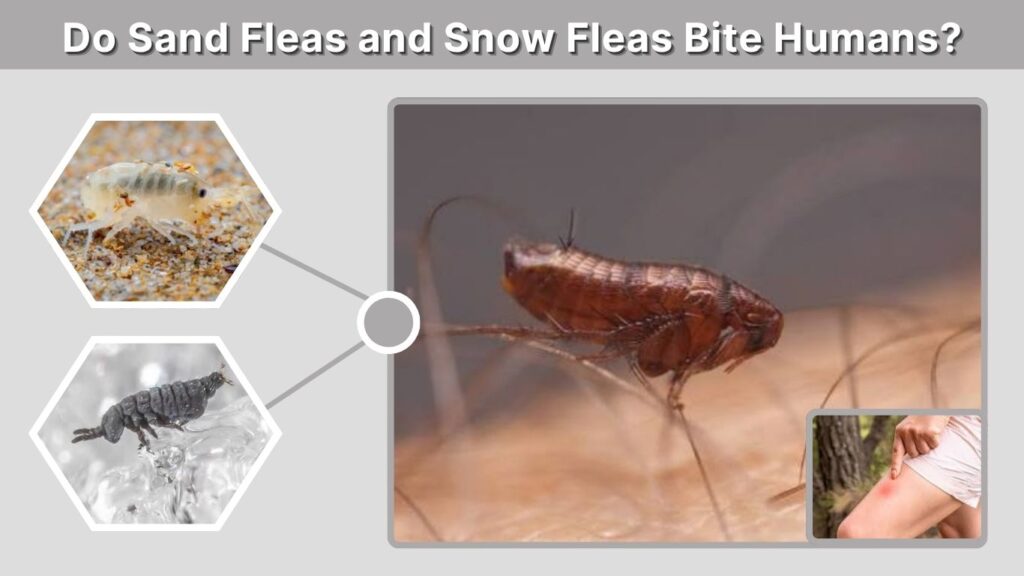
Names containing the word “flea” can be misleading. Some organisms commonly called fleas are not members of the true flea group at all. Therefore, whether a “flea” bites depends on exactly what organism is being discussed.
Sand Fleas
The term sand flea can refer to different organisms depending on location. Some true parasitic fleas associated with sandy environments can affect humans, while small beach crustaceans are also commonly called sand fleas.
Because the common name covers unrelated organisms, identification matters when investigating unexplained bites after visiting a beach.
Snow Fleas
Snow fleas do not bite humans. They are springtails rather than true fleas. They may appear as tiny dark insects jumping across snow or damp organic matter.
Although their jumping movement resembles that of fleas, they do not require human blood meals and should not be treated as a human flea infestation.
What Should You Do When Fleas Bite Humans?
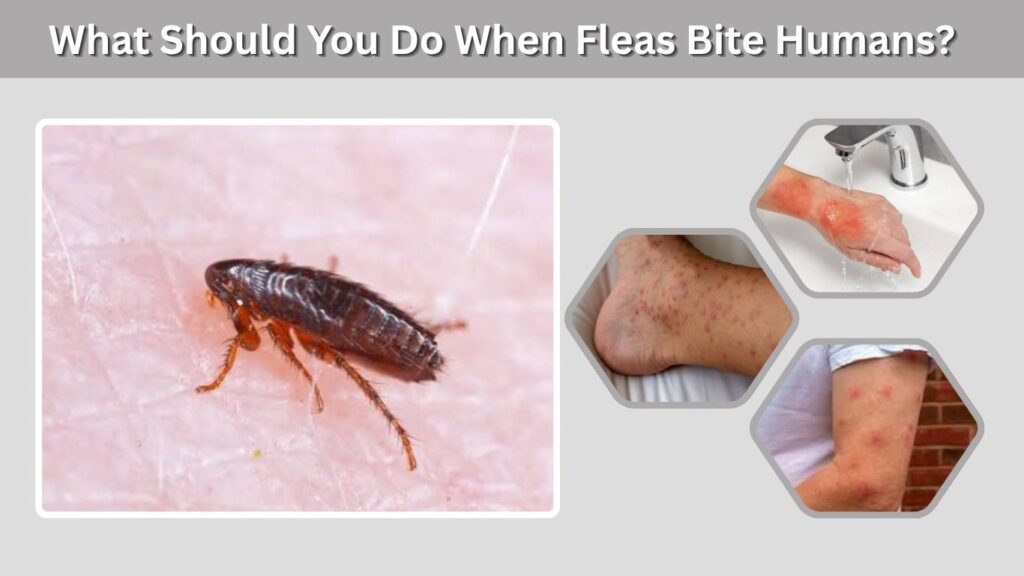
Most ordinary flea bites can be managed by controlling itching while addressing the source of the infestation. Eliminating the fleas is important because treating existing skin irritation alone will not prevent additional bites. Avoid excessive scratching because broken skin can become infected.
Basic Flea Bite Care
For uncomplicated bites:
- Wash affected skin gently
- Avoid scratching the bites
- Keep irritated skin clean
- Use a cool compress for discomfort
- Ask a healthcare professional or pharmacist about appropriate itch-relief products if needed
- Treat pets for fleas with veterinary guidance
- Clean pet bedding and infested household areas
MedlinePlus notes that over-the-counter hydrocortisone or oral antihistamines may sometimes help itching, but medication suitability varies by person.
Can Flea Bites Be Dangerous?
Most flea bites cause localized itching and irritation rather than serious disease. However, fleas can sometimes transmit disease-causing organisms. CDC identifies flea-borne illnesses including plague and flea-borne typhus, although risk depends heavily on flea species, geographic location, animal reservoirs, and exposure circumstances.
When to Seek Medical Attention
Contact a healthcare professional if bites develop severe swelling, increasing pain, pus, spreading redness, fever, or other signs of infection.
Seek prompt medical evaluation for unexplained fever or serious illness following possible exposure to infected fleas or animals in an area where flea-borne disease occurs. Plague, although uncommon, requires rapid antibiotic treatment when it occurs.
FAQs
Do fleas normally bite humans?
Yes. Fleas prefer animal hosts, but several species can feed on humans. Bites become particularly common when cats, dogs, rodents, or their environments are infested. Fleas need blood to survive, so hungry adults may use people as an alternative host when their preferred animals are unavailable.
Where do fleas bite humans the most?
Fleas most commonly bite the ankles, feet, and lower legs because they often encounter people from carpets, floors, yards, and pet resting areas. Bites can also occur around the waist, thighs, buttocks, and lower abdomen, particularly where clothing fits closely against the skin.
Do fleas bite humans at night?
Yes, fleas can bite people at night, including while they are sleeping. However, fleas are not exclusively nighttime feeders and may bite whenever a host becomes available. Bites appearing after sleep should therefore be evaluated alongside other evidence before concluding whether fleas, bed bugs, or another insect caused them.
Do fleas stay on humans after biting?
Pet-associated fleas may temporarily jump onto and feed from people, but humans are generally not their preferred long-term hosts. Cat and dog fleas are much better adapted to living on furry animals. Persistent human bites usually mean fleas remain somewhere in the surrounding environment or on an infested animal.
Do fleas die after they bite humans?
No. Fleas do not die simply because they have bitten a person. An adult flea can take repeated blood meals and may bite more than once. This is why one flea can potentially leave several marks and why controlling the infestation source is more effective than focusing only on individual bites.