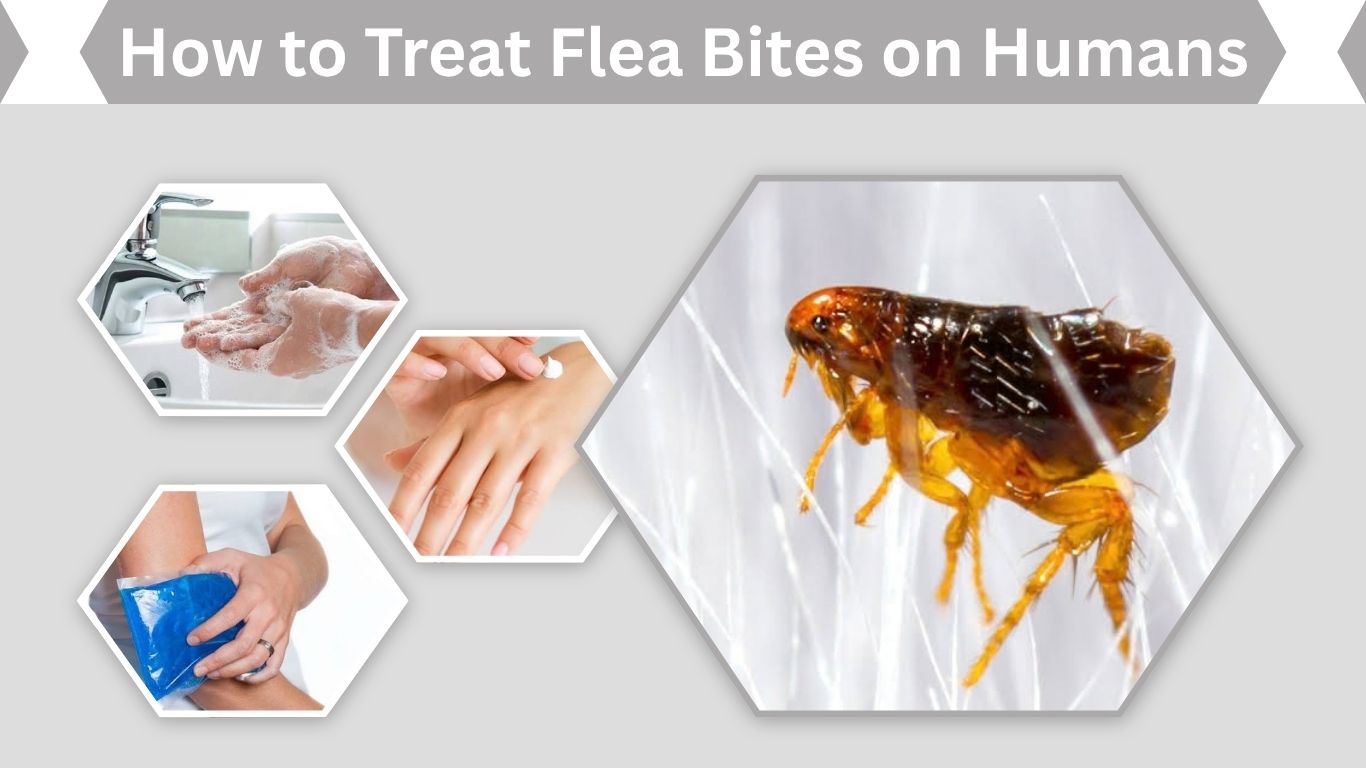
Knowing how to treat flea bites on humans can help reduce itching, swelling, and irritation while allowing the skin to heal properly. Most flea bites cause small, itchy red bumps, often around the ankles, feet, or lower legs, and can usually be managed at home. Start by cleaning the affected skin, applying a cold compress, and using an appropriate anti-itch treatment when needed. However, infected bites, severe swelling, or signs of a serious allergic reaction require medical attention.
How to Treat Flea Bites on Humans Fast
Most uncomplicated flea bites improve without special medical treatment. The immediate goal is to reduce itching and swelling while preventing scratching from damaging the skin. Washing the bites and cooling the area are useful first steps. Over-the-counter anti-itch treatments may provide additional relief when used according to their labels.
First Steps for Flea Bite Treatment
- Wash the affected area gently with soap and water.
- Pat the skin dry instead of rubbing it.
- Apply a cold compress or wrapped ice pack.
- Avoid scratching or picking at the bumps.
- Consider an OTC hydrocortisone cream for itching.
- An oral antihistamine may help troublesome itching.
- Follow medicine labels and age restrictions carefully.
A cold compress can be held against the area for approximately 10–20 minutes to reduce discomfort and swelling.
How Long Do Flea Bites Last?
Mild insect bites commonly settle over several days, although itchiness may persist longer in sensitive individuals. Scratching can delay healing because damaged skin becomes more irritated and vulnerable to bacterial infection.
If the area is becoming increasingly painful, swollen, warm, or otherwise worsening rather than improving, medical evaluation is advisable.
How to Treat Itchy Flea Bites on Humans
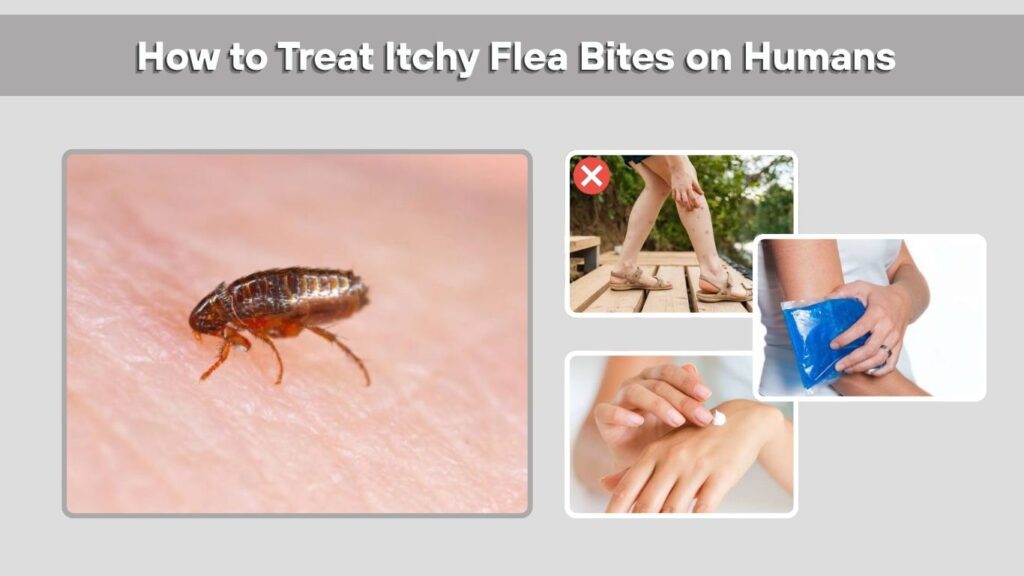
Intense itching is often the most uncomfortable part of a flea bite. It occurs because the immune system reacts to substances introduced while the flea feeds. Some people develop only small bumps, while others experience stronger local swelling and itching. Controlling the itch also reduces the temptation to scratch and damage the skin.
Ways to Relieve Flea Bite Itching
For uncomplicated bites, a cool compress can provide fast temporary relief. An over-the-counter hydrocortisone preparation may reduce itching and inflammation, and an oral antihistamine may also be helpful for some people.
Check the product instructions before using medication, particularly for children, during pregnancy, or if you take other medicines or have medical conditions. A pharmacist can help you select an appropriate treatment.
Why You Should Avoid Scratching
Scratching may feel relieving temporarily, but it can break the surface of the skin. Once this protective barrier is damaged, bacteria can enter and cause an infection.
Keeping fingernails short and covering heavily scratched areas with clean clothing or a suitable dressing can sometimes reduce further irritation.
Flea Bite Home Treatment
Many people searching for how to treat flea bites on humans at home are looking for simple remedies already available in the house. The safest home-care approach is usually uncomplicated: clean the skin, cool it, leave it alone, and use proven anti-itch products when necessary rather than applying potentially irritating household substances.
Safe Home-Care Options
- Gently clean the bites with soap and water.
- Use a clean cold, damp cloth.
- Apply wrapped ice for short periods.
- Keep the skin clean and dry.
- Wear loose clothing over irritated areas.
- Avoid scratching.
- Use appropriate OTC itch treatment if necessary.
The NHS specifically advises against relying on unproven home remedies such as bicarbonate of soda for insect bites.
Natural Treatment for Flea Bites
If you prefer a minimal-treatment approach, cool water, gentle cleansing, and avoiding scratching may be enough for mild bites.
Be cautious with essential oils, strong plant extracts, alcohol, vinegar, or other substances promoted online as “natural flea bite remedies.” Natural does not automatically mean non-irritating, particularly when skin is already inflamed.
How to Treat Infected Flea Bites
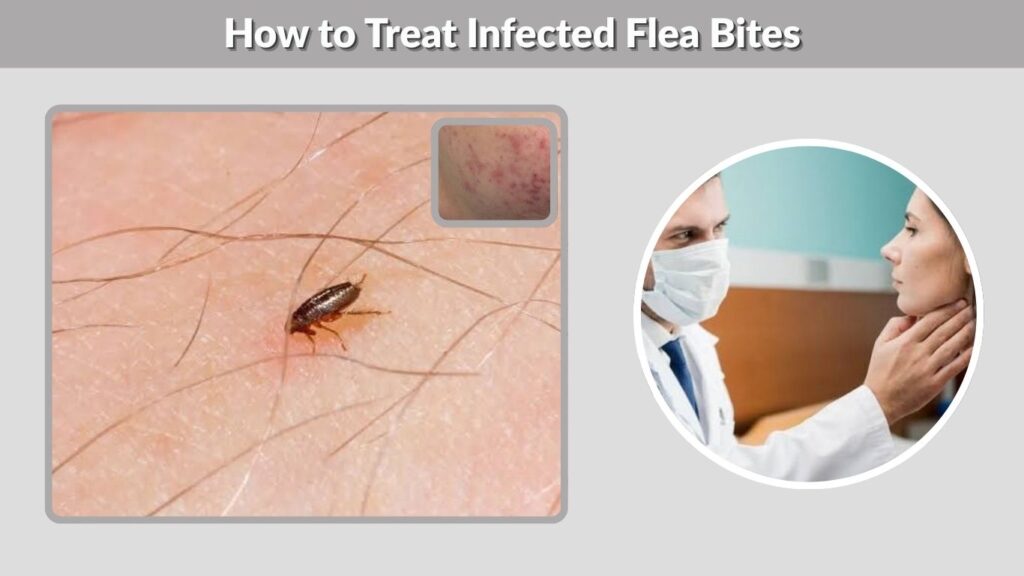
Flea bites themselves are often minor, but repeated scratching can damage the skin and create an entry point for bacteria. An infected bite requires more attention than an ordinary itchy bump. Increasing pain, heat, swelling, drainage, or expanding redness or discoloration can indicate that the affected skin should be assessed by a healthcare professional.
Signs That May Suggest Infection
Watch for:
- Increasing redness or darker discoloration
- Worsening swelling
- Increasing pain or tenderness
- Skin that feels unusually warm
- Pus or other drainage
- Redness or discoloration spreading outward
- Fever or feeling generally unwell
A healthcare professional may recommend treatment such as antibiotics when a bacterial infection is present. Do not use leftover antibiotics or another person’s medication.
When to Contact a Doctor
Seek medical advice if symptoms continue worsening, there are signs of infection, or you feel unwell. Mayo Clinic recommends medical evaluation when swelling worsens or an insect-bite site develops signs of infection.
Earlier evaluation may also be appropriate for people whose medical conditions or medications affect immune function or wound healing.
Allergic Reactions to Flea Bites
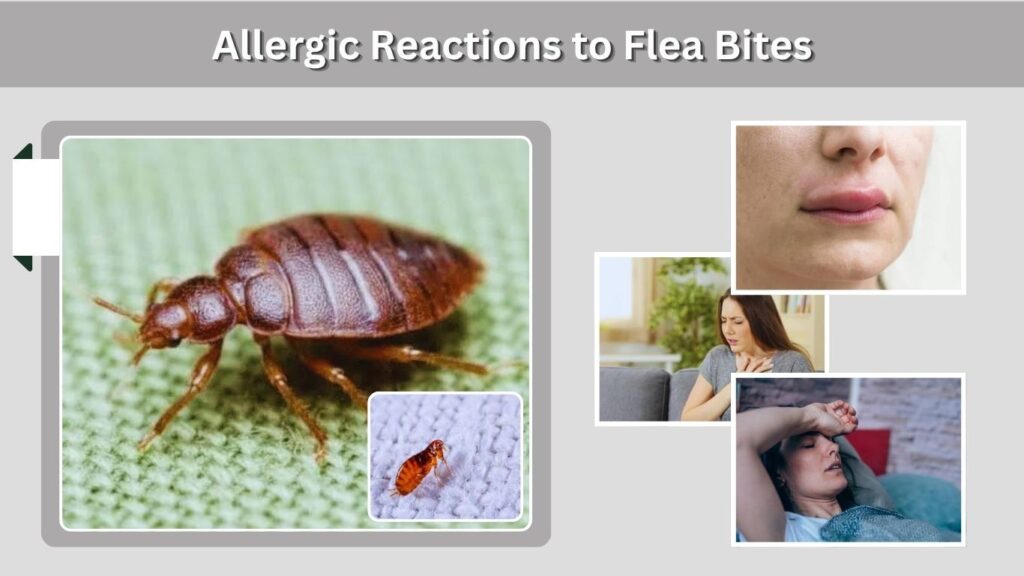
Some people react more strongly to insect bites than others. A larger itchy area around a flea bite may still represent a local reaction, but rapidly developing widespread symptoms require much more urgent attention. Severe allergic reactions are uncommon but can become emergencies, especially when breathing or facial swelling is involved.
Emergency Warning Signs
Seek emergency medical help immediately for symptoms such as:
- Difficulty breathing
- Swelling of the face, lips, tongue, or throat
- Feeling that the throat is closing
- Severe dizziness or fainting
- Widespread hives with other serious symptoms
- Weakness or a rapid pulse
- Significant vomiting or sudden severe illness
These symptoms can indicate a serious allergic reaction and should not be managed only with home remedies.
Severe Local Reactions
A large area of swelling does not always mean anaphylaxis, but significant or worsening reactions deserve medical assessment.
Photographing the affected area can be useful for tracking whether swelling or redness is expanding over several hours.
Cat and Dog Flea Bites on Humans
Cat fleas and dog fleas can bite people, particularly when pets or living spaces have an active infestation. Treatment of an uncomplicated bite is generally based on the skin reaction rather than whether the flea came from a cat or dog. However, treating only your skin will not solve the problem if fleas remain on pets or inside the home.
Treating Cat or Dog Flea Bites
Clean and cool the affected skin using the same basic approach described above. If needed, an appropriate OTC anti-itch treatment may reduce discomfort.
At the same time, check pets for fleas and discuss suitable flea prevention with a veterinarian. Never apply a pet flea-control product directly to human skin unless it is specifically approved for human use.
Stop New Bites at the Source
The CDC recommends keeping pets free of fleas as a major way to prevent flea bites in people. Vacuum carpets, rugs, upholstery, and other areas where pets spend time, and frequently clean pet bedding with soap and water.
Breaking the flea life cycle is essential because repeatedly treating bites without controlling the infestation leads to continued exposure.
How to Prevent Flea Bites on Humans
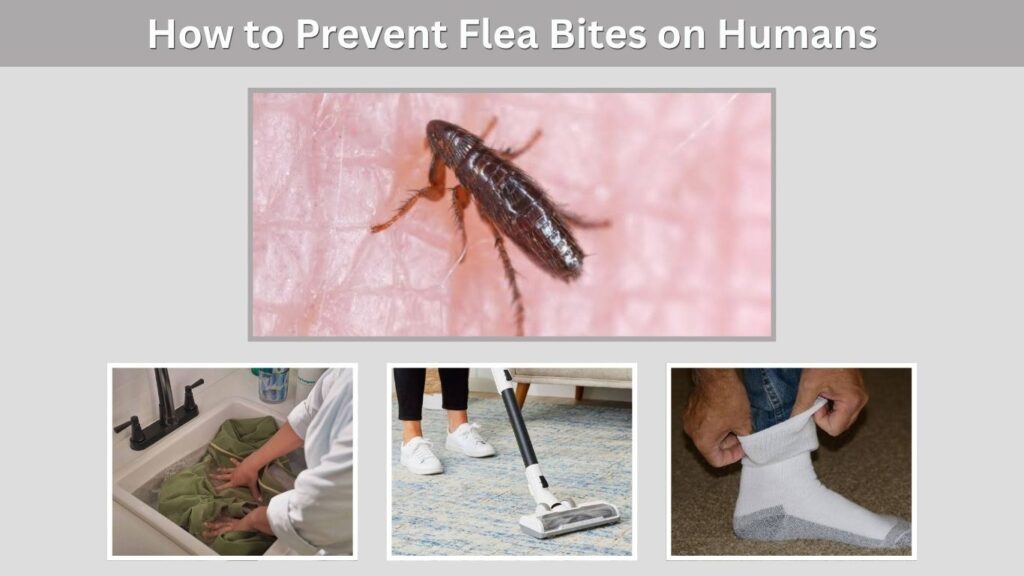
Preventing new bites is just as important as treating existing ones. Fleas often bite the lower legs and feet because they jump from floors, carpets, pet bedding, or outdoor environments. Controlling fleas on animals and in living spaces significantly reduces the likelihood that humans will continue to be bitten.
Flea Bite Prevention Tips
- Keep cats and dogs on appropriate flea prevention.
- Check pets regularly for fleas.
- Wash pet bedding frequently.
- Vacuum carpets, rugs, sofas, and cushions regularly.
- Dispose of vacuum contents appropriately.
- Wear long pants and socks where flea exposure is likely.
- Avoid unnecessary contact with stray or wild animals.
- Use an appropriate registered insect repellent when needed.
The CDC notes that fleas can survive indoors in carpets, bedding, and surfaces frequently used by pets, so environmental control is an important part of prevention.
Flea Bites and Flea-Borne Disease
Most flea bites simply cause itching and irritation, but certain fleas can transmit infectious organisms. The CDC identifies flea-borne illnesses including plague and murine typhus in particular geographic settings.
Seek medical advice if an insect bite is followed by unusual fever, widespread rash, significant body aches, or other systemic symptoms.
Flea Bite Marks and Scars
Most uncomplicated flea bites heal without permanent scarring. However, repeated scratching or picking can cause skin injury, scabs, infection, and lingering dark or light marks. People who develop noticeable discoloration after bites may find that these marks take considerably longer to fade than the original itching and swelling.
Helping the Skin Heal
Avoid scratching, picking scabs, or repeatedly irritating healing bites. Once the skin has closed, gentle skin care and sun protection can help reduce further discoloration in exposed areas.
If a mark is raised, depressed, persistently itchy, painful, or remains concerning after the bite itself has healed, a dermatologist can determine whether it represents a scar or another skin problem.
FAQs
What is the fastest way to treat flea bites on humans?
Wash the bite gently with soap and water and apply a cold compress for approximately 10–20 minutes. Avoid scratching. If itching remains troublesome, an appropriate OTC hydrocortisone cream or oral antihistamine may help. Always follow product directions, especially when treating children or people taking other medications.
How do you treat flea bites on humans at home?
Most mild flea bites can be managed by washing the skin, applying a cool compress, and avoiding scratching. Keep the affected area clean and use a suitable OTC anti-itch treatment if necessary. Avoid harsh or unproven home remedies that could further irritate already inflamed skin.
How do you know if a flea bite is infected?
Increasing warmth, pain, swelling, spreading redness or discoloration, pus, and worsening tenderness can suggest an infection. Fever or feeling generally unwell is another reason to seek medical care. Infection can occur when scratching breaks the skin, allowing bacteria to enter the damaged area.
Are cat and dog flea bites treated differently on humans?
Usually not. Uncomplicated cat and dog flea bites are treated according to the person’s skin reaction using cleansing, cooling, and appropriate itch relief. The important additional step is controlling fleas on pets and in the home so that new bites do not continue occurring.
When should I worry about flea bites?
Seek medical advice for worsening swelling, infection, persistent symptoms, fever, or unusual illness. Emergency help is needed for difficulty breathing, swelling of the face, lips, tongue, or throat, fainting, or other signs of a severe allergic reaction. Most mild flea bites, however, resolve with basic home care.