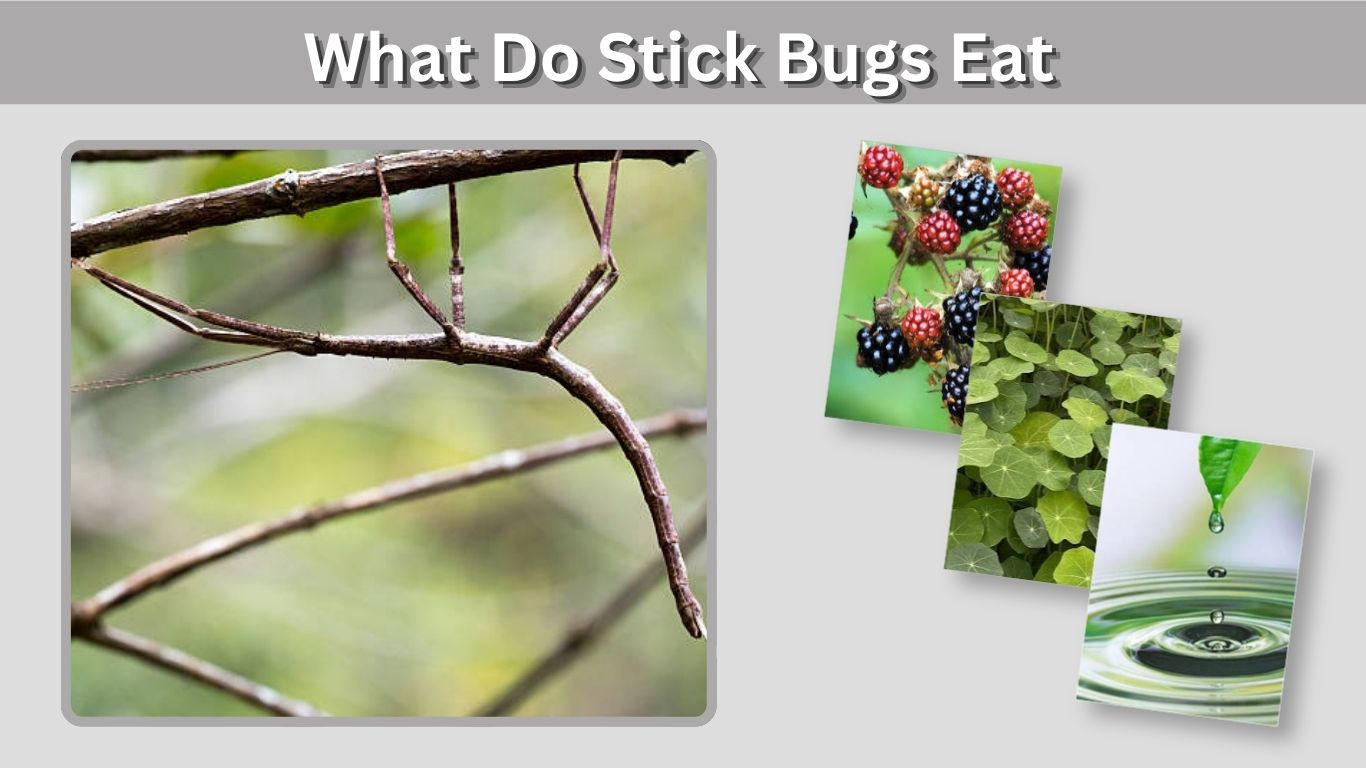
Stick bugs, also called walking sticks or stick insects, are herbivores that mainly eat fresh leaves. Their exact diet varies by species: some accept many kinds of foliage, while others feed only on one or two particular plants. Oak, eucalyptus, bramble, rose, hazelnut, and privet are among the most common food plants. Pet owners should identify their stick insect species before choosing food and provide only fresh, pesticide-free leaves.
What Do Stick Bugs Eat?
Stick insects use strong chewing mouthparts to cut pieces from the edges of leaves. Both young nymphs and adults eat plant material, although smaller nymphs usually prefer soft, tender foliage. Most feed at night and remain camouflaged among their food plants during the day.
| Food plant | Commonly eaten by |
| Oak | Northern and giant thorny walking sticks |
| Hazelnut | Northern walkingsticks |
| Eucalyptus | Australian stick insects |
| Acacia | Many Australian phasmids |
| Bramble | Indian and giant thorny stick insects |
| Rose | Indian and giant thorny stick insects |
| Privet | Indian walking sticks |
| Ivy | Indian walking sticks |
| Hawthorn | Indian walking sticks |
| Guava | Giant thorny walking sticks |
Not every stick bug can safely eat every plant in this list. A plant accepted by one species may be rejected by another.
10 Foods Stick Bugs Eat
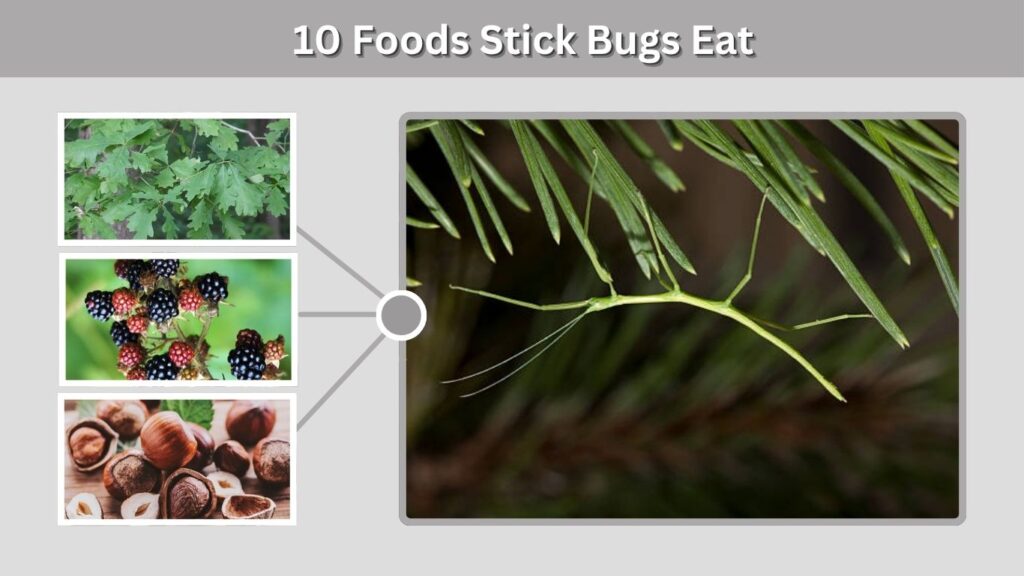
Stick bugs feed on fresh leaves, but their preferred plants vary by species and natural habitat. Some readily accept several types of foliage, while others depend on only a few host plants. Common choices include oak, hazelnut, eucalyptus, acacia, bramble, rose, privet, ivy, hawthorn, and guava. Every leaf should be fresh, correctly identified, and completely free from pesticides and contamination.
1. Oak Leaves
Oak is one of the most widely documented walking stick foods. Northern walkingsticks commonly feed on oak foliage, and giant thorny walking sticks may also eat oak leaves. Fresh spring growth is particularly tender and easy for young insects to chew.
When feeding oak to pet stick insects, collect healthy branches away from sprayed yards, roadsides, and chemically treated landscapes. Place the cut stems in water, but cover the container opening so small nymphs cannot fall inside and drown.
2. Hazelnut Leaves
Hazelnut is a preferred food of the northern walkingstick, Diapheromera femorata. These insects naturally inhabit deciduous forests where hazelnut shrubs and oak trees provide abundant foliage.
Hazelnut leaves should be offered fresh rather than dry. Replace branches when the foliage wilts, becomes brittle, or develops mold. A pet insect that readily accepts hazelnut should not be abruptly changed to an unfamiliar plant.
3. Eucalyptus Leaves
Eucalyptus is a major food plant for many Australian stick insects. The Australian walking stick, Extatosoma tiaratum, naturally lives among and eats eucalyptus foliage. The Australian Museum also notes that many phasmids feed on eucalyptus, acacia, or both.
Eucalyptus leaves are aromatic and relatively tough, but species adapted to them can chew the edges effectively. Do not assume that every non-Australian walking stick will accept eucalyptus.
4. Acacia Leaves
Acacia, commonly called wattle in Australia, supports numerous native stick insects. Some species accept both acacia and eucalyptus, while others have narrower preferences.
Because acacia species differ in leaf shape and chemistry, use a plant already known to be suitable for the insect being kept. Observe whether fresh feeding damage appears along the leaf edges before relying on it as the primary diet.
5. Bramble and Blackberry Leaves
Bramble includes blackberry and related plants in the genus Rubus. It is one of the most practical foods for several commonly kept stick insects. Indian walking sticks feed on bramble, while giant thorny walking sticks are documented eating blackberry leaves.
Bramble often remains available through much of the year. Choose young but fully opened leaves and inspect them for spiders, insect eggs, droppings, and pesticide residue before placing them in an enclosure.
6. Rose Leaves
Rose foliage is accepted by Indian walking sticks and giant thorny walking sticks. Because roses are common garden plants, they can provide an accessible alternative when the insect’s usual food is unavailable.
However, ornamental roses are frequently treated with systemic insecticides, fungicides, or sprays. Never feed leaves from florist bouquets, garden centers, or recently treated bushes. Even invisible chemical residue can be dangerous to stick insects.
7. Privet Leaves
Indian walking sticks commonly feed on privet and may consume both small tender leaves and the edges of mature leaves. High populations can leave privet foliage looking torn or heavily chewed.
Privet is evergreen in many climates, making it useful during seasons when deciduous food plants lose their leaves. Confirm that your particular species accepts it before making it the main food.
8. Ivy Leaves
Ivy is another documented food plant for Indian walking sticks. Young nymphs may feed especially heavily on small-leaved varieties, sometimes consuming entire tender leaves.
Use ivy cautiously because outdoor plants may be treated with pesticides. Wash the leaves gently with clean water and let them dry before use. Washing cannot reliably remove systemic chemicals absorbed inside the plant, so the source must be known to be pesticide-free.
9. Hawthorn Leaves
Hawthorn is among the many shrubs eaten by Indian walking sticks. Its fresh foliage can be offered on cut branches, allowing the insects to climb and feed in a natural position.
Hawthorn branches can have sharp thorns. Trim dangerous points before placing them in a pet enclosure, especially when keeping delicate young nymphs.
10. Guava Leaves
Giant thorny walking sticks eat guava foliage as part of their plant-based diet. Guava is especially relevant for tropical stick insect species kept in warm, humid environments.
Use mature, healthy leaves that have not been sprayed. A tropical plant should not automatically be considered suitable merely because the insect is tropical; feeding preferences remain species-specific.
What Do Baby Stick Bugs Eat?
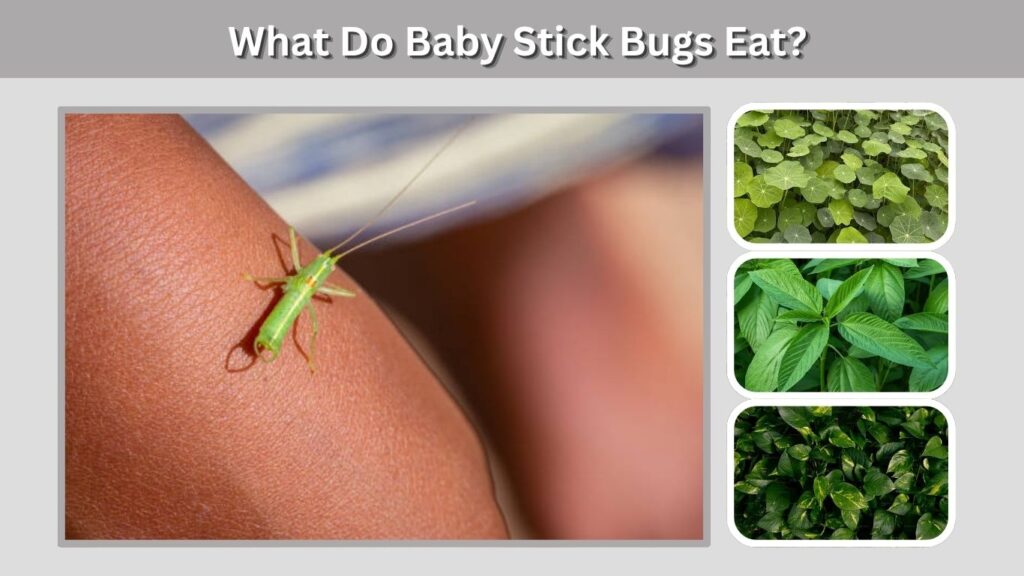
Baby stick bugs, called nymphs, generally eat the same plant species as adults. However, their smaller jaws make soft young leaves easier to consume. All developmental stages of walking sticks feed on plant material.
Freshly hatched nymphs sometimes fail to recognize cut leaves as food. Lightly tearing or trimming a leaf edge can expose moisture and make feeding easier. Avoid crushing the leaf or placing excessive wet foliage in the enclosure, as stagnant moisture can encourage mold.
How Often Should Pet Stick Bugs Be Fed?
Stick insects should have access to fresh foliage continuously. Replace the branches when they wilt, dry out, become heavily eaten, or develop mold.
Most species feed primarily after dark. A stick insect that appears inactive during daylight may begin eating after the enclosure becomes quiet. Vietnamese walking sticks, for example, are nocturnal plant feeders.
Signs that a stick bug is eating include:
- Fresh notches along leaf edges
- Small holes in tender foliage
- Droppings beneath the feeding branches
- Movement between leaves at night
- Gradual growth and successful molting
Do Stick Bugs Drink Water?
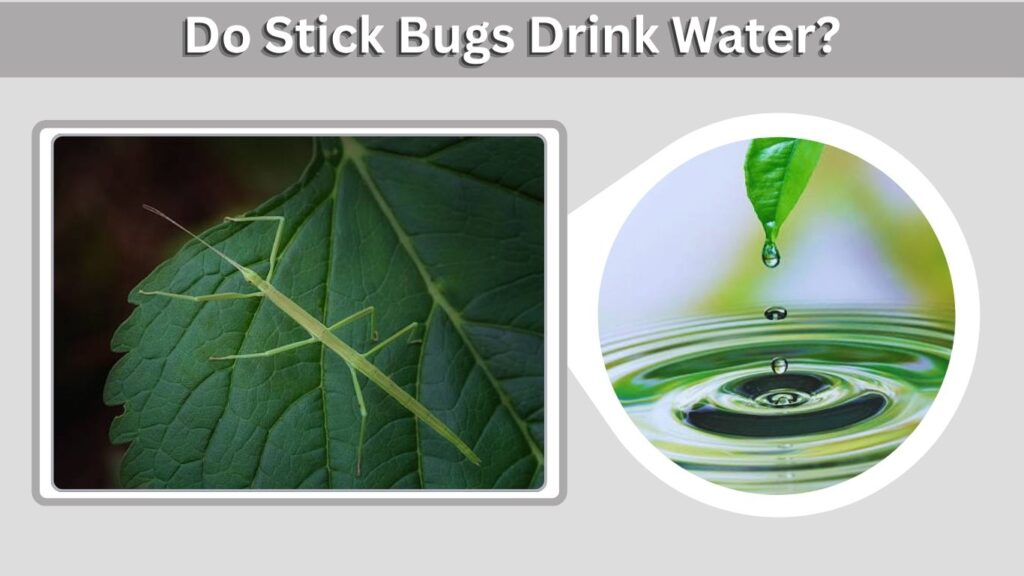
Stick insects obtain much of their moisture from fresh leaves, but many also drink droplets from foliage. The Australian Museum recommends lightly misting their leaves so water droplets are available.
Avoid soaking the enclosure. Constantly wet conditions encourage mold and may interfere with healthy molting. A deep open water dish is unnecessary and creates a drowning risk, particularly for small nymphs.
Foods You Should Not Give Stick Insects
Do not feed a stick bug random houseplants, lettuce, processed food, meat, fruit, bread, or sugary liquids. These insects are specialized leaf eaters rather than general scavengers.
Also avoid:
- Plants treated with pesticides
- Florist flowers and bouquet leaves
- Roadside plants exposed to pollution
- Moldy, wilted, or rotting foliage
- Plants you cannot confidently identify
- Leaves rejected by the insect’s species
Stick bugs do not eat other insects. A praying mantis may resemble a walking stick, but mantises are predators, while walking sticks are herbivores.
FAQs
What is the best food for a stick bug?
The best food is the plant naturally eaten by that particular species. Common options include oak, bramble, eucalyptus, rose, privet, and hazelnut. Identify the species before selecting its main food plant.
Do stick bugs eat lettuce?
Lettuce is not an appropriate regular food. It lacks the natural foliage and nutritional composition stick insects require. Offer fresh leaves from an established food plant known to be safe for the species.
Do stick insects eat fruit?
Stick insects primarily chew leaves rather than fruit. Some may nibble unusual plant material, but fruit should not replace their normal foliage. A species-appropriate leafy branch should remain available continuously.
Can stick bugs eat rose leaves?
Several species, including Indian and giant thorny walking sticks, can eat rose leaves. The leaves must be pesticide-free because ornamental roses are commonly treated with insecticides and other chemicals.
Why is my stick bug not eating?
It may be resting during daylight, preparing to molt, rejecting an unsuitable plant, or experiencing poor temperature or humidity. Provide fresh leaves from a confirmed food plant and avoid disturbing an insect that is hanging in preparation for molting.