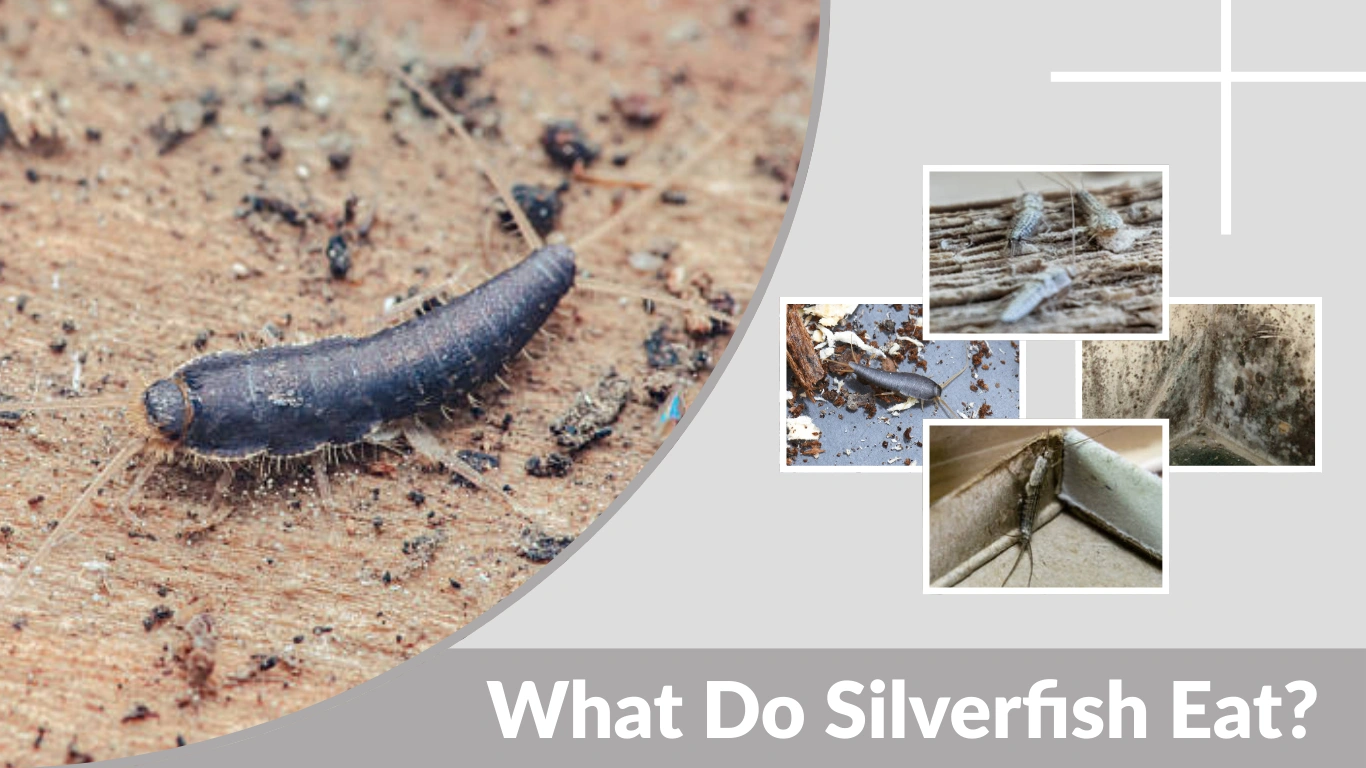
Silverfish are small, fast-moving insects often found in bathrooms, basements, kitchens, and storage areas. While they do not bite or spread disease, their feeding habits can quietly damage books, wallpaper, clothing, and pantry foods. Silverfish are scavengers with an extremely flexible diet, which allows them to survive both outdoors and inside human homes. Understanding what silverfish eat helps explain why they choose certain rooms, what attracts them, and how removing their food sources plays a major role in long-term control.
What Silverfish Eat in the Wild
In natural environments, silverfish live in cool, dark, and damp places such as under rocks, leaf litter, fallen bark, caves, and soil debris. These habitats provide moisture and a steady supply of organic material. Wild silverfish feed mainly on decaying plant matter, algae, fungi, and microscopic organisms growing on damp surfaces.
They also consume cellulose-based materials from rotting wood and dead leaves. This natural diet is rich in complex carbohydrates and mold growth, which silverfish can digest efficiently. Because they evolved to feed on these substances, silverfish are well adapted to eating many of the same materials found inside human buildings, especially paper products and adhesives.
Their outdoor diet explains why silverfish are strongly attracted to damp environments and why moisture problems inside homes often lead to infestations.
What Silverfish Eat Inside Homes

Once indoors, silverfish become opportunistic scavengers. They feed on a wide range of materials that contain starches, sugars, and proteins.
Starches and Sugars (Main Food Group)
Starches are the primary food source for silverfish. They are especially attracted to cellulose and polysaccharides found in paper and plant-based materials. Books, magazines, newspapers, cardboard boxes, wallpaper, and drywall glue are all highly attractive.
In kitchens and pantries, silverfish feed on flour, rice, oats, cereal, breadcrumbs, and powdered foods. Even fine pantry dust and spilled sugar residues can sustain them. Because these foods are often stored long-term and left undisturbed, they provide ideal feeding zones.
Proteins and Organic Debris
Although starch is their preferred food, silverfish also need protein. Indoors, they get it from dead insects, shed skins, pet hair, skin flakes, and food crumbs. This ability to eat organic debris allows them to survive even when obvious food sources seem limited.
Silverfish are commonly found in basements, closets, and storage rooms because these areas collect dust, hair, insect remains, and other organic particles that quietly build up over time.
Fabrics and Household Materials
Silverfish are capable of damaging certain fabrics, especially those made from natural fibers. Cotton, linen, silk, and rayon can be eaten, particularly if the fabric is damp, starched, or stained with sweat or food. Stored clothing, bedding, curtains, and upholstery can all become feeding sites.
They are less interested in purely synthetic fibers, but blended fabrics and fabric coatings may still attract them. This is why silverfish are sometimes mistaken for clothes moths or carpet beetles.
Common Household Items Silverfish Feed On

- Books, magazines, and important documents
- Wallpaper paste, book glue, and drywall adhesives
- Cardboard boxes and packaging materials
- Flour, cereal, rice, sugar, and pet food
- Stored clothing, linens, and bedding
- Carpet fibers and upholstered furniture
- Dead insects, shed skins, and mold growth
These items not only provide nutrition but also shelter, allowing silverfish to feed without being seen.
Why Silverfish Prefer Starchy Materials
Silverfish produce specialized enzymes that allow them to digest cellulose and complex carbohydrates. These enzymes break down starch-rich materials such as paper, glue, and plant fibers into usable energy. Old books, wallpaper, and cardboard are especially attractive because aging increases the availability of digestible compounds and often encourages mold growth, which silverfish also eat.
This biological adaptation is the main reason silverfish thrive in libraries, archives, basements, and storage rooms where paper and adhesives are abundant.
Do Silverfish Eat Mold and Mildew?

Relationship Between Moisture and Food
Yes, silverfish do eat mold and mildew. In fact, fungal growth is an important part of their diet, especially in damp environments. Mold grows on paper, cardboard, fabrics, and walls where moisture is present, and silverfish feed both on the mold itself and the weakened material beneath it. This is why silverfish are strongly associated with bathrooms, basements, laundry rooms, and poorly ventilated storage areas.
Moisture does more than provide drinking water. It encourages fungal growth, softens paper and adhesives, and increases the availability of organic particles. Together, these conditions create ideal feeding zones that can support silverfish populations even when visible food seems limited.
Can Removing Mold Reduce Silverfish?
Removing mold and controlling humidity significantly reduces silverfish food sources. When moisture is lowered and mold growth is eliminated, silverfish lose both nutrition and the environmental conditions they need to survive. This is why long-term silverfish control always focuses on moisture reduction, not just killing insects.
How Long Silverfish Can Live Without Food
Silverfish are unusually resilient insects. They can survive for several weeks without eating if moisture is available. Some studies suggest they may live one to two months without a significant food source. This ability allows them to persist in seemingly clean environments and reappear long after visible damage has been removed.
Because they live long and reproduce slowly, silverfish infestations often go unnoticed until enough feeding damage or sightings occur. This survival ability also explains why simply removing food without addressing moisture rarely eliminates them completely.
Signs Silverfish Are Feeding in Your Home
Damage to Paper and Books
One of the most common signs is irregular holes or notched edges on paper, book pages, photographs, and wallpaper. You may also notice yellow stains, surface scraping, or thinning of pages, especially on older books and stored documents.
Fabric and Pantry Clues
On fabrics, silverfish damage appears as small holes, grazed patches, or weakened fibers, particularly on cotton, linen, and silk. In pantries, they may contaminate flour, cereal, or dry pet food. Shed skins, tiny droppings, or live insects near stored items often indicate active feeding.
How to Remove Silverfish Food Sources
Reducing what silverfish eat is a major part of eliminating them.
- Store pantry foods in airtight containers
- Replace cardboard storage with sealed plastic bins
- Keep books, papers, and clothing in dry, well-ventilated areas
- Vacuum shelves, baseboards, and storage rooms regularly
- Remove dust, crumbs, and dead insects
- Control moisture and repair leaks to stop mold growth
When food sources and moisture are both controlled, silverfish populations decline naturally.
FAQs
Do silverfish eat clothes?
Silverfish can eat natural-fiber clothing such as cotton, linen, silk, and rayon, especially when fabrics are damp or stained. They do not prefer clothing over paper or starches, but stored garments can be damaged when they provide both food and shelter.
What attracts silverfish the most?
The strongest attractants are moisture and starch-based materials. Damp areas with paper, glue, cardboard, and pantry dust are ideal environments that supply both water and nutrition.
Do silverfish eat mold?
Yes. Silverfish feed on mold and mildew growing on damp surfaces. Mold not only feeds silverfish but also softens materials like paper and fabric, making them easier to consume.
Can silverfish survive without food?
Silverfish can live for weeks without food if moisture is available. This survival ability allows them to remain hidden and reappear even after visible food sources are removed.
Will cleaning get rid of silverfish?
Cleaning helps by removing crumbs, dust, and organic debris, but it is not enough alone. Long-term control requires moisture reduction, sealed storage, and removal of hidden feeding sites.