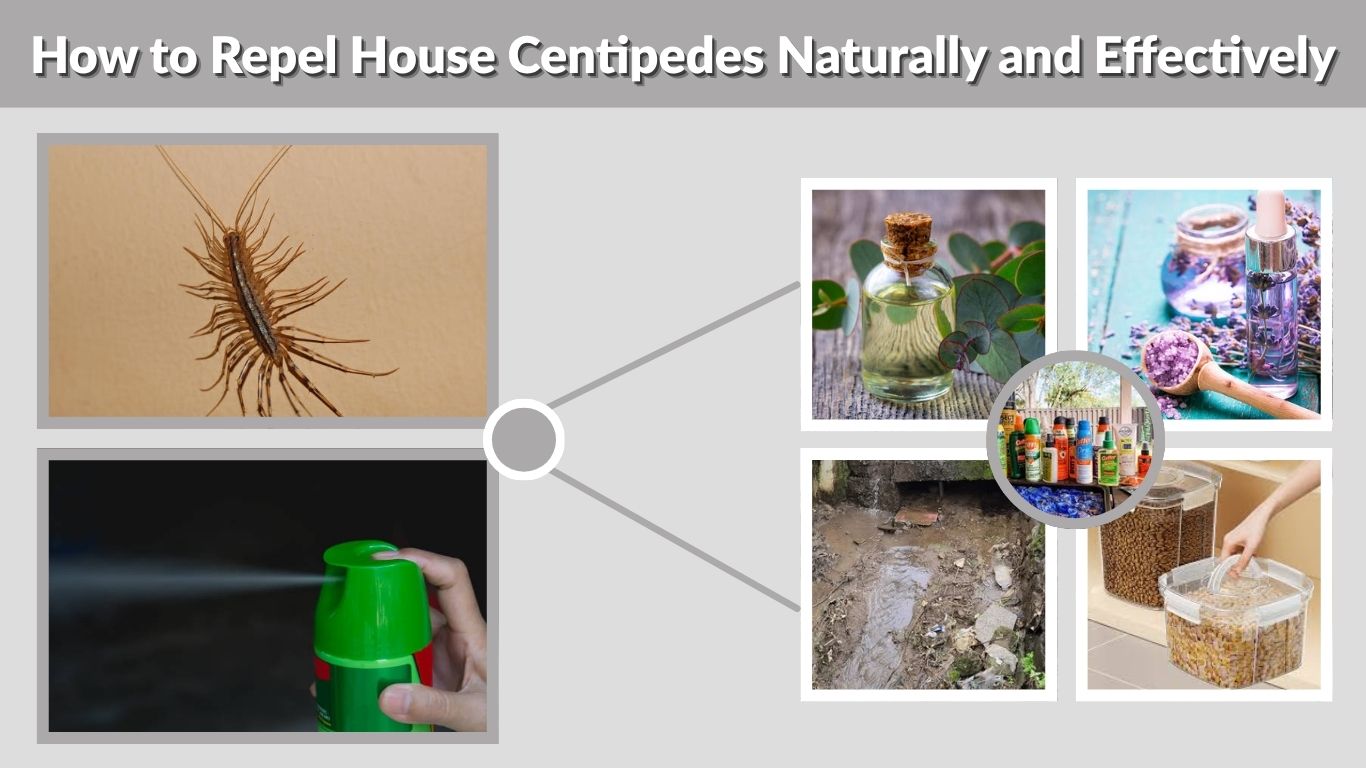
House centipedes are common household pests that often appear in damp areas such as bathrooms, basements, and laundry rooms. While they help control other insects, many homeowners prefer not to have them indoors. Fortunately, there are several effective ways to repel house centipedes without relying on harsh chemicals. By understanding what attracts these creatures and making a few adjustments to your home environment, you can discourage them from entering and create conditions that are less appealing for long-term survival.
Why Are House Centipedes Coming Into Your Home?
House centipedes do not enter homes by accident. They are attracted to specific conditions that provide moisture, food, and shelter. Before learning how to repel house centipedes, it’s important to understand why they are showing up in the first place. Identifying the causes can help you implement more effective prevention strategies and achieve longer-lasting results.
Excess Moisture and Humidity
House centipedes require moisture to survive. They are commonly found in areas where humidity levels remain high throughout the year. Damp basements, leaky pipes, and poorly ventilated bathrooms create ideal conditions for these pests.
Abundant Food Sources
These creatures are predators that feed on other insects. If your home contains ants, cockroaches, silverfish, or spiders, house centipedes may view your property as an excellent hunting ground.
Dark and Undisturbed Areas
House centipedes prefer places where they can hide during the day. Storage rooms, crawl spaces, closets, and cluttered corners often provide the protection they seek.
Easy Access Points
Small cracks in foundations, gaps around windows, and openings near doors allow house centipedes to enter homes with little difficulty. Once inside, they quickly search for suitable hiding spots.
How to Repel House Centipedes Naturally
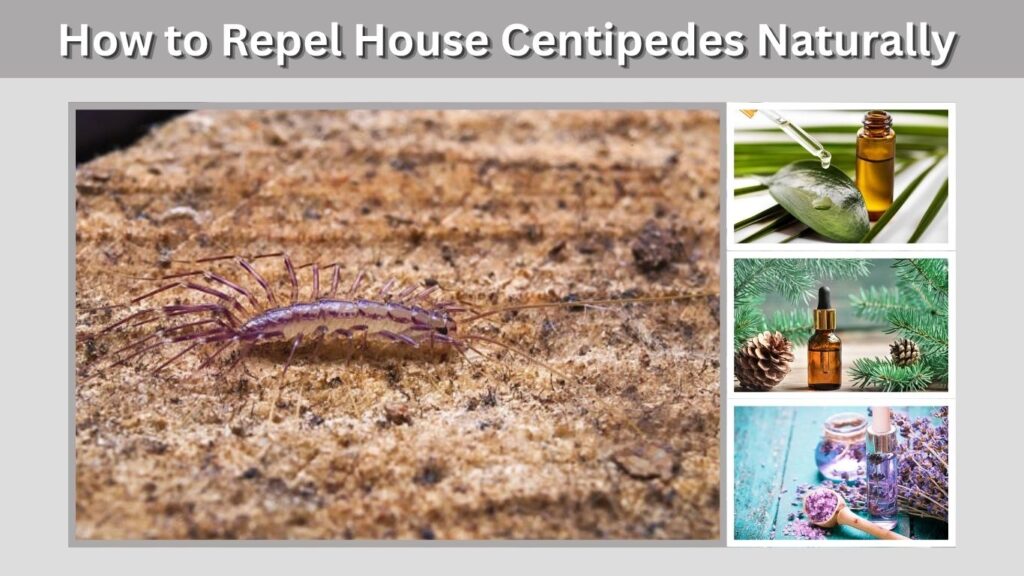
Many homeowners want to avoid chemical pesticides whenever possible. Natural solutions can be highly effective when used consistently. These methods focus on making your home less attractive while remaining safe for family members, pets, and the environment.
Use Essential Oils
Certain scents may help discourage house centipedes from entering treated areas.
Popular essential oils include:
- Peppermint oil
- Tea tree oil
- Cedarwood oil
- Lavender oil
- Eucalyptus oil
Mixing a few drops with water and spraying around entry points may help create a less inviting environment.
Apply Diatomaceous Earth
Diatomaceous earth is a natural powder made from fossilized algae. When applied around cracks, baseboards, and entry points, it can help deter various crawling pests. Be sure to use food-grade diatomaceous earth and keep it dry for maximum effectiveness.
Improve Indoor Ventilation
Proper airflow reduces humidity levels that attract house centipedes. Using exhaust fans and opening windows when weather permits can help lower moisture buildup in vulnerable areas.
Remove Standing Water
Any source of excess moisture can attract centipedes. Repairing leaks and eliminating standing water makes your home less suitable for these pests.
Best Ways to Repel Centipedes in the House
Successfully repelling centipedes often requires a combination of prevention techniques. Rather than focusing on a single solution, homeowners should address multiple factors that contribute to centipede activity. This comprehensive approach produces better long-term results and reduces the likelihood of recurring problems.
Seal Cracks and Gaps
House centipedes frequently enter through small openings around the exterior of a home. Sealing these access points can significantly reduce indoor sightings.
Areas to inspect include:
- Foundation cracks
- Window frames
- Door thresholds
- Utility pipe openings
- Exterior wall gaps
Even small openings can provide enough space for a centipede to enter.
Install Door Sweeps
Gaps beneath exterior doors are common entry points. Installing quality door sweeps creates a barrier that helps keep centipedes and other crawling pests outside.
Repair Damaged Screens
Torn window screens and damaged vents can provide easy access. Regular inspections and repairs can improve overall pest prevention.
Reduce Clutter
Clutter creates ideal hiding places for house centipedes. Keeping storage areas organized reduces the number of sheltered locations available to them.
Eliminate the Food Source That Attracts Centipedes
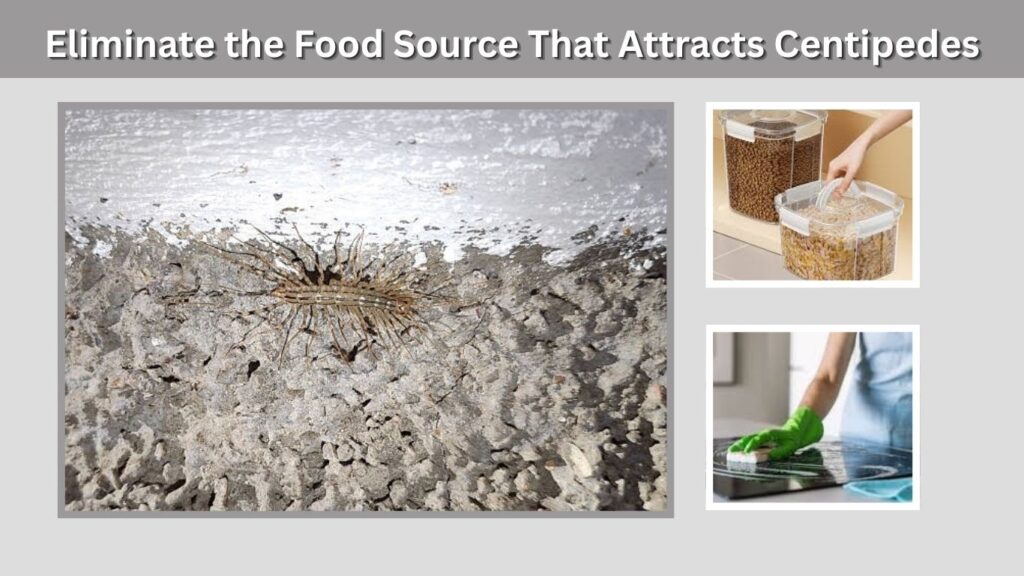
House centipedes remain in homes because food is available. Since they feed on other insects, controlling those pest populations can greatly reduce centipede activity. This approach targets the root cause of the problem rather than simply addressing the symptoms.
Control Cockroach Activity
Cockroaches are a favorite food source for house centipedes. Maintaining cleanliness and addressing cockroach infestations can make your home less attractive to predators.
Reduce Silverfish Populations
Silverfish thrive in moist environments similar to those preferred by house centipedes. Managing humidity and removing food sources can help control both pests simultaneously.
Eliminate Ant Problems
Ant colonies provide a steady food supply. Taking steps to remove ant trails and nesting sites can discourage centipedes from staying indoors.
Store Food Properly
Proper food storage helps prevent insect infestations that attract centipedes.
Helpful practices include:
- Using airtight containers
- Cleaning food spills immediately
- Taking out trash regularly
- Keeping pet food sealed
- Wiping down kitchen surfaces daily
Reducing insect activity often leads to fewer centipede sightings throughout the home.
Natural Repellents vs Chemical Treatments

Both natural repellents and chemical treatments can help keep house centipedes away, but they work in different ways. Natural methods focus on prevention and environmental changes, while chemical treatments are designed to eliminate pests quickly. Understanding the strengths and limitations of each approach can help homeowners choose the most appropriate solution for their situation.
Benefits of Natural Repellents
Natural repellents are often preferred because they are safer for households with children and pets. They also reduce the need for harsh chemicals inside the home.
Advantages include:
- Low toxicity
- Environmentally friendly
- Easy to apply
- Affordable solutions
- Suitable for long-term prevention
When combined with moisture control and proper sanitation, natural repellents can be highly effective.
Benefits of Chemical Treatments
Chemical products may provide faster results when dealing with a large number of centipedes. Professional-grade treatments can target both centipedes and the insects they feed on.
Which Option Works Best?
For most homeowners, a combination of prevention and natural repellents is the best long-term strategy. Chemical treatments may be useful for severe infestations, but they should not replace efforts to address moisture and food sources.
Areas Where House Centipedes Commonly Hide
Repelling house centipedes becomes easier when you know where they spend most of their time. These pests seek cool, dark, and humid locations that provide shelter during daylight hours. Inspecting these areas regularly can help you identify problems before they become more serious.
Bathrooms
Bathrooms often provide everything house centipedes need, including moisture, warmth, and hiding places behind fixtures or under cabinets.
Basements
Basements are among the most common locations for house centipede activity. Poor ventilation and higher humidity levels create favorable living conditions.
Laundry Rooms
Washing machines, utility sinks, and water pipes can increase moisture levels, making laundry rooms attractive hiding spots.
Crawl Spaces
Crawl spaces are typically dark, secluded, and humid. These conditions allow house centipedes to remain hidden while staying close to food sources.
Under Appliances
Large appliances such as refrigerators, dishwashers, and water heaters often create protected spaces where centipedes can hide during the day.
Mistakes That Make House Centipede Problems Worse
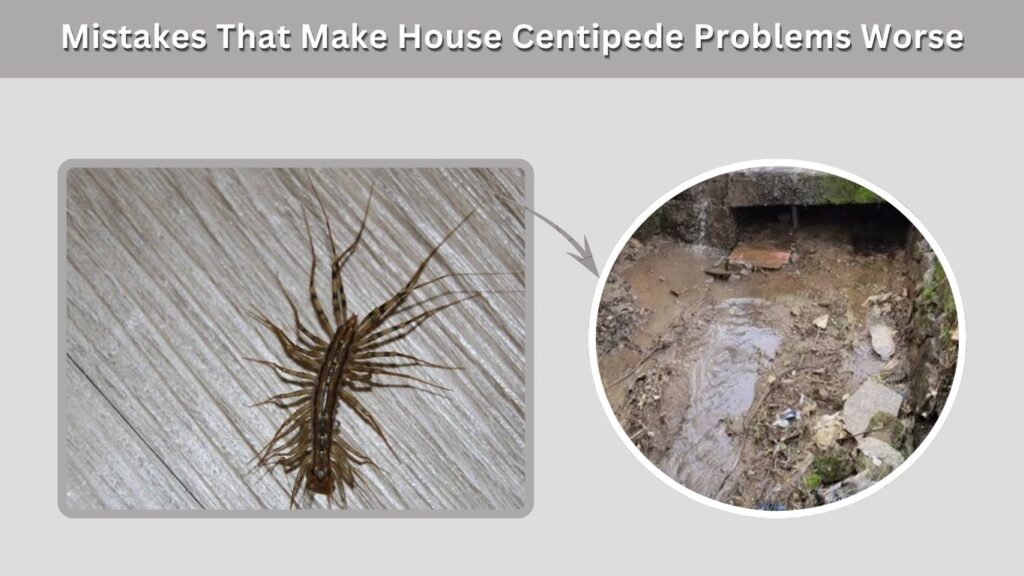
Many homeowners unintentionally create conditions that encourage house centipedes to stay. Avoiding common mistakes can improve the effectiveness of your pest prevention efforts and reduce the likelihood of recurring infestations.
Ignoring Moisture Issues
Leaky pipes, poor drainage, and excessive humidity are among the biggest contributors to house centipede activity. Failing to address these issues allows favorable conditions to persist.
Allowing Clutter to Accumulate
Storage boxes, piles of paper, and unused household items create hiding places that centipedes can use for shelter and protection.
Overlooking Other Pest Problems
Since house centipedes feed on insects, ignoring ant, cockroach, or silverfish infestations can indirectly support centipede populations.
Leaving Entry Points Unsealed
Even a well-maintained home can experience centipede problems if cracks and gaps remain open. Regular inspections can help prevent unwanted access.
When to Call a Professional Pest Control Service
Most house centipede problems can be managed using DIY prevention techniques. However, some situations require professional assistance. Pest control specialists can identify hidden causes and recommend targeted solutions that provide lasting results.
Frequent Indoor Sightings
If you continue seeing centipedes despite taking preventive measures, a larger underlying issue may be present.
Large Numbers of Centipedes
Occasional sightings are normal, but repeated encounters with multiple centipedes could indicate ideal living conditions within the home.
Ongoing Moisture Problems
Persistent leaks, flooding, or excessive humidity may require professional evaluation before pest issues can be resolved effectively.
Recurring Insect Infestations
A continuous supply of prey insects often attracts house centipedes. Pest control experts can address both the centipedes and their food sources.
FAQs
How Do You Repel House Centipedes Naturally?
You can repel house centipedes naturally by reducing humidity, using essential oils, sealing entry points, eliminating standing water, and controlling the insects they feed on.
What Smell Do House Centipedes Hate?
Many homeowners use peppermint, tea tree, cedarwood, and lavender oils as natural deterrents. While results may vary, these scents can help make treated areas less attractive.
Why Do I Keep Finding Centipedes in My House?
House centipedes are usually attracted by moisture, food sources, and dark hiding places. Addressing these conditions often reduces their presence.
Does Peppermint Oil Repel House Centipedes?
Peppermint oil is commonly used as a natural repellent and may help discourage centipedes when applied around entry points and problem areas.
How Can I Keep Centipedes Out Permanently?
The best long-term solution involves controlling moisture, sealing access points, reducing clutter, and eliminating insect populations that serve as food sources.