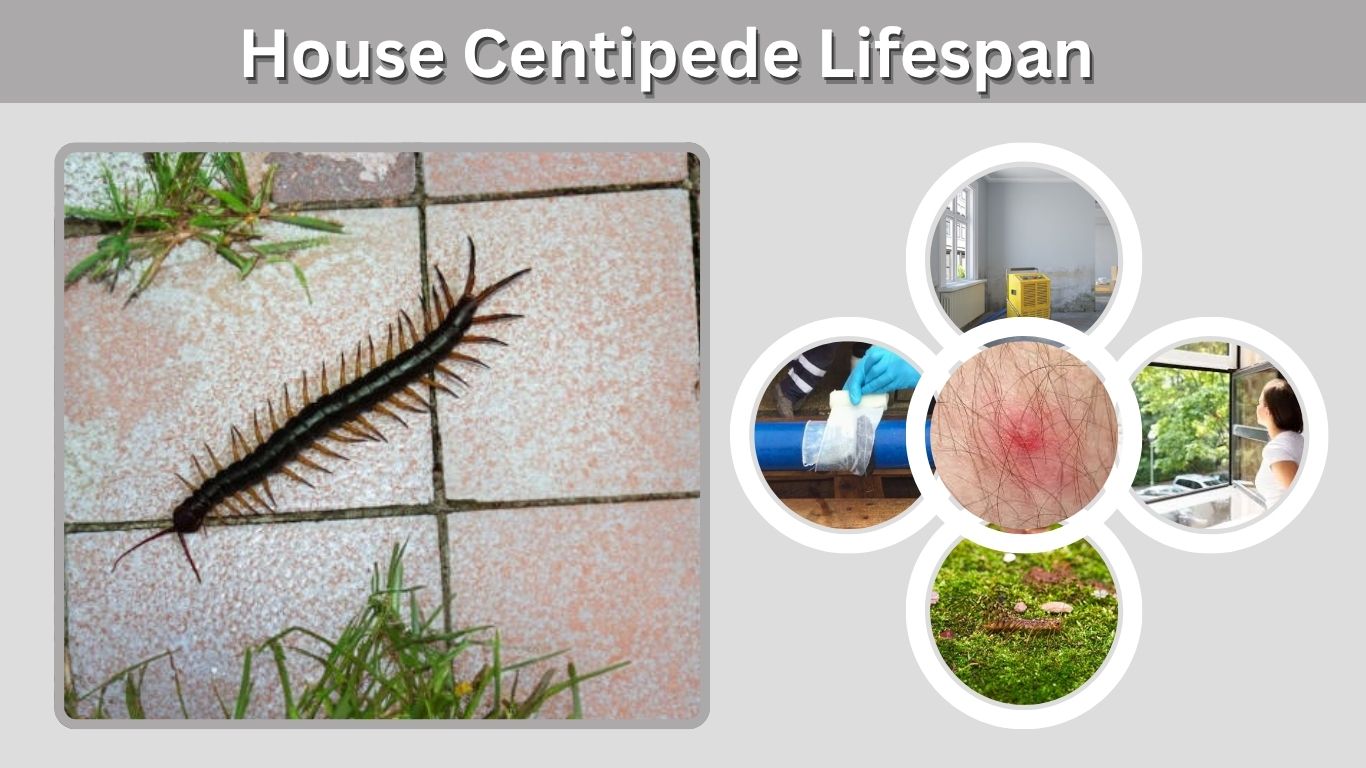
House centipedes are among the most recognizable household pests due to their long legs and fast movements. Although many homeowners find them unsettling, these creatures are generally harmless and can even help control other insect populations. One of the most common questions people ask is about the house centipede lifespan and how long these unusual arthropods can survive indoors. Understanding their life expectancy, growth stages, and environmental needs can help homeowners better manage or coexist with them.
What Is the Lifespan of a House Centipede?
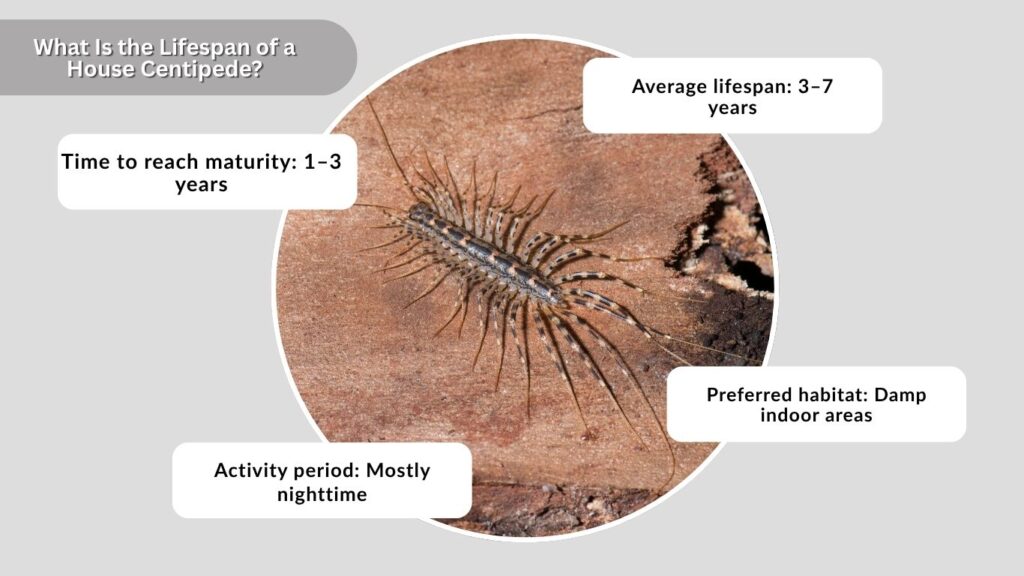
House centipedes live longer than many people expect. Unlike common household insects that survive for only a few months, house centipedes can live for several years under the right conditions. Their lifespan depends on factors such as food availability, humidity, temperature, and protection from predators.
Average Lifespan of House Centipedes
Most house centipedes live between three and seven years. This makes them one of the longer-living household arthropods. Individuals living in stable indoor environments often survive longer than those exposed to outdoor weather conditions and natural predators.
Lifespan in Indoor Environments
House centipedes thrive indoors because homes provide shelter, moisture, and a steady supply of prey. Basements, bathrooms, crawl spaces, and laundry rooms are common hiding places where they can live comfortably for years.
Quick Lifespan Facts
- Average lifespan: 3–7 years
- Time to reach maturity: 1–3 years
- Preferred habitat: Damp indoor areas
- Activity period: Mostly nighttime
- Common prey: Ants, spiders, silverfish, and cockroaches
House Centipede Life Cycle
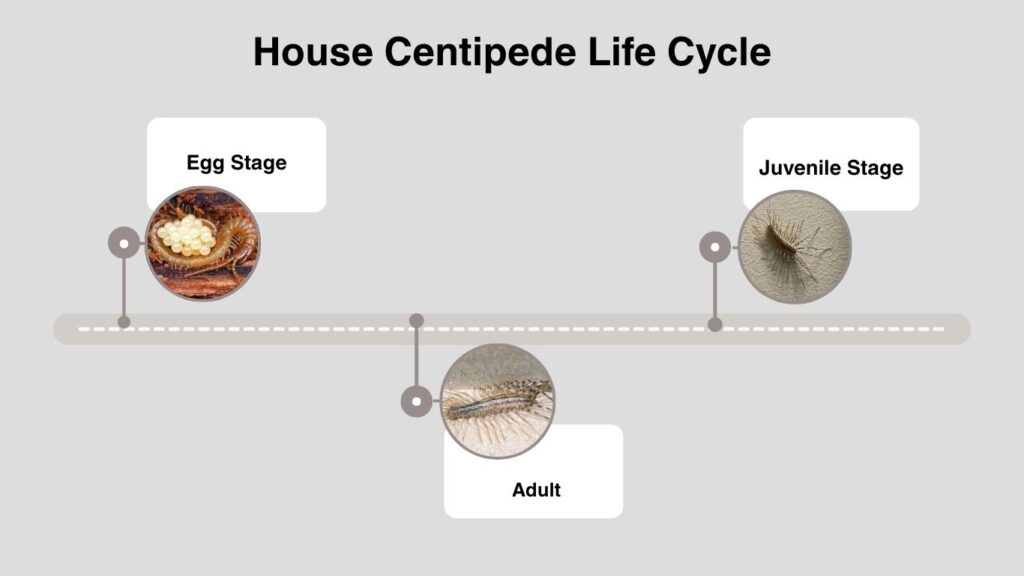
The life cycle of a house centipede is relatively slow compared to many insects. These creatures undergo several developmental stages before reaching adulthood. Their gradual growth contributes to their longer lifespan and ability to establish populations inside homes.
Egg Stage
Female house centipedes lay small clusters of eggs in protected, humid locations. The eggs are usually hidden in cracks, soil, or other sheltered spaces where moisture levels remain stable. Depending on environmental conditions, the eggs hatch after several weeks.
Juvenile Stage
Young house centipedes emerge with fewer legs than adults. As they grow, they molt multiple times, adding more body segments and legs during each stage of development. This process can continue for several years before they become fully mature adults.
Adult Stage
Adult house centipedes are active hunters that feed on a variety of household pests. Once they reach maturity, they continue molting occasionally and can survive for several additional years. Their long adult lifespan is one reason they are commonly seen in the same home over extended periods.
Factors That Affect House Centipede Lifespan
Several environmental conditions influence how long a house centipede survives. While these creatures are adaptable, certain factors significantly increase or decrease their life expectancy. Understanding these influences can explain why some homes experience recurring sightings while others rarely encounter them.
Food Availability
House centipedes are predators that rely on other insects for survival. Homes with abundant prey often support larger and longer-living centipede populations.
Key food sources include:
- Cockroaches
- Silverfish
- Ants
- Spiders
- Termites
- Small moths and flies
A consistent food supply helps house centipedes maintain their health and survive for many years.
Humidity Levels
Moisture is one of the most important requirements for house centipedes. They lose water through their bodies and prefer damp environments that reduce dehydration. Homes with excessive humidity often provide ideal conditions for long-term survival.
Temperature Conditions
Moderate indoor temperatures help house centipedes remain active year-round. Unlike outdoor populations that face seasonal temperature fluctuations, indoor centipedes benefit from stable climates that support growth and reproduction.
Natural Threats
Although house centipedes are skilled hunters, they still face dangers that can shorten their lifespan.
Common threats include:
- Predatory spiders
- Birds in outdoor environments
- Household pets
- Insecticides
- Habitat disturbances
Reducing these threats often allows centipedes to survive longer indoors.
Why House Centipedes Live Longer Indoors
Indoor environments offer significant advantages that increase house centipede lifespan. Unlike outdoor habitats where weather and predators constantly create challenges, homes provide a protected environment that supports long-term survival. This is one of the primary reasons house centipedes are frequently associated with residential buildings.
Protection From Harsh Weather
Rain, cold temperatures, heat waves, and seasonal changes can all reduce survival rates outdoors. Indoor environments eliminate many of these threats, allowing centipedes to remain active throughout the year.
Reliable Access to Food
Many homes contain small insect populations that serve as a continuous food source. Even when homeowners do not notice these pests, house centipedes can locate and hunt them effectively.
Reduced Predator Exposure
Indoor spaces typically contain fewer natural predators than outdoor environments. With fewer threats to avoid, house centipedes can focus on feeding, growing, and reproducing.
Stable Living Conditions
Consistent humidity and temperature levels create ideal living conditions. These stable environmental factors contribute significantly to the extended lifespan commonly observed in indoor house centipede populations.
How Long Can House Centipedes Live Without Food?
House centipedes are resilient predators capable of surviving periods without regular meals. Their ability to conserve energy allows them to endure food shortages better than many household insects. However, access to moisture remains essential because dehydration typically poses a greater threat than starvation.
Survival Without Food
A healthy house centipede can survive for several weeks and sometimes even months without eating. Their slow metabolism helps them conserve energy until prey becomes available again. This adaptation is particularly useful in homes where insect populations fluctuate throughout the year.
The Importance of Moisture
While food shortages may not immediately threaten a house centipede, a lack of moisture can quickly become dangerous. These arthropods prefer humid environments because dry conditions increase water loss and reduce their chances of survival.
Can House Centipedes Survive in Empty Homes?
Even vacant homes often contain enough insects to support house centipedes. Small populations of spiders, ants, and other pests can provide occasional meals. As long as moisture remains available, house centipedes may continue living in an unoccupied building for extended periods.
House Centipede Reproduction and Population Growth
House centipedes reproduce more slowly than many common household pests. This relatively low reproductive rate helps explain why homeowners rarely experience severe infestations despite occasionally seeing these creatures indoors.
Mating Behavior
Mating typically occurs in warm, humid environments where both males and females can find shelter. Instead of direct fertilization, males deposit a spermatophore that females collect to fertilize their eggs.
Egg Production
Female house centipedes lay batches of eggs in protected locations. The number of eggs varies, but a single female may produce dozens of offspring during her reproductive cycle. These eggs are carefully hidden to improve survival rates.
Population Growth Indoors
Although house centipedes can reproduce inside homes, their populations usually grow gradually rather than explosively. Factors such as food availability, humidity, and available shelter determine whether a population expands or remains stable.
Are House Centipedes Dangerous?
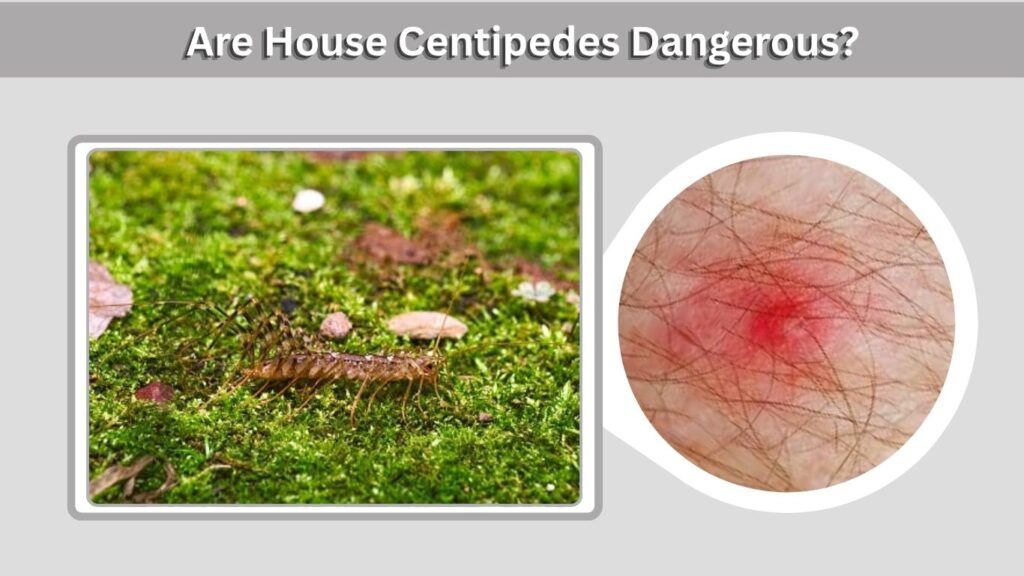
Many homeowners worry when they encounter a fast-moving house centipede. However, these creatures are generally considered beneficial because they help reduce populations of other household pests. Understanding their actual risks can help separate facts from common misconceptions.
Can House Centipedes Bite Humans?
House centipedes possess venom that helps them subdue prey, but bites to humans are uncommon. They typically avoid contact with people and prefer to flee when disturbed. In rare cases where a bite occurs, symptoms are usually mild and temporary.
Health Risks
For most individuals, house centipedes pose little danger. They do not spread diseases, damage household structures, or contaminate food. Their presence is often more alarming than harmful.
Benefits of House Centipedes
House centipedes provide natural pest control by feeding on various unwanted insects.
Common pests they consume include:
- Cockroaches
- Silverfish
- Ants
- Spiders
- Bed bugs
- Termites
Because they prey on these insects, some homeowners choose to tolerate occasional sightings rather than eliminate them completely.
How to Reduce House Centipede Lifespan in Your Home
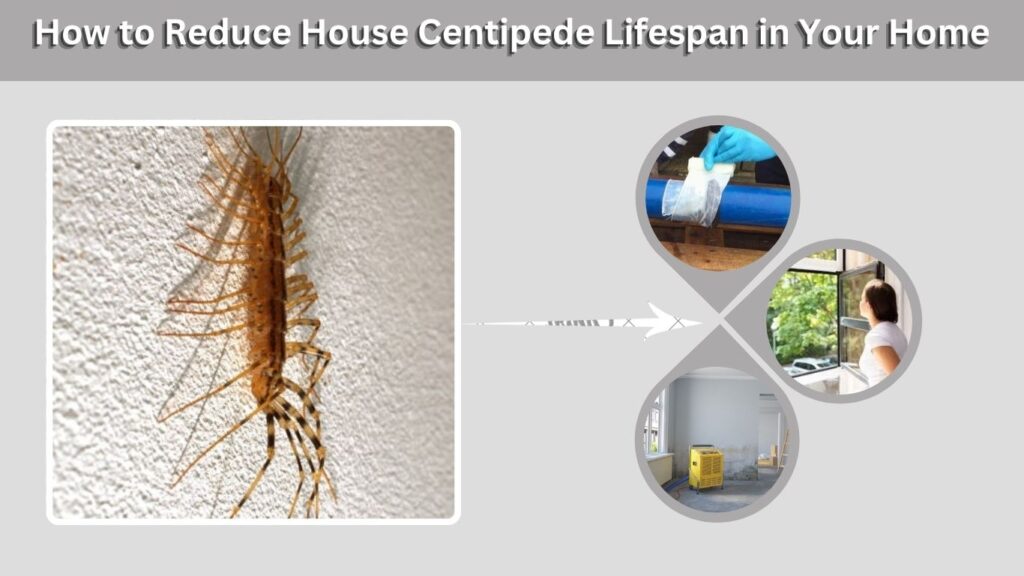
While house centipedes can be beneficial, many people prefer not to share their living spaces with them. Reducing favorable conditions can make your home less attractive and shorten their survival time.
Eliminate Excess Moisture
Moisture control is one of the most effective strategies for discouraging house centipedes.
Consider the following actions:
- Repair leaking pipes
- Improve ventilation
- Use dehumidifiers
- Dry damp basements
- Fix water-damaged areas
Reducing humidity removes one of the key requirements for long-term survival.
Remove Their Food Source
Since house centipedes depend on other insects for food, controlling pest populations can indirectly reduce centipede activity. Effective pest management often leads to fewer sightings over time.
Seal Entry Points
Cracks, gaps, and openings around doors, windows, and foundations provide access to indoor environments. Sealing these entry points helps prevent new centipedes from entering the home.
Use Targeted Pest Control
In cases of persistent activity, targeted pest control methods may be necessary. However, eliminating moisture and food sources typically produces longer-lasting results than relying solely on chemical treatments.
FAQs
What Is the Lifespan of a House Centipede?
Most house centipedes live between three and seven years, depending on environmental conditions and food availability.
How Long Do House Centipedes Live Indoors?
Indoor house centipedes often live longer than outdoor populations because they benefit from stable temperatures, moisture, and protection from predators.
How Long Can House Centipedes Survive Without Food?
House centipedes can survive for several weeks or even months without food, although access to moisture remains critical.
Do House Centipedes Multiply Quickly?
No. House centipedes reproduce relatively slowly compared to many household pests, which limits rapid population growth.
Should I Kill House Centipedes?
The decision depends on personal preference. While many people find them unpleasant, house centipedes help control other household pests and are generally harmless.