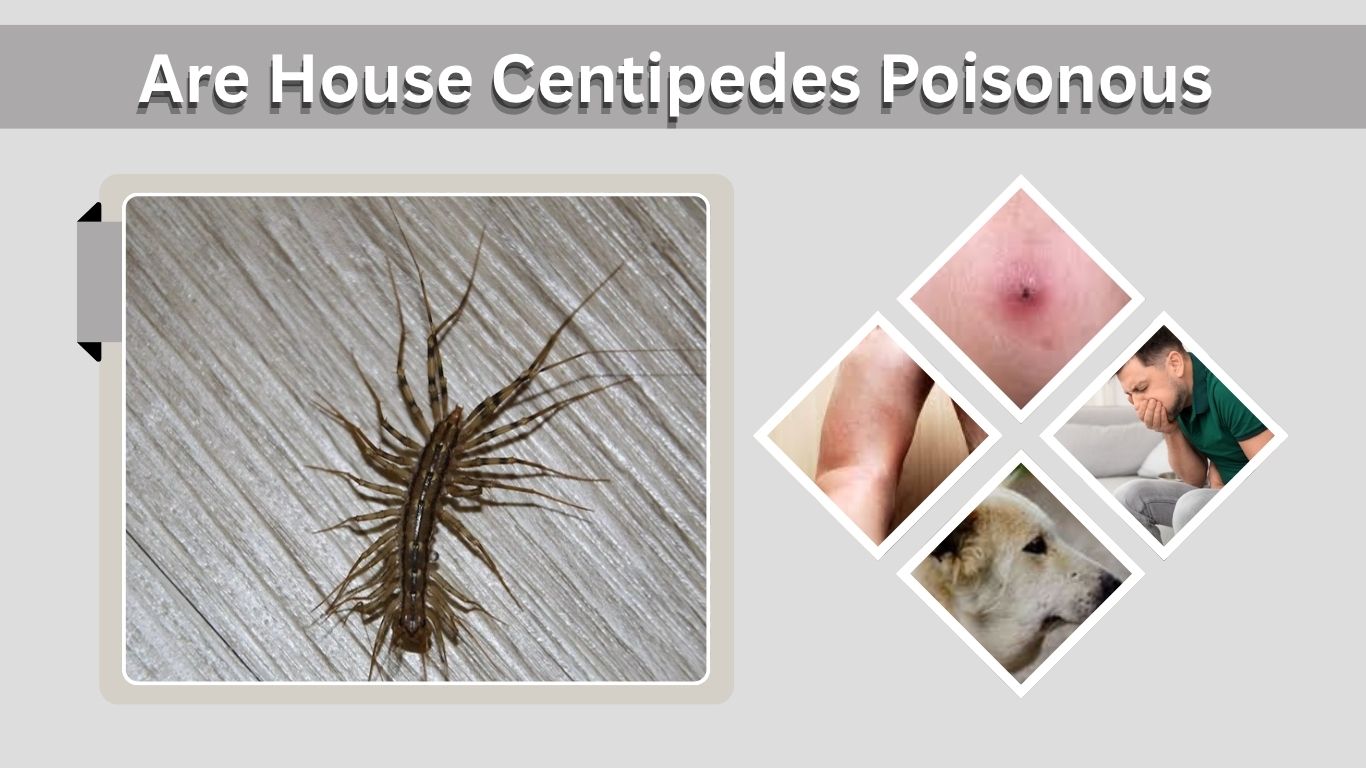
House centipedes are among the most recognizable household pests due to their long legs and fast movements. Their unusual appearance often raises concerns about whether they are poisonous and capable of harming people or pets. While house centipedes possess venom that helps them capture prey, they are not considered poisonous in the traditional sense. Most encounters with humans and animals result in little or no harm. Understanding the difference between poisonous and venomous can help homeowners better assess the actual risks associated with these common indoor creatures.
Are House Centipedes Poisonous?
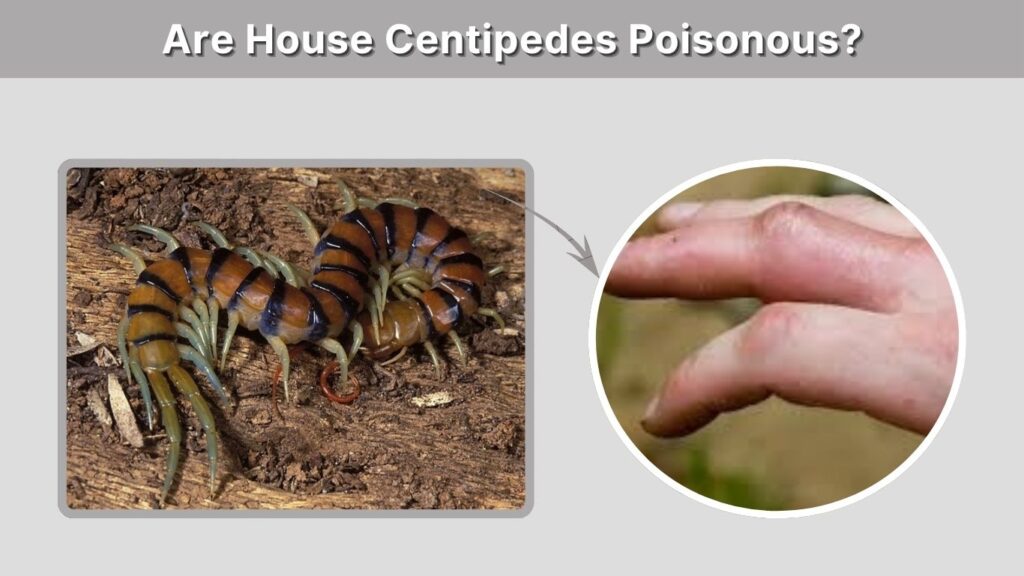
Many homeowners wonder whether house centipedes are dangerous because they frequently appear in basements, bathrooms, and other damp areas. The answer depends largely on understanding how these creatures use their venom and how it affects humans and animals.
Poisonous vs. Venomous: What’s the Difference?
The terms poisonous and venomous are often used interchangeably, but they describe different biological traits.
- Poisonous animals release toxins when touched or eaten.
- Venomous animals inject toxins through bites or stings.
- Poison affects through ingestion or contact.
- Venom affects through direct injection.
House centipedes fall into the venomous category because they use specialized front legs to inject venom into prey.
Are House Centipedes Poisonous or Venomous?
House centipedes are venomous rather than poisonous. Their venom is designed to immobilize insects and other small pests that they hunt inside homes. The venom is relatively mild and not intended to cause significant harm to humans.
Most people can safely handle occasional encounters with house centipedes without experiencing any serious health effects. However, a bite may cause temporary discomfort if one feels threatened and decides to defend itself.
Why Do House Centipedes Have Venom?
Venom plays an important role in the survival of house centipedes. As active predators, they rely on it to capture and subdue prey quickly.
Common prey includes:
- Cockroaches
- Silverfish
- Ants
- Termites
- Small spiders
Because of their hunting habits, many pest control experts consider house centipedes beneficial insects despite their intimidating appearance.
Are House Centipedes Poisonous to Humans?
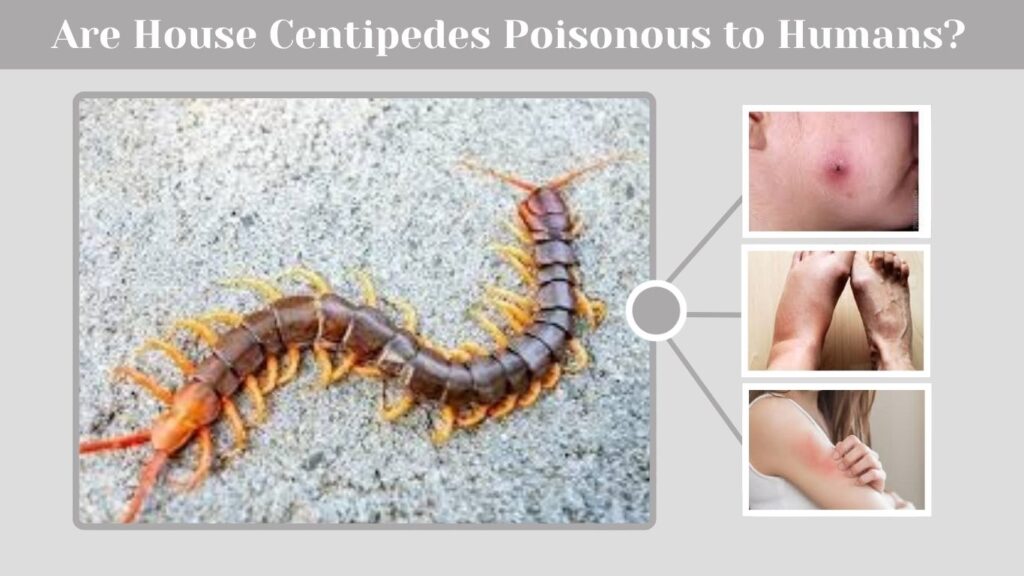
Although house centipedes are venomous, most people never experience a bite. These creatures generally avoid human contact and prefer hiding in dark, moist environments. Their behavior makes them one of the less aggressive household pests.
Can House Centipedes Hurt Humans?
House centipedes rarely bite people unless they are handled or trapped against the skin. Even when bites occur, the symptoms are typically mild and short-lived.
A healthy adult usually experiences temporary discomfort rather than any serious medical complications. Severe reactions are uncommon and are often associated with allergies rather than the venom itself.
What Happens If a House Centipede Bites You?
A bite from a house centipede may cause localized symptoms that resemble a mild insect sting. Most reactions disappear within a few hours or days.
Possible symptoms include:
- Mild pain
- Redness
- Swelling
- Itching
- Skin irritation
The severity of symptoms varies from person to person. Some individuals may barely notice the bite, while others experience more noticeable inflammation.
Are House Centipedes Dangerous to Children?
Children may be more sensitive to insect bites because of their smaller body size and delicate skin. However, house centipede bites are generally not considered dangerous to children.
Parents should monitor the bite area for unusual swelling or signs of an allergic reaction. If symptoms worsen or breathing difficulties occur, immediate medical attention is recommended.
Are House Centipedes Poisonous to Cats?
Cat owners frequently discover house centipedes when their pets begin chasing insects across floors or walls. Since cats are natural hunters, interactions between cats and house centipedes are relatively common.
Can House Centipedes Harm Cats?
Most encounters between cats and house centipedes end without injury. If a cat is bitten, the effects are usually limited to temporary discomfort and mild irritation.
The venom used by house centipedes is not powerful enough to cause severe toxicity in healthy cats. Nevertheless, individual reactions can vary depending on the cat’s age, size, and overall health.
What Happens If a Cat Eats a House Centipede?
In some cases, cats may catch and consume house centipedes. Although this behavior can be alarming for pet owners, serious consequences are uncommon.
A cat that eats a house centipede may experience temporary digestive upset. Mild symptoms sometimes include excessive drooling, stomach discomfort, or brief vomiting. These reactions generally resolve without treatment.
When Should You Call a Veterinarian?
While severe complications are rare, veterinary advice may be necessary if symptoms persist or worsen. Watch for signs such as prolonged vomiting, difficulty breathing, unusual lethargy, or significant facial swelling.
Most cats recover quickly after encountering or eating a house centipede, but monitoring their condition provides additional peace of mind.
Are House Centipedes Poisonous to Dogs?
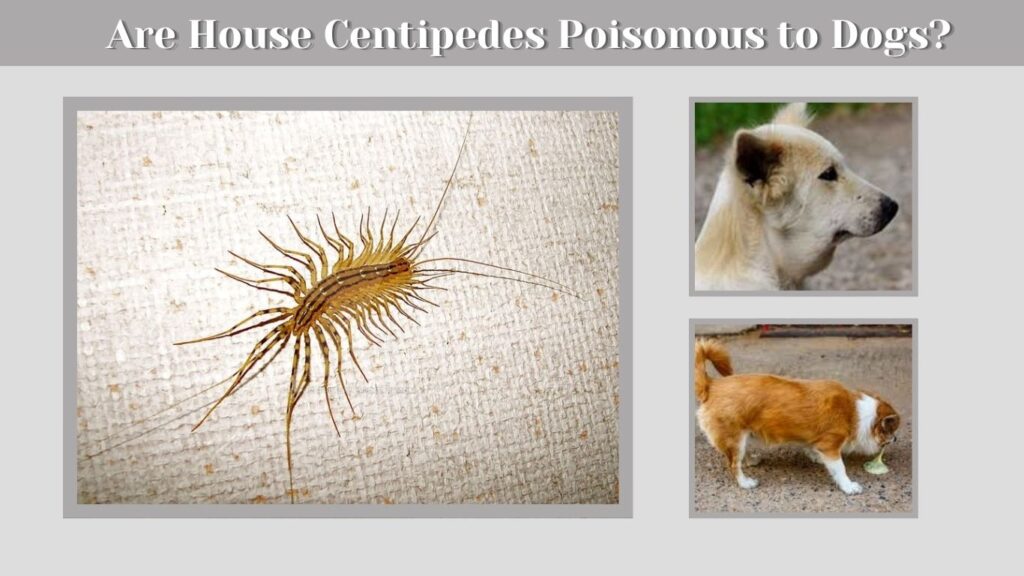
Dogs are naturally curious and often investigate insects they find indoors. As a result, many pet owners worry about the potential dangers of house centipedes. Fortunately, common house centipedes pose very little risk to healthy dogs.
Can House Centipedes Bite Dogs?
Although house centipedes can bite dogs, such incidents are uncommon. Most centipedes try to escape rather than defend themselves when confronted by larger animals.
A dog that receives a bite may experience temporary discomfort around the affected area. Mild swelling or irritation can occur, but severe reactions are rare.
What Happens If a Dog Eats a House Centipede?
Some dogs may accidentally or intentionally eat a house centipede while exploring the home. In most cases, ingestion does not result in serious health problems.
Potential symptoms include:
- Mild drooling
- Temporary stomach upset
- Vomiting
- Pawing at the mouth
- Brief loss of appetite
Most symptoms resolve within a short period without medical treatment.
Warning Signs for Dog Owners
Although uncommon, certain symptoms may indicate a more serious reaction. Contact a veterinarian if your dog develops difficulty breathing, severe swelling, persistent vomiting, or unusual weakness after encountering a house centipede.
Are House Centipedes Poisonous to Other Pets?
Beyond cats and dogs, many households contain reptiles, rodents, birds, and other small animals. These pets may react differently to house centipedes because of their smaller size and unique biological characteristics.
Are House Centipedes Poisonous to Bearded Dragons?
Bearded dragons and other reptiles may occasionally encounter insects in their enclosures or homes. While a house centipede is not considered highly toxic, it is generally not recommended as a food source.
The centipede’s venom and defensive behavior may cause stress or injury to smaller reptiles. Pet owners should remove any house centipedes they find in reptile habitats.
Are House Centipedes Poisonous to Rats?
Pet rats are curious animals that may attempt to catch insects. A healthy adult rat is unlikely to suffer serious harm from a house centipede, but bites can cause discomfort and irritation.
Monitoring your pet for unusual behavior after an encounter is always a good precaution.
Are House Centipedes Harmful to Birds and Small Pets?
Smaller pets may be more vulnerable than cats and dogs due to their size. While house centipedes are not highly toxic, it is best to prevent direct interactions whenever possible. Keeping enclosures secure and free from insects helps protect pets from unnecessary risks.
Are House Centipedes Poisonous If Eaten?
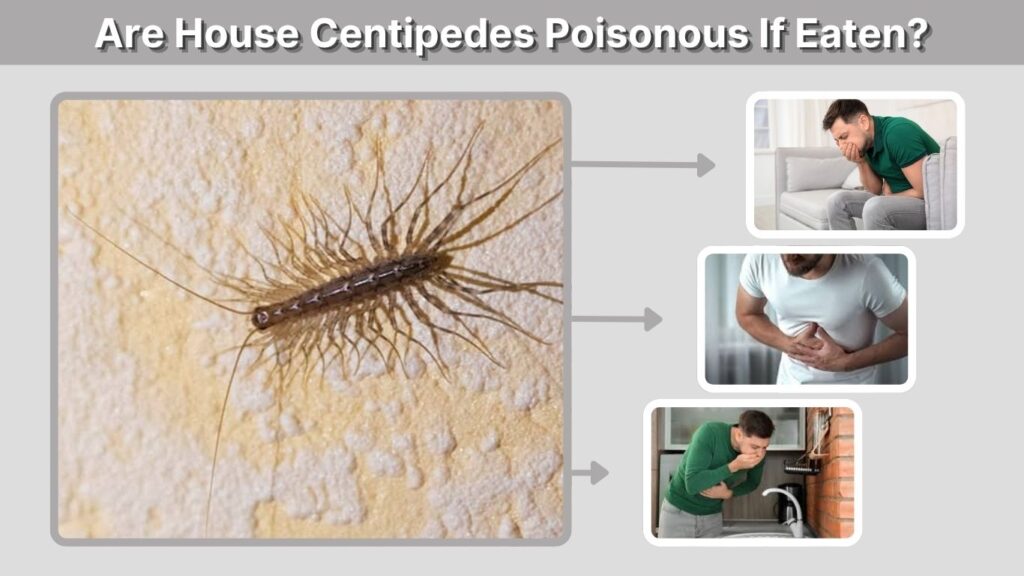
Many homeowners wonder whether house centipedes become dangerous when swallowed. This concern commonly arises when pets, children, or wildlife accidentally consume one.
Are House Centipedes Toxic When Ingested?
House centipedes are not considered poisonous if eaten. Their venom is designed to be injected into prey rather than absorbed through digestion. As a result, swallowing a house centipede rarely causes serious poisoning.
However, consuming any insect can occasionally trigger digestive irritation or allergic reactions in sensitive individuals.
Possible Symptoms After Ingestion
Most cases involve mild and temporary symptoms that improve without treatment.
Common symptoms may include:
- Nausea
- Stomach discomfort
- Vomiting
- Excessive salivation
- Temporary digestive upset
The likelihood of severe complications is very low.
When Should Medical Help Be Sought?
Medical attention may be necessary if symptoms become severe or if signs of an allergic reaction appear. Difficulty breathing, extensive swelling, or persistent vomiting should never be ignored.
Why House Centipedes Are Actually Beneficial
Despite their frightening appearance, house centipedes provide several benefits to homeowners. They serve as natural predators that help reduce populations of unwanted insects inside the home.
Pests That House Centipedes Eat
House centipedes feed on a variety of common household pests, including:
- Cockroaches
- Silverfish
- Ants
- Termites
- Spiders
- Moths
Their hunting activity can help limit pest populations without the use of chemical pesticides.
Natural Pest Control Advantages
Unlike many pests, house centipedes do not damage furniture, contaminate food, or spread diseases. Instead, they spend their time hunting insects that may create larger infestations.
For this reason, some homeowners tolerate occasional house centipede sightings as part of a natural pest management strategy.
Should You Kill House Centipedes?
The decision depends on personal preference. While house centipedes are generally harmless, some people prefer not to share their homes with them. In many cases, removing them safely and addressing moisture problems is more effective than repeatedly eliminating individual centipedes.
FAQs
Are House Centipedes Poisonous?
No. House centipedes are not poisonous, but they are venomous. They use venom to capture prey rather than harming humans.
Are House Centipedes Poisonous to Humans?
House centipedes are not poisonous to humans and rarely cause serious problems. Most bites result in mild pain, redness, and swelling.
Are House Centipedes Poisonous to Cats?
No. House centipedes are generally not poisonous to cats. Most encounters cause little more than temporary discomfort.
Are House Centipedes Poisonous to Dogs?
No. Dogs may experience mild irritation after a bite or ingestion, but severe reactions are uncommon.
Are All House Centipedes Poisonous?
No house centipede species are considered poisonous. Most are venomous predators that use venom to subdue insects.