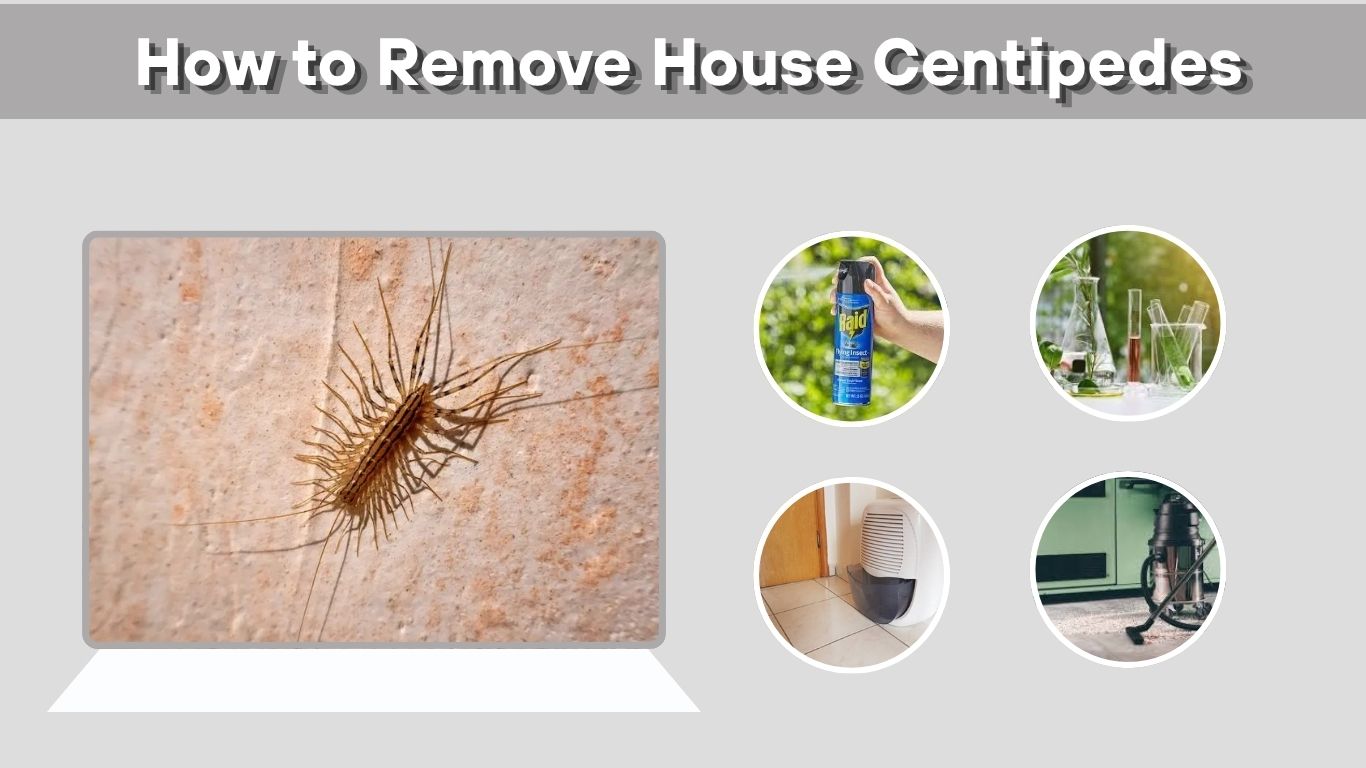
House centipedes are common household pests that often appear in damp areas such as bathrooms, basements, and crawl spaces. Their long legs and rapid movements can be alarming, causing many homeowners to search for effective removal methods. Although house centipedes help control other insect populations, many people prefer not to share their living spaces with them. Fortunately, there are several practical ways to remove house centipedes and prevent them from returning. Understanding why they enter homes is the first step toward long-term control.
Why Do House Centipedes Enter Homes?
House centipedes do not invade homes randomly. They are attracted to environments that provide moisture, food, and shelter. By understanding the factors that attract them, homeowners can address the root causes rather than simply dealing with individual centipedes.
Searching for Food
House centipedes feed on a variety of insects and small arthropods. If your home contains other pests, centipedes are likely to remain nearby because a reliable food source is available.
Moisture and Humidity Problems
Damp conditions are one of the biggest attractions for house centipedes. Areas with high humidity help them avoid dehydration and create ideal living conditions for the insects they hunt.
Safe Shelter and Hiding Places
House centipedes prefer dark, undisturbed locations where they can remain hidden during the day. Common hiding spots include storage areas, wall voids, basements, and spaces beneath furniture.
Common Entry Points
Many centipedes enter homes through small openings such as:
- Foundation cracks
- Gaps around doors
- Window openings
- Utility pipe penetrations
- Basement vents
Sealing these entry points can significantly reduce indoor sightings.
How to Remove House Centipedes Immediately
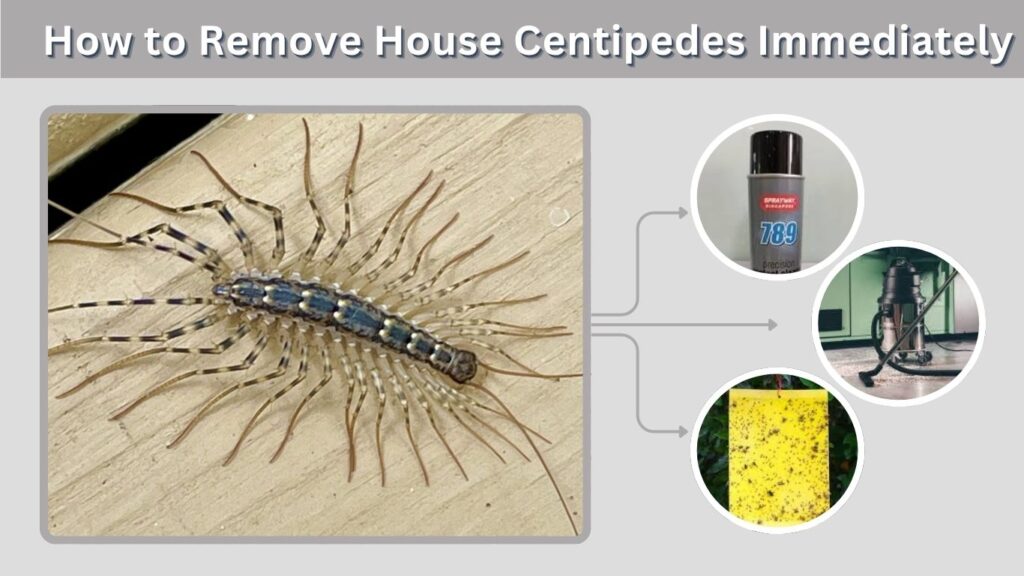
If you discover a house centipede indoors, several methods can provide immediate removal. The best option often depends on your comfort level and whether you prefer humane or direct control measures.
Capture and Release Methods
One of the simplest solutions is capturing the centipede with a cup and sliding paper underneath it. Once secured, it can be released outdoors away from the home.
Vacuum Removal
Vacuuming is a quick and effective method for removing individual centipedes. This approach is particularly useful when centipedes appear in difficult-to-reach locations.
Sticky Trap Solutions
Sticky traps placed near walls and corners can capture centipedes as they move through the home. These traps also help monitor activity levels and identify problem areas.
Professional Pest Treatments
For recurring problems, homeowners may consider:
- Sticky traps
- Vacuum removal
- Residual insecticides
- Contact sprays
- Professional pest control services
Professional treatments are generally most effective when combined with moisture control and prevention efforts.
How to Get Rid of House Centipedes Naturally
Natural control methods focus on changing the conditions that attract house centipedes. These strategies are often safer for households with children and pets while providing long-term results.
Reduce Indoor Humidity
Lowering humidity levels makes indoor environments less favorable for centipedes. Dehumidifiers can be especially useful in basements and crawl spaces where moisture tends to accumulate.
Fix Water Leaks
Leaking pipes, dripping faucets, and plumbing issues create ideal habitats for both centipedes and their prey. Prompt repairs reduce moisture and help eliminate favorable conditions.
Improve Ventilation
Proper ventilation helps maintain lower humidity levels throughout the home. Improved airflow in bathrooms, laundry rooms, and basements can make a significant difference.
Eliminate Other Household Pests
Removing the centipede’s food source is one of the most effective natural solutions. Common prey includes:
- Cockroaches
- Ants
- Silverfish
- Spiders
- Moths
When these pests become scarce, house centipedes often relocate elsewhere.
How to Get Rid of House Centipedes Forever
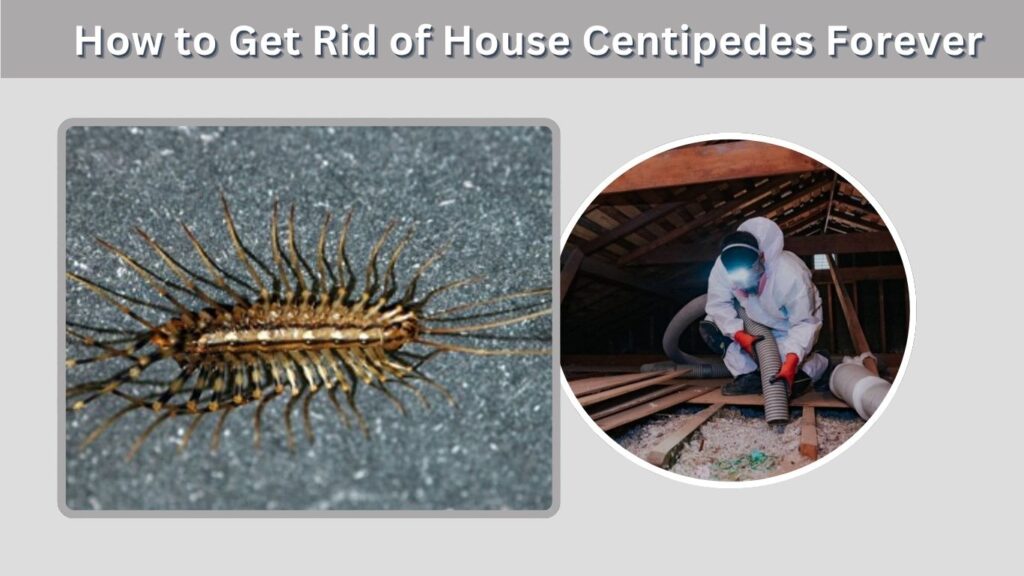
Permanent control requires more than removing visible centipedes. Long-term success comes from eliminating the conditions that support their survival and reproduction.
Address the Root Cause
The presence of house centipedes often indicates underlying moisture or pest issues. Identifying and resolving these problems is essential for lasting control.
Seal All Entry Points
Carefully inspect the exterior of your home and seal cracks, gaps, and openings that allow pests to enter. This step prevents both centipedes and other insects from gaining access.
Maintain a Dry Environment
Dry environments are much less attractive to house centipedes. Consistent moisture management reduces the likelihood of future infestations.
Reduce Clutter
Clutter provides numerous hiding places for both centipedes and their prey. Focus on removing:
- Cardboard boxes
- Unused storage items
- Damp materials
- Wood piles near foundations
- Excess basement clutter
Reducing clutter improves visibility and limits available shelter.
How to Remove House Centipedes in the Bathroom
Bathrooms are among the most common locations for house centipede activity. High humidity, water sources, and access to insects create ideal conditions for these pests.
Why Bathrooms Attract Them
Bathrooms often remain humid for extended periods after showers and baths. This moisture helps house centipedes survive and encourages other insects that serve as food sources.
Bathroom Prevention Tips
Simple maintenance practices can significantly reduce bathroom activity. Regular cleaning, improved ventilation, and prompt leak repairs help create conditions that are less attractive to centipedes.
Managing Humidity Levels
Using exhaust fans, opening windows when possible, and wiping away excess moisture can reduce humidity and discourage house centipedes from remaining in the area.
How to Remove House Centipedes in the Basement
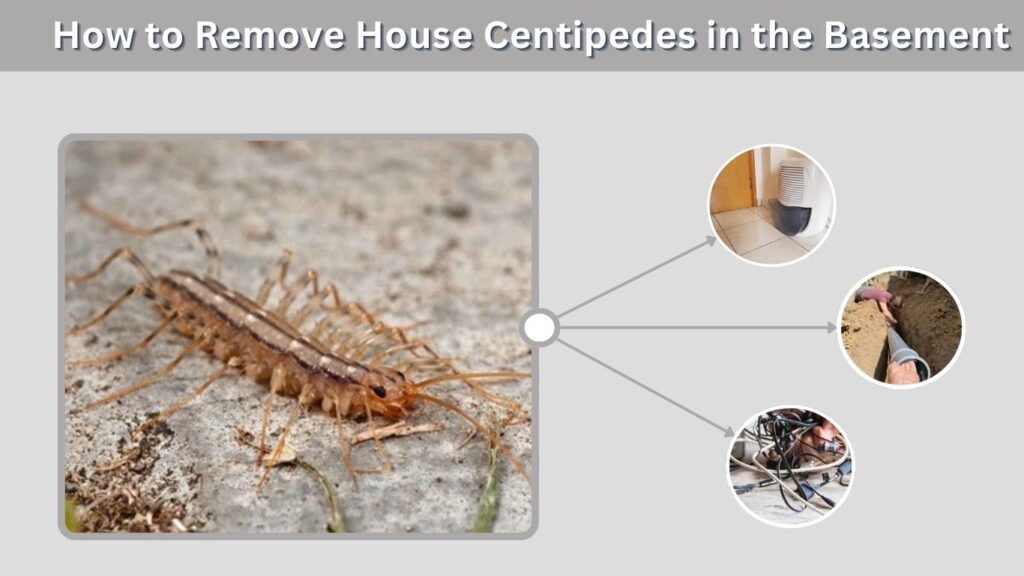
Basements are one of the most common locations for house centipede activity because they often provide the moisture, darkness, and shelter these pests prefer. If you frequently see centipedes in your basement, addressing environmental conditions is usually more effective than repeatedly removing individual pests.
Why Basements Are Common Hotspots
Basements tend to have higher humidity levels than other parts of the home. They also contain numerous hiding places such as storage boxes, utility areas, and cluttered corners.
Moisture Control Solutions
Reducing moisture is one of the most effective ways to discourage house centipedes. Dehumidifiers, proper drainage systems, and leak repairs can significantly improve basement conditions.
Basement Maintenance Tips
To make your basement less attractive to house centipedes:
- Use a dehumidifier regularly
- Store items in sealed plastic containers
- Repair foundation cracks
- Remove unnecessary clutter
- Improve air circulation
These simple steps can dramatically reduce centipede activity over time.
What Kills House Centipedes Instantly?
Some homeowners prefer immediate control methods when they encounter house centipedes. While instant solutions can remove visible pests, they do not address the underlying conditions that attract them.
Chemical Solutions
Contact insecticides can kill house centipedes quickly when applied directly. Residual treatments may also reduce activity by creating barriers around common entry points.
Non-Chemical Methods
Several non-chemical options can provide immediate results without introducing pesticides into the home. Vacuuming and physical removal remain among the simplest and safest methods.
When Professional Help Is Needed
Professional pest control may be beneficial when:
- Sightings occur frequently
- Multiple pest species are present
- Moisture problems are difficult to resolve
- DIY methods have failed
- Large infestations are suspected
A professional inspection can identify hidden issues contributing to recurring problems.
Common Mistakes When Removing House Centipedes
Many homeowners focus only on the visible centipedes they encounter. Unfortunately, this approach often fails because it ignores the environmental conditions that support their presence.
Ignoring Moisture Problems
High humidity and water leaks are among the most common causes of house centipede activity. Without addressing these issues, new centipedes may continue to appear.
Focusing Only on Visible Centipedes
The centipede you see is often only a small part of the problem. Their presence frequently indicates favorable living conditions somewhere else in the home.
Not Addressing Other Pest Infestations
House centipedes remain where food is available. If insects such as ants, cockroaches, or silverfish are present, centipedes will continue finding reasons to stay.
How to Prevent House Centipedes From Returning
Long-term prevention is the most effective strategy for homeowners who want lasting results. Consistent maintenance reduces the factors that attract centipedes and their prey.
Regular Home Maintenance
Routine inspections and repairs help eliminate common problem areas before they attract pests. Small improvements can have a significant impact over time.
Moisture Management
Maintaining low humidity levels throughout the home is essential. Proper ventilation, leak repairs, and moisture control devices create an environment that is less hospitable to house centipedes.
Long-Term Pest Prevention
Consider implementing these preventive measures:
- Repair plumbing leaks immediately
- Seal cracks and openings
- Use dehumidifiers in damp areas
- Reduce indoor clutter
- Eliminate insect infestations quickly
Together, these practices create a less attractive environment for both centipedes and their food sources.
Natural vs Chemical House Centipede Control
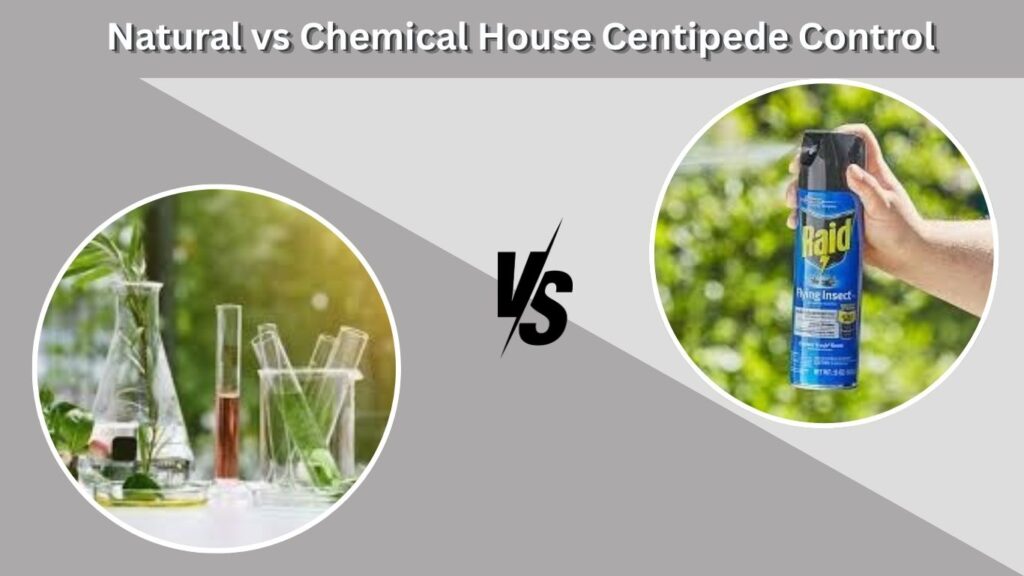
Homeowners often debate whether natural or chemical solutions are better. Both approaches can be effective, but each offers different advantages depending on the situation.
Benefits of Natural Methods
Natural methods focus on prevention and environmental control rather than pesticides. They are often safer for children, pets, and sensitive individuals while providing sustainable results.
Benefits of Chemical Treatments
Chemical products can provide faster results when immediate control is needed. They may be useful in severe infestations or situations where other methods have proven ineffective.
Which Option Works Best?
For most homeowners, a combination of moisture control, pest reduction, and preventive maintenance offers the most effective long-term solution. Chemical treatments may provide temporary relief, but addressing the root causes remains essential.
FAQs
How Do I Remove House Centipedes Quickly?
Vacuuming, sticky traps, and capture-and-release methods are among the fastest ways to remove individual house centipedes from your home.
What Kills House Centipedes Instantly?
Direct-contact insecticides can kill house centipedes immediately, while vacuuming provides a quick non-chemical alternative.
How Do I Get Rid of House Centipedes Naturally?
Reduce humidity, fix leaks, eliminate other pests, improve ventilation, and seal entry points to discourage house centipedes naturally.
Why Are House Centipedes in My Bathroom?
Bathrooms often provide the moisture, humidity, and insect activity that attract house centipedes.
How Do I Get Rid of House Centipedes in the Basement?
Use a dehumidifier, improve ventilation, remove clutter, and repair moisture problems to make the basement less attractive to centipedes.