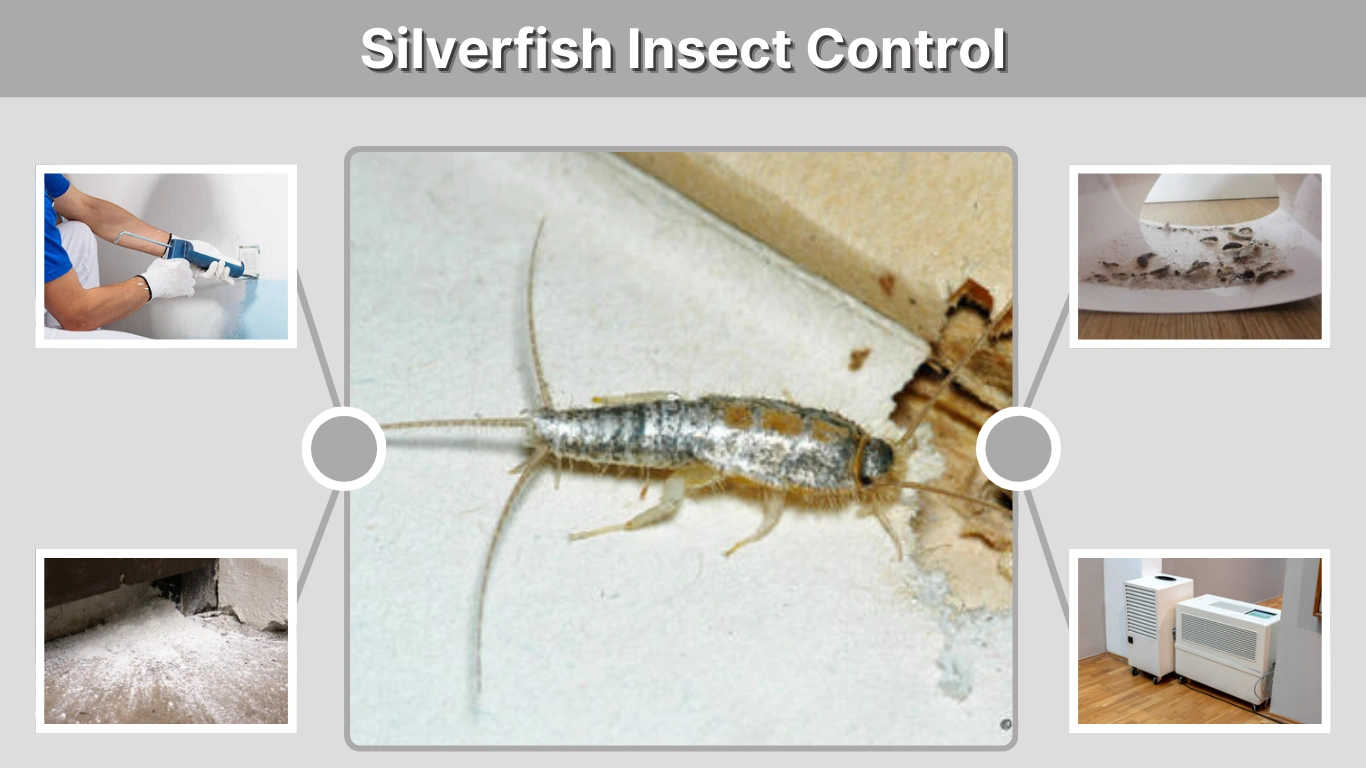
Silverfish insect control is essential for protecting homes from moisture-loving pests that damage books, wallpaper, clothing, and stored foods. Although silverfish insects do not bite humans, their feeding habits and rapid reproduction make them one of the most persistent indoor pests. Effective insect control for silverfish depends on early identification, moisture management, targeted treatment, and long-term prevention. This guide explains how to recognize silverfish infestations, why they occur, and which control methods work best for lasting results.
What Are Silverfish Insects?
Silverfish are small, wingless insects known for their silvery-gray color, flattened bodies, and quick, fish-like movements. They belong to the order Zygentoma and are among the oldest insect groups still living today. Silverfish thrive in dark, humid environments and are most active at night, which allows infestations to grow unnoticed for long periods.
Unlike many household insects, silverfish do not rely on food waste alone. They feed on materials rich in starch and cellulose, including paper, book bindings, wallpaper glue, fabrics, and even dead skin cells. This broad diet makes nearly every home vulnerable, especially where moisture and storage clutter exist.
Silverfish can live for several years and reproduce slowly but steadily. Because they hide deep inside cracks, wall voids, and storage areas, casual cleaning rarely removes them completely. This is why silverfish insect control usually requires both environmental changes and targeted treatments rather than surface spraying alone.
Why Silverfish Insect Control Is Necessary
Silverfish insect control is not only about removing visible insects—it is about preventing long-term damage. These pests chew irregular holes in books, documents, wallpaper, and clothing, often destroying valuable or sentimental items before homeowners realize a problem exists.
In kitchens and storage rooms, silverfish contaminate flour, cereals, and packaged goods. While they are not known to transmit serious diseases, their shed skins, droppings, and feeding activity can trigger allergies and create unsanitary conditions, particularly in food-handling environments.
Another reason insect control for silverfish is essential is their ability to survive without food for long periods. This makes infestations persistent and difficult to eliminate once they spread into structural voids. Without proper control, populations continue to expand, making later treatments more costly and disruptive.
How to Identify Silverfish Infestation

Silverfish are rarely seen during the day, so identification often depends on signs of activity rather than direct sightings. Common indicators include physical damage, hidden traces, and frequent nighttime appearances.
Key signs of silverfish infestation include:
• Slender, silver-gray insects with carrot-shaped bodies
• Fast, wriggling movement when lights are turned on
• Yellow stains and pepper-like droppings near baseboards
• Irregular holes in books, wallpaper, photos, or fabrics
• Shed skins in drawers, shelves, and storage boxes
• Increased sightings at night in bathrooms or kitchens
• Activity near sinks, drains, basements, and laundry areas
Regular inspection of dark, humid spaces is essential, as early detection greatly improves the success of silverfish insect control.
Common Places Silverfish Hide
Bathrooms and Kitchens
Bathrooms and kitchens are prime silverfish habitats because they provide warmth, humidity, and consistent moisture. Silverfish commonly hide behind tiles, under sinks, inside cabinets, and around plumbing fixtures. Drains, floor cracks, and wall gaps offer ideal shelter where these insects can avoid light and disturbance.
Condensation around pipes and poor ventilation further increase the likelihood of infestations. Without targeted insect control for silverfish in these areas, populations often spread from bathrooms into walls and nearby rooms.
Basements and Crawl Spaces
Basements and crawl spaces provide the dark, humid environments silverfish prefer. Cardboard boxes, stored papers, and old furniture create both food sources and shelter. These spaces are often overlooked during routine cleaning, allowing silverfish colonies to develop undisturbed.
Because basements frequently contain moisture seepage and limited airflow, they often serve as the main breeding ground from which silverfish spread throughout the home.
Closets, Attics, and Book Storage
Closets, attics, and book storage rooms attract silverfish due to fabric, paper, insulation, and long-undisturbed conditions. Stored clothes, photo albums, and book collections are especially vulnerable. When these areas are warm and poorly ventilated, silverfish can thrive for years without detection.
What Causes Silverfish Infestations?
Moisture is the primary driver of silverfish infestations. High indoor humidity, leaking pipes, condensation, and poor airflow create perfect survival conditions. Homes with inadequate bathroom ventilation or damp basements are especially susceptible.
Another major factor is clutter. Stacks of paper, cardboard boxes, and old books supply both food and shelter. When combined with warmth and darkness, these materials allow silverfish populations to grow rapidly and remain hidden.
Structural gaps also contribute. Cracks in walls, loose baseboards, and unsealed utility openings provide entry points and nesting spaces. Without addressing these environmental causes, silverfish insect control efforts often fail or provide only temporary relief.
Natural Silverfish Insect Control Methods

Natural control focuses on removing the conditions silverfish need to survive. While these methods may not eliminate severe infestations alone, they form the foundation of long-term insect control for silverfish.
Effective natural control methods include:
• Reducing humidity using dehumidifiers and exhaust fans
• Sealing wall cracks, baseboards, and plumbing gaps
• Removing cardboard, paper clutter, and fabric debris
• Applying diatomaceous earth or boric acid in voids
• Using essential oil repellents such as cedar or lavender
• Increasing airflow and natural light in damp rooms
• Maintaining consistent deep-cleaning routines
Chemical Insect Control for Silverfish
Chemical treatments are often necessary when silverfish populations are established deep inside walls, storage zones, and structural gaps. Unlike surface sprays that only kill visible insects, proper chemical insect control for silverfish targets both active insects and hidden nesting areas.
Residual insecticide sprays are commonly applied along baseboards, behind appliances, under sinks, and inside cracks where silverfish travel. These products continue working for weeks, killing silverfish that come into contact with treated surfaces. Dust insecticides, such as silica or borate powders, are especially effective in wall voids, attic spaces, and crawl areas where liquids cannot reach.
Residual Sprays and Dust Insecticides
Residual sprays form a protective barrier along common movement paths. When silverfish crawl over treated areas, the insecticide disrupts their nervous system, leading to gradual population decline. Dust insecticides work differently by damaging the insect’s outer coating, causing dehydration. Together, these methods provide long-term silverfish insect control.
Bait Stations and Traps
Bait stations and sticky traps are useful for monitoring activity and reducing small populations. They attract silverfish using starch-based materials, then trap or poison them. However, traps alone rarely eliminate infestations because they do not address eggs, hidden colonies, or environmental causes.
Safety Considerations
Chemical insect control silverfish treatments must always be applied according to label instructions. Extra caution is required in homes with children, pets, or food-preparation areas. Professional guidance ensures products are placed where silverfish travel without creating unnecessary exposure risks.
When to Use Professional Silverfish Control

Professional pest control becomes necessary when silverfish are seen regularly, damage continues despite treatment, or insects are emerging from walls and ceilings. These signs indicate that colonies are established beyond surface reach.
Professional silverfish insect control services usually begin with a full inspection to locate moisture sources, nesting zones, and entry points. Treatments often combine dusts, residual sprays, crack sealing, and humidity control. In severe cases, technicians may open wall voids or apply targeted treatments in attics and crawl spaces.
Another benefit of professional service is long-term monitoring. Follow-up visits help ensure silverfish populations are declining and that preventive measures are effective. This integrated approach significantly improves the success of insect control for silverfish compared to DIY methods alone.
Long-Term Prevention Strategies
Silverfish control is most effective when treatment is combined with permanent environmental correction. Preventive measures stop reinfestation and reduce the need for repeated chemical use.
Key long-term prevention strategies include:
• Keep indoor humidity below 50 percent
• Store books, clothes, and documents in sealed containers
• Repair plumbing leaks and condensation sources
• Vacuum baseboards, shelves, and cracks weekly
• Replace cardboard storage with plastic bins
• Improve ventilation in bathrooms and basements
• Schedule routine pest and moisture inspections
Silverfish Control in Homes vs Commercial Buildings

Residential Silverfish Insect Control
In homes, silverfish usually concentrate in bathrooms, kitchens, basements, and storage rooms. Residential control focuses on humidity reduction, sealing entry points, and localized treatment. Homeowners often succeed with integrated control methods that combine cleaning, moisture management, and targeted insecticides.
Consistent monitoring is critical in houses and apartments because silverfish can spread between units or reappear from wall voids. Preventive habits play a major role in maintaining long-term silverfish insect control.
Commercial Silverfish Management
Commercial buildings such as libraries, hotels, warehouses, and offices face higher risk due to paper storage, large plumbing systems, and constant temperature control. Here, insect control silverfish programs usually involve scheduled inspections, professional treatments, and strict moisture management protocols.
Because commercial infestations can damage inventory, archives, and reputation, proactive silverfish management is essential rather than reactive treatment.
Mistakes That Make Silverfish Control Fail
One of the most common mistakes is treating visible insects without correcting moisture problems. Silverfish thrive where humidity exists, so chemical treatments alone rarely provide permanent results.
Another frequent failure is ignoring hidden areas. Spraying open floors without treating cracks, wall voids, and storage zones allows colonies to survive and repopulate. Relying only on traps is also ineffective, as traps do not remove eggs or deep nesting sites.
Stopping control efforts too early is another issue. Silverfish insect control requires persistence, monitoring, and prevention. When treatments end before populations are eliminated, infestations often return stronger than before.
FAQs
Are silverfish harmful to humans or pets?
Silverfish do not bite and are not known to transmit serious diseases. However, their droppings, shed skins, and feeding activity can contaminate food and trigger allergies. They also cause significant damage to books, clothing, and wallpaper, making control important for both hygiene and property protection.
How long does silverfish insect control take?
Minor infestations may improve within two to four weeks when moisture is reduced and treatments are applied. Larger infestations hidden in walls or basements often require several months of combined chemical treatment, environmental correction, and monitoring before full control is achieved.
Can silverfish infest beds and clothes?
Silverfish do not live in beds like bed bugs, but they may hide in closets, drawers, and laundry rooms. They are attracted to fabrics, paper, and dead skin cells, which means stored clothing and linens can become feeding sites if moisture and darkness are present.
Do natural methods permanently remove silverfish?
Natural methods help reduce populations and prevent reinfestation, but they rarely eliminate established colonies alone. Moisture reduction, cleaning, and sealing are essential foundations, but chemical or professional treatments are usually required for complete silverfish insect control.
What is the most effective silverfish insect control method?
The most effective approach is integrated pest management. This combines humidity control, habitat removal, sealing entry points, and targeted insecticides. When severe infestations exist, professional pest control services provide the most reliable and long-lasting results.