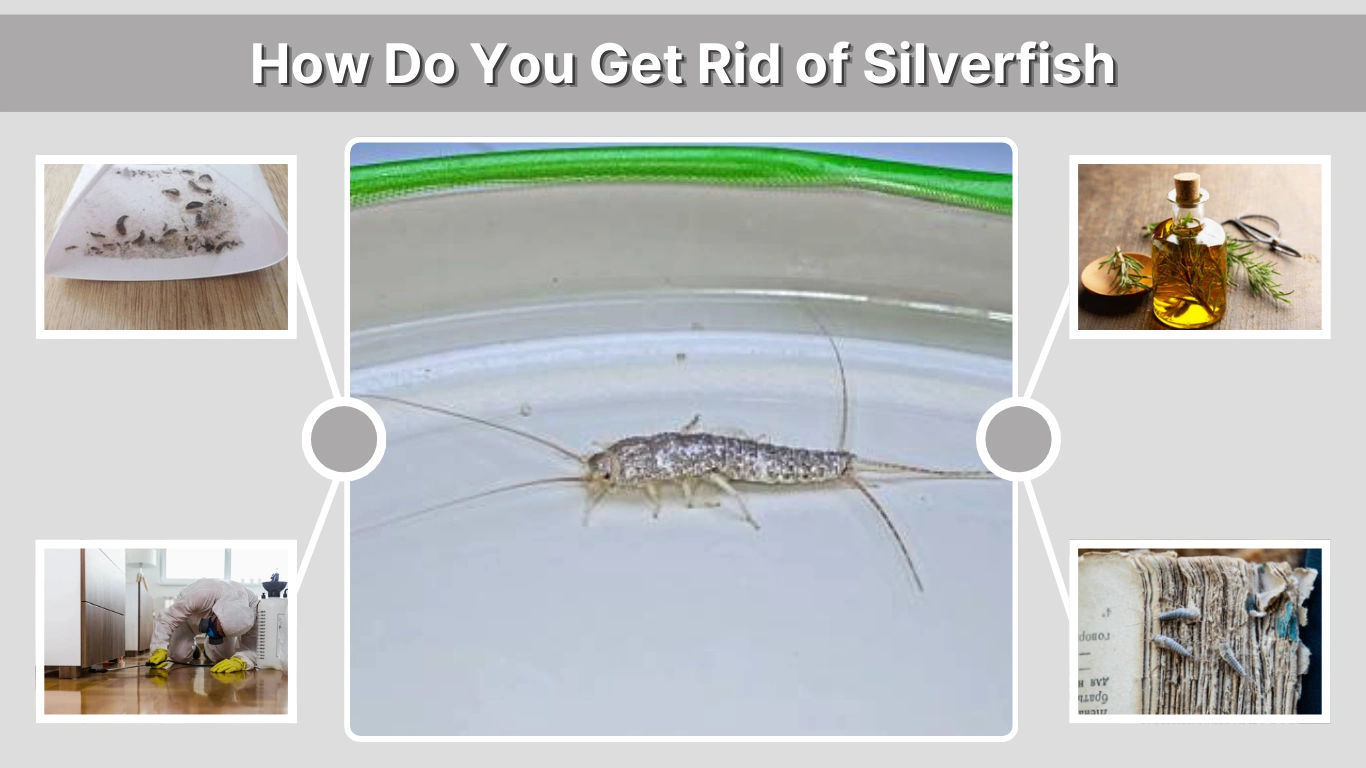
Silverfish are small, fast-moving insects that often appear at night in bathrooms, kitchens, closets, and basements. Although they don’t bite, their sudden movements and damage to paper, clothing, and stored items make them one of the most unwanted household pests. Many homeowners search for ways to get rid of silverfish because seeing even one usually means more are hiding nearby. Understanding why silverfish invade and how to remove them effectively is the first step toward permanent control.
What Are Silverfish and Why They Invade Homes
Silverfish are wingless insects with silvery-gray bodies, long antennae, and a fish-like, wriggling movement. They can grow up to three-quarters of an inch long and are known for their ability to survive in dark, damp environments. Unlike many pests, silverfish can live for several years and survive long periods without food, which makes infestations difficult to eliminate.
Homes provide nearly perfect conditions for silverfish. Indoor spaces are warm, often humid, and full of materials they can eat. Silverfish feed on carbohydrates such as paper, glue, book bindings, wallpaper paste, fabric fibers, and even crumbs or stored pantry items. Bathrooms, kitchens, and basements are especially attractive because they combine moisture with hidden shelter. Once inside, silverfish hide in wall cracks, behind baseboards, under sinks, and inside storage boxes, only coming out at night to feed.
Signs of a Silverfish Infestation

What Silverfish Look Like
Silverfish are easy to recognize once you know what to look for. They have flat, carrot-shaped bodies, a metallic silver or gray color, and three bristle-like tails at the rear. They move quickly and often disappear into cracks as soon as light hits them. Seeing them at night when you turn on a bathroom or kitchen light is one of the most common signs.
Where Silverfish Commonly Hide
Silverfish prefer dark, quiet, and damp areas. They are often found in bathrooms, under sinks, around drains, inside cabinets, in laundry rooms, basements, closets, bookcases, and cardboard storage boxes. They may also hide behind wallpaper, inside wall voids, and beneath piles of paper or clothing that are rarely disturbed.
Damage and Evidence They Leave Behind
In addition to spotting live insects, other signs include small holes in books, magazines, wallpaper, or clothing. You may notice yellow stains, tiny black droppings, or shed skins near baseboards and shelves. Food packaging may also show irregular chewing marks. These clues usually indicate that silverfish have been active for some time.
Why Silverfish Are in Your House

Silverfish infest homes because the environment supports their survival and reproduction. The most common reasons include:
- Excess moisture and humidity – Leaky pipes, damp bathrooms, and poorly ventilated rooms create ideal breeding conditions.
- Poor ventilation – Stagnant air keeps surfaces damp, especially in basements and bathrooms.
- Abundant food sources – Paper, glue, fabric, book bindings, and pantry items all attract silverfish.
- Clutter and storage materials – Cardboard boxes, old newspapers, and stacked clothes provide shelter and food.
- Hidden entry points – Cracks in walls, gaps around windows, and spaces under doors allow silverfish to enter easily.
As long as these conditions remain, silverfish can survive and multiply, even if only a few are visible.
Are Silverfish Dangerous to Humans
Silverfish are not dangerous in the traditional sense. They do not bite, sting, or transmit known diseases to humans. However, they are still considered pests because they damage personal property and contaminate household items. Over time, silverfish can ruin books, important documents, wallpaper, stored clothing, and pantry foods.
Their presence can also signal underlying moisture problems in a home, such as leaks or excessive humidity, which may lead to mold growth and structural issues. For people with allergies, shed skins and droppings may trigger mild reactions. Because of these risks, eliminating silverfish is important even though they are not directly harmful.
How to Get Rid of Silverfish Naturally

Many people prefer to start with natural methods before using chemicals. Natural treatments focus on dehydration, trapping, and repelling silverfish.
- Diatomaceous earth – This fine powder damages silverfish exoskeletons and dries them out. Sprinkle it lightly along baseboards, behind appliances, under sinks, and in cracks.
- Baking soda and sugar traps – A simple mixture of equal parts baking soda and sugar attracts silverfish and kills them after ingestion. Place it in shallow lids in infested areas.
- Essential oils – Cedar, lavender, citrus, and peppermint oils act as natural repellents. Mix a few drops with water and spray along cabinets, shelves, and entry points.
- Vinegar and citrus sprays – These help clean surfaces, remove scent trails, and discourage silverfish from returning.
- Sticky traps – While not a cure, traps help reduce numbers and show where silverfish are most active.
Natural methods work best when combined with moisture control and consistent cleaning.
How to Get Rid of Silverfish with Home Treatments

Natural remedies work best when they are supported by strong home-care routines. Silverfish survive because homes provide moisture, shelter, and food. Removing those conditions dramatically reduces their ability to live and reproduce.
Deep Cleaning and Decluttering
Start by vacuuming baseboards, corners, under appliances, and inside cabinets where silverfish hide and lay eggs. Remove paper piles, old newspapers, magazines, and cardboard boxes, as these are major food sources. Wash infested clothing, curtains, and bedding in hot water. Regular cleaning not only removes insects but also destroys eggs and scent trails that attract more silverfish.
Moisture Control and Dehumidifying
Silverfish cannot survive long in dry environments. Use bathroom and kitchen exhaust fans daily, fix leaking pipes, and dry wet areas quickly. A dehumidifier is extremely effective in basements, laundry rooms, and storage spaces. Try to keep indoor humidity below 50 percent. As moisture drops, silverfish activity usually declines rapidly.
Sealing Cracks and Entry Points
Seal gaps around baseboards, wall cracks, windows, and plumbing lines using caulk. Repair loose wallpaper and seal floor joints. Store food in airtight containers and keep clothing and books in sealed plastic bins. Blocking hiding places forces silverfish into open areas where treatments and traps work better.
How to Get Rid of Silverfish in Specific Areas
Bathroom and Kitchen Control
These rooms attract silverfish because of water and food residue. Clean drains, wipe down cabinets, and dry sinks every night. Sprinkle diatomaceous earth behind toilets, under sinks, and along pipe openings. Pay special attention to tile grout, cabinet corners, and trash areas where moisture often remains.
Bedroom and Closet Protection
Silverfish in bedrooms usually target clothing, books, and paper. Wash clothes regularly, avoid storing fabric in cardboard boxes, and keep closets well-ventilated. Cedar blocks or essential oil sprays can help repel them from shelves, drawers, and storage bins. Vacuum closet corners and under beds frequently.
Basement and Storage Area Treatment
Basements often host long-term infestations. Remove clutter, elevate storage off the floor, and use sealed plastic containers. Run a dehumidifier continuously if dampness is present. Treat cracks, wall joints, and shelving units with diatomaceous earth or residual insecticides for long-term control.
Chemical and Professional Treatment Options

When natural and home treatments are not enough, chemical solutions may be necessary, especially in heavy infestations.
- Boric acid dust – Effective when lightly applied in cracks and voids. It dehydrates silverfish but must be kept away from children and pets.
- Residual insecticide sprays – These create long-lasting barriers along baseboards, cabinets, and wall gaps.
- Silverfish bait stations – Designed to attract and poison silverfish while monitoring activity levels.
- Insect growth regulators (IGRs) – Prevent young silverfish from developing and reproducing.
- Professional pest control services – Experts locate nesting zones, treat wall voids, and address moisture-related causes.
Chemical methods are most successful when combined with moisture reduction and sanitation.
How to Prevent Silverfish from Coming Back Permanently
Permanent silverfish control depends on prevention. Keep your home dry, clean, and well-sealed. Use exhaust fans, repair leaks quickly, and monitor humidity regularly. Avoid long-term storage of paper and fabrics in damp spaces. Vacuum regularly, declutter often, and inspect hidden areas every few months. Prevention stops small problems from becoming full infestations.
When to Call a Pest Control Professional
If silverfish continue appearing after several weeks of treatment, or if they are seen in large numbers across multiple rooms, professional help is recommended. Pest control specialists can identify hidden nesting areas, treat inside walls, and address moisture sources you may not see. This is especially important for older homes, apartments, or properties with chronic dampness.
FAQs
What kills silverfish instantly?
Boric acid, diatomaceous earth, and residual insecticide sprays can kill silverfish quickly when they come into contact with treated surfaces. While sprays offer faster results, powders provide longer-term control by dehydrating insects as they move through cracks and hiding areas.
Why do I suddenly have silverfish in my house?
A sudden appearance of silverfish is usually linked to increased moisture, such as new leaks, rainy seasons, or poor ventilation. They may also be brought in through boxes, books, or stored items. Once conditions are favorable, hidden populations become noticeable.
Can silverfish infest clothes and mattresses?
Silverfish don’t live inside mattresses like bed bugs, but they can hide near beds and feed on fabrics, book bindings, and dust. Clothing stored in damp, dark places is more likely to be damaged, especially if it contains starch-based materials.
How long does it take to fully get rid of silverfish?
Light infestations may clear within a few weeks if moisture is controlled and treatments are applied consistently. Heavy infestations can take several months and may require professional treatment to fully eliminate hidden populations and eggs.
What smells do silverfish hate the most?
Silverfish dislike strong natural scents such as cedar, citrus, lavender, peppermint, and cinnamon. These smells can repel them from cabinets, closets, and storage areas, especially when combined with regular cleaning and humidity control.