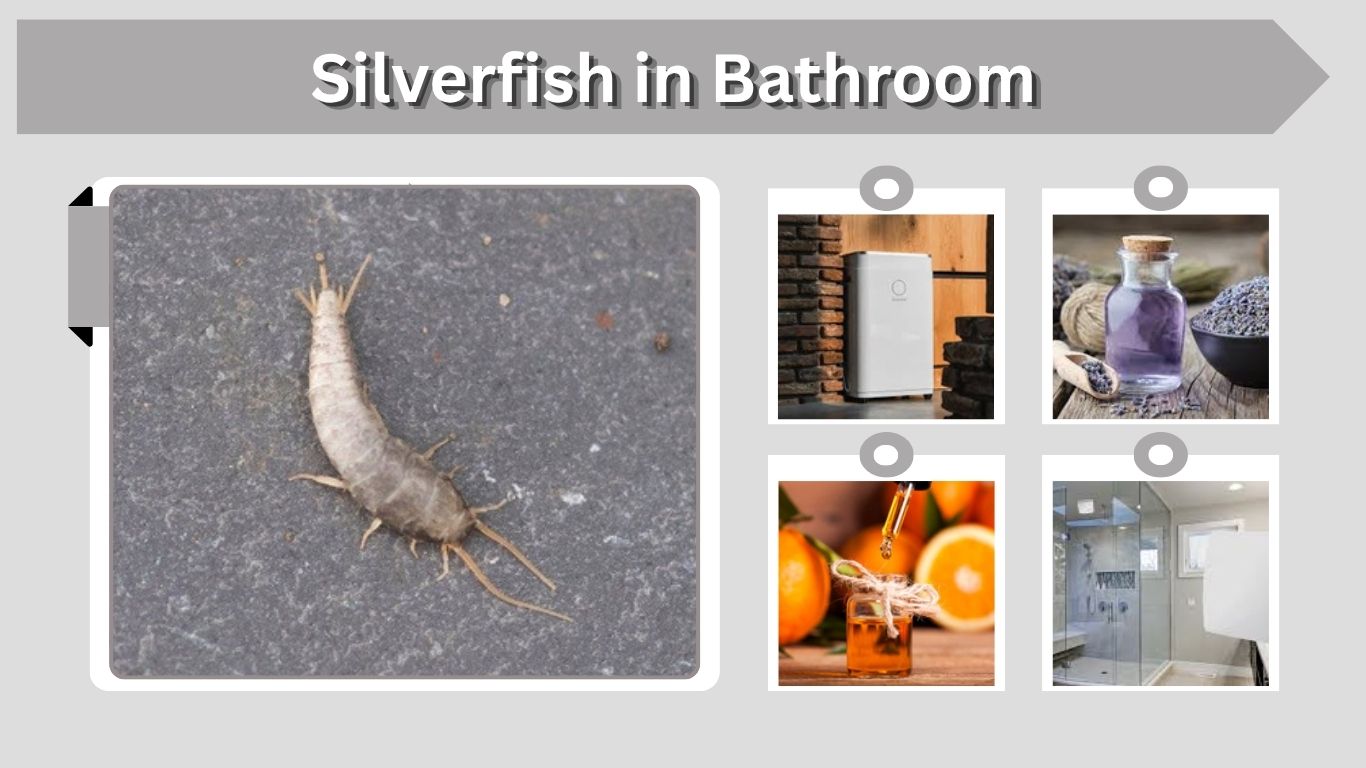
Finding a silverfish in your bathroom can be unsettling, especially when you are unsure why it appeared or whether it poses a threat. Silverfish are small, wingless insects that thrive in damp, dark environments and are commonly found in bathrooms, basements, and kitchens. While they are generally harmless to humans, their presence may indicate moisture problems within your home. Understanding what attracts silverfish, where they hide, and how to eliminate them can help you prevent infestations and maintain a healthier living environment.
Why Are Silverfish in My Bathroom?
Bathrooms provide ideal conditions for silverfish because they offer the moisture, warmth, and shelter these insects need to survive. Frequent water use creates humidity, while cracks, gaps, and dark corners provide safe hiding places during the day. Silverfish are nocturnal creatures, which is why they are most often spotted at night when they emerge in search of food and moisture.
Why Bathrooms Attract Silverfish
Several factors make bathrooms appealing to silverfish:
- High humidity levels
- Condensation on surfaces
- Dark hiding spots
- Warm temperatures
- Access to moisture
Why You See Them at Night
Silverfish prefer darkness and avoid bright light whenever possible. If you notice silverfish running across your bathroom floor after turning on a light, it is usually because they have been hiding nearby during the day and have become active during nighttime hours.
What Causes Silverfish in Bathrooms?
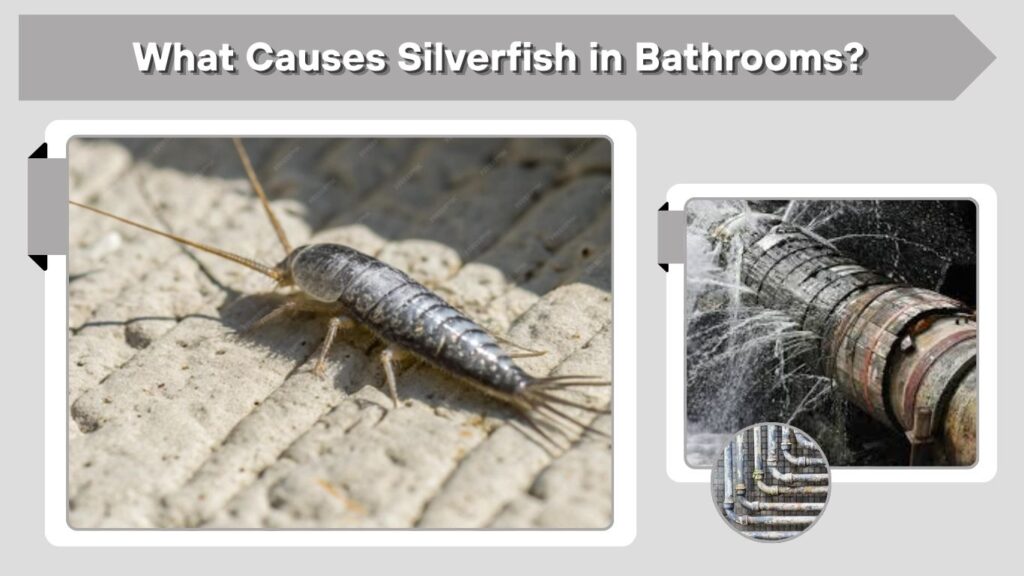
Silverfish infestations rarely happen without a reason. In most cases, environmental conditions inside the bathroom create a suitable habitat for these insects. Identifying the underlying cause is often the first step toward successful prevention and control.
Excess Humidity
High humidity is one of the biggest factors contributing to silverfish activity. Bathrooms that lack proper ventilation often retain moisture after showers and baths, creating conditions where silverfish can thrive.
Water Leaks
Leaking pipes, dripping faucets, and hidden plumbing issues provide a continuous source of moisture. Even small leaks behind walls or under sinks can attract silverfish and encourage population growth.
Poor Ventilation
Without proper airflow, moisture remains trapped in the room for longer periods. Over time, this damp environment becomes increasingly attractive to silverfish and other moisture-loving pests.
Where Do Silverfish Come From in Bathrooms?
Many homeowners wonder how silverfish enter their homes in the first place. These insects are surprisingly skilled at finding access points and can enter through even the smallest openings. Once inside, they seek out areas that provide protection from predators and environmental stress.
Common Entry Points
Silverfish often enter bathrooms through:
- Cracks around plumbing
- Gaps near baseboards
- Wall voids
- Floor drains
- Window frames
Hidden Hiding Places
After entering the bathroom, silverfish frequently hide behind cabinets, under sinks, inside wall cavities, and around pipes. Their flattened bodies allow them to squeeze into narrow spaces that are difficult to inspect.
Apartment and Shared Building Issues
In apartment buildings and multi-unit housing, silverfish may travel between units through plumbing systems, wall spaces, and utility openings. This can make elimination more challenging if neighboring units also have infestations.
Are Silverfish in Bathrooms Dangerous?
Although many people are alarmed when they find silverfish in their bathrooms, these insects are generally considered nuisance pests rather than dangerous pests. They do not bite, sting, or transmit diseases to humans. However, their presence may indicate conditions that should be addressed.
Do Silverfish Bite Humans?
Silverfish do not bite people or pets. They lack the ability to inject venom or cause direct physical harm. If you find silverfish in your bathroom, there is no immediate health threat from the insects themselves.
Can They Damage Property?
Silverfish feed on materials containing starches and carbohydrates. While bathrooms may not contain many of these food sources, nearby paper products, books, wallpaper glue, and stored items can become damaged if populations increase.
When Should You Be Concerned?
A single silverfish is not always a sign of a major infestation. However, frequent sightings, baby silverfish, or multiple insects appearing regularly may indicate that a larger population is hiding within walls, cabinets, or other concealed areas. Addressing moisture issues early can prevent the problem from becoming more severe.
How to Get Rid of Silverfish in the Bathroom
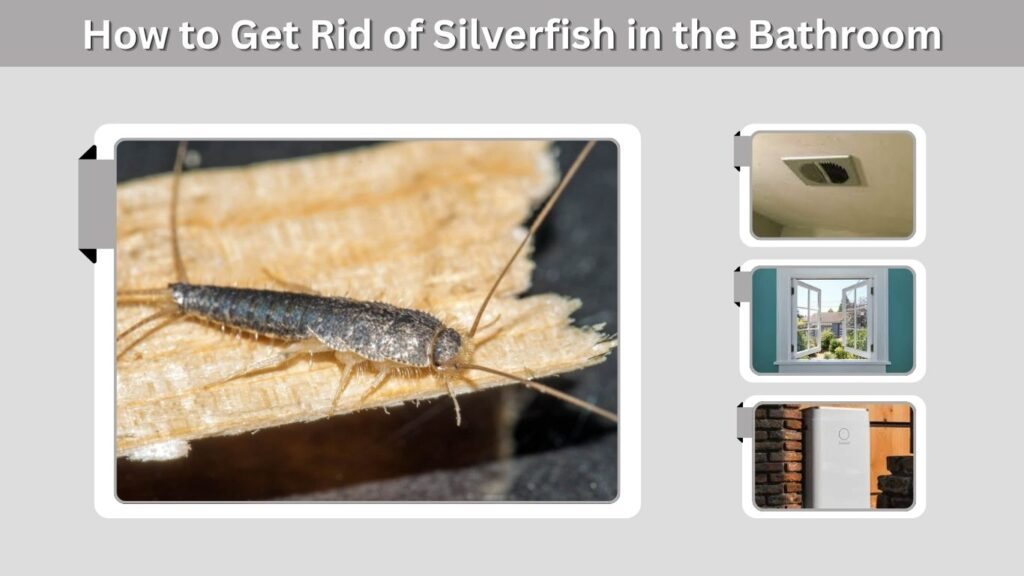
Eliminating silverfish requires more than simply killing the insects you see. Effective control focuses on removing the conditions that attract them, particularly moisture and hiding places. A combination of cleaning, moisture reduction, and targeted treatments usually provides the best long-term results.
Reduce Humidity Levels
Silverfish thrive in damp environments, so reducing humidity is one of the most effective control methods.
- Use an exhaust fan after showers
- Open windows when possible
- Run a dehumidifier
- Wipe down wet surfaces
- Improve air circulation
Fix Plumbing Problems
Even small leaks can provide enough moisture to support silverfish populations. Inspect sinks, toilets, and pipes regularly for signs of water damage or leaks.
Seal Entry Points
Closing gaps and cracks helps prevent silverfish from entering or moving throughout the home.
- Seal cracks around pipes
- Repair damaged caulking
- Fill wall gaps
- Close openings near baseboards
- Install door sweeps if necessary
Natural Ways to Get Rid of Silverfish
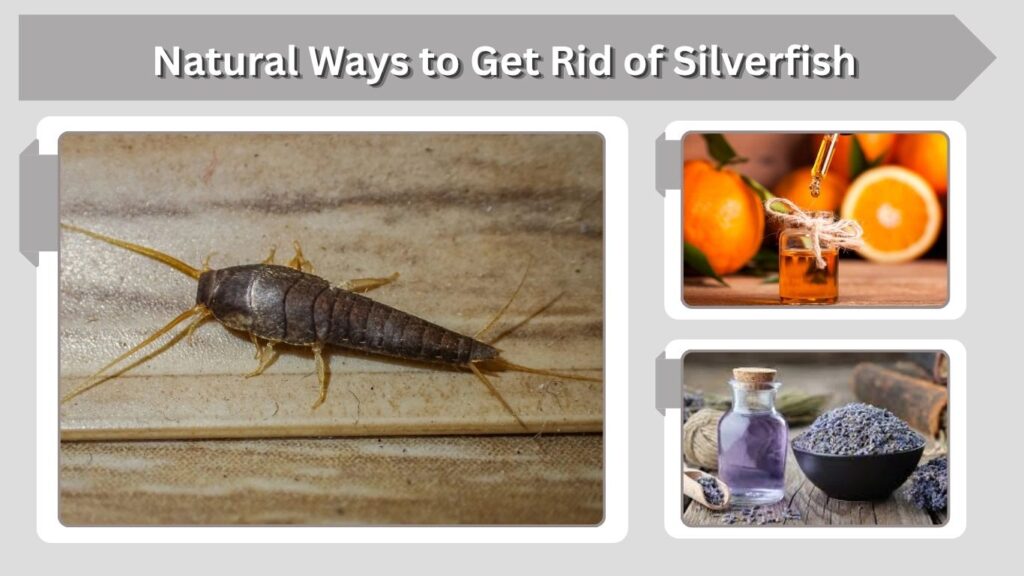
Many homeowners prefer natural pest control methods before turning to chemical treatments. Several household solutions may help reduce silverfish activity while minimizing exposure to pesticides.
Diatomaceous Earth
Diatomaceous earth is a natural powder that damages the outer coating of insects, causing them to dehydrate. Apply a thin layer in areas where silverfish are commonly seen.
Cedar Products
Silverfish dislike the scent of cedar. Cedar blocks, cedar chips, or cedar oil may help discourage activity in storage areas and hidden spaces.
Citrus and Essential Oils
Certain scents can help repel silverfish.
Common options include:
- Lemon oil
- Orange oil
- Lavender oil
- Cedarwood oil
- Clove oil
Sticky Traps
Sticky traps can help monitor and reduce silverfish populations. Place traps near walls, behind toilets, under sinks, and around suspected hiding places.
How to Kill Silverfish in Bathroom Drains and Walls
Silverfish often hide in locations that are difficult to reach, making targeted treatment important. Drains, wall voids, and spaces behind fixtures can provide shelter during the day.
Treating Bathroom Drains
Although silverfish do not typically live inside drains, they may gather nearby because of the moisture.
To reduce activity:
- Clean drains regularly
- Remove organic buildup
- Repair leaks around plumbing
- Keep drain areas dry when possible
Checking Wall Voids
If silverfish continue appearing despite treatment, they may be hiding inside wall cavities. Inspect areas around plumbing penetrations, electrical openings, and damaged drywall.
Professional Pest Control
Persistent infestations may require professional assistance. Pest control specialists can identify hidden nesting areas and apply treatments that are difficult for homeowners to access.
How to Prevent Silverfish in Bathrooms
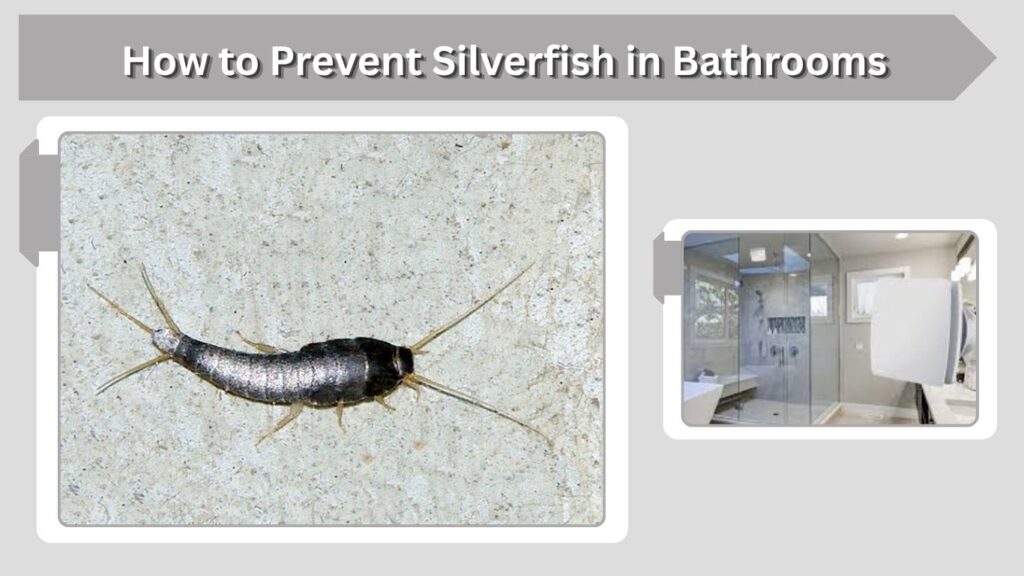
Preventing silverfish is often easier than eliminating an established population. Consistent maintenance and moisture control can greatly reduce the chances of future infestations.
Improve Bathroom Ventilation
Good airflow helps reduce humidity and prevents moisture from accumulating on surfaces. Bathrooms without windows may benefit from upgraded exhaust systems.
Maintain a Regular Cleaning Routine
Regular cleaning removes dust, debris, and potential food sources that may attract silverfish.
Important cleaning tasks include:
- Vacuuming corners
- Cleaning behind cabinets
- Wiping down shelves
- Removing clutter
- Disposing of damp paper products
Address Water Damage Quickly
Damaged drywall, flooring, and cabinetry can retain moisture and create ideal conditions for pests. Repairing water damage promptly helps prevent silverfish from establishing hiding places.
Common Myths About Silverfish in Bathrooms
Silverfish are often misunderstood, leading to unnecessary concern or ineffective treatment methods.
Myth: Silverfish Are Dangerous
Silverfish do not bite, sting, or spread diseases. While they can damage certain materials, they are not considered dangerous to humans.
Myth: One Silverfish Means a Major Infestation
Occasionally spotting a single silverfish does not automatically indicate a severe infestation. However, repeated sightings should prompt a closer inspection of moisture issues and hiding places.
Myth: Bleach Permanently Eliminates Silverfish
Bleach may kill individual insects on contact, but it does not address the underlying conditions that attract silverfish. Long-term control requires moisture reduction and habitat management.
FAQs
Why are there silverfish in my bathroom?
Silverfish are attracted to humid environments, moisture sources, and dark hiding places commonly found in bathrooms.
Are silverfish common in bathrooms?
Yes, bathrooms are among the most common places to find silverfish because of their damp conditions.
What attracts silverfish in bathrooms?
High humidity, water leaks, poor ventilation, and dark crevices are the main factors that attract silverfish.
What naturally kills silverfish?
Diatomaceous earth is one of the most effective natural methods for controlling silverfish populations.
Can silverfish come from bathroom drains?
Silverfish may gather near drains because of moisture, but they typically hide in nearby cracks, wall voids, and sheltered spaces rather than inside the drain itself.