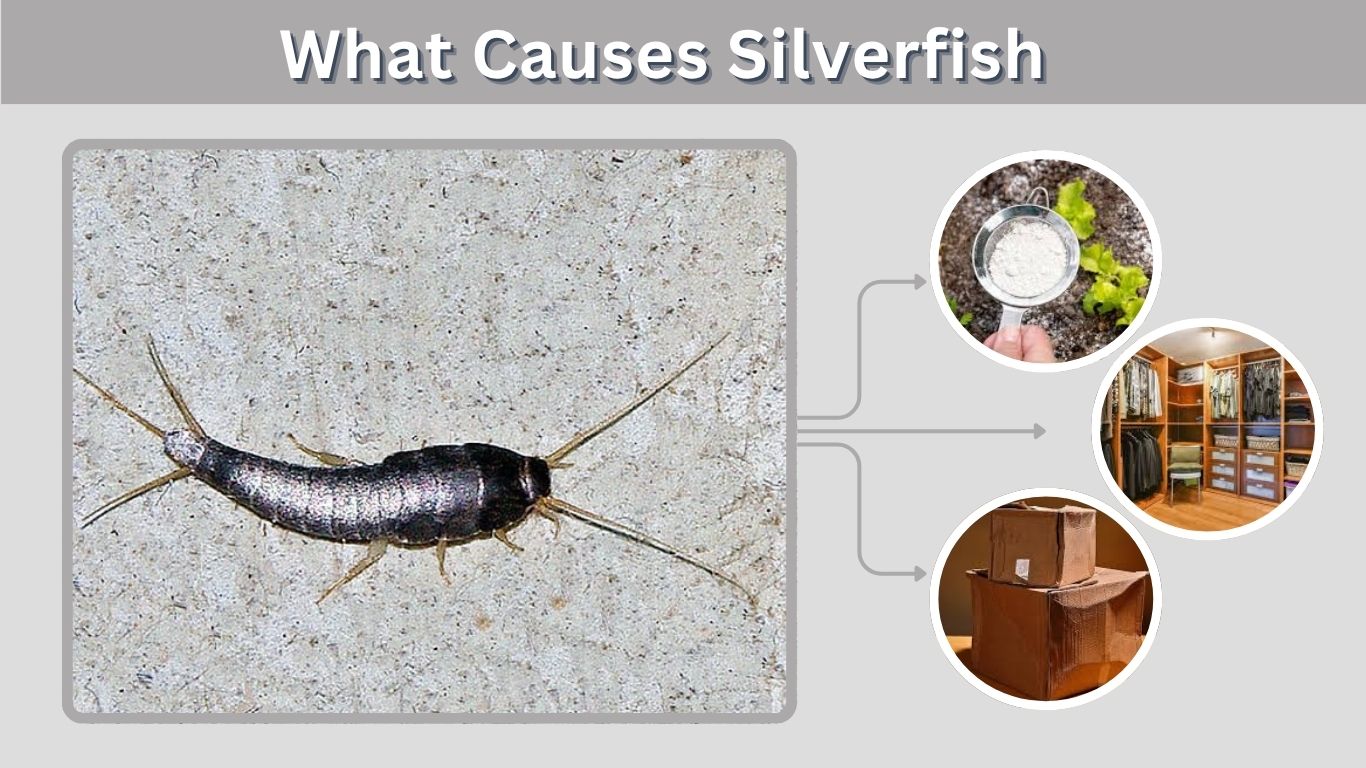
Silverfish are small, wingless insects that often appear unexpectedly in homes, leaving many homeowners wondering why they are there. Although they do not bite or spread diseases, their presence can indicate underlying moisture problems and may lead to damage to paper products, fabrics, and stored belongings. Silverfish thrive in humid, dark environments where food and shelter are readily available. Understanding what causes silverfish and what attracts them indoors is the first step toward preventing infestations and maintaining a cleaner, healthier home.
What Causes Silverfish?
Silverfish enter homes because they are searching for three basic necessities: moisture, food, and shelter. These insects prefer environments that provide consistent humidity and protection from light. Once they find favorable conditions, they can survive for long periods and reproduce without being noticed. Understanding the factors that attract silverfish can help homeowners eliminate the conditions that allow infestations to develop.
Main Causes of Silverfish
Several conditions commonly attract silverfish:
- High humidity levels
- Water leaks
- Poor ventilation
- Cluttered storage areas
- Easy access to food sources
Why Silverfish Thrive Indoors
Unlike many outdoor pests, silverfish can live comfortably indoors throughout the year. Modern homes often provide stable temperatures and hidden spaces that protect them from predators and environmental changes.
Moisture and Humidity: The Primary Cause
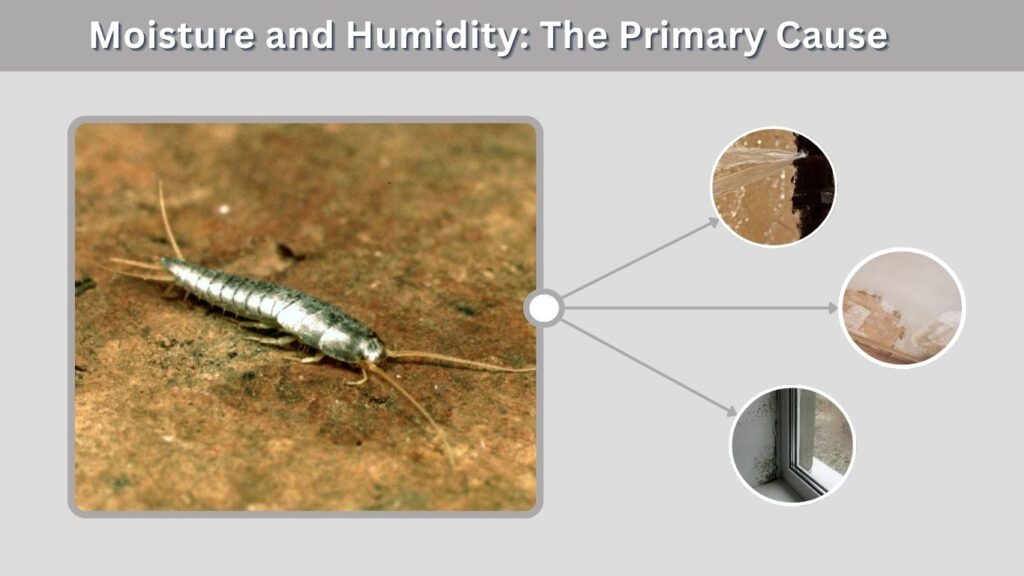
Moisture is the most important factor behind most silverfish infestations. These insects require humid environments to survive and are often found in areas where moisture accumulates regularly. Bathrooms, basements, laundry rooms, and kitchens are among the most common locations because they naturally produce higher humidity levels.
Leaking Pipes
Even a small plumbing leak can create ideal conditions for silverfish. Moisture that collects beneath sinks, behind walls, or around pipes provides a constant water source that encourages insect activity.
Damp Walls and Ceilings
Water damage caused by leaks, condensation, or poor insulation can create damp surfaces that silverfish find attractive. Hidden moisture inside walls may allow populations to grow unnoticed.
Poor Ventilation
Homes with inadequate airflow often retain moisture for extended periods. Without proper ventilation, humidity levels increase, making rooms more appealing to silverfish.
Condensation Problems
Condensation on windows, pipes, and bathroom surfaces contributes to excess moisture. Persistent condensation often signals environmental conditions that support silverfish survival.
What Causes Silverfish in a House?
Silverfish enter homes through tiny openings and remain where conditions meet their needs. Once inside, they search for dark, protected spaces where they can hide during the day and forage at night. Their flattened bodies allow them to squeeze through extremely narrow gaps.
Common Entry Points
Silverfish frequently gain access through:
- Foundation cracks
- Gaps around doors
- Utility line openings
- Window frames
- Damaged weather stripping
Clutter and Storage Areas
Storage rooms, closets, and attics often provide excellent hiding places. Cardboard boxes, stacks of paper, and stored clothing create shelter while also providing potential food sources.
Long-Term Moisture Issues
Homes with unresolved moisture problems are far more likely to experience silverfish infestations. Continuous dampness creates ideal breeding conditions and encourages population growth.
What Causes Silverfish in Bathrooms?
Bathrooms are among the most common places to find silverfish because they naturally provide warmth, moisture, and darkness. Frequent showers, baths, and sink use generate humidity that can remain trapped if ventilation is inadequate.
Bathroom Conditions That Attract Silverfish
Several bathroom-related factors encourage silverfish activity:
- High humidity after showers
- Wet bath mats and towels
- Plumbing leaks
- Damp cabinets
- Poor air circulation
Why Silverfish Are Active at Night
Silverfish are nocturnal insects that avoid bright light. Most sightings occur at night when they emerge from hiding places to search for moisture and food. If you frequently notice silverfish after turning on a bathroom light, they have likely been hiding nearby throughout the day.
Hidden Moisture Sources
Many bathroom infestations are linked to moisture hidden behind walls, under sinks, or beneath flooring. These concealed areas provide ideal environments where silverfish can remain undisturbed for extended periods.
What Causes Silverfish in Bedrooms?
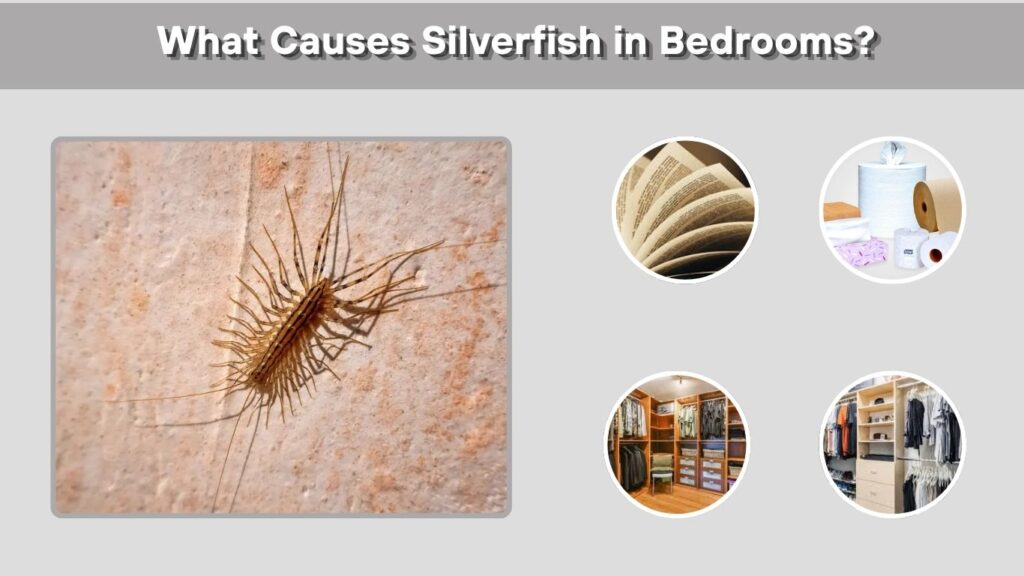
Although bedrooms are generally drier than bathrooms, they can still attract silverfish under the right conditions. Humidity, stored materials, and hidden food sources may contribute to their presence.
Paper Products and Books
Silverfish feed on materials containing starches and carbohydrates. Books, magazines, documents, and cardboard boxes can become attractive food sources when stored for long periods.
Carpets and Fabrics
Certain fabrics and carpet fibers may contain materials that silverfish consume. Dust, hair, and organic debris trapped within carpets can also contribute to insect activity.
Closets and Storage Areas
Closets often provide dark, undisturbed environments where silverfish can hide. Poor ventilation and stored belongings increase the likelihood of infestations developing unnoticed.
What Causes Silverfish in Kitchens?
Kitchens provide two things silverfish need to survive: food and moisture. While these insects are more commonly associated with bathrooms and basements, kitchens can become attractive when crumbs, spills, and humidity are present. Areas beneath sinks, behind appliances, and inside pantries often provide the darkness and shelter silverfish prefer.
Food Sources in Kitchens
Silverfish are attracted to various materials commonly found in kitchens:
- Food crumbs
- Flour and grains
- Pantry products
- Paper packaging
- Organic debris
Moisture Around Appliances
Leaks beneath refrigerators, dishwashers, and sinks create damp environments where silverfish can thrive. Regular inspections help identify hidden moisture before it becomes a larger problem.
Pantry Storage Issues
Improperly sealed food containers can attract silverfish. Dry goods stored in cardboard packaging may provide both food and shelter for these insects.
What Do Silverfish Eat?
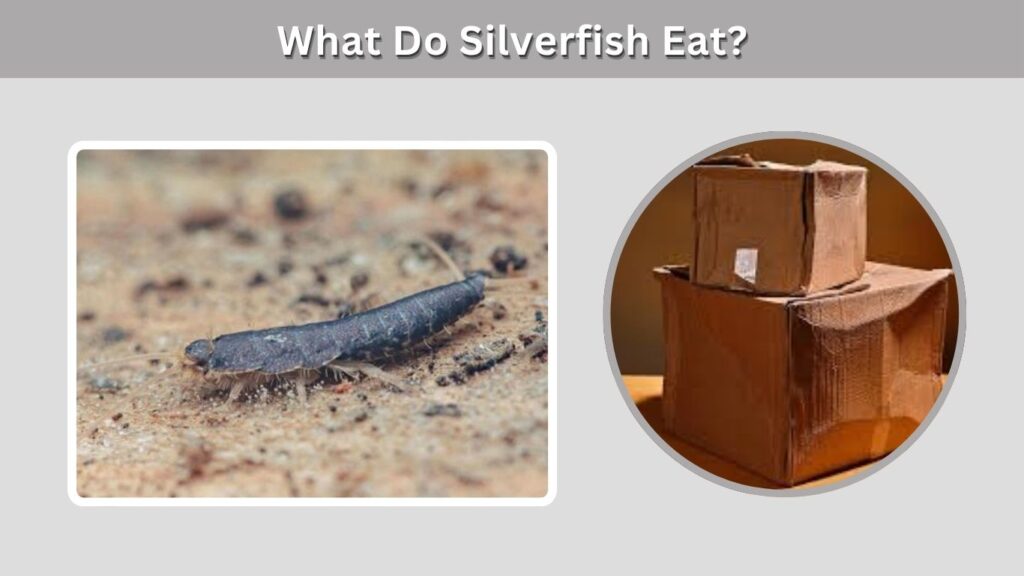
Silverfish have a unique diet that consists mainly of carbohydrates, starches, and proteins. Their feeding habits explain why they are often found near books, paper products, fabrics, and stored household items. Because they can survive on a wide variety of materials, infestations may persist if food sources remain available.
Common Foods Silverfish Consume
Silverfish frequently feed on:
- Paper and books
- Wallpaper glue
- Cardboard boxes
- Fabrics and clothing
- Food residue
Why They Like Paper Products
Many paper products contain starch-based adhesives that silverfish find particularly appealing. This is why books, magazines, and stored documents may show signs of damage when infestations become severe.
Survival Without Food
Silverfish are resilient insects capable of surviving for extended periods with very little food. This ability makes them difficult to eliminate if environmental conditions remain favorable.
What Causes a Silverfish Infestation?
A silverfish infestation develops when moisture, food, and shelter remain available over time. While seeing a single silverfish does not always indicate a major problem, repeated sightings often suggest a growing population hidden within the home.
Factors That Lead to Infestations
Several conditions can contribute to a silverfish infestation:
- Persistent humidity
- Long-term water leaks
- Poor housekeeping
- Cluttered storage spaces
- Untreated entry points
How Populations Grow
Silverfish reproduce in hidden areas where they are unlikely to be disturbed. If favorable conditions remain unchanged, their numbers can gradually increase without obvious warning signs.
Warning Signs of an Infestation
Frequent sightings, yellowish stains, shed skins, and damage to paper products may indicate that silverfish are becoming established within the home.
What Damage Can Silverfish Cause?
Although silverfish are not dangerous to people, they can damage personal belongings and household materials. Their feeding habits may result in costly damage if infestations are allowed to continue for extended periods.
Damage to Household Items
Silverfish may damage:
- Books and documents
- Wallpaper
- Photographs
- Clothing
- Stored boxes
Contamination Concerns
Silverfish can contaminate stored food products and leave behind scales, droppings, and shed skins. While they do not spread disease, contamination may make certain items unusable.
Structural Damage Risks
Silverfish rarely cause structural damage to a home, but they may damage decorative materials, wallpaper adhesives, and valuable paper collections.
How to Prevent Silverfish in Your Home
Prevention is the most effective way to avoid silverfish problems. Eliminating the conditions that attract them makes your home less appealing and reduces the likelihood of future infestations.
Reduce Indoor Humidity
Maintaining lower humidity levels is one of the most effective prevention methods. Use exhaust fans, dehumidifiers, and proper ventilation to keep moisture under control.
Improve Home Maintenance
Important maintenance tasks include:
- Repairing leaks promptly
- Sealing cracks and gaps
- Cleaning storage areas
- Removing clutter
- Inspecting hidden spaces
Proper Storage Practices
Store important documents, clothing, and food items in sealed containers whenever possible. This reduces access to both food and shelter.
How to Get Rid of Silverfish
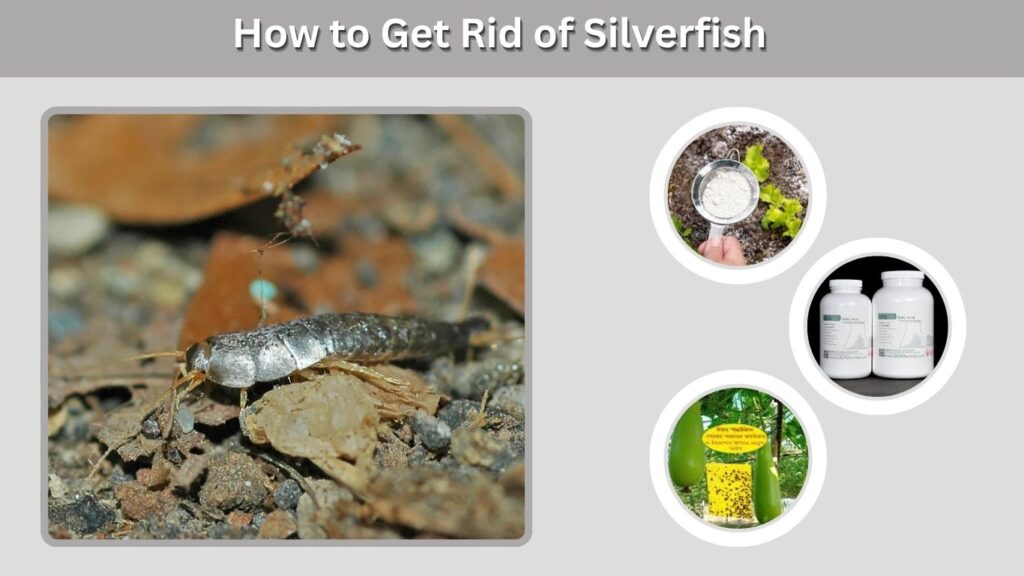
Once the cause of the problem has been identified, silverfish can usually be controlled through a combination of cleaning, moisture management, and targeted treatments.
Effective Control Methods
Common silverfish treatments include:
- Diatomaceous earth
- Boric acid
- Sticky traps
- Moisture reduction
- Professional pest control
Natural Repellents
Certain natural substances, including cedar and citrus-based products, may help discourage silverfish activity in affected areas.
When to Call a Professional
If infestations persist despite treatment, professional pest control services may be necessary to locate hidden populations and address underlying issues.
FAQs
What causes silverfish in a house?
Silverfish are typically caused by high humidity, moisture problems, food sources, and dark hiding places within the home.
Why do silverfish suddenly appear?
They often become noticeable when humidity levels increase or when their population grows large enough to produce more frequent sightings.
What causes silverfish in bathrooms?
Bathrooms attract silverfish because they provide moisture, warmth, poor ventilation, and numerous hiding places.
What damage can silverfish cause?
Silverfish can damage books, paper products, wallpaper, clothing, photographs, and other household items containing starches or fibers.
How can I prevent silverfish infestations?
Reduce humidity, repair leaks, seal entry points, eliminate clutter, and maintain regular cleaning routines to discourage silverfish activity.