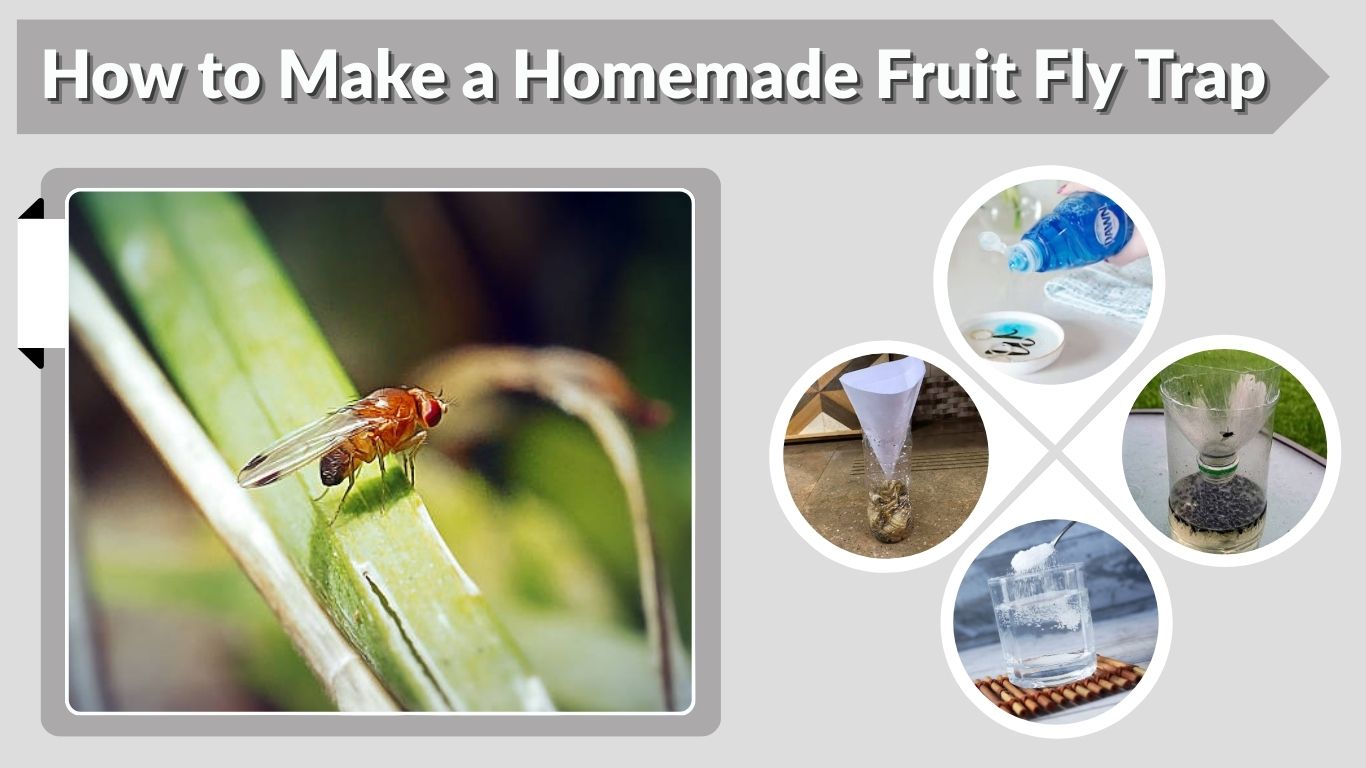
If tiny fruit flies are hovering around your kitchen, fruit bowl, sink, or trash can, a homemade trap can help reduce them quickly. You do not need special equipment or expensive ingredients. Most DIY fruit fly traps can be made with items already in your kitchen, such as apple cider vinegar, dish soap, ripe fruit, sugar, or a plastic bottle. The key is using a strong-smelling bait that attracts adult fruit flies and a trap design that makes it difficult for them to escape.
How to Make a Homemade Fruit Fly Trap With Apple Cider Vinegar
One of the easiest homemade fruit fly traps uses apple cider vinegar and dish soap. The fermented smell of the vinegar attracts fruit flies, while dish soap helps trap them once they land on the liquid.
This method requires only a few minutes to prepare and works especially well around kitchens and other areas where fruit flies gather.
What You Need
- 2 to 4 tablespoons apple cider vinegar
- A small bowl, cup, or jar
- 1 to 2 drops liquid dish soap
- Plastic wrap, optional
- Toothpick, optional
Step-by-Step Instructions
Pour a small amount of apple cider vinegar into a bowl or jar. Add one or two drops of dish soap and mix gently.
Place the trap close to where you see the most fruit fly activity.
For a covered version, stretch plastic wrap across the top of the container and secure it. Use a toothpick to make several small holes.
Fruit flies are attracted by the vinegar smell and enter through the openings. The dish soap reduces the surface tension of the liquid, making it harder for flies that touch the mixture to escape.
Where to Place It
Put the trap beside your fruit bowl, kitchen trash can, recycling bin, sink, or other areas where fruit flies are frequently seen.
Avoid placing it far away from the infestation because fruit flies usually concentrate around their food and breeding source.
How to Make a Homemade Fruit Fly Trap Without Apple Cider Vinegar
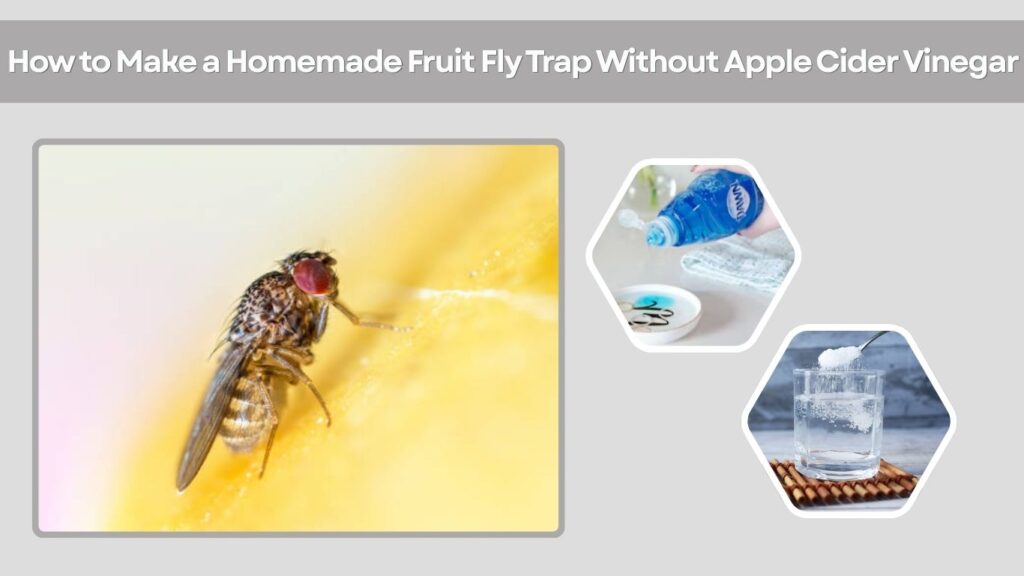
Apple cider vinegar is convenient, but it is not required. Fruit flies are attracted to many sweet and fermented foods.
Wine, beer, fruit juice, ripe fruit, and sugar mixtures can all serve as alternative bait.
Sugar Water and Dish Soap Method
Add one tablespoon of sugar to about half a cup of warm water. Stir until the sugar dissolves, then add one or two drops of dish soap.
Pour the mixture into a small cup and leave it near fruit fly activity.
The sweet smell attracts the flies, while the dish soap helps prevent them from escaping after contacting the water.
Wine or Beer Method
Pour a small amount of wine or beer into a jar or glass. You only need enough to cover the bottom.
Add a drop of dish soap if desired.
Because both drinks have fermented aromas, they can attract fruit flies effectively. Red wine can be particularly useful when you have a small amount left in a bottle.
How to Make a Fruit Fly Trap With a Jar and Paper Funnel
A paper funnel is another simple way to create a homemade trap. Instead of relying only on liquid, this method traps fruit flies inside a container.
The narrow opening makes it easy for flies to enter but harder for them to find their way back out.
Materials Needed
- Glass jar or cup
- Piece of paper
- Tape
- Small piece of ripe banana or other fruit
How to Build the Funnel Trap
Place a small piece of ripe banana, peach, apple, or another sweet fruit at the bottom of the jar.
Roll a piece of paper into a cone. Leave a small opening at the narrow end.
Secure the cone with tape and place it inside the jar with the narrow end pointing downward. Make sure the tip does not touch the fruit.
Fruit flies follow the smell through the opening and become trapped inside the jar.
How to Make a Homemade Fruit Fly Trap With a Plastic Bottle
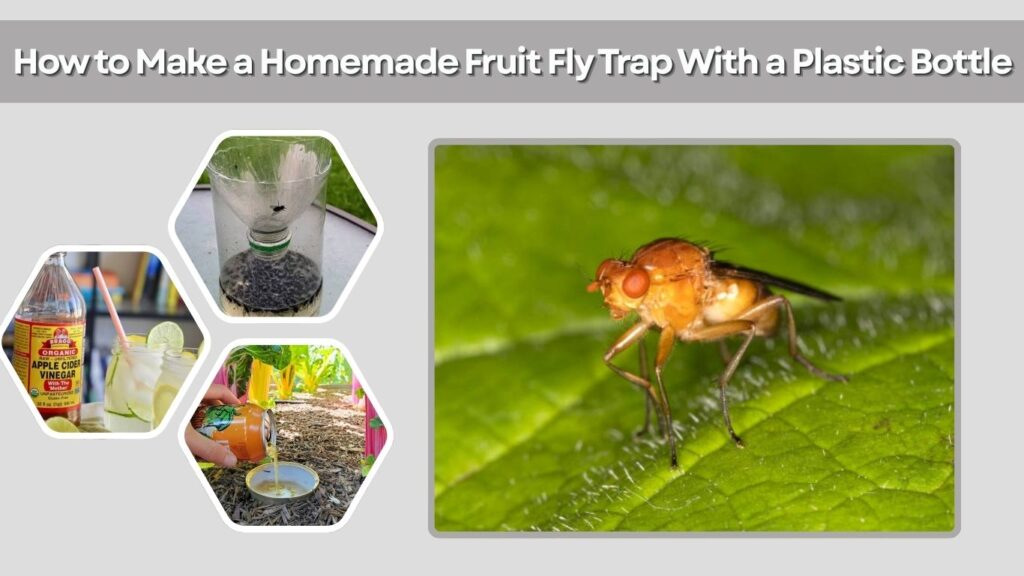
An empty water or soda bottle can also be turned into a reusable fruit fly trap.
This method works similarly to a paper funnel trap but provides a sturdier structure.
How to Make It
Cut off the top third of a plastic bottle.
Turn the cut section upside down and place it inside the bottom half, creating a funnel.
Add bait to the bottom of the bottle.
You can use:
- Apple cider vinegar
- Fruit juice
- Wine
- Beer
- Sugar water
- Small pieces of overripe fruit
Make sure the funnel opening remains above the liquid.
Fruit flies enter through the narrow opening but may have difficulty finding the exit.
How to Make a Homemade Fruit Fly Trap With White Vinegar
White vinegar can also be used if apple cider vinegar is unavailable. However, because white vinegar lacks the same sweet fermented aroma, adding sugar can make the bait more attractive.
Simple White Vinegar Recipe
Mix together:
- 3 tablespoons white vinegar
- 1 teaspoon sugar
- 1 to 2 drops dish soap
Place the mixture in a shallow bowl near the infestation.
If fruit flies do not respond strongly, you can add a small amount of fruit juice to make the bait smell sweeter.
How to Make a Fruit Fly Trap With Ripe Banana
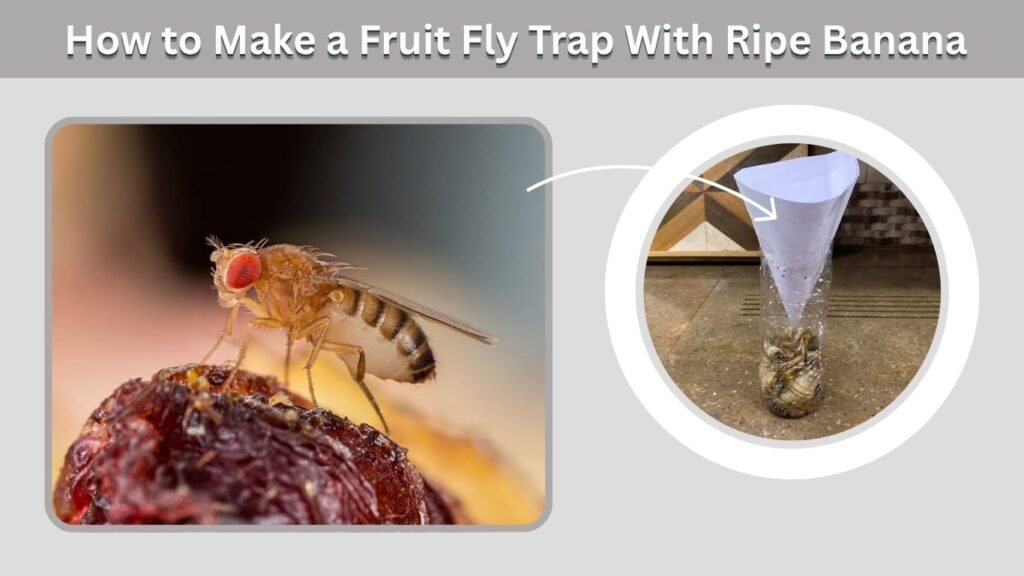
Very ripe fruit can be one of the strongest natural fruit fly attractants.
Bananas work particularly well because they become increasingly fragrant as they ripen.
Banana Trap Instructions
Place a small slice of very ripe banana inside a glass jar.
Cover the jar with plastic wrap and secure it with a rubber band.
Poke several tiny holes through the plastic.
Fruit flies follow the smell into the jar through the openings.
The trap can be discarded or emptied once enough flies have collected.
Why Dish Soap Makes Fruit Fly Traps More Effective
Dish soap plays an important role in liquid-based traps.
Fruit flies are extremely lightweight and may sometimes land on a liquid surface without immediately sinking.
Adding one or two drops of dish soap lowers the surface tension. As a result, flies that land on the liquid are more likely to become trapped.
You do not need much soap. Adding excessive amounts may reduce the attractive scent of the bait.
Where Should You Put a Homemade Fruit Fly Trap?
A homemade trap works best when positioned close to the source of the infestation.
Common locations include:
- Beside fruit bowls
- Near kitchen sinks
- Around trash cans
- Next to recycling containers
- Near compost bins
- Around empty bottles or cans
- Close to stored potatoes or onions
- Near sticky food spills
If fruit flies are appearing in several areas, using two or three smaller traps can be more effective than relying on a single trap.
How Long Does a Homemade Fruit Fly Trap Take to Work?
You may notice flies entering a well-placed trap within a few hours. However, reducing an infestation usually takes longer because traps primarily capture adult fruit flies.
Check your traps every day and replace the bait if it becomes dirty, diluted, or loses its smell.
Continue trapping until you are no longer seeing adult flies.
Why Fruit Flies Keep Coming Back
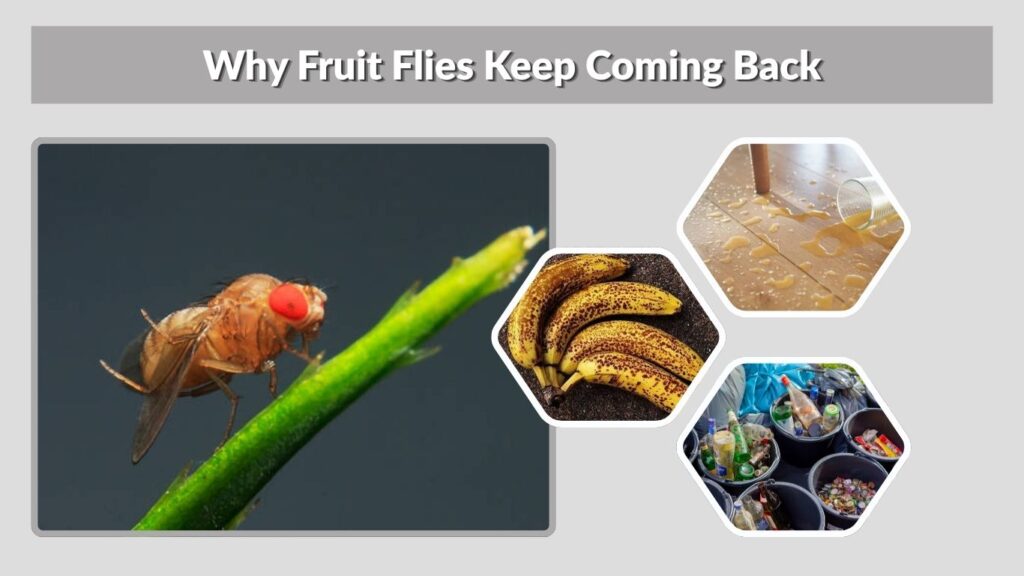
Making a trap is only part of fruit fly control. If the breeding source remains, new flies can continue appearing.
Fruit flies commonly reproduce around fermenting or decaying organic material.
To prevent them from returning:
- Throw away overripe produce
- Refrigerate ripe fruit when possible
- Clean spilled juice and sugary liquids
- Empty trash regularly
- Wash recycling containers
- Clean underneath appliances
- Check potatoes and onions for decay
- Keep food containers sealed
Also inspect sinks and drains if flies are concentrated around them, although flies coming directly from drains may sometimes be drain flies rather than fruit flies.
Which Homemade Fruit Fly Trap Works Best?
For most homes, apple cider vinegar mixed with one or two drops of dish soap is the easiest method to try first.
It requires very few ingredients, takes only a minute to prepare, and provides the fermented smell that fruit flies naturally seek.
A paper funnel with ripe fruit is another excellent option if you prefer a trap that contains flies rather than trapping them in liquid.
If you do not have apple cider vinegar, wine, beer, fruit juice, sugar water, or ripe banana can all serve as alternative bait.
The most effective approach is to use a trap while simultaneously removing the breeding source.
FAQs
1. How do you make a simple homemade fruit fly trap?
Pour two to four tablespoons of apple cider vinegar into a small bowl and add one or two drops of dish soap. Place the bowl close to the area where fruit flies are most active.
2. Can you make a fruit fly trap without vinegar?
Yes. Wine, beer, fruit juice, sugar water, yeast mixtures, and ripe fruit can all be used as fruit fly bait when vinegar is unavailable.
3. What attracts fruit flies to a homemade trap?
Fruit flies are attracted to sweet and fermenting smells. Overripe fruit, vinegar, wine, beer, and fruit juice can imitate the odors associated with their normal food sources.
4. How often should I replace homemade fruit fly trap bait?
Check the trap daily. Replace the bait when it becomes dirty, diluted, full of flies, or no longer has a noticeable smell.
5. Why is my homemade fruit fly trap not working?
The trap may be too far from the breeding source, the bait may not be strong enough, or the insects may be another type of small fly. Move the trap closer to activity, refresh the bait, and remove nearby fermenting food or organic waste.