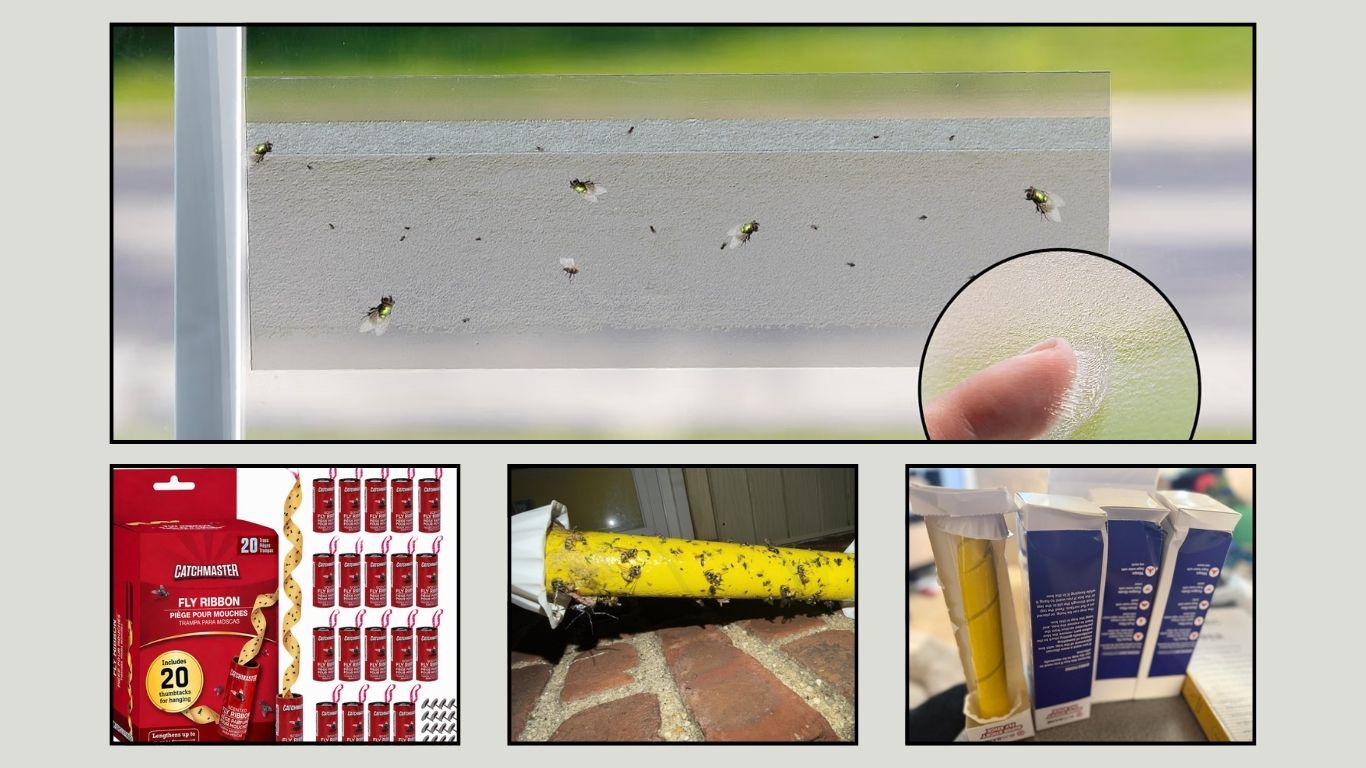
Fruit flies can quickly become a nuisance around kitchens, windows, trash areas, and other places where food or moisture is present. A good sticky trap offers a simple, low-maintenance way to catch adult flies without using sprays. Depending on the design, these traps can be placed near windows, hung in problem areas, or positioned close to common fly activity. In this guide, we review five of the best fruit fly sticky traps for convenient indoor control, easy placement, and reliable everyday use.
1. Hanging Sticky Fly Traps for Indoor & Outdoor Use
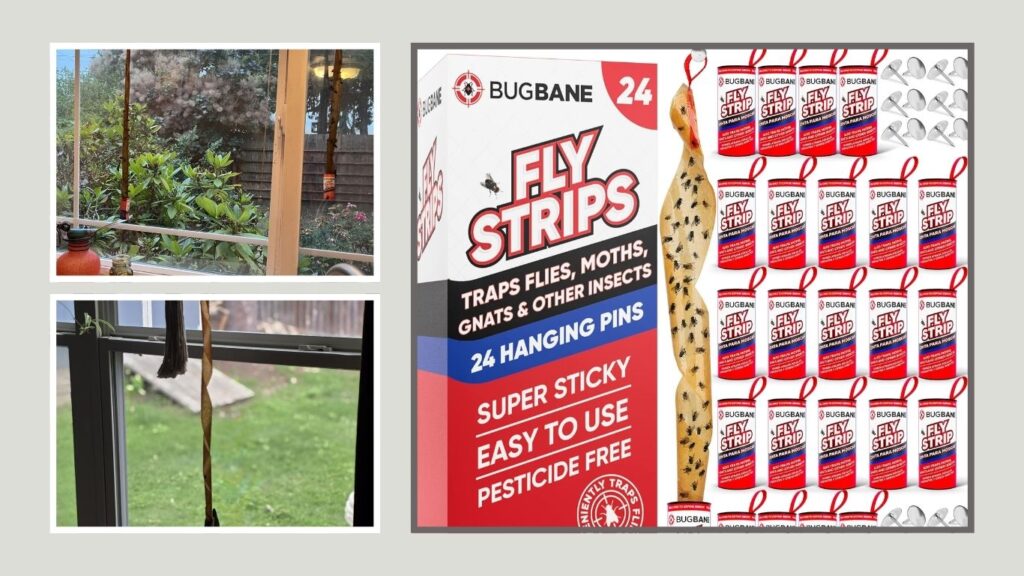
Hanging Sticky Fly Traps are a straightforward option for catching fruit flies and other small flying insects in areas where spraying is inconvenient. Their suspended design lets you position the adhesive surface close to windows, kitchens, trash areas, patios, or other fly activity zones. For users who prefer passive pest control that keeps working without electricity, this style of trap can be especially practical.
Key Features
- Hanging sticky-trap design
- Suitable for indoor and outdoor placement
- Large adhesive surface for catching flies
- No electrical power required
- Easy to position near problem areas
- Designed for continuous passive trapping
- Useful around kitchens, windows, and trash zones
Why It Is Best for Flexible Placement
The biggest advantage of a hanging sticky trap is that it does not require counter or floor space. It can be suspended near areas where fruit flies regularly move, making it easier to target active zones.
This can be especially useful in kitchens where counters need to remain clear or in utility areas where flies gather around waste containers.
Catching Performance and Ease of Use
Sticky traps work mechanically, so there is no complicated setup. Once positioned correctly, flies that contact the adhesive become trapped.
Performance depends heavily on placement. Keeping the trap relatively close to fly activity usually provides better results than hanging it in an open area far from the infestation.
Replacing the trap when the adhesive becomes covered with insects or dust helps maintain effectiveness.
Best for Kitchens and Utility Areas
This hanging design is best suited to households that want a simple, low-maintenance solution for ongoing fly activity.
Its ability to work without power or chemical sprays makes it convenient for kitchens, garages, patios, and other locations where fruit flies or small flying insects repeatedly appear. For users who want broad sticky coverage without sacrificing counter space, it offers a useful and practical setup.
2. Non-Toxic Sticky Fly Traps for Indoor & Outdoor Use
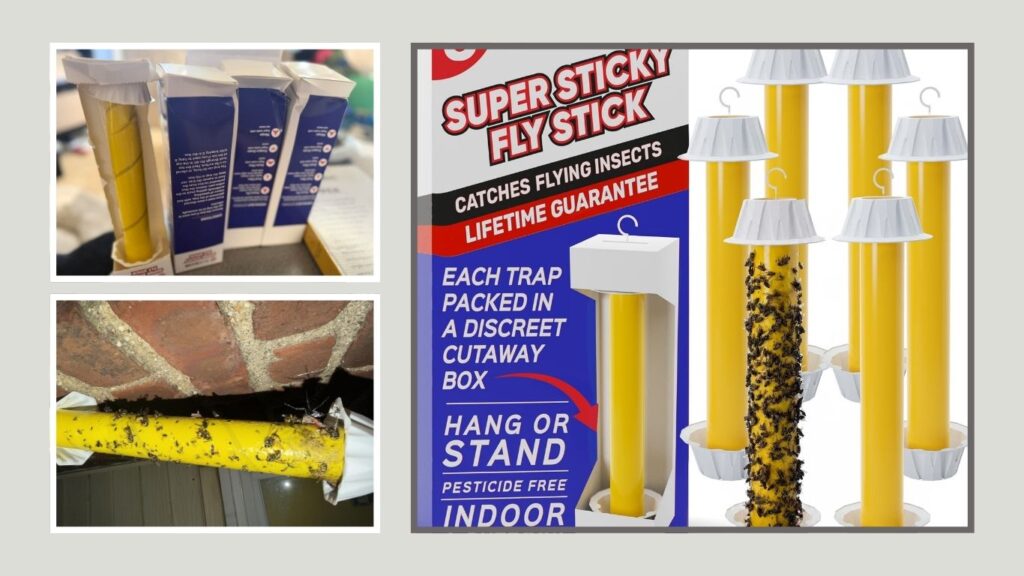
These Non-Toxic Sticky Fly Traps provide a simple physical trapping method for people who want to manage fruit flies without relying on aerosol sprays. The adhesive surface catches insects after contact and can be positioned in areas where flies regularly gather. Their indoor and outdoor versatility makes them useful for kitchens, patios, plant areas, trash zones, and other common fly hotspots.
Key Features
- Sticky adhesive trapping surface
- Designed for indoor and outdoor use
- No electrical power needed
- Passive fly-catching operation
- Suitable for small flying insects
- Easy to place around active areas
- Useful where sprays are undesirable
Why It Is Best for Simple Pest Control
These traps are appealing because they require very little maintenance. There is no bait mixture to prepare and no electronic unit to operate.
Once installed near fruit fly activity, the adhesive performs continuously. This makes the traps especially useful for people who want an uncomplicated approach to reducing adult flies around the home.
Adhesive Performance and Placement
Sticky traps depend on insects making direct contact with the surface, so choosing the right location is important. Positioning them near windows, fruit storage areas, plants, or trash containers can increase the likelihood that flies encounter the adhesive.
The traps should be replaced once dust, debris, or captured insects significantly cover the sticky area.
Using more than one trap can also help when fly activity is spread across multiple rooms.
Best for Low-Maintenance Fly Control
This product is a practical match for users who prefer passive trapping and want something that can remain in place throughout the day.
Its straightforward design makes it easy to use in both residential and utility settings. For recurring fruit fly activity, particularly when combined with good sanitation and removal of breeding sources, these sticky traps can become a useful part of an overall control routine.
3. Window Sticky Fly Catcher – Waterproof Fly Traps
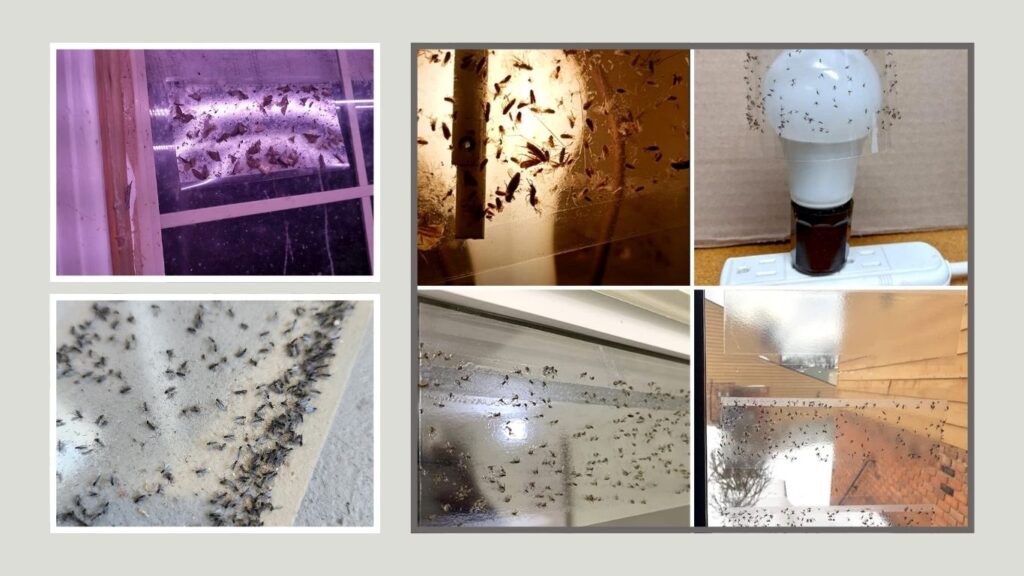
Window Sticky Fly Catchers are designed for one of the most common places flying insects gather: windows. Fruit flies and other small flies often move toward light, making window-mounted traps particularly useful for intercepting them. The clear or low-profile placement can also be less intrusive than hanging ribbons or larger exposed sticky boards.
Key Features
- Designed for window placement
- Sticky adhesive surface
- Helps catch flies attracted to light
- Low-profile design
- Suitable for indoor windows
- Waterproof-style construction
- Requires no electricity or sprays
Why It Is Best for Window Areas
Fruit flies often gather near windows after becoming trapped indoors. A sticky trap placed directly on or near the glass puts the adhesive in an area where flies naturally travel.
This placement strategy can improve trapping efficiency without requiring the user to constantly move the trap around the room.
Window traps can also be visually less distracting than large hanging fly papers.
Performance and Everyday Convenience
The trap works continuously after installation. There is no bait to refill or device to switch on.
For best results, place it on a window where flies are frequently seen rather than choosing a window only for convenience. Once the adhesive becomes full of insects or contaminated with dust, replacing it restores the available trapping surface.
The waterproof-style construction may also make the trap easier to maintain around areas exposed to occasional moisture.
Best for Discreet Indoor Fly Control
This window sticky catcher is particularly useful for kitchens, dining areas, sunrooms, and other spaces where flies frequently gather on glass.
Its compact placement, passive operation, and lack of exposed cords or devices make it a convenient option for homeowners who want a cleaner-looking fly control method.
4. Sticky Ribbon Fly Traps for Indoor Use
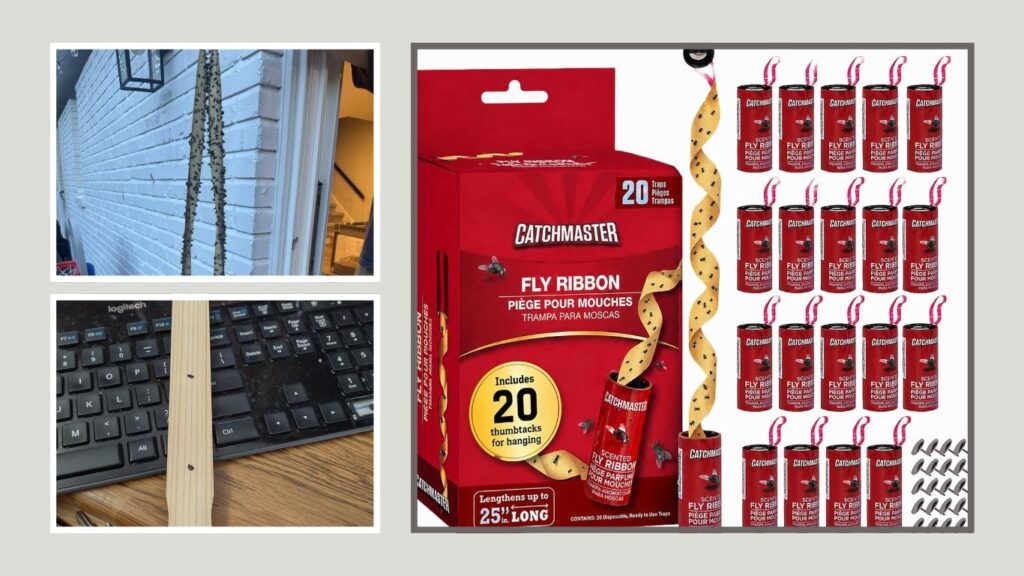
Sticky Ribbon Fly Traps use a classic hanging design that provides a long adhesive surface for catching flying insects. The ribbon format offers more vertical coverage than many compact sticky cards, making it useful in areas where flies move through open air. These traps are especially practical around utility spaces, kitchens, garages, or other locations where appearance is less important than broad catching coverage.
Key Features
- Long hanging ribbon design
- Large adhesive catching area
- No electricity required
- Works continuously after installation
- Suitable for indoor fly control
- Compact before deployment
- Useful in high fly-activity zones
Why It Is Best for Maximum Sticky Surface
The main strength of a fly ribbon is the amount of exposed adhesive it provides. A longer vertical surface can increase the chance that flying insects make contact while moving through a room.
This makes ribbon traps particularly effective when positioned near known fly pathways or close to areas where fruit flies repeatedly gather.
Performance and Practical Use
Once the ribbon is carefully extended and hung, it begins working immediately. There are no batteries, liquid baits, or complicated components to manage.
Because the adhesive is fully exposed, placement matters for convenience as well as effectiveness. Hanging it away from walkways, curtains, and frequently used work surfaces helps prevent accidental contact.
When the ribbon becomes heavily covered or loses stickiness, it should be replaced.
Best for High-Activity Fly Areas
Sticky ribbon traps are a good fit for utility rooms, garages, storage areas, or kitchens experiencing noticeable fly activity.
They prioritize catching surface over discreet appearance, making them better for users who care primarily about functionality. When positioned near the source of fruit fly activity and combined with cleaning measures, the ribbon design provides an inexpensive and continuous trapping method.
5. Catchmaster Window Sticky Fly Trap Strips
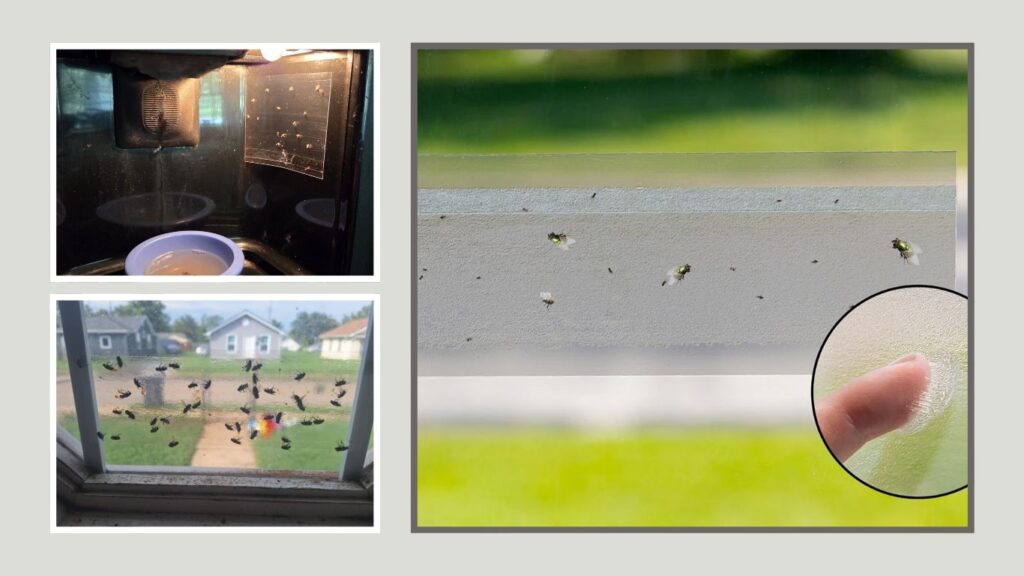
Catchmaster Window Sticky Fly Trap Strips offer a compact approach to catching flying insects around windows. Instead of hanging from ceilings or taking up countertop space, the strips can be positioned where flies frequently land. Their simple adhesive design is useful for homeowners who want ongoing fly control in kitchens and other indoor areas without adding bulky equipment.
Key Features
- Window-mounted sticky strip design
- Compact and discreet placement
- No electricity or batteries needed
- Helps catch flies near glass
- Easy passive trapping method
- Suitable for indoor use
- Requires minimal ongoing maintenance
Why It Is Best for Discreet Placement
One of the strongest advantages of window strips is their low-profile design. Hanging fly ribbons can be highly visible, while window strips stay closer to the glass and are less likely to interfere with daily activities.
Because many flies naturally move toward windows and bright areas, this location can also provide an efficient interception point.
Adhesive Performance and Maintenance
Once installed, the strips require little attention until the adhesive surface becomes filled or dusty.
Positioning them on windows where insects are already active generally provides the best performance. For larger infestations, using strips on more than one window can increase overall coverage.
The lack of liquid bait also means there is nothing to spill, making these traps especially convenient around kitchens and food-preparation areas.
Best for Clean and Convenient Indoor Control
Catchmaster Window Sticky Fly Trap Strips are particularly suited to people who want a simple trap that blends into the surrounding area better than traditional hanging fly paper.
They can be useful in kitchens, dining rooms, and other spaces where fruit flies tend to move toward natural light. For homeowners who value compact placement, easy maintenance, and continuous passive trapping, this style of sticky strip offers a practical way to reduce visible adult fly activity.
FAQs
1. Do sticky traps work for fruit flies?
Yes, sticky traps can catch adult fruit flies when they are placed near areas where the flies are active. They work best around windows, fruit bowls, trash areas, sinks, and other common gathering spots.
2. Where should I place fruit fly sticky traps?
Place sticky traps close to the source of activity. Good locations include near kitchen windows, recycling bins, trash cans, produce storage areas, and indoor plants. Avoid placing them where people or pets may accidentally touch the adhesive.
3. How long do fruit fly sticky traps last?
Most sticky traps remain effective until the adhesive becomes covered with insects, dust, or debris. Depending on the environment and fly activity, this may take several days or a few weeks. Replace the trap once much of the sticky surface is no longer exposed.
4. Are sticky traps enough to get rid of fruit flies completely?
Sticky traps help reduce adult fruit flies, but they do not remove the breeding source. For better control, also discard overripe fruit, clean spills, empty trash, rinse recyclables, and remove other fermenting organic material where fruit flies may breed.
5. Are window sticky traps better than hanging fly ribbons?
Both can work well, but they suit different situations. Window traps are more discreet and take advantage of flies moving toward light, while hanging ribbons provide a larger exposed adhesive surface. The best option depends on where fruit flies are most active in your home.