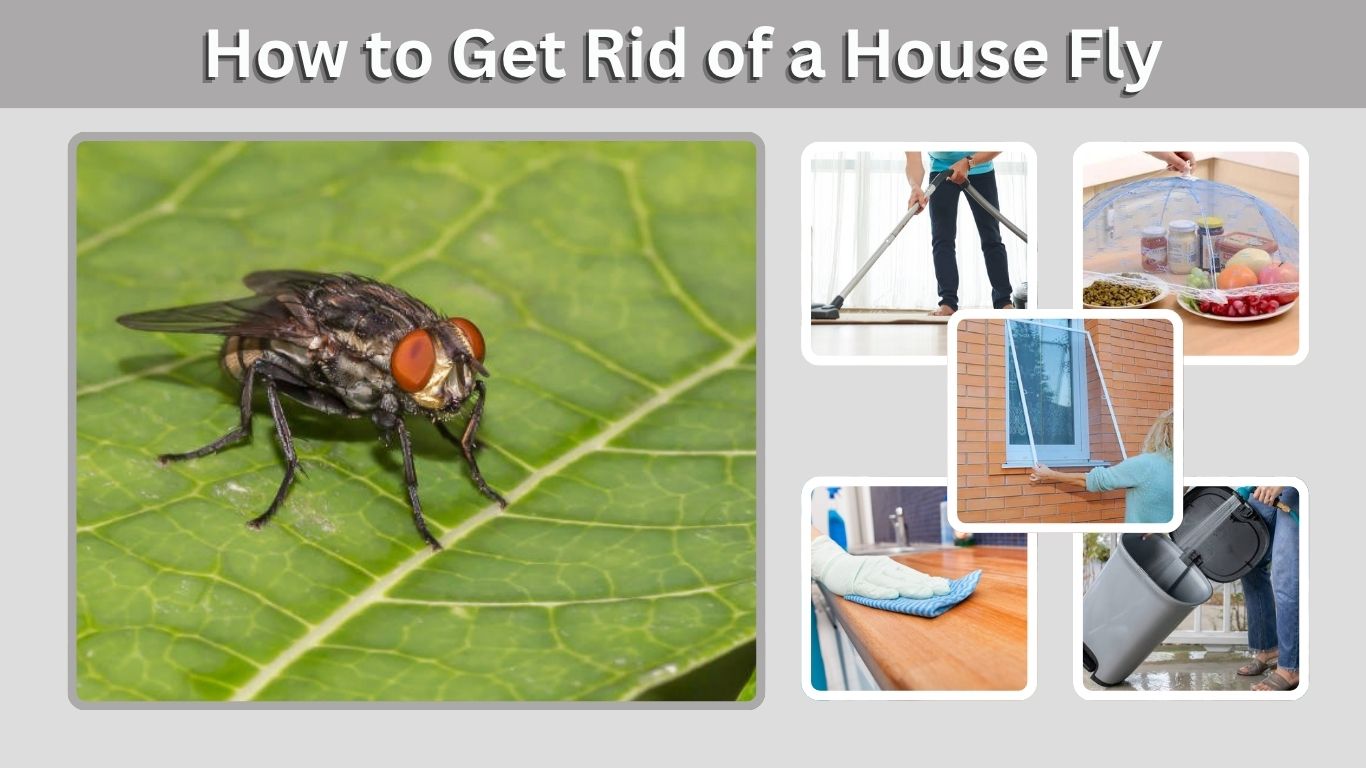
A sudden house fly infestation can become frustrating quickly, especially when flies keep returning even after you kill the visible adults. The key to getting rid of house flies is not simply swatting or trapping them—it is finding and eliminating the breeding source. Garbage, pet waste, rotting food, drains, compost, and other organic material can support rapid reproduction. If your house is infested with flies, combining sanitation, traps, exclusion, and breeding-site removal can stop the infestation and help prevent it from returning.
Why Do You Have a Fly Infestation in Your House?
A fly infestation usually develops because adult flies have found food and a suitable place to lay eggs. House flies reproduce in moist, decaying organic material, so even a small hidden source can produce many flies.
Finding that source is the most important step in effective control.
Common Causes of House Fly Infestations
Look for:
- Overflowing garbage cans
- Rotten fruits or vegetables
- Food scraps
- Pet feces
- Dirty litter areas
- Animal manure
- Compost piles
- Dead rodents or animals
- Food underneath appliances
- Dirty outdoor trash containers
- Organic buildup in drains
- Open doors and damaged screens
If flies appear suddenly in large numbers, inspect both inside and outside the home.
How Did I Get a Fly Infestation in My House?
Adult flies may enter through open windows, doors, vents, and damaged screens. Once inside, they can locate suitable breeding material.
In other situations, flies develop in outdoor garbage, compost, manure, or animal remains and continuously enter the building.
The infestation may therefore originate indoors, outdoors, or from both areas.
How to Get Rid of a House Fly Infestation
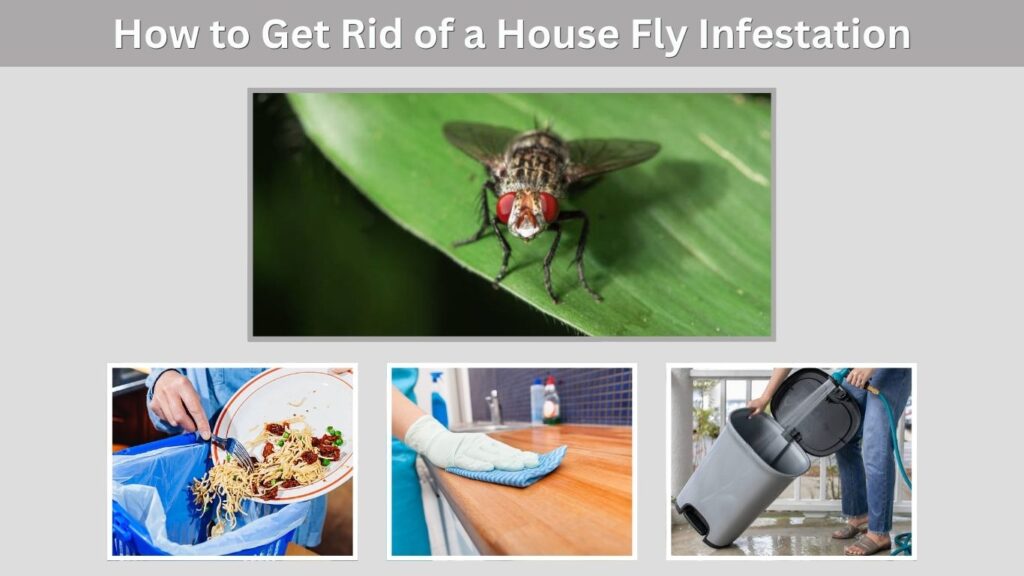
The best way to get rid of a fly infestation in the house is to attack the problem at several stages. Killing adults provides temporary relief, but removing eggs, larvae, and breeding materials prevents replacement flies from emerging.
Step 1: Find the Breeding Source
Begin with a thorough inspection.
Check:
- Garbage bins
- Beneath refrigerators
- Behind ovens
- Under cabinets
- Pantry areas
- Pet feeding areas
- Litter boxes
- Floor drains
- Compost containers
- Basements
- Garages
Look for maggots, unusual odors, decomposing food, moisture, or clusters of adult flies.
If you find larvae, nearby organic material is probably supporting development.
Step 2: Remove Garbage and Organic Waste
Dispose of potential breeding material immediately.
Take garbage outside, seal trash bags properly, and wash containers with soap and water.
Food waste should not remain indoors for long periods, particularly during warm weather.
Pet waste should also be removed promptly.
Step 3: Deep-Clean the Infested Area
After removing the source, thoroughly clean surrounding surfaces.
Pay special attention to:
- Floors
- Cabinet corners
- Baseboards
- Trash areas
- Under appliances
- Food preparation surfaces
Small amounts of food residue can continue attracting flies even when the main source has been removed.
How to Get Rid of House Fly Infestation Inside
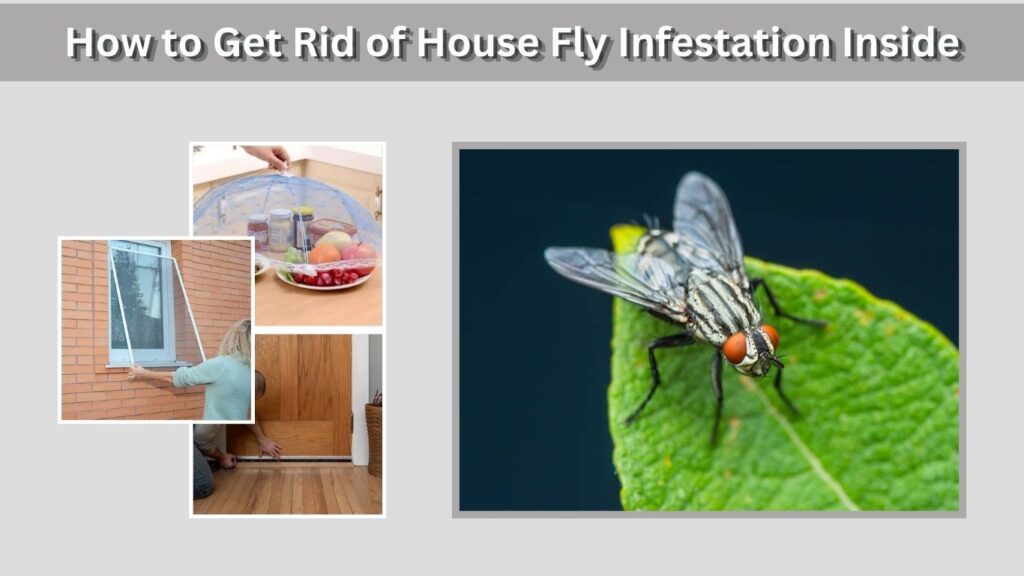
Indoor fly control should focus on sanitation, exclusion, and trapping. Using several methods together works better than relying on one product or technique.
Use Indoor Fly Traps
Useful options include:
- Sticky fly ribbons
- Window fly traps
- Light traps
- Indoor bait traps
- Electric fly traps where appropriate
Place traps near areas where flies regularly gather, such as windows and doors.
Avoid positioning traps directly over food preparation surfaces.
Use a Fly Swatter or Vacuum
For small numbers of adult flies, a fly swatter or vacuum can provide immediate control.
Vacuuming is particularly useful when many flies gather around windows.
Dispose of the vacuum contents after removing the flies.
Block Entry Points
Prevent new flies from replacing those you remove.
Inspect:
- Window screens
- Door screens
- Door sweeps
- Gaps around frames
- Utility openings
- Vents
Repair damaged screens and keep doors closed whenever possible.
How to Get Rid of House Fly Infestation Outside
Outdoor breeding sources frequently contribute to indoor fly problems. If flies remain abundant after cleaning your home, inspect the surrounding property.
A large outdoor population can continually enter through doors and windows.
Clean Outdoor Garbage Areas
Outdoor trash cans are among the most common fly attractions.
To reduce activity:
- Use tight-fitting lids.
- Remove garbage regularly.
- Clean containers after leaks.
- Keep bags sealed.
- Place bins away from entrances.
- Avoid loose food waste.
Cleaning the underside and rim of garbage-bin lids is also important because organic residue can accumulate there.
Manage Pet Waste and Manure
Pet feces and animal manure provide excellent breeding material for house flies.
Remove waste frequently, especially during warm weather.
If you keep livestock, chickens, or other animals, proper manure management becomes particularly important for controlling fly populations.
Manage Compost Properly
Compost can attract flies when it contains exposed food scraps or excessive moisture.
Cover fresh food waste with dry material and maintain the pile properly.
Avoid placing meat, grease, and inappropriate waste in household compost systems.
How to Get Rid of House Fly Eggs and Maggots
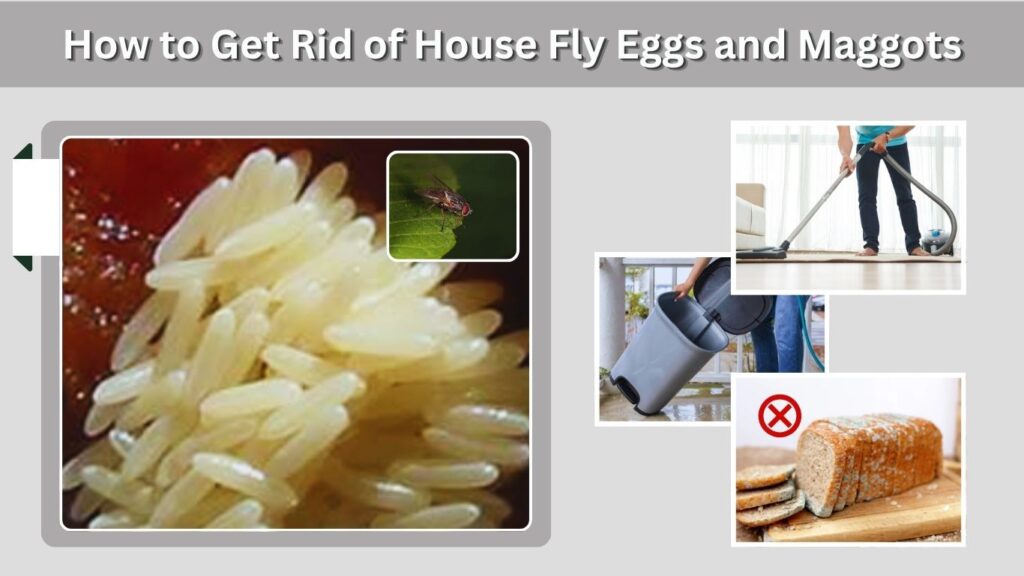
Eliminating eggs and larvae is essential during a serious infestation. House fly eggs are tiny and usually hidden directly in moist organic matter, making them difficult to see.
Removing the material containing them is usually more practical than trying to treat individual eggs.
Signs of House Fly Larvae
Maggots are typically:
- White or cream-colored
- Legless
- Soft-bodied
- Small and tapered
- Found in groups around decaying material
If you find maggots, remove the contaminated material and thoroughly clean the surrounding area.
Where to Look for Hidden Maggots
Check:
- Garbage bags
- Garbage cans
- Spoiled food
- Animal waste
- Compost
- Dead animals
- Areas beneath appliances
- Cracks near contaminated materials
Mature larvae may crawl away from the original food source before pupating, so you may find them a short distance away.
DIY Ways to Get Rid of a House Fly Infestation
DIY methods can help reduce adult flies while you remove the source of the infestation. They are most effective when combined with cleaning and prevention.
Homemade Fly Trap
A simple homemade trap can be made using a jar or bottle containing a sweet or fermenting bait.
A basic setup involves:
- Place bait in the bottom of a container.
- Create a small funnel-shaped entrance.
- Position it where flies are active.
- Empty and clean the trap regularly.
The bait attracts flies while the funnel makes it more difficult for them to escape.
Keep Food Covered
Store food in sealed containers and avoid leaving dishes uncovered.
Clean spilled drinks, crumbs, and food residue immediately.
Fruit should be refrigerated or stored appropriately if flies are repeatedly attracted to it.
Clean Drains
House flies do not typically rely on ordinary clean drains as their main breeding site, but organic buildup can attract several types of flies.
Scrub dirty drains and remove accumulated organic material if fly activity is concentrated nearby.
House Flies vs. Fruit Fly Infestation
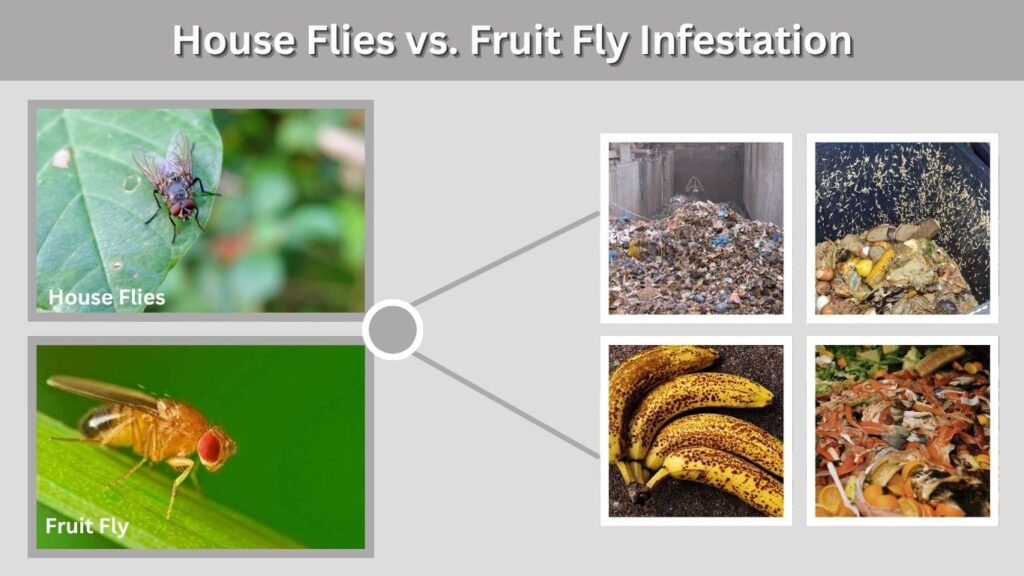
If tiny flies are gathering around fruit, drains, or fermented liquids, you may have fruit flies rather than house flies.
Correct identification matters because the breeding sources differ.
House Flies
House flies are larger and commonly associated with:
- Garbage
- Manure
- Food waste
- Animal waste
- Decomposing organic material
Fruit Flies
Fruit flies are much smaller and often gather around:
- Overripe fruit
- Fermenting liquids
- Dirty recycling containers
- Food residue
- Drains with organic buildup
Removing the correct breeding source is essential for either infestation.
How Long Does It Take to Get Rid of a Fly Infestation?
You may notice fewer adult flies soon after removing the main breeding material, but additional flies can still emerge from pupae already present.
For this reason, continue cleaning and trapping even after the population begins declining.
When to Consider Professional Pest Control
Consider professional help if:
- Flies remain numerous after deep cleaning.
- You cannot locate the breeding source.
- Maggots repeatedly appear.
- Flies are coming from inaccessible walls or ceilings.
- A dead animal may be inside the structure.
- The infestation is severe or recurring.
A pest-control professional can help identify hidden breeding areas and determine the appropriate treatment.
How to Prevent Another House Fly Infestation
Prevention is easier than dealing with hundreds of adult flies later. Most house fly problems can be reduced by limiting access to food, moisture, waste, and entry points.
House Fly Prevention Checklist
- Empty garbage frequently.
- Keep trash cans covered.
- Clean spills immediately.
- Store food in containers.
- Remove pet waste daily.
- Clean outdoor garbage bins.
- Maintain window screens.
- Keep doors closed.
- Clean beneath appliances.
- Manage compost properly.
- Remove dead animals promptly.
- Inspect fly-prone areas regularly.
Consistent sanitation prevents flies from completing their life cycle around your home.
FAQs
What is the fastest way to get rid of a house fly infestation?
Remove the breeding source first, then clean the area thoroughly and use traps or other appropriate methods to remove remaining adult flies.
Why is my house suddenly infested with flies?
A sudden infestation may indicate garbage, spoiled food, pet waste, manure, compost, or a dead animal nearby. Adult flies may also be entering from a large outdoor population.
How do I get rid of a house fly infestation naturally?
Sanitation, removing breeding materials, keeping food covered, cleaning garbage containers, using simple traps, and blocking entry points can significantly reduce flies without relying entirely on insecticides.
Can a house fly infestation come from outside?
Yes. Flies breeding in outdoor garbage, animal waste, compost, or other organic material can repeatedly enter the house through doors, windows, and damaged screens.
Why do house flies keep coming back after I kill them?
Adult flies may keep appearing because eggs, larvae, or pupae are still developing nearby. Finding and eliminating the breeding source is necessary for long-term control.