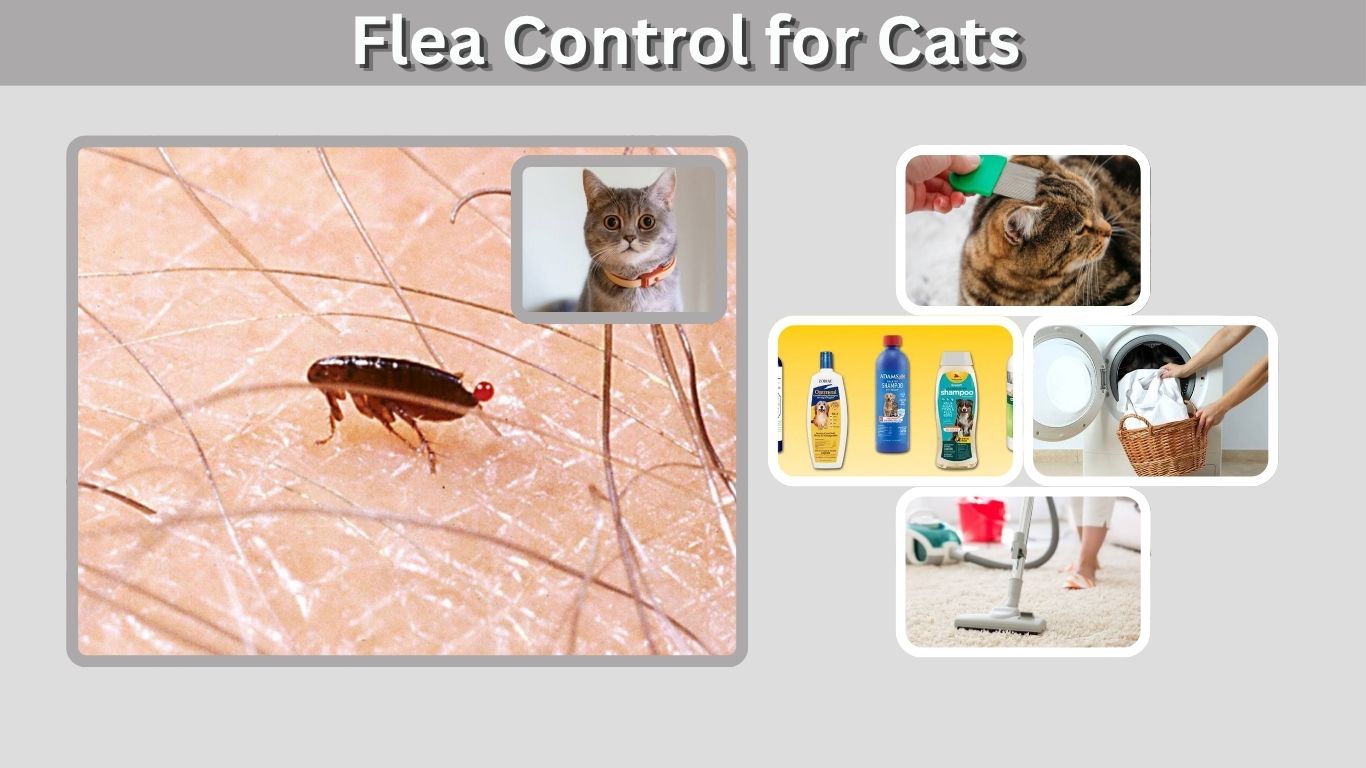
Fleas can cause far more than occasional scratching in cats. A persistent infestation may lead to irritated skin, flea allergy dermatitis, hair loss, infections, and even anemia in severe cases. Effective flea control for cats combines a suitable cat flea treatment with environmental cleaning and ongoing prevention. Understanding how fleas behave, which treatments are available, and how to use flea medicine safely can help you remove existing fleas while reducing the chance of another infestation.
How to Tell If Your Cat Has Fleas
Fleas are small, fast-moving insects that feed on blood. Cats often groom so thoroughly that owners may not immediately see adult fleas. Instead, itching, excessive licking, skin irritation, or flea dirt may provide the first clues. The cat flea, Ctenocephalides felis, is the most common flea found on both cats and dogs.
Common Signs of Fleas on Cats
Watch for changes in your cat’s skin, coat, and behavior, including:
- Frequent scratching or biting
- Excessive licking and grooming
- Hair loss, especially around the back or tail
- Small crusty bumps on the skin
- Red or irritated areas
- Black specks resembling ground pepper
- Restlessness or discomfort
- Pale gums in a heavily infested cat
Some cats develop flea allergy dermatitis, an allergic reaction to flea saliva that can cause intense itching even when relatively few fleas are present.
How to Check for Flea Dirt
Run a fine-toothed flea comb through your cat’s coat, paying particular attention to the neck, lower back, belly, and base of the tail.
Flea dirt consists of flea feces containing digested blood. When suspicious dark particles are placed on a damp white tissue or paper towel, they may dissolve into reddish-brown marks. This can help distinguish flea dirt from ordinary dirt.
Best Flea Treatment Options for Cats
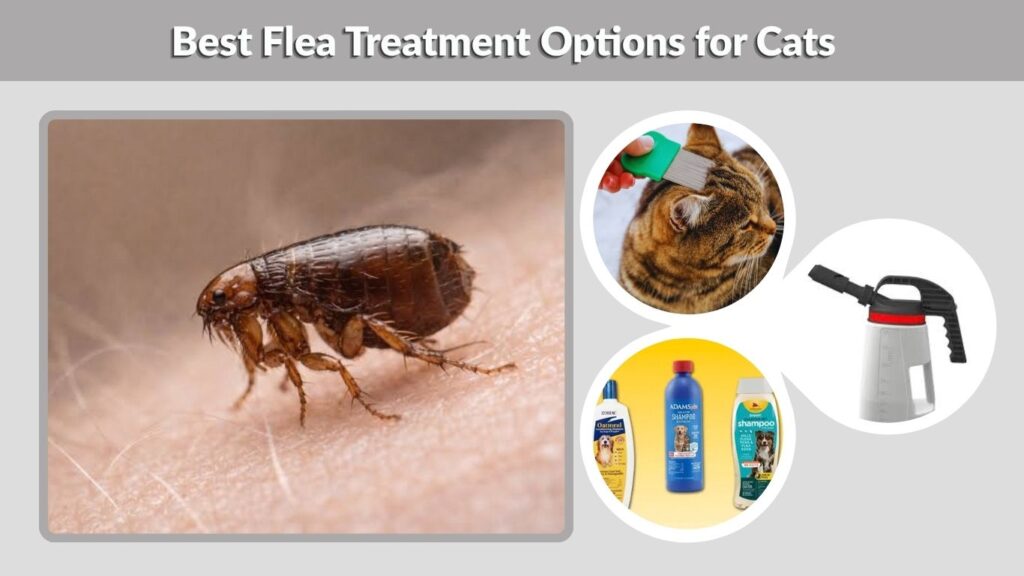
The best flea treatment for cats depends on factors such as age, weight, general health, lifestyle, and other parasites requiring prevention. Modern flea-control products may be topical or oral, and some protect against additional parasites. Always select a medication labeled specifically for cats and follow its dosing instructions rather than choosing treatment based only on popularity.
Topical Flea Treatment for Cats
Topical flea treatments are usually applied directly to the skin, commonly around the back of the neck where the cat is less able to lick the application site.
Depending on the product, topical treatment may:
- Kill adult fleas
- Prevent new flea infestations
- Offer several weeks of protection
- Control ticks or other parasites
- Reduce the need for frequent flea shampoos
Products differ in active ingredients, duration, age restrictions, and minimum weight requirements. Always read the current label before application.
Oral Flea Medicine for Cats
Some flea medicines for cats are administered orally. Systemic treatments enter the cat’s body and kill fleas when they feed.
Oral treatment may be useful for cats that do not tolerate topical application well or in situations where a veterinarian considers systemic treatment preferable.
Prescription and nonprescription options differ, so the appropriate product should be chosen according to the individual cat’s health and parasite risks.
How Long Does Flea Treatment Take to Work?
The speed of flea killing depends on the active ingredient and formulation. Some modern treatments kill adult fleas quickly, while certain topical formulations may require more time to distribute effectively.
Even when the medication works properly, new fleas may continue to appear because immature fleas are still developing in the environment. Complete control of an established infestation commonly takes around two to three months.
How to Get Rid of Fleas on Cats
Getting rid of fleas involves more than killing the adults currently visible on your cat. Flea eggs readily fall from the coat and collect in bedding, carpets, furniture, cracks, and other areas where pets spend time. Treating the animal while ignoring these developing stages can allow the infestation to continue for weeks.
Treat Every Pet in the Household
For effective flea control:
- Treat every appropriate pet in the home
- Use a species-specific flea product
- Follow the correct dosing schedule
- Avoid missing scheduled treatments
- Continue prevention after visible fleas disappear
- Keep cats away from treated pets until topical products have dried when required by the label
CAPC notes that established infestations may take several months to control and recommends treating all household pets as part of the process.
Use a Flea Comb
Flea combing provides a simple way to remove some adult fleas while monitoring the severity of an infestation.
Move the comb slowly through the coat and concentrate around the neck, lower back, and tail base. Captured fleas can be placed into soapy water.
A flea comb is useful as a supporting tool but usually cannot control an established infestation on its own.
Flea Control in Your Home
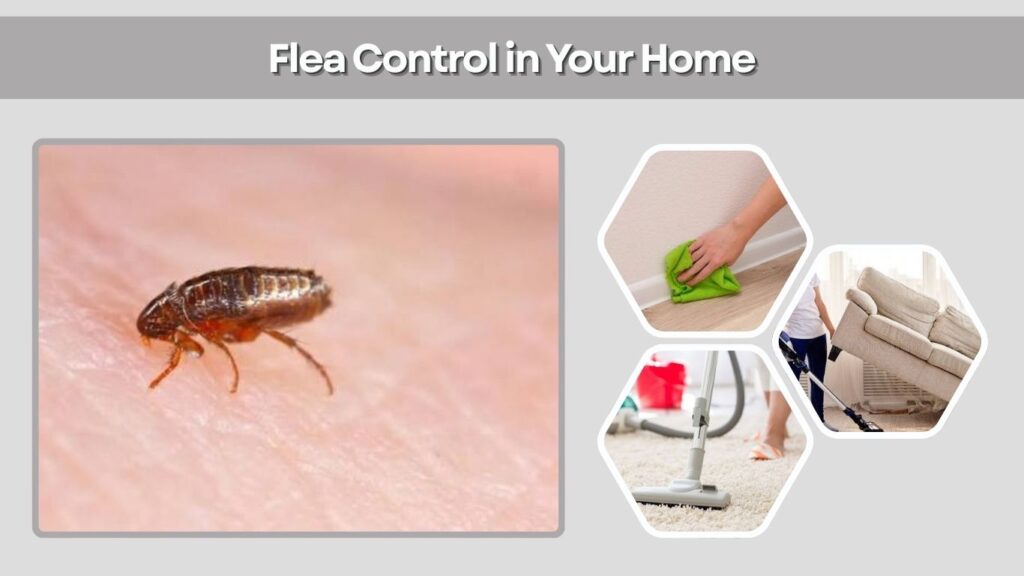
Most stages of a flea infestation are not confined to the cat. Eggs fall from pets into the home, where they hatch and continue developing. This explains why treating a cat once may not immediately solve the problem. Environmental management is especially useful when infestations are heavy or fleas continue emerging despite appropriate treatment.
Clean Flea-Prone Areas
Concentrate cleaning where your cat rests, sleeps, or spends the most time.
Helpful measures include:
- Wash pet bedding regularly
- Vacuum rugs and carpets
- Vacuum beneath beds and sofas
- Clean upholstered furniture
- Vacuum around baseboards
- Pay attention to floor cracks and crevices
- Clean carriers and washable blankets
Merck notes that washing bedding and thoroughly vacuuming areas where pets rest can help manage environmental flea populations, particularly during severe infestations.
Why Fleas Return After Treatment
Adult fleas lay eggs while living on the host, but the eggs fall into the surrounding environment. Larvae later hatch and eventually form pupae.
Those immature stages can survive while the cat is already receiving effective treatment. Newly emerging fleas then jump onto the animal and may temporarily make it appear that the flea medicine has failed.
Continued treatment prevents these new fleas from establishing another generation.
Flea Prevention for Cats
Consistent prevention is usually much easier than eliminating a widespread infestation. Indoor cats are not completely protected because fleas can enter homes on other animals or establish populations inside heated environments. For long-term control, preventive treatment should be given according to the product schedule rather than waiting until scratching or adult fleas become noticeable.
How to Prevent Fleas on Cats
A practical flea prevention for cats routine includes:
- Use flea prevention consistently
- Follow age and weight requirements
- Give each dose at the correct interval
- Check the coat periodically with a flea comb
- Wash bedding regularly
- Keep common resting areas clean
- Treat other household pets appropriately
- Discuss persistent flea problems with a veterinarian
CAPC recommends year-round flea control for cats throughout their lives to reduce infestation on the animal and prevent flea populations from becoming established in the home.
Do Indoor Cats Need Flea Prevention?
Indoor cats can still develop fleas. Another pet may carry fleas indoors, or immature flea stages may already be present in carpets, bedding, or furniture.
Because fleas can survive inside climate-controlled homes, prevention may still be appropriate even for cats that rarely or never go outdoors.
Flea Treatment Safety for Cats
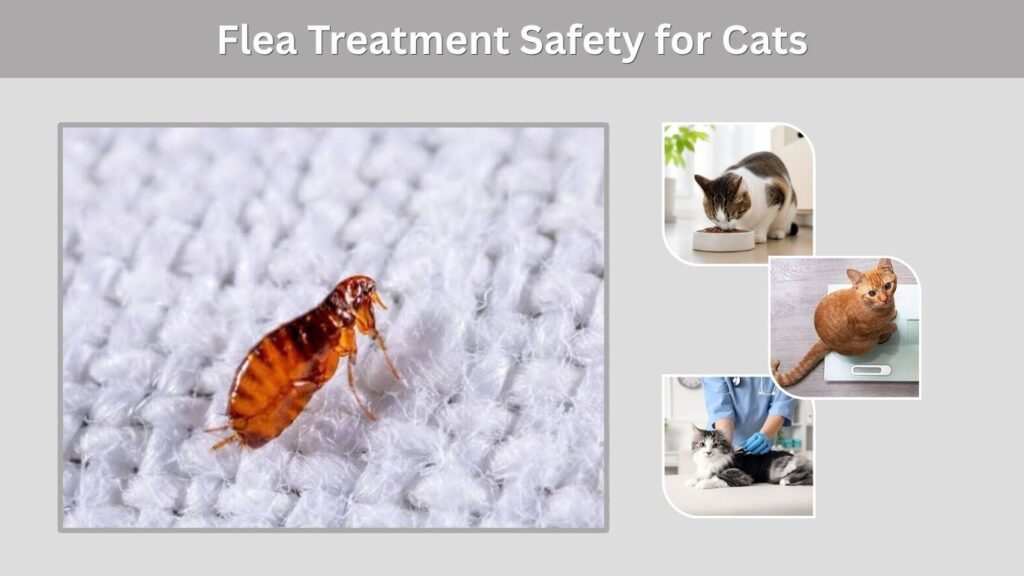
Cat flea treatments are generally safe when an appropriate product is used according to its label, but medication errors can cause serious problems. Cats should never automatically receive a product simply because it is suitable for another household pet. Species, weight, age, medical history, and concurrent medications should all be considered before treatment.
Important Flea Medicine Safety Rules
When using flea treatment:
- Choose a product labeled for cats
- Check the required age and weight
- Follow the exact application interval
- Never increase the dose yourself
- Avoid mixing flea products without professional advice
- Monitor your cat after treatment
- Keep the package and label
- Contact a veterinarian if an unusual reaction develops
The FDA recommends matching flea products to the animal’s species, life stage, and weight and carefully following the current label instructions.
Possible Reactions to Flea Medicine
Watch your cat after starting a new flea treatment. Possible adverse effects associated with flea and tick products can include vomiting, diarrhea, excessive salivation, reduced appetite, wobbliness, poor coordination, or unusual lethargy.
The FDA has also reported that isoxazoline-class flea and tick products have been associated with neurologic reactions such as tremors, ataxia, and seizures in some cats and dogs, although these products are considered safe and effective for the majority of animals.
Emergency Warning Signs
Minor itching is different from a medical emergency. Severe flea infestations can contribute to anemia, while incorrect flea treatment or an adverse drug reaction may produce potentially serious symptoms. Knowing the warning signs allows cat owners to seek veterinary attention promptly rather than continuing home flea treatment when the animal needs professional medical care.
When to Seek Immediate Veterinary Care
Seek urgent veterinary assistance if your cat develops:
- Difficulty breathing or open-mouth breathing
- Collapse or inability to stand
- Seizures
- Severe shaking or muscle tremors
- Marked loss of coordination
- Very pale or white gums
- Extreme weakness or unresponsiveness
- Severe or repeated vomiting
- Significant facial swelling
- Serious symptoms shortly after flea medication
Heavy flea infestations can cause anemia, particularly in vulnerable cats, while adverse reactions to flea products can include neurologic or gastrointestinal symptoms.
Common Flea-Control Mistakes
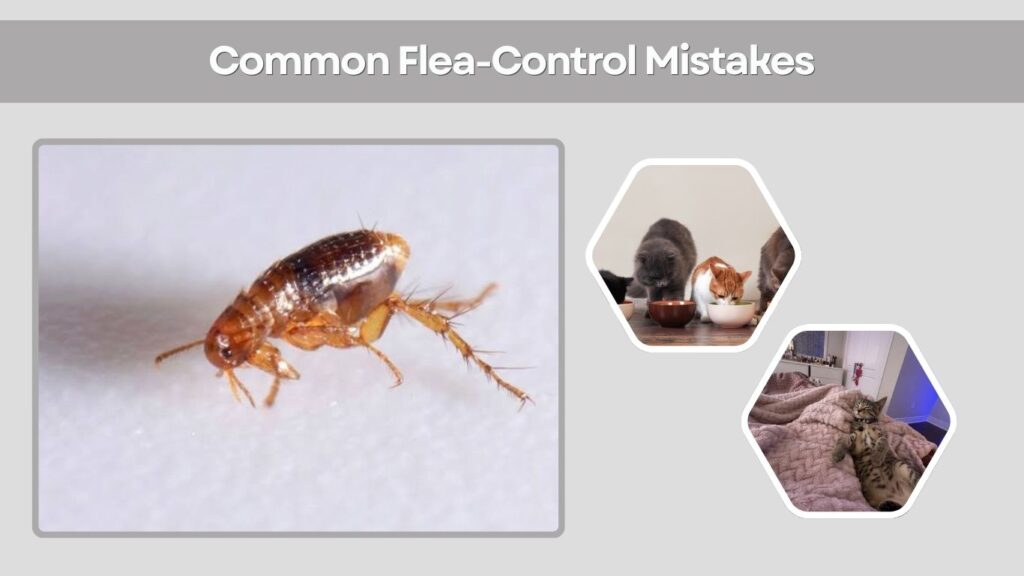
Treatment sometimes appears unsuccessful because the flea life cycle was not completely addressed or medication was used incorrectly. Consistency is particularly important because immature fleas may remain in the home long after treatment begins. Avoiding common mistakes can make both cat flea treatment and long-term prevention substantially more effective.
Mistakes to Avoid
Avoid:
- Treating only one pet in a multi-pet home
- Stopping prevention when fleas disappear
- Using an incorrect dose
- Applying products more frequently than directed
- Relying only on flea combing
- Ignoring bedding and resting areas
- Combining medications without veterinary advice
- Assuming every visible flea means treatment has failed
Delayed dosing, underdosing, bathing that interferes with certain topical products, and inconsistent treatment can contribute to poor flea-control results.
FAQs
1. What is the best flea treatment for cats?
There is no single best option for every cat. The appropriate treatment depends on age, weight, health, lifestyle, parasite exposure, and whether protection against additional parasites is needed. Topical and oral flea treatments can both be effective when appropriately selected and correctly used.
2. How do I get rid of fleas on my cat fast?
Start with an appropriate cat-specific flea treatment and use a flea comb to remove visible fleas. Treat other household pets and clean important resting areas. Although adult fleas may die relatively quickly, environmental stages can make complete infestation control take several weeks or months.
3. Can indoor cats get fleas?
Yes. Fleas can enter a home on other animals and establish themselves indoors. Flea eggs and immature stages can also develop in carpets, furniture, bedding, and other protected areas.
4. Why does my cat still have fleas after treatment?
Flea eggs, larvae, and pupae may already be present throughout the home. New adult fleas can continue emerging and jumping onto the cat even when the medication is working. Established infestations typically require continued prevention while the remaining flea life cycle is eliminated.
5. Can I use dog flea medicine on my cat?
Do not use a flea product labeled only for dogs on a cat. Flea products should match the species, age, weight, and other label requirements. If you are unsure whether a medication is appropriate for your cat, check with a veterinarian before applying or administering it.