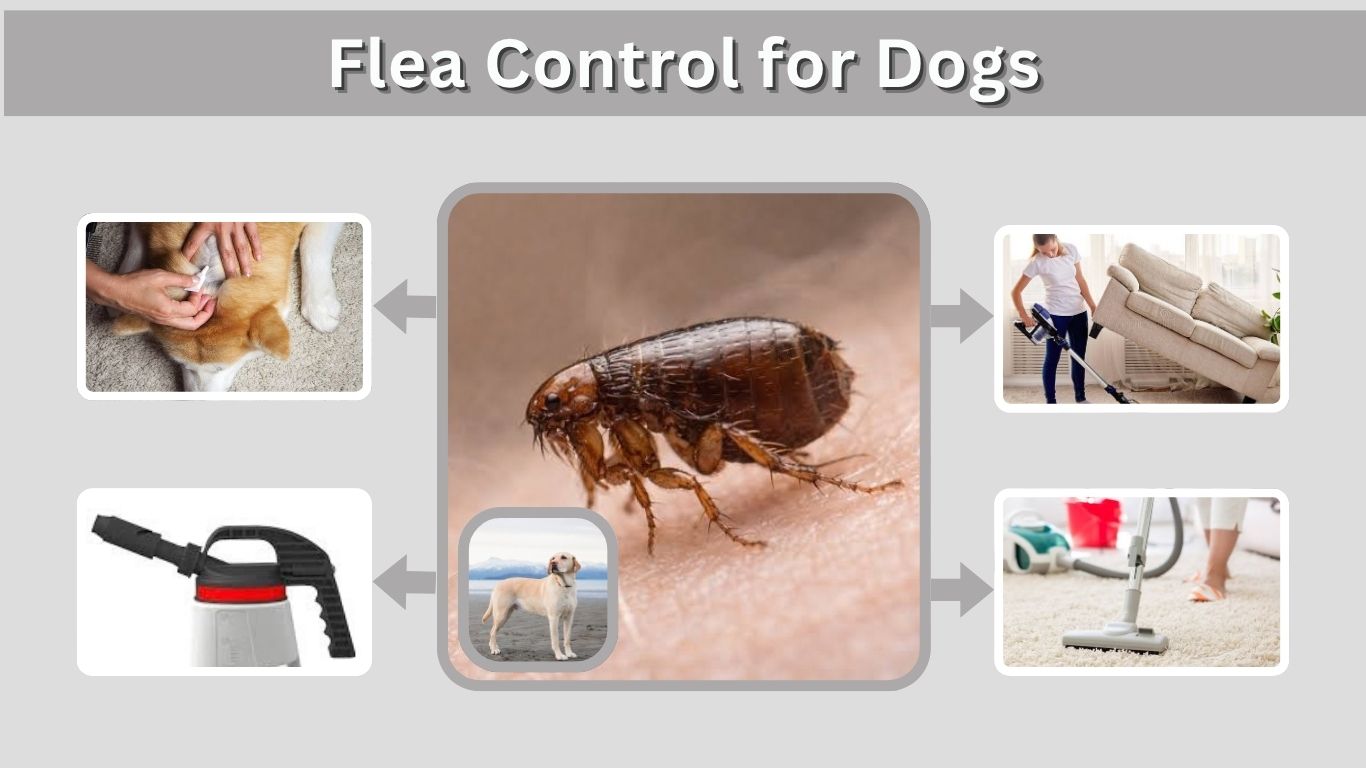
Fleas can make dogs miserable, causing constant scratching, irritated skin, hair loss, and sometimes more serious health problems. Effective flea control for dogs requires more than simply killing the fleas you can see. You also need to interrupt the flea life cycle, treat the dog’s environment when necessary, and maintain reliable prevention. From oral flea medicine and topical treatments to cleaning bedding and controlling reinfestation, the right approach can help keep your dog comfortable and your home flea-free.
Why Flea Control for Dogs Is Important
Fleas reproduce quickly and spend part of their life cycle away from the dog. Eggs can fall into carpets, bedding, furniture, floor cracks, and other areas where a pet spends time. Because of this, killing adult fleas on your dog may not immediately eliminate an established infestation. Veterinary guidance recommends addressing the pet, the environment, and future prevention together.
Health Problems Fleas Can Cause
Flea infestations may cause:
- Persistent scratching and biting
- Red or irritated skin
- Flea allergy dermatitis
- Hair loss from excessive scratching
- Skin infections
- Anemia, particularly in heavily infested puppies or small dogs
- Transmission of certain parasites and infectious agents
Some dogs are especially sensitive to flea saliva and may develop severe itching after only a few flea bites.
How to Check a Dog for Fleas
Examine areas such as the base of the tail, belly, groin, neck, and behind the ears. Adult fleas may move quickly through the coat.
A flea comb can also reveal dark particles called flea dirt. If these particles are placed on a damp white paper towel and dissolve into a reddish-brown stain, they may contain digested blood from fleas.
Best Flea Treatment Options for Dogs
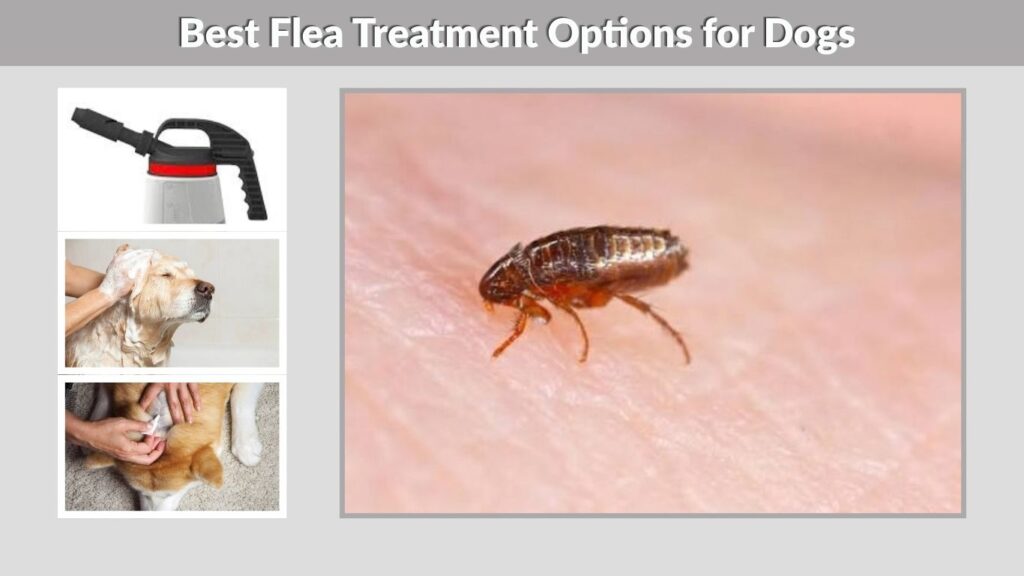
The best flea treatment for dogs depends on the dog’s age, weight, lifestyle, medical history, other medications, and parasite risks in the local area. Modern flea-control products include oral medications, topical treatments, and other veterinarian-administered options. No single treatment is ideal for every dog.
Oral Flea Medicine for Dogs
Oral flea treatments are given by mouth as tablets or chewables. Depending on the active ingredient, they may begin killing fleas relatively quickly and provide protection for a specified period.
Potential advantages include:
- No medication remaining on the coat
- Convenient dosing
- Useful for dogs that swim or bathe frequently
- Some products also control ticks or other parasites
- Fast flea-killing options are available
Some common veterinary flea medications contain active ingredients from the isoxazoline class. The FDA considers these products safe and effective for most dogs but notes that neurologic reactions such as tremors, loss of coordination, and seizures have been reported in some animals. Dogs with a history of neurologic problems should therefore be discussed with a veterinarian before these medications are selected.
Topical Flea Treatment for Dogs
Topical treatments are generally applied directly to the dog’s skin, often between the shoulder blades or along the back depending on the product.
They can be useful for long-term flea control and may contain ingredients that kill adult fleas or interfere with immature flea development.
Always use the correct product for the dog’s species, age, and body weight and follow the label exactly.
Long-Acting Flea Treatment
Longer-lasting veterinary flea-control options are also available. For example, the FDA approved Bravecto Quantum in July 2025 as a veterinarian-prescribed injectable fluralaner treatment for dogs six months and older, providing approximately 8–12 months of flea and tick protection depending on the parasite being targeted.
Long-lasting treatment may improve consistency, but suitability should be determined by a veterinarian.
How to Get Rid of Fleas on a Dog
Finding fleas usually means taking several steps rather than relying on a single treatment. The objective is to kill the fleas currently feeding on the dog while preventing newly emerging fleas from producing another generation.
Start With an Appropriate Flea Treatment
Choose a dog-specific flea product appropriate for the dog’s weight and age. Use it according to its labeled schedule.
Do not give extra doses because fleas are still visible. Newly emerged fleas may continue jumping onto a properly treated dog while immature stages remain in the environment.
Use a Flea Comb
A fine-toothed flea comb can physically remove some adult fleas and flea dirt.
Focus particularly on:
- Around the tail
- Neck
- Belly
- Groin
- Behind the ears
Place removed fleas into soapy water so they cannot escape.
Bathe When Appropriate
Bathing may remove flea dirt and some fleas, but shampoo alone normally does not provide reliable long-term flea prevention.
If your dog already receives a topical flea medication, check its instructions before bathing because frequent washing can affect some products.
Flea Control Inside the Home
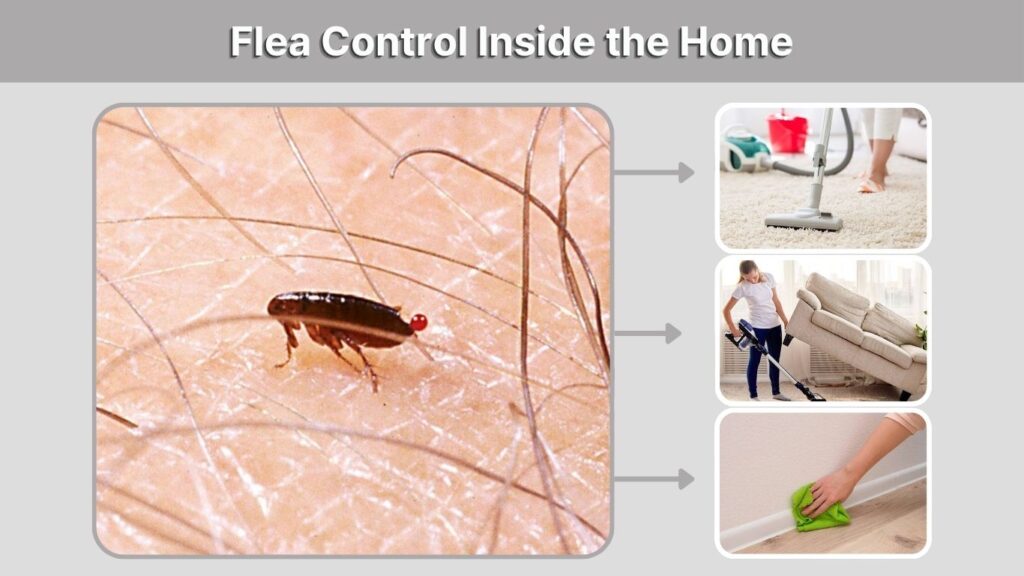
A major reason flea infestations seem difficult to eliminate is their life cycle. Eggs laid on the animal can fall into the surrounding environment. Larvae then develop in protected locations before eventually becoming adults.
Even when an effective product is used on the dog, an established household infestation can take weeks or several months to disappear completely.
Clean Areas Where Your Dog Spends Time
Regular cleaning helps remove eggs, larvae, flea dirt, and other debris from the dog’s environment.
Useful measures include:
- Vacuuming carpets and rugs regularly
- Vacuuming beneath furniture
- Cleaning along baseboards and floor edges
- Washing pet bedding
- Cleaning sofas or chairs where pets sleep
- Treating every pet in the household appropriately
Empty the vacuum container or dispose of the bag afterward according to the manufacturer’s directions.
Treat All Pets in the Home
If several dogs or cats share a home, leaving one pet untreated can allow fleas to continue reproducing.
However, never assume a dog flea product is safe for cats. Each animal should receive a product specifically labeled for its species.
How to Prevent Fleas on Dogs
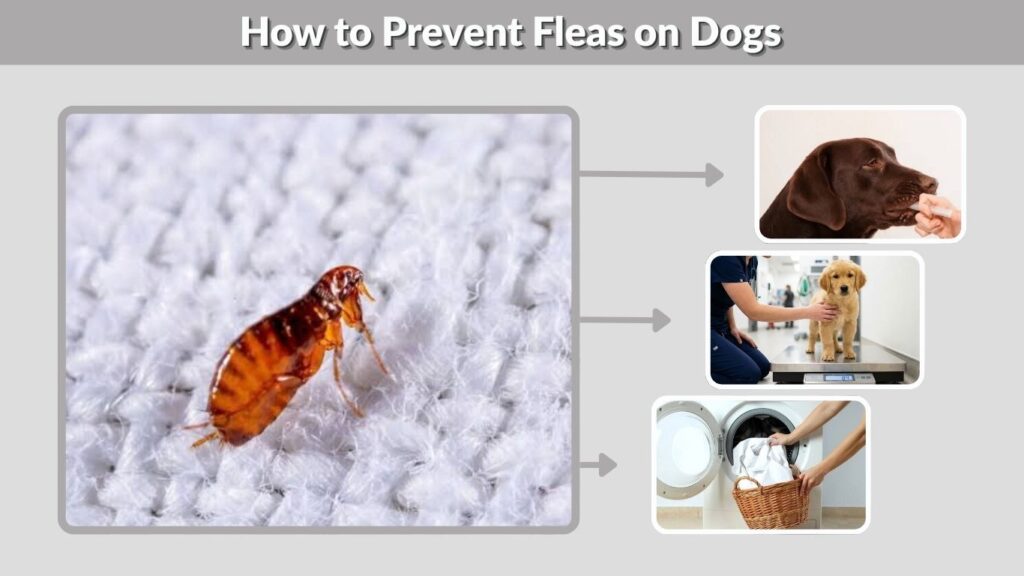
Prevention is generally easier than controlling a large infestation. The Companion Animal Parasite Council recommends year-round flea control for dogs rather than treating only when fleas become obvious.
Maintain Consistent Flea Prevention
Consistency matters because missed or delayed doses can leave gaps in protection.
A successful flea-prevention routine should include:
- Giving treatments on schedule
- Using the correct dose for the dog’s current weight
- Treating every pet appropriately
- Checking the coat regularly
- Washing bedding routinely
- Keeping indoor resting areas clean
- Discussing regional flea and tick risks with a veterinarian
Dogs that frequently visit parks, kennels, daycare facilities, trails, or areas used by wildlife may have greater exposure.
Don’t Stop After the Fleas Disappear
Seeing no fleas does not necessarily mean every flea stage has disappeared from the home. Immature stages can remain in protected environments and emerge later.
Merck Veterinary Manual notes that established infestations can commonly require roughly two to three months for complete control because environmental flea stages continue developing after treatment begins.
Common Flea-Control Mistakes to Avoid
Flea treatments work best when they are used correctly. Treatment failures are sometimes caused by inconsistent administration rather than a complete failure of the active ingredient.
Mistakes That Can Reduce Flea Control
Avoid:
- Skipping scheduled doses
- Using a product intended for another species
- Selecting the wrong dose for the dog’s weight
- Stopping prevention immediately after fleas disappear
- Treating only one pet in a multi-pet household
- Relying solely on flea shampoo
- Ignoring heavily infested bedding or resting areas
- Combining flea medications without veterinary advice
Also avoid assuming that seeing an occasional flea means a preventative has failed. Fleas can continue emerging from the environment and jumping onto treated pets while an infestation is being eliminated.
When Should You See a Veterinarian?
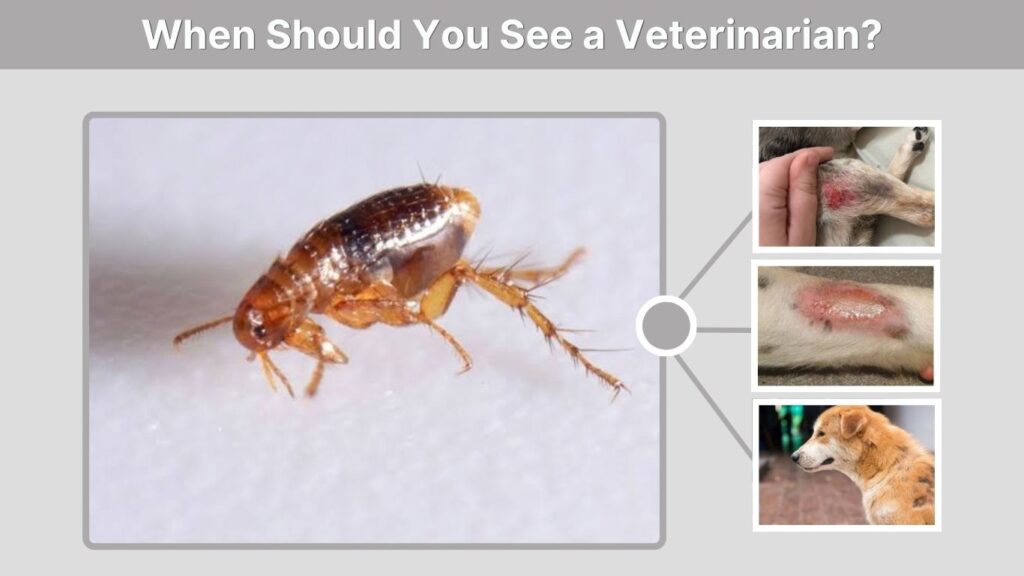
Mild flea problems can often be controlled with properly selected preventive products and good environmental management. However, some dogs develop complications or require a customized parasite-control program.
Signs Veterinary Care May Be Needed
Contact a veterinarian if your dog has:
- Severe or persistent itching
- Open wounds or infected skin
- Significant hair loss
- Pale gums or unusual weakness
- A very heavy flea infestation
- Repeated infestations despite correct treatment
- A history of seizures or neurologic disease before starting certain flea medicines
- An unusual reaction after receiving flea medication
Puppies, elderly dogs, pregnant dogs, and animals with medical conditions may also require additional care when choosing flea medicine.
FAQs
1. What kills fleas on dogs quickly?
Some fast-acting oral or systemic flea medications can kill existing adult fleas relatively quickly. The most suitable option depends on the dog’s age, weight, and medical history, so follow the product label and veterinary advice.
2. What is the best flea treatment for dogs?
There is no single best treatment for every dog. Oral medicines, topical treatments, and longer-lasting veterinary products can all be effective. The best choice depends on the dog’s lifestyle, health history, age, weight, and parasite exposure.
3. Why does my dog still have fleas after treatment?
New fleas may continue emerging from eggs, larvae, and pupae already present in the environment. They can jump onto a treated dog before being killed, so complete control of a household infestation may take several weeks or months.
4. Should flea prevention be used year-round?
Year-round prevention is commonly recommended because fleas can survive indoors and may remain active whenever environmental conditions are suitable. Continuous protection also reduces the risk of a new household infestation.
5. Can I use cat flea medicine on my dog?
Use only products specifically labeled for your dog’s species, age, and weight unless a veterinarian directs otherwise. Never interchange dog and cat flea products simply because the package or active ingredients appear similar.