
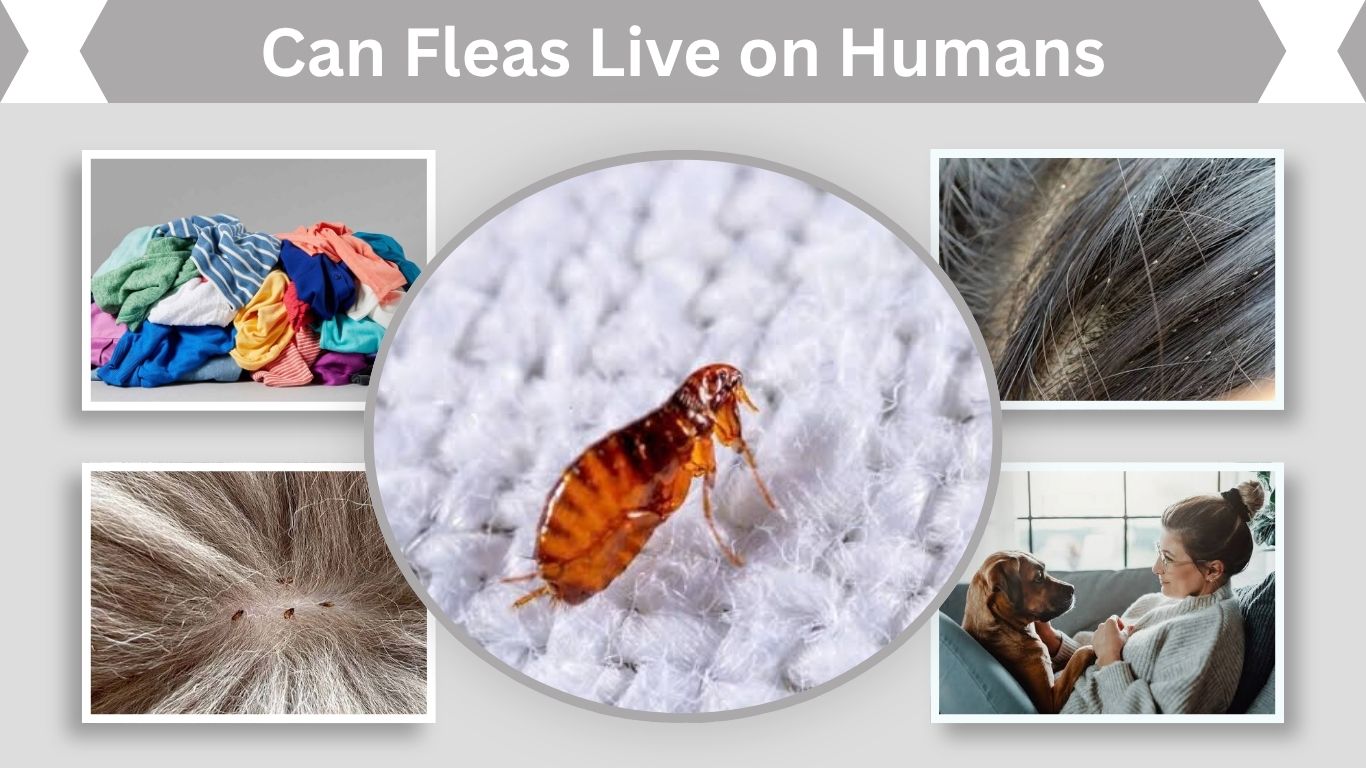
Can fleas live on humans? Fleas can bite people and feed on human blood, but common cat and dog fleas do not normally live permanently on the human body. Unlike lice, fleas generally prefer furry animal hosts where they can feed and reproduce. However, people may experience flea bites after contact with infested pets, carpets, or furniture. In some situations, fleas can temporarily remain on clothing or skin before jumping away. Understanding how fleas interact with humans helps explain where infestations originate and how to prevent recurring bites.
Can Fleas Live on Humans?
Fleas are small, wingless parasites that survive by feeding on the blood of warm-blooded animals. Although several flea species can bite humans, most prefer animals such as cats, dogs, and rodents. Human skin and hair generally do not provide the same suitable living environment as dense animal fur. Therefore, common pet fleas rarely establish permanent populations on people.
Can Fleas Stay on Human Skin?
Cat and dog fleas may jump onto human skin, feed briefly, and then move elsewhere.
They commonly bite exposed areas, particularly the ankles and lower legs. Their presence does not necessarily mean they are living on the person.
Can Fleas Reproduce on Humans?
Common cat and dog fleas generally do not establish breeding populations on human bodies.
Female fleas typically reproduce successfully while feeding on suitable animal hosts. Their eggs fall into carpets, bedding, and other areas where immature fleas develop.
Can Dog Fleas Live on Humans?
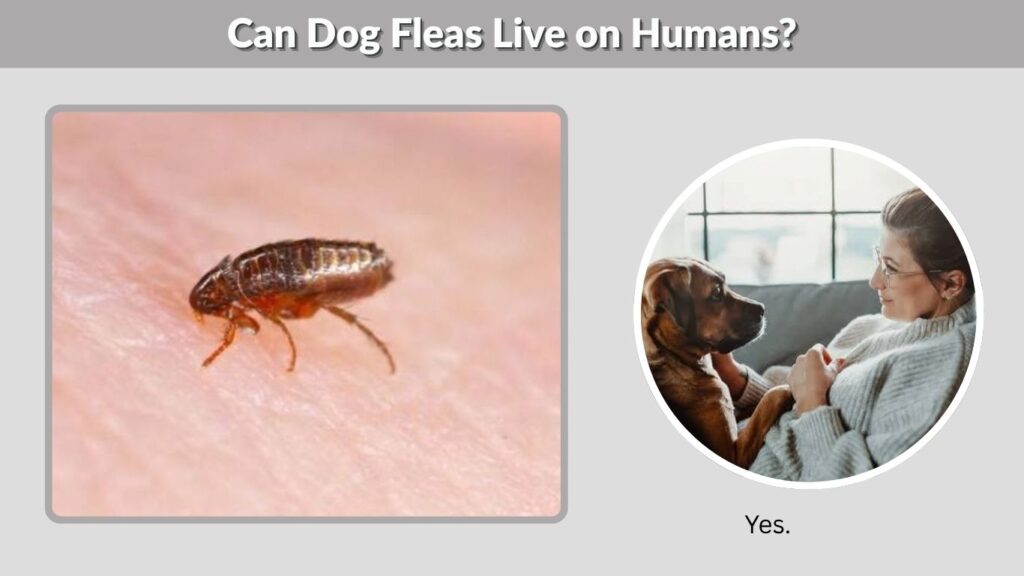
Dog fleas can bite humans, especially when an infested dog shares indoor spaces with family members. However, dogs are more suitable long-term hosts for these parasites than humans. It is also important to recognize that many fleas found on dogs are actually cat fleas, which readily infest both cats and dogs.
Can Dog Fleas Transfer to Humans?
Yes. Fleas can jump from an infested dog or its surroundings onto a person.
This commonly happens during pet handling or when people sit near contaminated bedding. Although fleas may bite humans, they usually do not remain attached like ticks.
Can Dog Fleas Live in Human Hair?
Dog fleas may occasionally become trapped in human hair, but they are not adapted to living there permanently.
Unlike head lice, fleas do not attach their eggs to human hair shafts. Finding insects repeatedly on the scalp may indicate another condition requiring identification.
Can Cat Fleas Live on Humans?
Cat fleas (Ctenocephalides felis) are among the most common flea species associated with household infestations. Despite their name, they infest both cats and dogs and may bite humans. When adult fleas or developing stages are present in the home, people may experience bites even without directly touching an infected animal.
Can Cat Fleas Bite Humans?
Yes. Cat fleas can bite people and cause small, itchy skin reactions.
Bites frequently occur around the ankles, legs, and other exposed areas. Individual reactions vary, and some people develop stronger redness or swelling than others.
Can Cat Fleas Survive Without Cats?
Adult fleas may survive temporarily without their preferred hosts, depending on their life stage and environmental conditions.
However, newly emerged adults generally require blood meals to survive and reproduce. Existing eggs, larvae, and pupae can continue developing in household environments.
Can Fleas Live in Human Hair or Clothing?
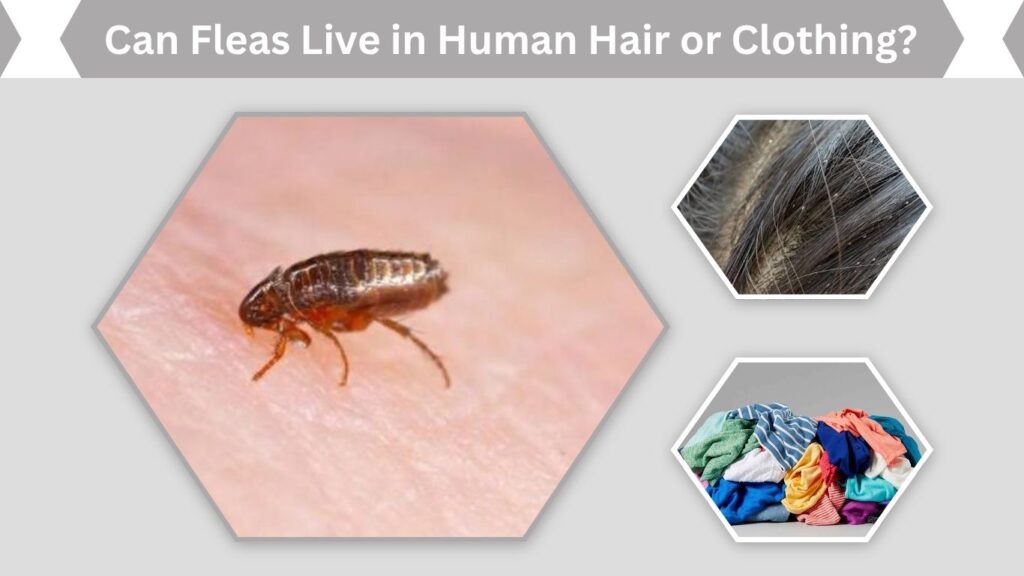
Fleas can occasionally be found in clothing or human hair, but these locations are not their preferred permanent habitats. They are adapted for jumping between surfaces and seeking suitable hosts. Unlike lice, fleas do not normally complete their life cycle attached to human hair. Understanding this distinction can help prevent unnecessary treatments.
Fleas in Human Hair
Fleas may jump onto a person’s head, but persistent scalp infestations are uncommon.
If you repeatedly notice crawling insects or eggs firmly attached to hair, consider having the insects identified rather than assuming they are fleas.
Fleas on Human Clothes
Fleas can temporarily hide in socks, trousers, and other clothing after exposure to infested environments.
Washing clothing and drying it according to fabric instructions can help remove fleas. Addressing the original infestation remains necessary to prevent repeated exposure.
How Long Can Fleas Live on Humans?
The length of time fleas remain associated with humans depends on the flea species, host availability, and surrounding conditions. Common pet fleas usually take blood meals rather than continuously living on people. Consequently, there is no reliable standard number of hours or days that every flea survives specifically on a human body.
Do Fleas Stay on Humans for Days?
Individual fleas may occasionally remain near or on a person temporarily, but common pet fleas generally favor animal hosts.
They can continue biting people when environmental flea populations are high. The duration of an infestation depends more on conditions in the home than on how long a flea stays on one person.
What Do Flea Bites Look Like on Humans?
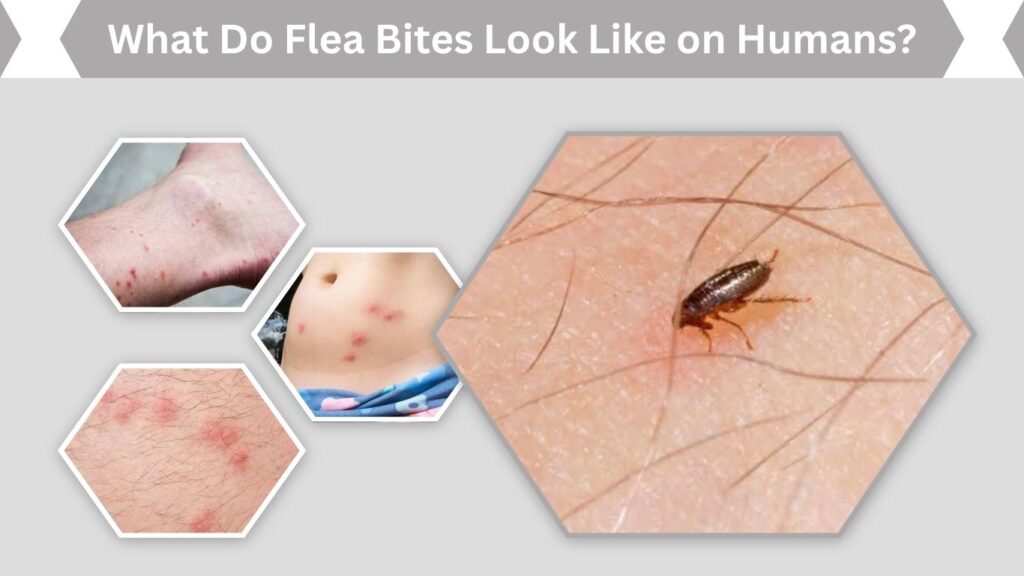
Flea bites often appear as small, itchy red bumps, sometimes grouped together on exposed skin. The ankles and lower legs are frequently affected because fleas jump from floors and carpets. However, bite appearance alone cannot confirm the responsible insect. Other pests and skin conditions may produce similar symptoms.
Common Signs of Flea Bites
- Small red bumps: Often surrounded by mild inflammation.
- Itching: Can range from minor irritation to intense discomfort.
- Grouped bites: Several bumps may appear close together.
- Lower-leg irritation: Ankles and feet are common locations.
- Swelling: Some people experience stronger allergic reactions.
- Scratched skin: Repeated scratching may cause secondary infection.
Are Flea Bites Dangerous?
Most flea bites cause temporary itching and irritation.
However, infected fleas can transmit certain diseases, depending on the flea species and geographic region. Seek medical attention for fever, spreading redness, pus, or unusual symptoms after exposure. Severe allergic reactions require emergency care.
Can Fleas Live in a House Without Pets?
Fleas can occur in homes even when no cats or dogs are present. Previous occupants, rodents, wildlife, or contaminated belongings may introduce fleas into the environment. Immature fleas can remain hidden in carpets, furniture, and floor cracks. Adult fleas may then emerge and bite people when suitable animal hosts are unavailable.
Where Fleas Hide Inside Homes
- Carpets: Eggs and larvae may accumulate between fibers.
- Furniture: Upholstery and crevices provide protected spaces.
- Bedding: Fleas can occur where infested animals have rested.
- Floor cracks: Immature stages may develop in sheltered gaps.
- Pet sleeping areas: Common sources of developing flea populations.
- Wildlife nesting areas: Rodents and other animals may introduce fleas.
How to Get Rid of Fleas Around Humans
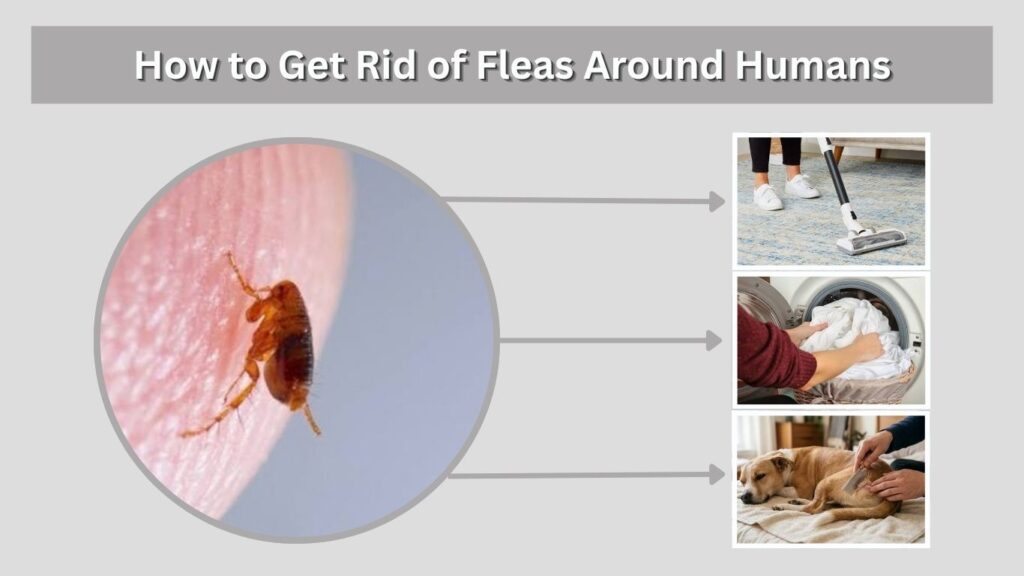
Eliminating fleas requires addressing their environmental life cycle rather than treating people as permanent hosts. Adult fleas may bite humans, but eggs, larvae, and pupae commonly develop away from the body. Effective control involves cleaning infested areas, protecting household animals, and monitoring for continued flea activity.
Effective Flea Control Methods
- Vacuum frequently: Clean carpets, rugs, upholstery, and floor edges.
- Wash bedding: Launder washable bedding and contaminated fabrics.
- Treat pets appropriately: Use veterinarian-recommended flea prevention.
- Inspect animal resting areas: Look for fleas and flea dirt.
- Address wildlife access: Safely exclude rodents and other animals where appropriate.
- Seek professional help: Consult a licensed pest control specialist for persistent infestations.
Should You Apply Flea Treatment to Human Skin?
Do not apply veterinary flea medications or household insecticides directly to human skin.
For itchy bites, gently wash the affected area and consider appropriate over-the-counter itch relief. Consult a healthcare professional if symptoms are severe or persistent.
How to Prevent Fleas From Biting Humans
Preventing flea bites involves reducing the number of fleas in the surrounding environment and limiting contact with infested animals. Consistent pet protection is especially important because cats and dogs provide suitable hosts for common household flea species. Environmental cleaning also helps interrupt the development of immature fleas.
Preventing Flea Bites at Home
Use veterinarian-approved flea protection for household pets and inspect their coats regularly.
Vacuum frequently, wash pet bedding, and monitor areas where animals rest. When visiting flea-infested environments, covering exposed legs and using appropriately labeled insect repellents can reduce bite exposure.
FAQs
1. Can Fleas Live on Humans Permanently?
Common cat and dog fleas do not normally establish permanent infestations on humans. They may bite people but generally prefer suitable animal hosts.
2. Can Fleas Live in Human Hair?
Fleas can occasionally enter human hair, but persistent infestations are uncommon. Unlike head lice, they do not normally attach eggs to hair shafts.
3. Can Dog Fleas Live on Humans Without Dogs?
Dog fleas may bite humans when dogs are absent, but people are generally not suitable long-term hosts. Fleas can remain in the environment until appropriate hosts become available.
4. How Long Can Fleas Survive on Humans?
There is no fixed survival period for fleas on human bodies. Common pet fleas usually feed temporarily, while their overall survival depends on species, environment, and access to suitable hosts.
5. Can Fleas Lay Eggs on Humans?
Common cat and dog fleas do not normally reproduce on human bodies. Their eggs are generally deposited while feeding on animal hosts and fall into surrounding environments.
