
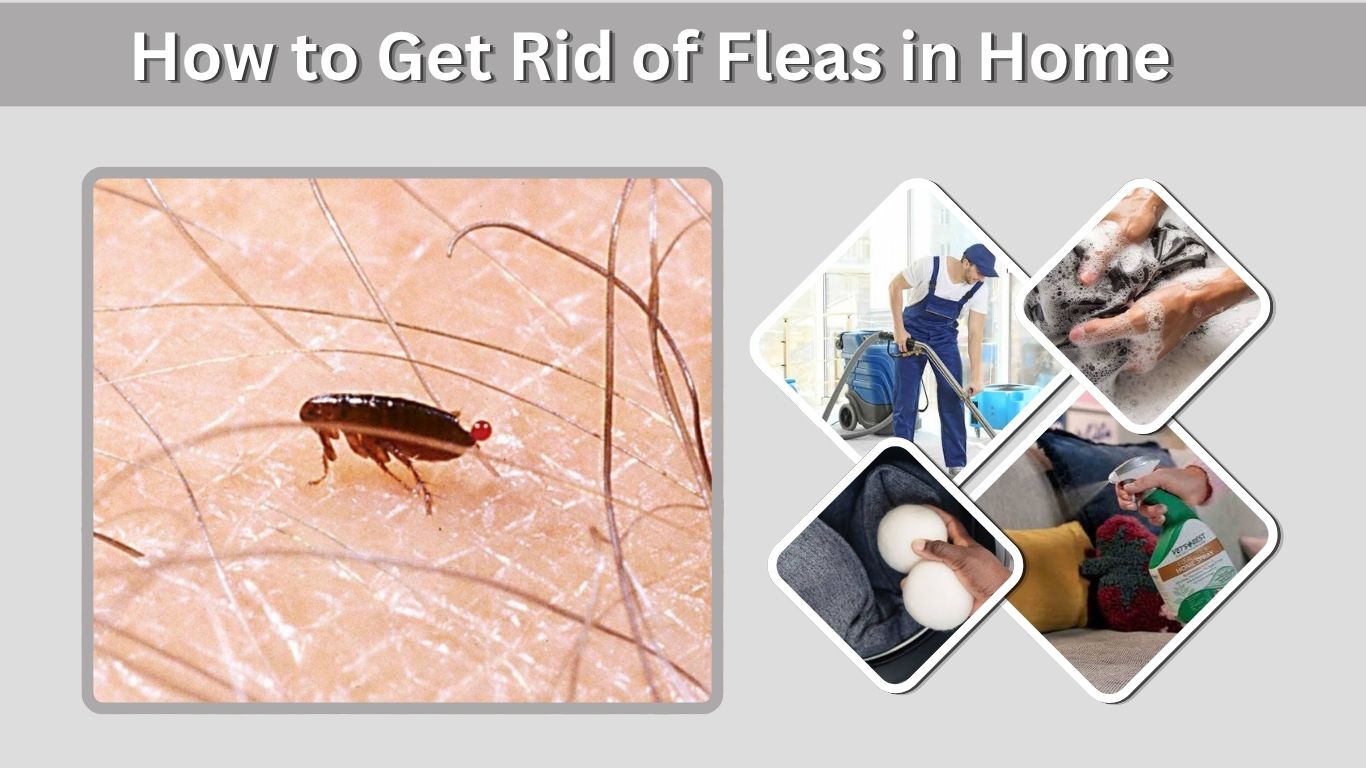
Fleas can quickly turn a comfortable home into an unpleasant place, causing itchy bites and making pets restless. These tiny insects hide in carpets, bedding, furniture, and floor cracks, making them difficult to eliminate completely. Fortunately, several effective methods can help control an infestation without relying entirely on harsh chemicals. Whether you have pets or not, learning how to get rid of fleas in your home can help you remove adult fleas, eliminate developing stages, and prevent future infestations.
How to Get Rid of Fleas in Your Home
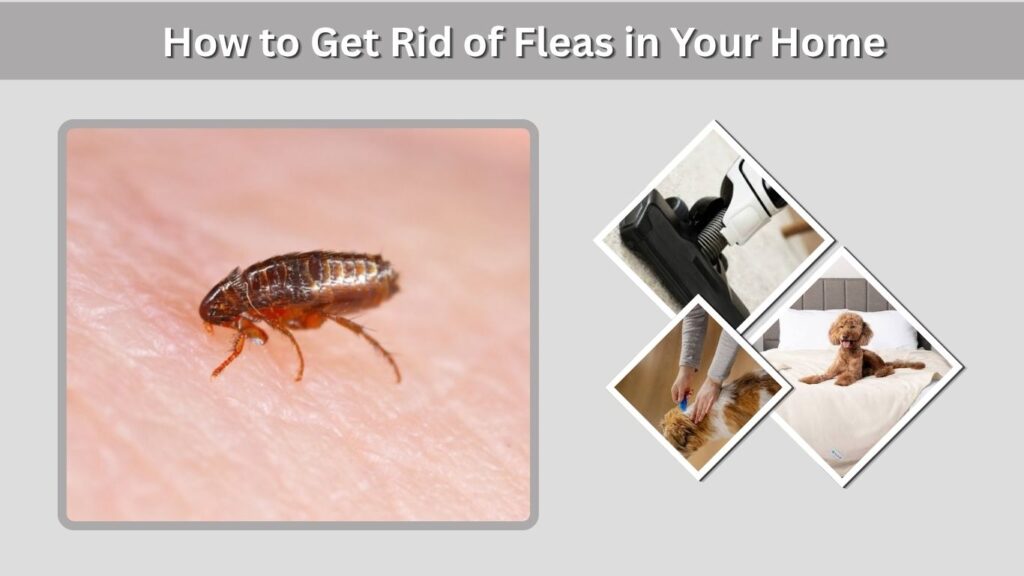
The best way to eliminate fleas is to combine regular cleaning, appropriate pet treatment, and targeted pest control when necessary. Fleas develop through four life stages: eggs, larvae, pupae, and adults. Removing only the visible adults will not stop the infestation because developing fleas can remain hidden around your home.
1. Vacuum Carpets and Floors Thoroughly
Vacuuming is one of the most effective initial steps for removing fleas from your home. It helps collect adult fleas, eggs, larvae, and the debris that developing fleas need for food.
Focus on carpet fibers, rugs, baseboards, upholstered furniture, and cracks between floorboards. Pay particular attention to places where pets sleep or spend time.
During an active infestation, vacuum daily. Move furniture when possible to reach hidden areas where fleas might develop.
After vacuuming, empty the dust container or seal the vacuum bag and dispose of its contents outside. Continue cleaning regularly, even when you no longer notice adult fleas.
2. Wash Bedding, Blankets, and Clothing
Fleas and their eggs can accumulate in bedding, blankets, removable furniture covers, and other washable fabrics.
Washing these materials removes fleas and organic debris that support their development. Use hot, soapy water when the fabric’s care instructions permit it.
Drying suitable items with heat can provide additional flea control.
For households with pets, wash bedding frequently during treatment. Remember to clean blankets, cushions, and other fabrics where animals regularly rest.
If heavily infested pet bedding cannot be cleaned thoroughly, replacing it may be the most practical solution.
3. Steam Clean Carpets and Upholstery
Steam cleaning can help eliminate fleas hiding deep within carpets and certain upholstered surfaces.
Heat and moisture, when applied correctly, can kill fleas at multiple life stages. Steam cleaning is particularly useful in areas where pets frequently sleep.
Before cleaning, check whether your carpet or furniture can safely tolerate steam treatment.
Move the equipment slowly enough to allow heat to penetrate the material, following the manufacturer’s instructions.
Let treated surfaces dry completely before allowing children or pets to use them. Remember that steam cleaning may not reach every protected flea cocoon, so follow-up vacuuming remains important.
4. Treat All Pets for Fleas
If you have cats or dogs, treating the animals is essential for eliminating fleas from the home.
Adult fleas feed on pets and produce eggs that fall into surrounding carpets, furniture, and bedding.
Use veterinarian-recommended flea treatments suitable for each animal’s species, age, weight, and health.
Flea combs can also help remove adult fleas from pets. Dip collected fleas into soapy water to prevent them from escaping.
Never use a flea product intended for dogs on cats. Some dog treatments contain ingredients that can cause life-threatening poisoning in cats.
Treat all susceptible household pets according to veterinary advice, ideally alongside your household cleaning program.
5. Use Targeted Flea Treatments When Necessary
Heavy infestations may require an insecticide labeled specifically for indoor flea control.
Some products contain insect growth regulators, such as pyriproxyfen or methoprene, that interrupt the development of immature fleas.
These treatments can be useful in carpets, floor cracks, and other locations where fleas develop, but insect growth regulators alone do not immediately kill every adult flea.
Always follow the product label, including restrictions involving children, pets, ventilation, and reentry.
Avoid automatically using flea bombs or total-release foggers. They may not reach fleas hidden deep inside carpets or furniture and can create unnecessary exposure risks.
A licensed pest-control professional can recommend appropriate treatment for severe infestations.
6. Clean Outdoor Areas Around Your Home
Fleas can enter your home from gardens, shaded yards, pet shelters, and places frequented by wildlife.
Outdoor flea larvae generally prefer protected, humid environments rather than exposed, sunny areas.
Keep grass trimmed, remove excessive garden debris, and clean outdoor areas where pets regularly rest.
Limit access by stray animals and wildlife, and avoid leaving pet food outdoors.
Outdoor insecticide treatment is not always necessary. If fleas remain a problem, focus on confirmed flea habitats and seek professional advice about products approved for outdoor use.
7. Repeat Cleaning and Monitor Flea Activity
Even after thorough treatment, fleas may continue appearing because adults can emerge from protected pupal cocoons.
Continue vacuuming, laundering bedding, and maintaining flea prevention for pets.
Check carpets, furniture, and animal resting areas for new fleas. A flea comb can help monitor whether the number of fleas on pets is decreasing.
If you use pesticides, follow the label’s retreatment instructions rather than applying extra treatments automatically.
Persistent infestations may require a professional inspection to identify overlooked breeding locations or untreated animal hosts.
How to Get Rid of Fleas in Your Home Naturally
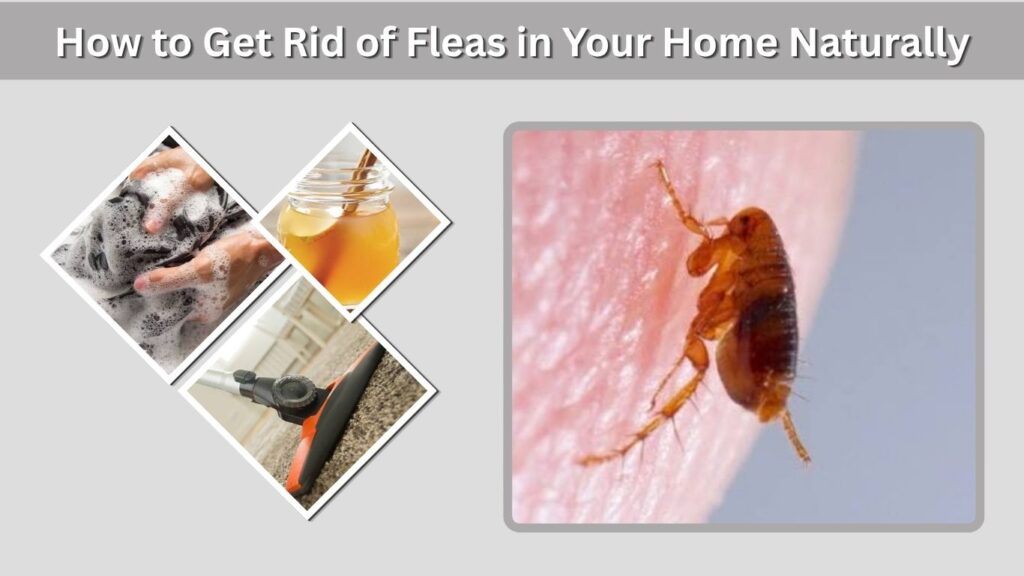
Natural flea control focuses primarily on physical removal and environmental management rather than chemical insecticides. These methods can reduce flea populations and are useful for ongoing prevention. However, significant infestations often require additional treatment, particularly when fleas are repeatedly reproducing on untreated pets.
Regular Vacuuming and Hot-Water Washing
Vacuuming and washing are among the most practical nonchemical approaches to flea control.
Vacuuming removes fleas and their food sources from carpets and furniture. Washing bedding in suitably hot water helps eliminate fleas hiding in washable materials.
These methods work best when repeated frequently and combined with appropriate treatment of infested pets.
Steam Cleaning and Flea Combing
Steam cleaning can help kill fleas in accessible carpet and upholstery areas without applying an insecticide.
A fine-toothed flea comb is useful for physically removing adult fleas from pets.
However, neither method guarantees that every flea egg, larva, or cocoon has been removed.
Home Remedies to Avoid
Some popular remedies, including vinegar, baking soda, salt, and essential oils, are promoted online as natural flea treatments.
However, there is insufficient reliable evidence that these methods alone can eliminate an established household infestation.
Essential oils such as tea tree oil can also be toxic to pets, particularly cats. Garlic-based remedies are unsafe for pets as well.
For reliable results, prioritize cleaning and veterinarian-approved flea management.
How to Get Rid of Fleas in a Home Without Pets
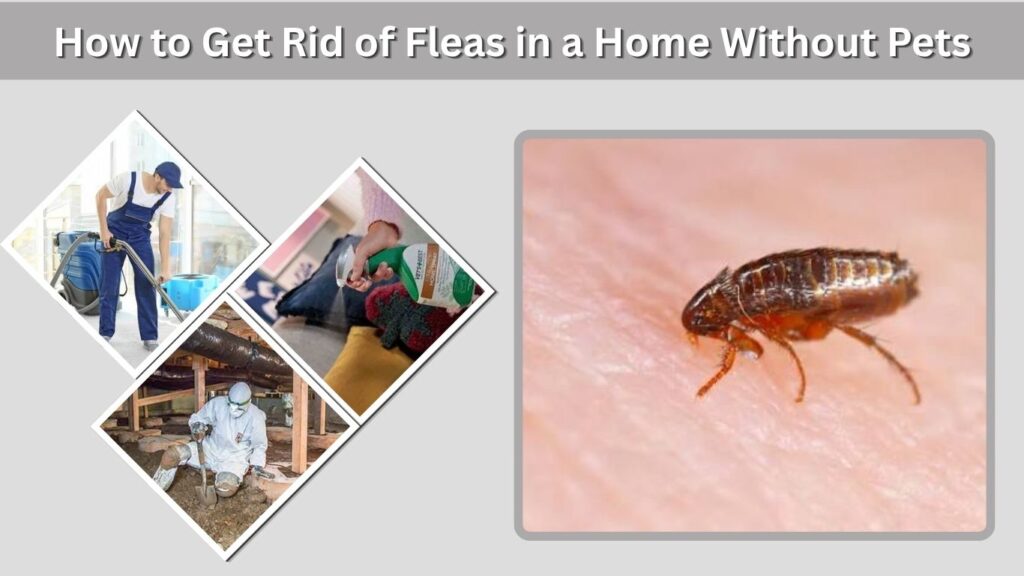
Finding fleas indoors does not necessarily mean you have a cat or dog. Previous occupants, rodents, stray animals, or wildlife living around the property may introduce fleas.
Inspect carpets, furniture, crawl spaces, and other protected locations for signs of infestation. Look for animal activity around attics, wall openings, and foundations.
Vacuum regularly, wash potentially infested fabrics, and consider targeted pest-control treatment if flea activity continues.
If rodents or wildlife are present, arrange for safe removal and exclusion. Addressing the animal source is important because fleas may continue entering the property otherwise.
How Long Does It Take to Get Rid of Fleas in Your Home?
Flea elimination can take several weeks, while moderate or severe infestations may require months of coordinated treatment.
The timeline depends on the number of fleas, environmental conditions, available hosts, and whether developing stages remain protected.
| Infestation Level | Expected Treatment Timeline |
| Light infestation | May improve substantially within 1–2 weeks |
| Moderate infestation | Often requires several weeks |
| Severe infestation | May take several months |
These are general estimates, not guaranteed elimination periods.
Getting rid of every flea overnight is unlikely, because pupae can survive treatments and emerge later.
How to Prevent Fleas from Returning
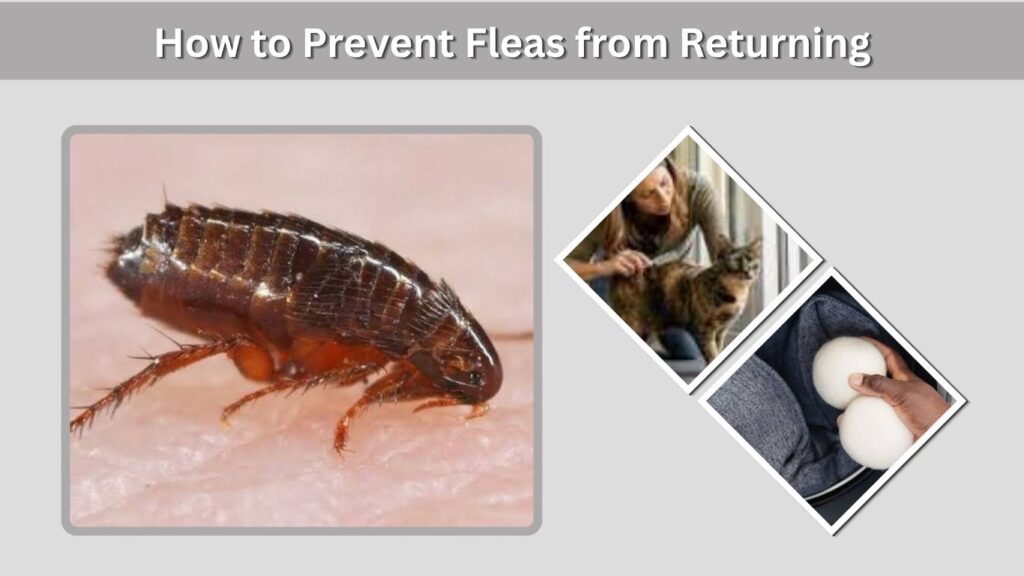
Preventing another infestation requires consistent attention to pets and household hygiene.
- Maintain pet protection: Use veterinarian-recommended flea prevention as directed.
- Vacuum regularly: Clean carpets, rugs, furniture, and pet resting areas.
- Wash pet bedding: Remove flea eggs and accumulated organic debris.
- Inspect pets: Check for adult fleas and flea dirt with a flea comb.
- Limit animal access: Discourage rodents, stray animals, and wildlife from entering your property.
Maintaining these habits reduces the chances of fleas establishing another breeding population.
FAQs
1. How Do I Get Rid of Fleas in My Home Fast?
Start by vacuuming carpets and furniture, washing bedding, and treating all household pets with appropriate flea products. Steam cleaning can provide additional control. However, eliminating a complete infestation usually requires repeated cleaning over several weeks.
2. Can I Get Rid of Fleas in My Home Without Chemicals?
Nonchemical methods such as vacuuming, laundering, steam cleaning, and flea combing can substantially reduce flea numbers. However, established infestations may require veterinarian-approved pet treatments or targeted insecticides to achieve complete control.
3. How Do I Get Rid of Flea Eggs in My Home?
Vacuum carpets, upholstery, floor cracks, and pet resting areas thoroughly. Wash potentially infested bedding and fabrics. Repeated cleaning helps remove eggs before they hatch and develop into adult fleas.
4. Can Fleas Live in a House Without Pets?
Yes. Fleas may originate from rodents, wildlife, previous occupants’ pets, or other infested animals. Developing fleas can also remain hidden in carpets and furniture after the original animal host has disappeared.
5. What Is the Most Effective Way to Permanently Get Rid of Fleas?
The most effective approach combines ongoing pet flea prevention, thorough household cleaning, removal of animal infestation sources, and targeted pest-control treatment when necessary. Continued monitoring is essential because flea pupae may survive initial treatments.
