
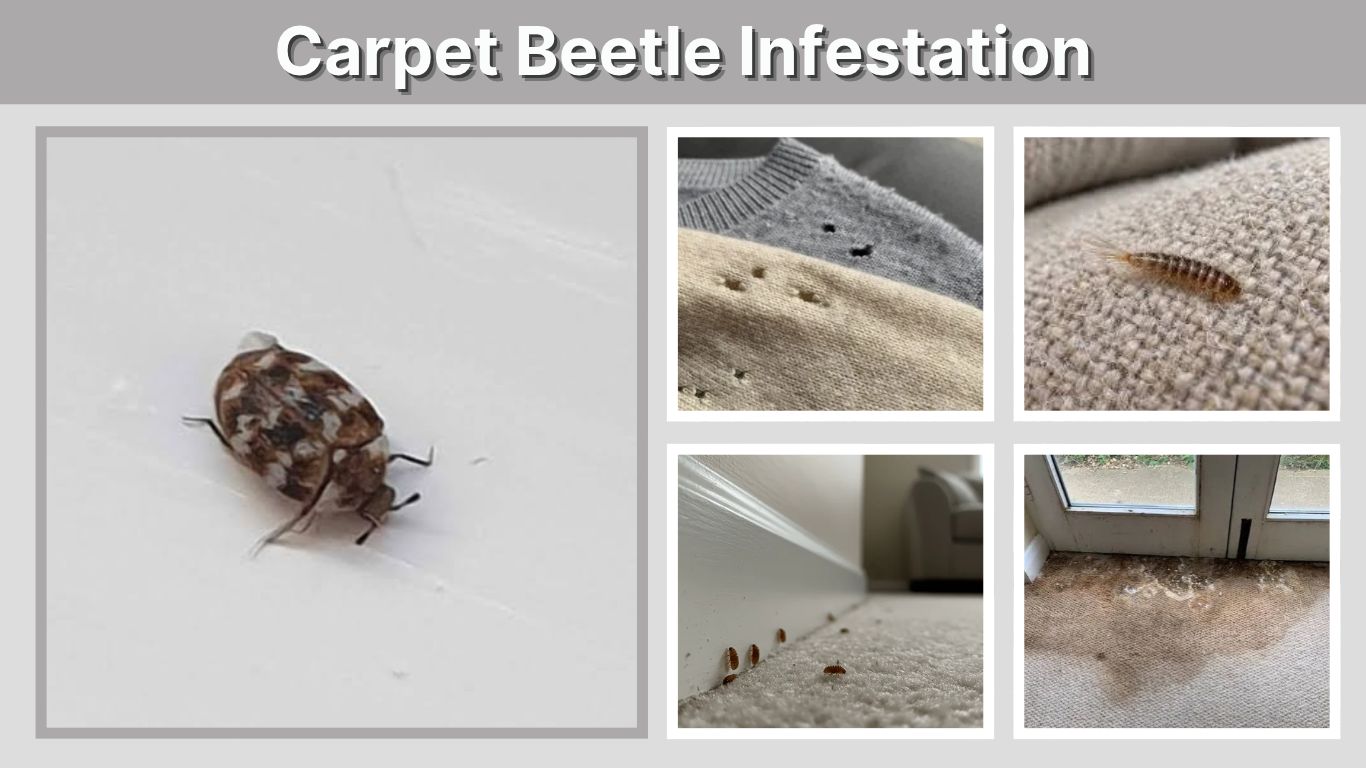
A carpet beetle infestation can become a frustrating household problem, especially when these tiny insects begin damaging clothing, carpets, and furniture. Although adult carpet beetles appear harmless, their larvae feed on natural fibers and often remain hidden for long periods. Many homeowners struggle to identify the early signs or determine how many beetles indicate a serious infestation. Fortunately, most carpet beetle problems can be controlled through proper cleaning, inspection, and prevention. This guide explains what causes carpet beetle infestations, how to recognize them, and the best treatment methods for your home.
What Is a Carpet Beetle Infestation?
A carpet beetle infestation occurs when these insects reproduce indoors and their larvae develop around suitable food sources. Carpet beetles belong to the family Dermestidae, which includes several species capable of damaging natural fabrics. Their larvae feed on wool, fur, feathers, and accumulated organic debris. Infestations often begin in dark, undisturbed household areas.
How Does a Carpet Beetle Infestation Start?
Adult carpet beetles can enter through open windows, doors, or ventilation gaps. They may also arrive on flowers or infested household materials.
Once indoors, females deposit eggs near suitable food sources. The emerging larvae begin feeding and may remain hidden for months, allowing the infestation to develop unnoticed.
Signs of Carpet Beetle Infestation
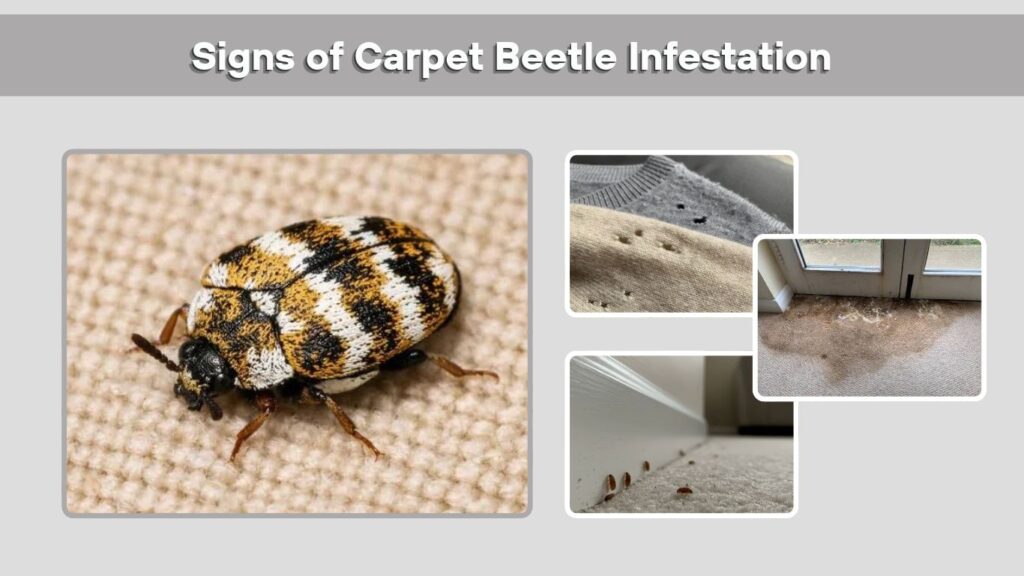
Recognizing carpet beetle infestation signs early can help prevent significant damage. Unlike many household pests, carpet beetles rarely gather in obvious locations. Their larvae hide beneath furniture, along carpet edges, and inside closets. Homeowners often discover the infestation after noticing damaged fabrics or discarded larval skins.
Common Warning Signs
Watch for these signs of a carpet beetle infestation:
- Small, irregular holes in wool clothing.
- Brown, hairy larvae beneath furniture.
- Shed larval skins near baseboards.
- Adult beetles gathering around windows.
- Damaged carpet edges and upholstery.
- Fine, powdery debris near infested fabrics.
What Does a Carpet Beetle Infestation Look Like?
Carpet beetle larvae are small, elongated insects covered with bristly hairs. Depending on the species, they may appear brown, tan, or striped.
Finding multiple larvae together with shed skins and damaged materials is strong evidence of an established infestation.
How Many Carpet Beetles Is an Infestation?
There is no specific number of carpet beetles that automatically confirms an infestation. The important factors are whether larvae are developing indoors, whether food sources are present, and whether damage is occurring. Several adult beetles near windows may simply have entered from outdoors, while a few larvae around damaged fabrics can indicate breeding activity.
Does Finding One Carpet Beetle Mean Infestation?
No, finding one adult carpet beetle does not necessarily mean your home is infested.
Adults frequently fly indoors, particularly during warmer months. However, repeated sightings should encourage further inspection.
Does One Carpet Beetle Larva Mean Infestation?
One larva indicates that at least one carpet beetle has developed nearby, but it does not establish the size of an infestation.
Inspect surrounding fabrics, carpets, and storage spaces for additional larvae, shed skins, or feeding damage.
What Causes a Carpet Beetle Infestation?
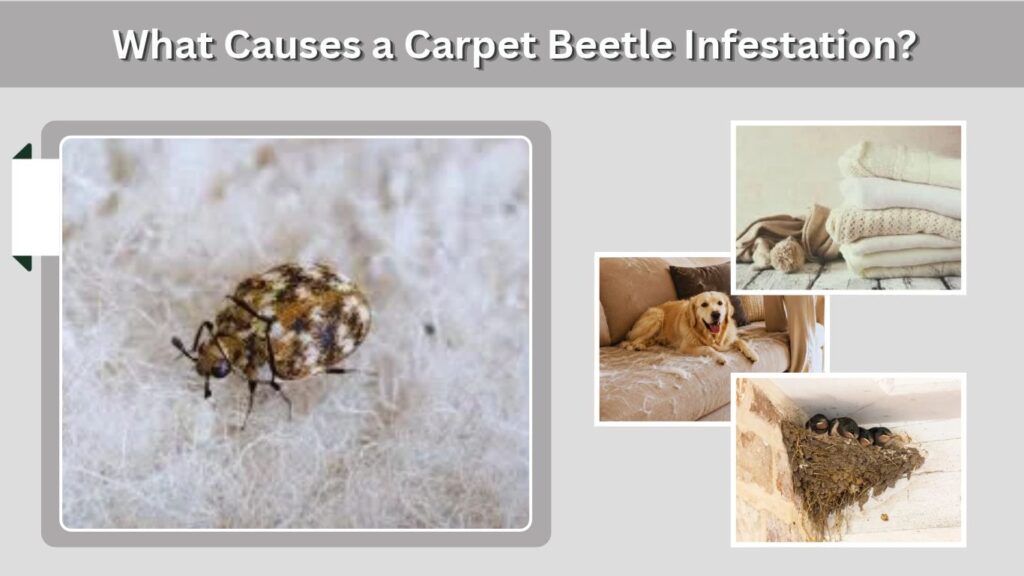
Carpet beetle infestations develop when adults gain access to suitable environments containing larval food sources. Accumulated pet hair, lint, dead insects, and natural fibers provide nourishment. Undisturbed closets, stored textiles, and furniture create favorable conditions for larvae to develop without attracting attention.
Common Causes of Carpet Beetles
Several household conditions may encourage infestations:
- Accumulated pet hair beneath furniture.
- Stored wool clothing and blankets.
- Dead insects inside walls or attics.
- Bird nests near roof openings.
- Infested secondhand furniture.
- Dirty carpets and neglected storage areas.
Why Do Carpet Beetles Keep Returning?
Recurring infestations usually indicate that an overlooked food source remains available.
Cleaning visible beetles without removing larvae or infested materials may provide only temporary relief. Finding the original source is essential for long-term control.
Where Do Carpet Beetles Infest Homes?
Carpet beetles can develop in many areas of a home, particularly where natural materials and organic debris accumulate. Their larvae prefer dark environments with minimal disturbance. Bedrooms, closets, upholstered furniture, and storage spaces are common locations, although infestations may also develop inside vehicles.
Carpet Beetle Infestation in Mattresses and Beds
Carpet beetles may occur in mattresses containing wool, feathers, or animal hair. They can also feed on organic debris around bed frames.
Unlike bed bugs, carpet beetles do not feed on human blood. Inspect mattress seams, surrounding carpeting, and nearby furniture if larvae are discovered.
Carpet Beetle Infestation in Cars
A carpet beetle infestation in a car may develop around accumulated pet hair, food debris, or natural-fiber upholstery.
Vacuum the seats, floor mats, trunk, and hidden crevices thoroughly. Check stored blankets and other fabrics for signs of larvae.
How to Get Rid of a Carpet Beetle Infestation
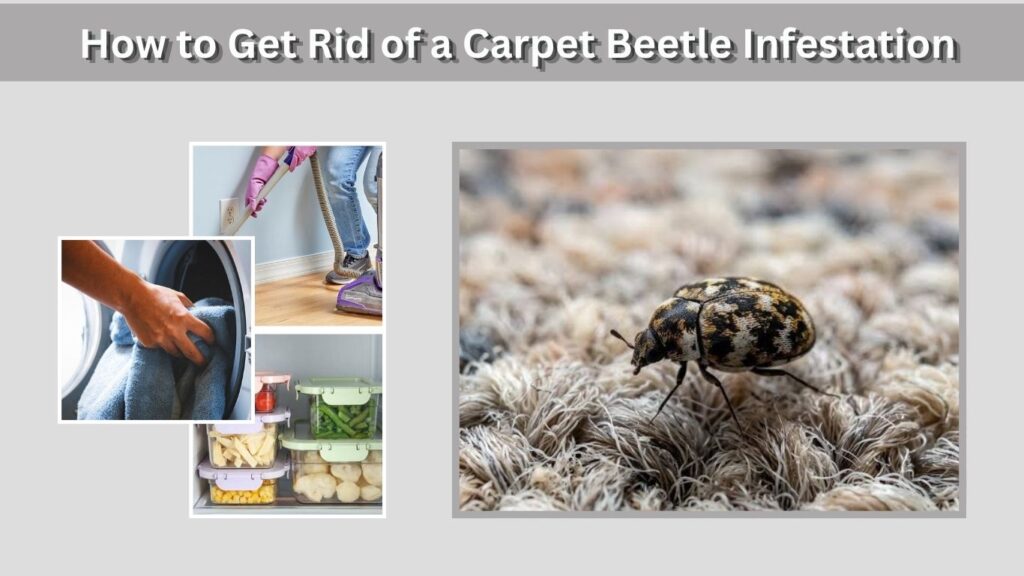
Successful carpet beetle infestation treatment begins with locating the source and eliminating conditions that support larval development. Vacuuming, laundering, and removing heavily infested materials are often effective. Chemical treatments may be appropriate for persistent problems, but they should not replace cleaning and source removal.
Effective Carpet Beetle Infestation Treatment
Follow these steps to reduce an infestation:
- Inspect affected areas: Examine closets, carpets, furniture, and storage boxes.
- Vacuum thoroughly: Clean baseboards, carpet edges, upholstery, and hidden corners.
- Wash infested fabrics: Use hot water when permitted by fabric care labels.
- Dry-clean delicate items: Professional cleaning can eliminate insects from suitable textiles.
- Remove food sources: Clear lint, pet hair, dead insects, and contaminated debris.
- Discard heavily infested items: Remove materials that cannot be adequately cleaned.
- Store cleaned clothing: Use airtight containers to protect natural fabrics.
Empty the vacuum outside and dispose of collected debris securely.
Do Carpet Beetle Sprays Work?
Insecticides labeled for carpet beetles may help control persistent infestations when applied to appropriate cracks and crevices.
However, pesticides cannot reliably eliminate an infestation while hidden food sources remain. Never spray clothing, bedding, or mattresses unless the product explicitly permits that specific use. Professional treatment may be necessary for inaccessible infestations.
How Long Does a Carpet Beetle Infestation Last?
A carpet beetle infestation can persist for months or longer when larvae have access to suitable food sources. Development time varies according to species, temperature, and available nutrition. Because larvae often remain hidden, homeowners may mistakenly assume the infestation has disappeared after adult beetles are no longer visible.
Can Carpet Beetle Infestations Go Away Naturally?
An infestation may eventually decline if suitable food sources disappear. However, waiting is unreliable because larvae can survive in concealed materials for extended periods.
Removing infested materials and cleaning thoroughly usually provides a faster, more dependable solution.
When Is an Infestation Severe?
A severe infestation may involve larvae appearing in multiple rooms, widespread fabric damage, or recurring activity after cleaning.
If the source cannot be located or the infestation persists, professional pest inspection and treatment may be appropriate.
How to Prevent Carpet Beetle Infestations
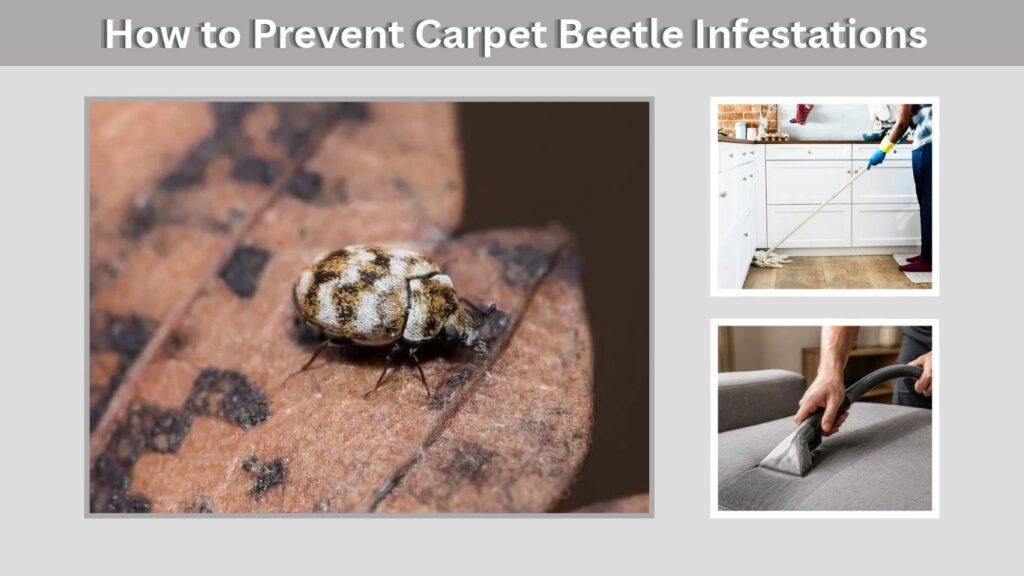
Preventing carpet beetles involves reducing food sources and limiting access to suitable breeding environments. Regular cleaning protects clothing and furnishings while allowing early detection of pest activity. Proper storage is particularly important for wool, fur, feathers, and other animal-based materials.
Keep Your Home Clean
Vacuum carpets, upholstery, and hidden spaces regularly. Remove pet hair, lint, and dead insects before they accumulate.
Inspect closets, attics, and storage areas periodically. Seal damaged window screens and gaps that allow adult beetles to enter.
Store Natural Fabrics Safely
Wash or dry-clean seasonal clothing before storing it. Use sealed bags or airtight containers for wool sweaters, blankets, and delicate textiles.
Avoid placing dirty clothing in long-term storage because stains and organic residues can encourage fabric pest activity.
FAQs
1. Are Carpet Beetle Infestations Common?
Carpet beetles are relatively common household insects. Adults may enter homes through windows or arrive on flowers and household materials. However, seeing a few adults does not automatically indicate an established infestation. Larvae and fabric damage are stronger indicators.
2. Can Carpet Beetles Infest Humans?
No, carpet beetles do not live on or reproduce in humans. Their larvae may cause skin irritation through contact with tiny hairs, but they do not feed on human blood or behave like parasites.
3. Is a Carpet Beetle Infestation Dangerous?
Carpet beetle infestations are generally not medically dangerous, although larval hairs may cause allergic irritation in sensitive individuals. Their primary threat is household damage, particularly to clothing, wool carpets, upholstered furniture, and stored animal-based materials.
4. Can You Have Carpet Beetle Larvae Without Adults?
Yes, larvae may be present even when adult carpet beetles are not visible. Adults can leave an area after laying eggs, while larvae remain concealed near food sources. Inspecting fabrics and hidden spaces is essential.
5. What Is the Best Treatment for Carpet Beetle Infestations?
The most effective approach combines finding the infestation source, thorough vacuuming, laundering affected fabrics, and removing contaminated materials. Persistent infestations may require professional pest control, particularly when larvae are developing inside inaccessible wall spaces.
