
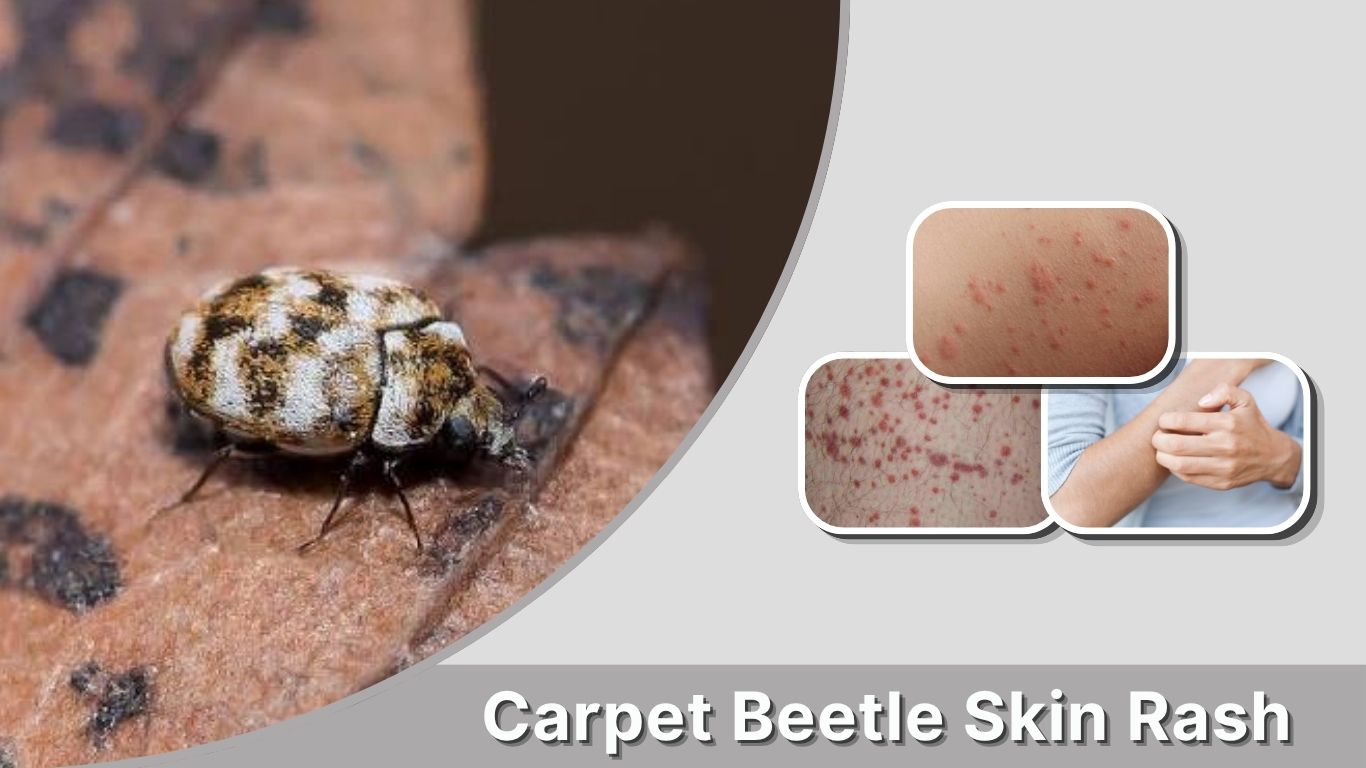
A carpet beetle skin rash can develop when sensitive individuals come into contact with the tiny hairs covering carpet beetle larvae. Although carpet beetles do not bite humans, their larvae can trigger itchy bumps, redness, and allergic skin irritation. These reactions are sometimes confused with bed bug bites, making identification difficult. Fortunately, most mild reactions can be managed with basic skin care and by removing the source of exposure. Understanding carpet beetle rash symptoms, causes, treatment options, and prevention methods can help protect your skin and reduce recurring irritation.
What Is a Carpet Beetle Skin Rash?
A carpet beetle skin rash is an inflammatory reaction associated with exposure to the microscopic hairs of carpet beetle larvae. This condition, sometimes called carpet beetle dermatitis, affects certain sensitive individuals. The reaction may develop after contact with contaminated clothing, bedding, carpets, or furniture where larvae have been living.
How Do Carpet Beetles Cause Skin Rashes?
Carpet beetle larvae have tiny, stiff hairs that can detach from their bodies. These hairs may irritate the skin or trigger a hypersensitivity reaction.
When the hairs come into contact with sensitive skin, redness, itching, and small bumps may develop.
Do Adult Carpet Beetles Cause Rashes?
Adult carpet beetles are not usually responsible for skin rashes. They primarily feed on pollen and nectar rather than human blood.
Most documented skin reactions involve contact with larvae, their shed hairs, or discarded larval skins.
What Does a Carpet Beetle Rash Look Like?
A carpet beetle rash on skin may resemble other allergic reactions or insect bites. The affected areas often develop itchy, raised bumps that can appear individually or in groups. However, the appearance varies among individuals, and a rash alone cannot confirm carpet beetle exposure.
Common Carpet Beetle Rash Symptoms
Possible symptoms include:
- Small, raised bumps or papules.
- Red, pink, or darker discolored patches.
- Persistent itching or irritation.
- Occasional tiny blisters.
- Localized inflammation or swelling.
- Repeated outbreaks after exposure.
Where Does the Rash Appear?
Carpet beetle dermatitis may appear on the arms, legs, neck, abdomen, or other exposed areas.
The location depends on where irritating hairs contact the skin. Reactions may develop after handling contaminated clothing, sitting on infested furniture, or sleeping near affected materials.
Why Do Carpet Beetle Larvae Cause Skin Irritation?
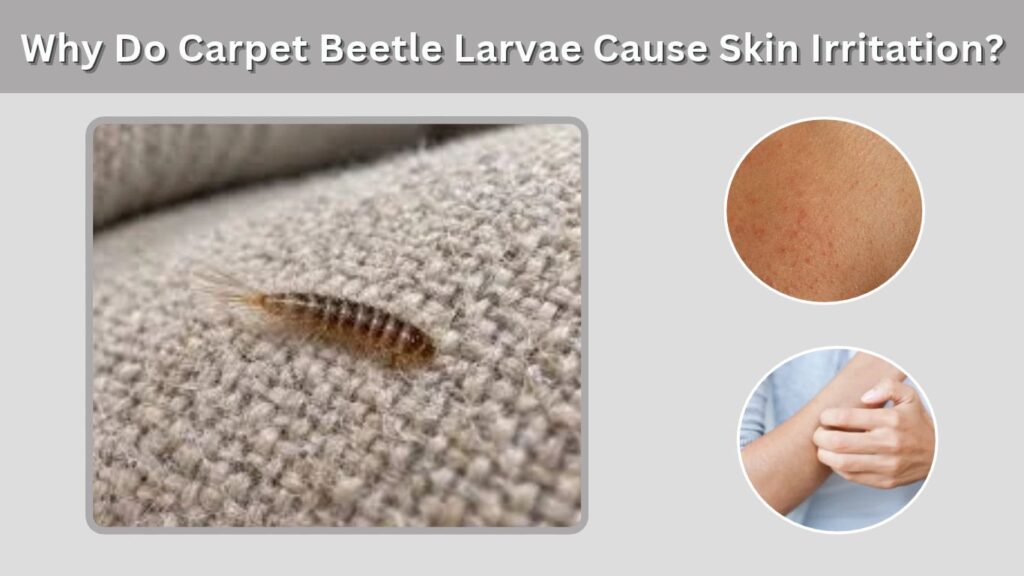
Carpet beetle larvae are the primary source of skin irritation associated with these insects. Unlike adults, larvae have dense coverings of specialized hairs that help protect them from predators. Some hairs can become detached and accumulate in household dust, carpets, bedding, or clothing.
Can Carpet Beetle Larvae Cause Allergies?
Yes, susceptible individuals may develop allergic skin reactions after exposure to larval hairs.
Research has documented itchy, inflammatory eruptions associated with carpet beetle larvae. However, not everyone exposed develops symptoms, and sensitivity can differ significantly between household members.
Are Carpet Beetle Larvae Poisonous?
Carpet beetle larvae are not poisonous or venomous. They do not inject toxins through bites or stings.
Their hairs can irritate the skin, but this reaction is different from poisoning. Washing exposed skin helps remove potential irritants.
Carpet Beetle Rash vs. Bed Bug Bites
Carpet beetle dermatitis is frequently mistaken for bed bug bites because both can produce itchy bumps. However, the causes are different. Bed bugs feed directly on human blood, while carpet beetles cause irritation through larval hairs. Distinguishing them requires examining the environment rather than relying only on skin symptoms.
How Are Carpet Beetle Rashes Different?
Carpet beetle rashes result from exposure to irritating hairs, not insect bites. They may occur wherever contaminated fabrics or airborne hairs contact sensitive skin.
Bed bug reactions develop after actual bites, often during sleep. However, their skin symptoms may overlap considerably.
How Can You Tell Which Pest Is Responsible?
Inspect carpets, closets, mattresses, and surrounding furniture.
Carpet beetle evidence includes hairy larvae, shed larval skins, and damage to animal-based fabrics. Bed bug evidence includes living bugs, shed exoskeletons, and dark fecal spots near sleeping areas.
A dermatologist can help determine the cause of an unexplained rash.
How to Treat a Carpet Beetle Skin Rash
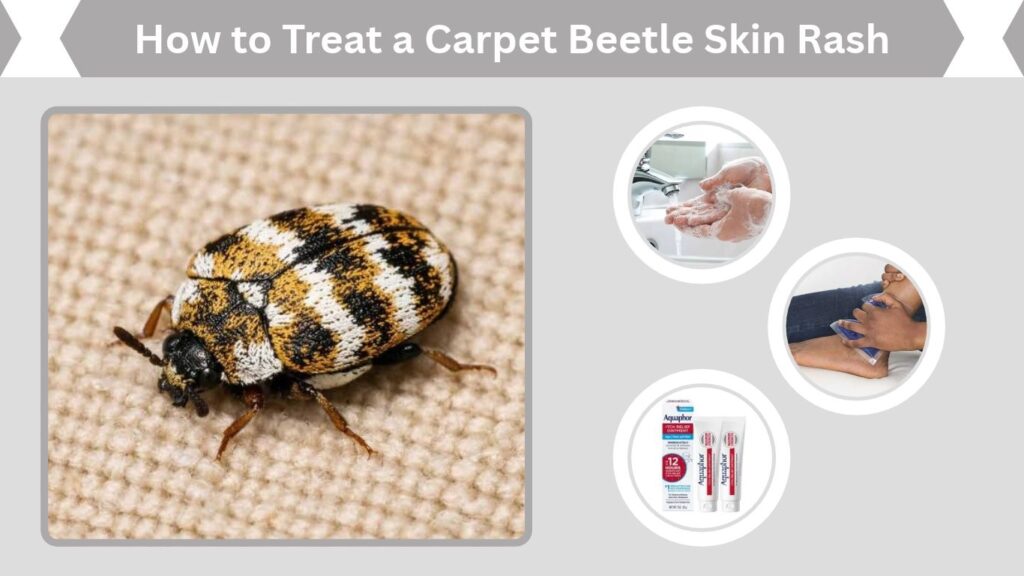
Treating a suspected carpet beetle rash involves relieving inflammation while preventing further contact with irritating hairs. Most mild reactions improve with appropriate skin care, although recurring exposure can prolong symptoms. Because other skin conditions may look similar, seek medical advice when the cause is uncertain or symptoms persist.
Home Remedies for Carpet Beetle Rash
Helpful measures include:
- Wash the skin: Gently clean affected areas with mild soap and water.
- Apply cool compresses: Use a cool, damp cloth to reduce itching.
- Use fragrance-free moisturizer: Protect irritated skin from dryness.
- Consider anti-itch products: Calamine lotion or 1% hydrocortisone may help when appropriate.
- Avoid scratching: Scratching can worsen inflammation and increase infection risk.
Follow medication labels and ask a healthcare professional before using medicated creams on young children or sensitive areas.
Can Antihistamines Help?
Antihistamines may relieve some allergy-related itching, although they do not eliminate the underlying exposure.
A pharmacist or healthcare professional can recommend whether an antihistamine is appropriate based on age, medical conditions, and other medications.
How Long Does a Carpet Beetle Skin Rash Last?
The duration of carpet beetle dermatitis varies depending on individual sensitivity, reaction severity, and continuing exposure. In published case reports, some individual itchy bumps lasted approximately one week. However, new eruptions can continue when larval hairs remain in the surrounding environment.
Does Carpet Beetle Rash Go Away Naturally?
Mild reactions may gradually improve after contact with the irritant stops.
Cleaning contaminated fabrics, vacuuming infested areas, and removing larvae can help prevent recurring exposure. Persistent irritation should not automatically be attributed to carpet beetles.
Can Carpet Beetle Rashes Keep Coming Back?
Yes, repeated contact with larval hairs may cause additional episodes.
If new bumps appear after cleaning, inspect hidden areas for larvae and discarded skins. Other causes, including eczema, contact allergies, scabies, or biting insects, should also be considered.
How to Prevent Carpet Beetle Skin Rashes
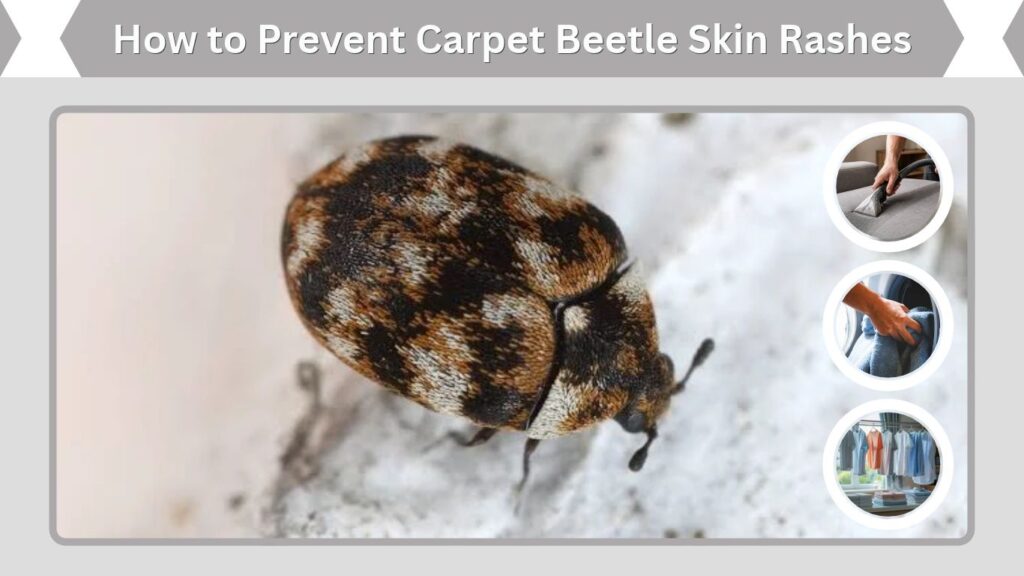
Preventing carpet beetle dermatitis requires removing larvae and their irritating hairs from the home. Carpet beetles often develop in undisturbed areas containing wool, feathers, animal hair, and organic debris. Regular cleaning and proper fabric storage can reduce potential exposure.
Remove Carpet Beetles From Your Home
Useful preventive measures include:
- Vacuum carpets, furniture, and baseboards thoroughly.
- Wash affected bedding and clothing according to care labels.
- Remove accumulated pet hair and lint.
- Inspect closets and stored wool fabrics.
- Dispose of heavily infested materials when necessary.
- Store cleaned natural fabrics in sealed containers.
Keep Bedding and Clothing Clean
Regularly wash bedding and inspect mattresses, blankets, and nearby carpets for larval activity.
Avoid applying insecticides directly to bedding, clothing, or mattresses unless the product specifically permits that use.
When Should You See a Doctor?
Although carpet beetle dermatitis is generally not serious, unexplained skin rashes should be evaluated when symptoms worsen or fail to improve. Other conditions can produce similar appearances, so proper diagnosis is important before assuming carpet beetles are responsible.
Warning Signs That Need Medical Attention
Seek medical advice if you experience:
- A rash that spreads rapidly.
- Severe pain or significant blistering.
- Fever or other signs of illness.
- Pus, warmth, or increasing tenderness.
- Persistent itching despite appropriate care.
Difficulty breathing or swelling of the lips, tongue, or throat requires emergency medical attention.
Can Carpet Beetle Rash Become Infected?
Carpet beetle dermatitis does not directly cause a bacterial infection. However, repeated scratching can damage the skin, allowing bacteria to enter.
A healthcare professional can assess possible infection and recommend appropriate treatment.
FAQs
1. Can Carpet Beetles Cause a Rash Without Biting?
Yes, carpet beetles can cause skin irritation without biting. Their larvae have microscopic hairs that may trigger allergic or inflammatory reactions in sensitive individuals. These reactions can resemble insect bites despite the absence of actual biting.
2. Is Carpet Beetle Skin Rash Contagious?
No, carpet beetle dermatitis is not contagious. It cannot spread directly between people through ordinary contact. However, multiple household members may develop similar symptoms when exposed to the same irritating larval hairs.
3. Can Carpet Beetle Larvae Cause a Rash on Your Face?
Carpet beetle larval hairs may irritate facial skin if exposure occurs. However, facial rashes have many possible causes. Persistent redness, swelling, or unexplained irritation should be evaluated by a healthcare professional.
4. Can Carpet Beetle Rashes Affect Children?
Yes, children can develop carpet beetle dermatitis after exposure to larval hairs. However, not every rash in a home containing carpet beetles is caused by them. Consult a pediatrician for persistent or unexplained symptoms.
5. What Is the Fastest Way to Stop a Carpet Beetle Rash?
The most important step is eliminating further exposure to larval hairs. Gentle washing, cool compresses, and appropriate anti-itch treatments may relieve discomfort. Cleaning infested fabrics and surrounding areas helps reduce the risk of additional reactions.
