
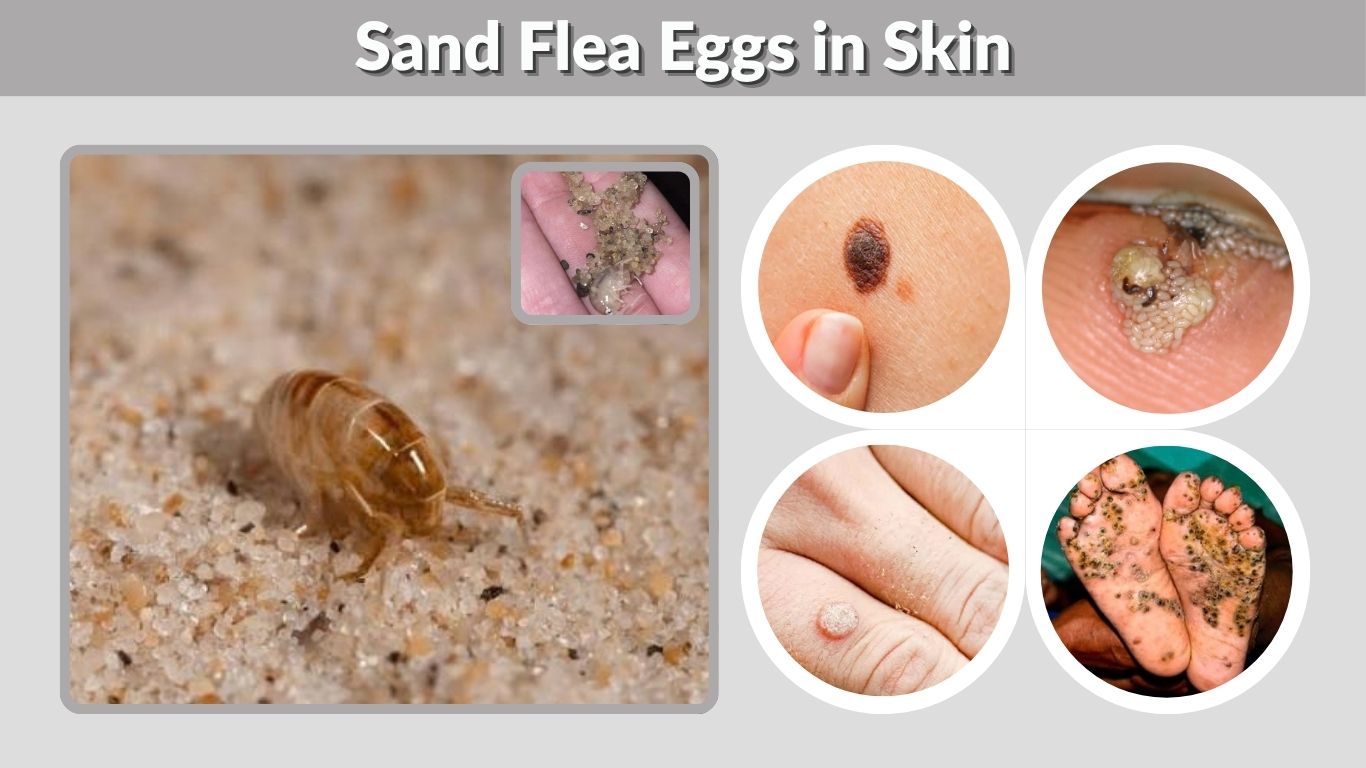
Sand Flea Eggs in Skin: Symptoms, Removal & Treatment
Sand flea eggs in skin usually refers to tungiasis, a parasitic skin condition caused by the female chigoe flea (Tunga penetrans). Contrary to a common … Read More
Sand flea eggs in skin usually refers to tungiasis, a parasitic skin condition caused by the female chigoe flea (Tunga penetrans). Contrary to a common … Read More
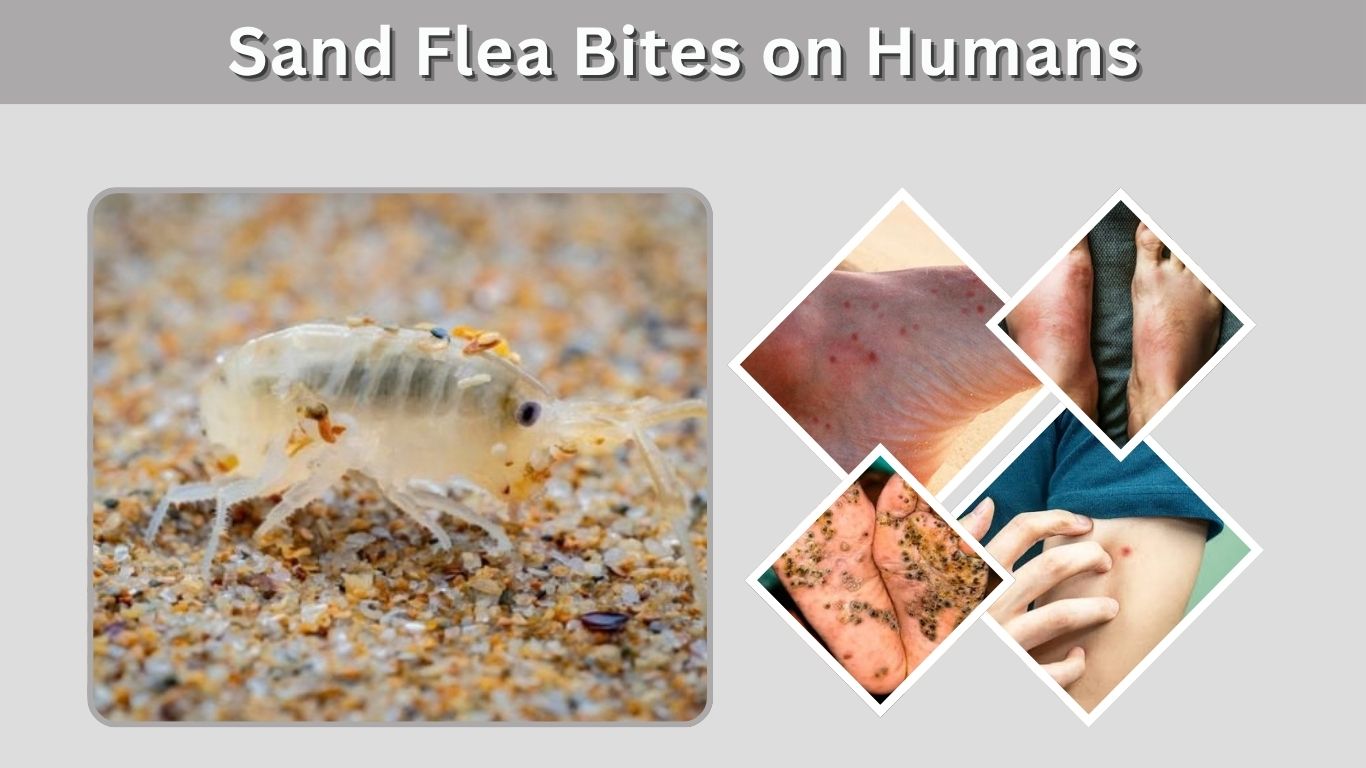
Sand flea bites on humans can cause itchy, red, swollen skin, particularly around the feet, ankles, and lower legs. However, the term “sand flea” is … Read More
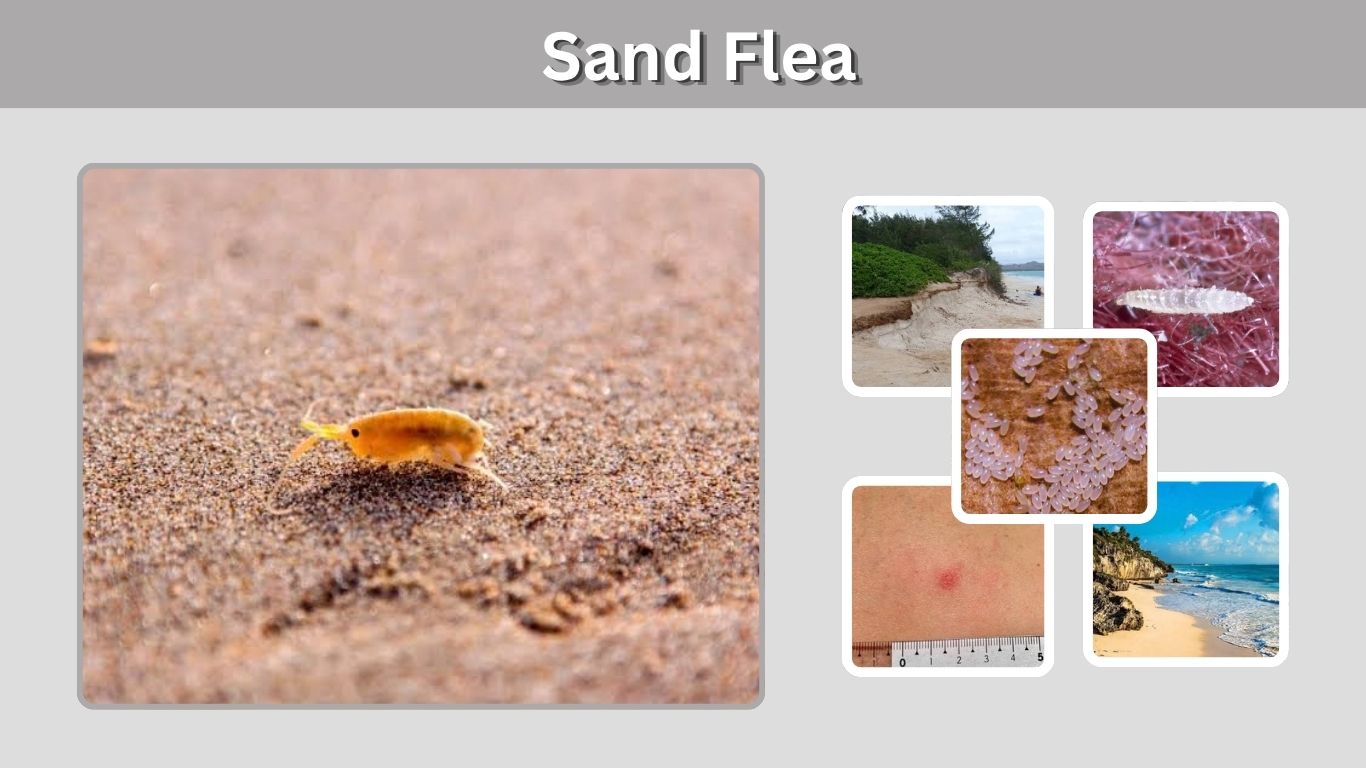
The term sand flea can describe very different creatures, which often causes confusion among beachgoers, anglers, and travelers. On many U.S. beaches, a sand flea … Read More
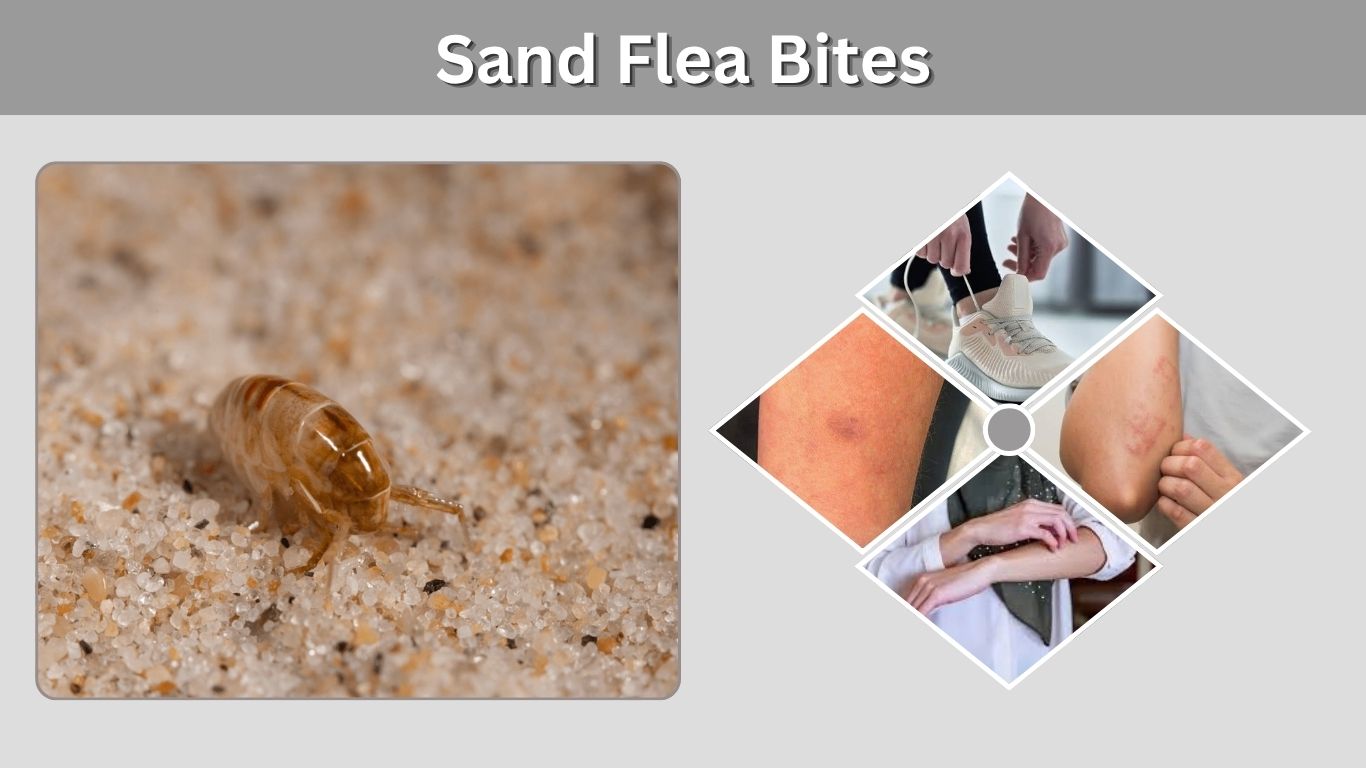
Sand flea bites are commonly described as small, red, intensely itchy bumps that develop after time spent around beaches, sandy ground, or warm coastal areas. … Read More
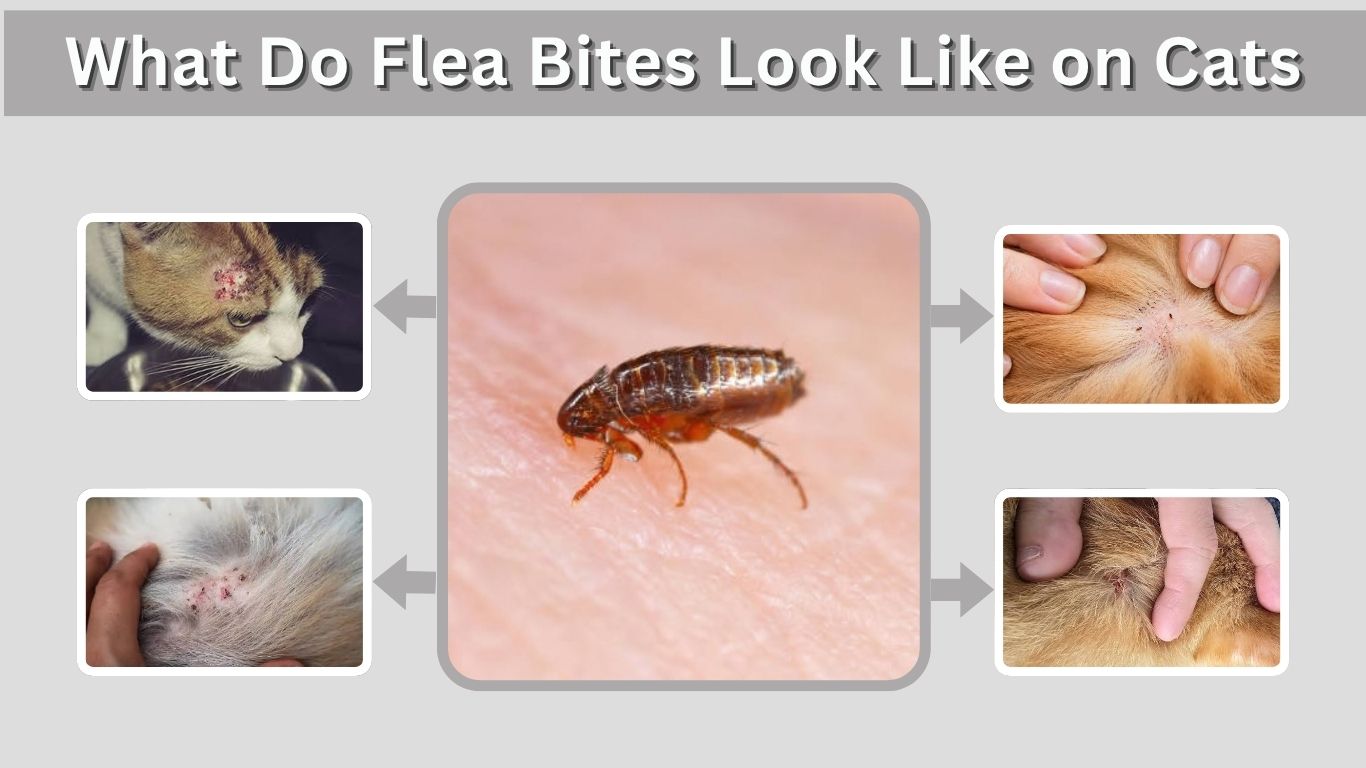
What do flea bites look like on cats? Individual bites can be difficult to see beneath a cat’s fur, but they may cause small raised … Read More
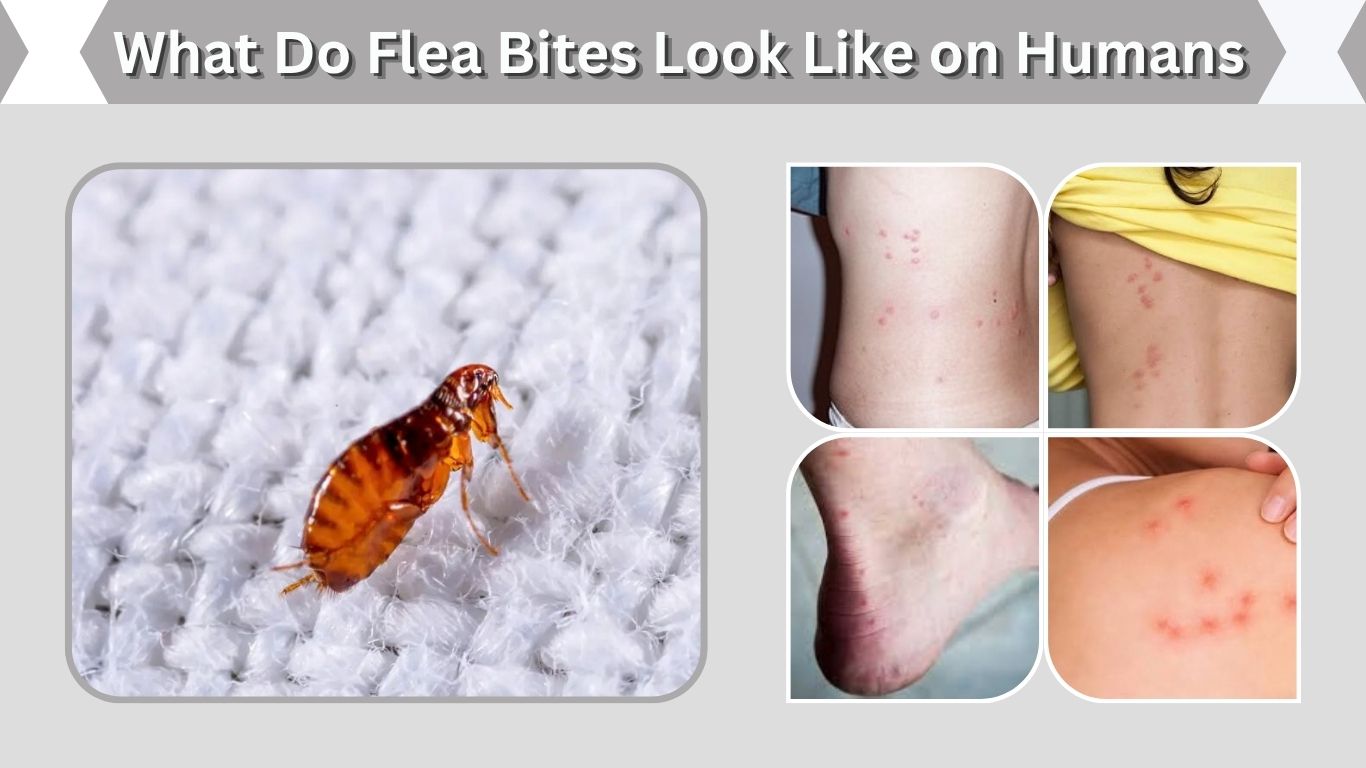
What do flea bites look like on humans? Flea bites usually appear as small, intensely itchy, raised bumps that may develop in clusters or groups. … Read More
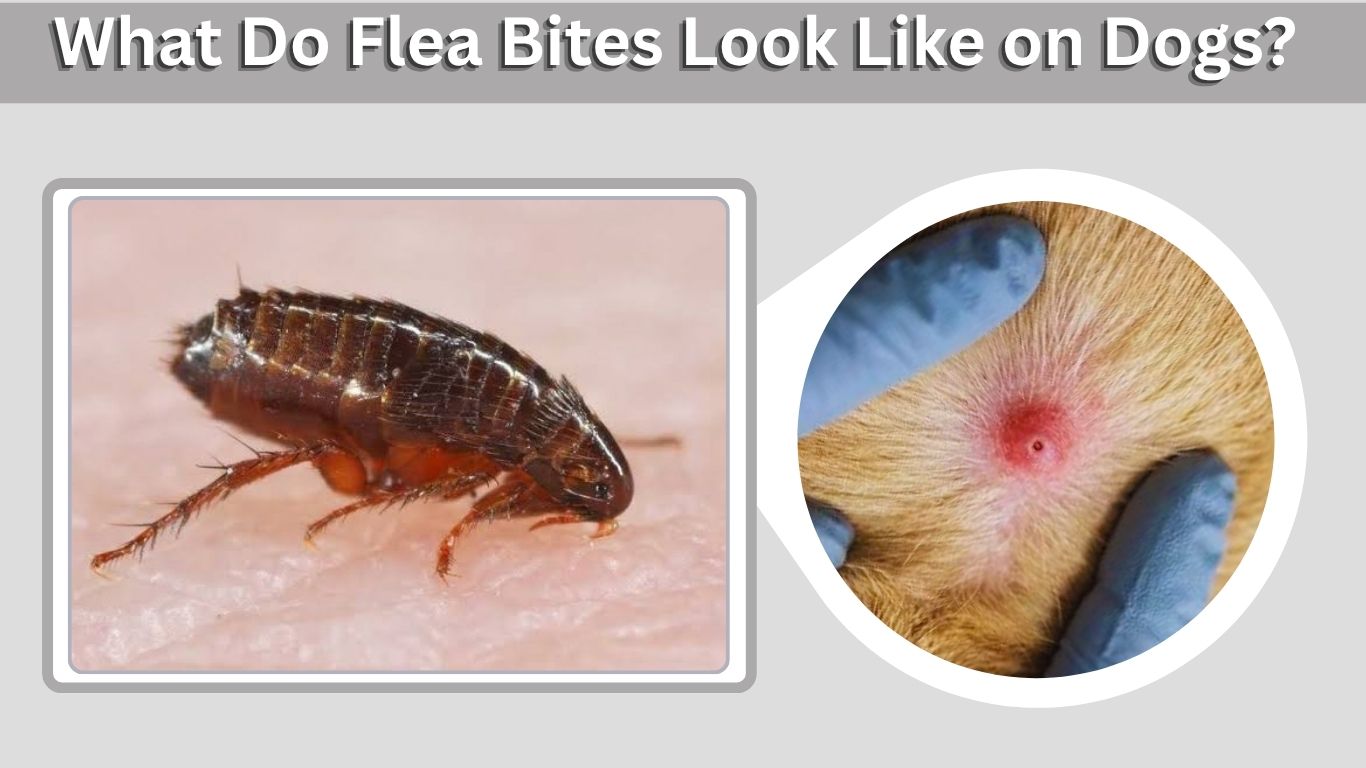
What do flea bites look like on dogs? They often appear as small red or irritated bumps, crusty spots, scabs, or areas of inflamed skin. … Read More
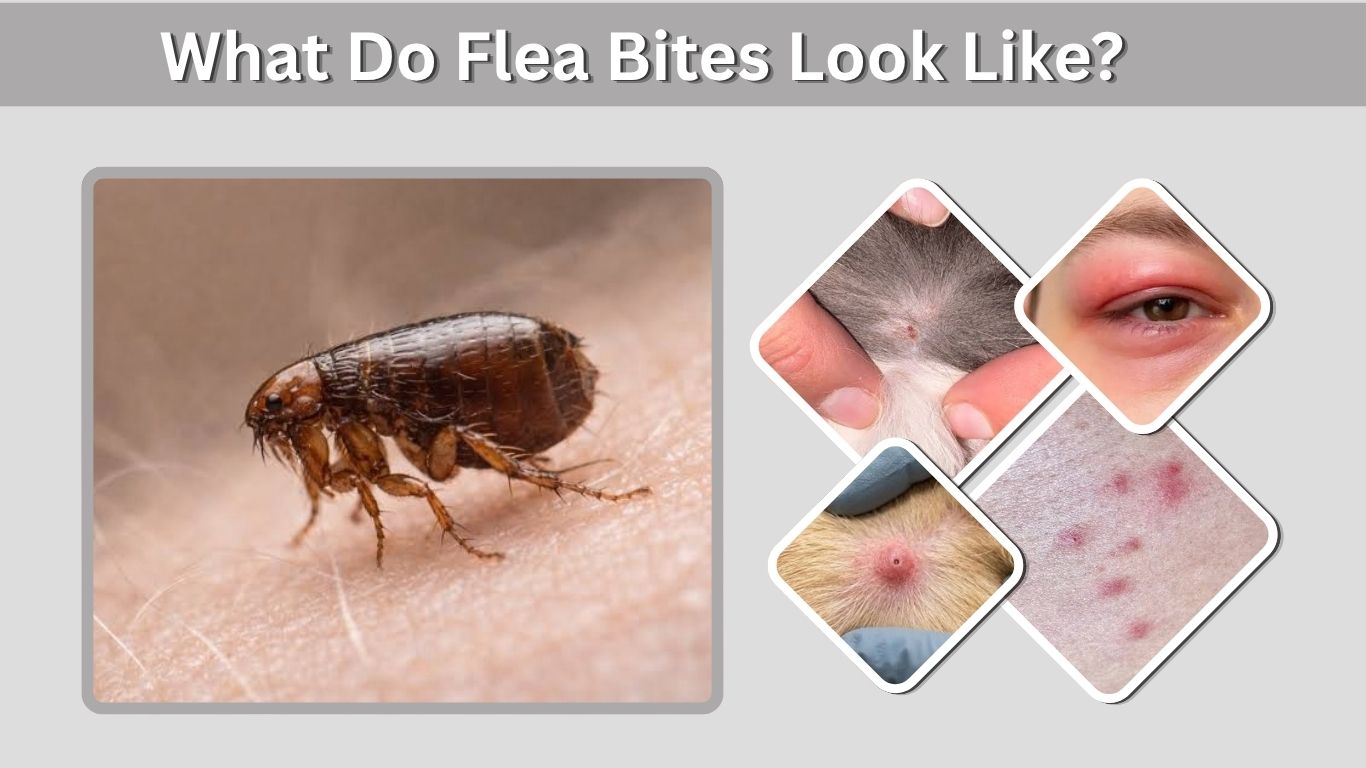
What do flea bites look like? On humans, flea bites usually appear as small, itchy, raised bumps that may occur in clusters or groups, especially … Read More
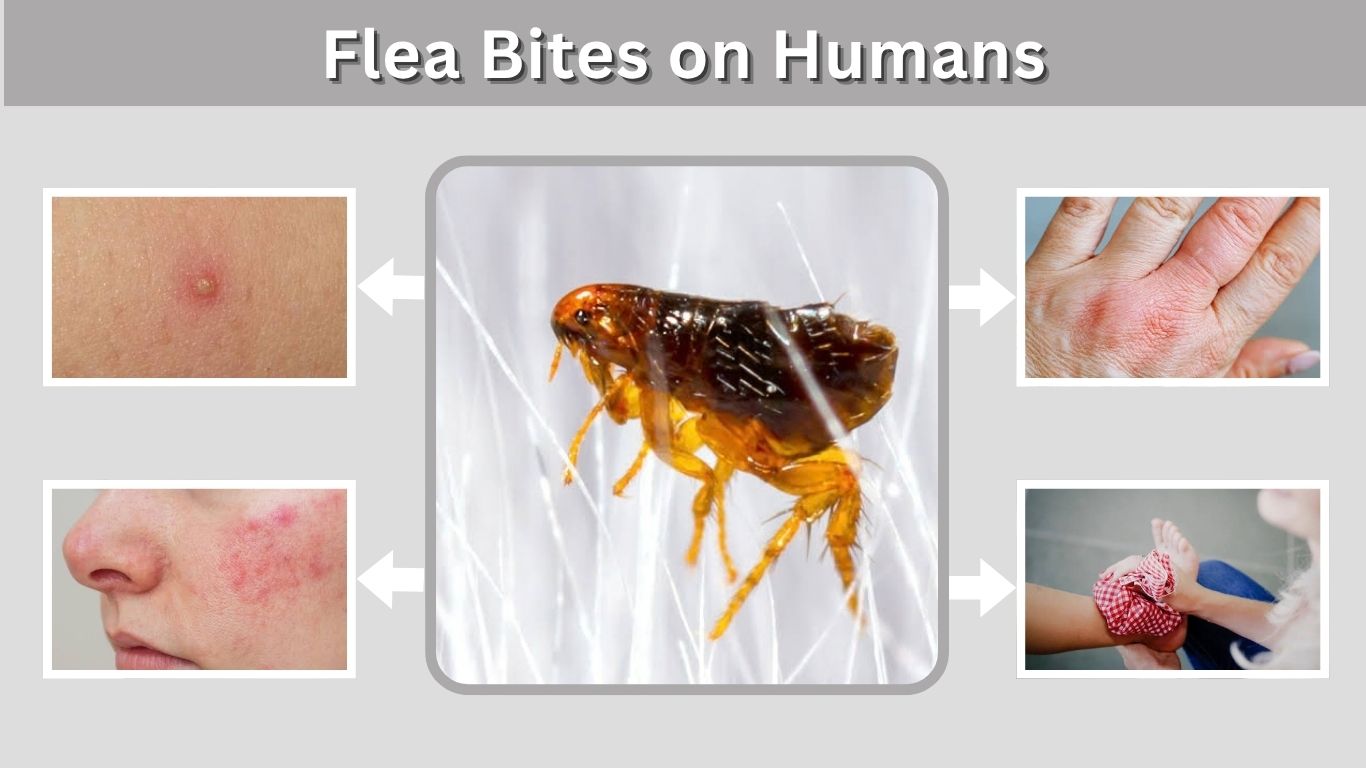
Flea bites on humans usually appear as small, itchy red bumps, often around the ankles, feet, and lower legs. Fleas commonly enter homes on pets … Read More
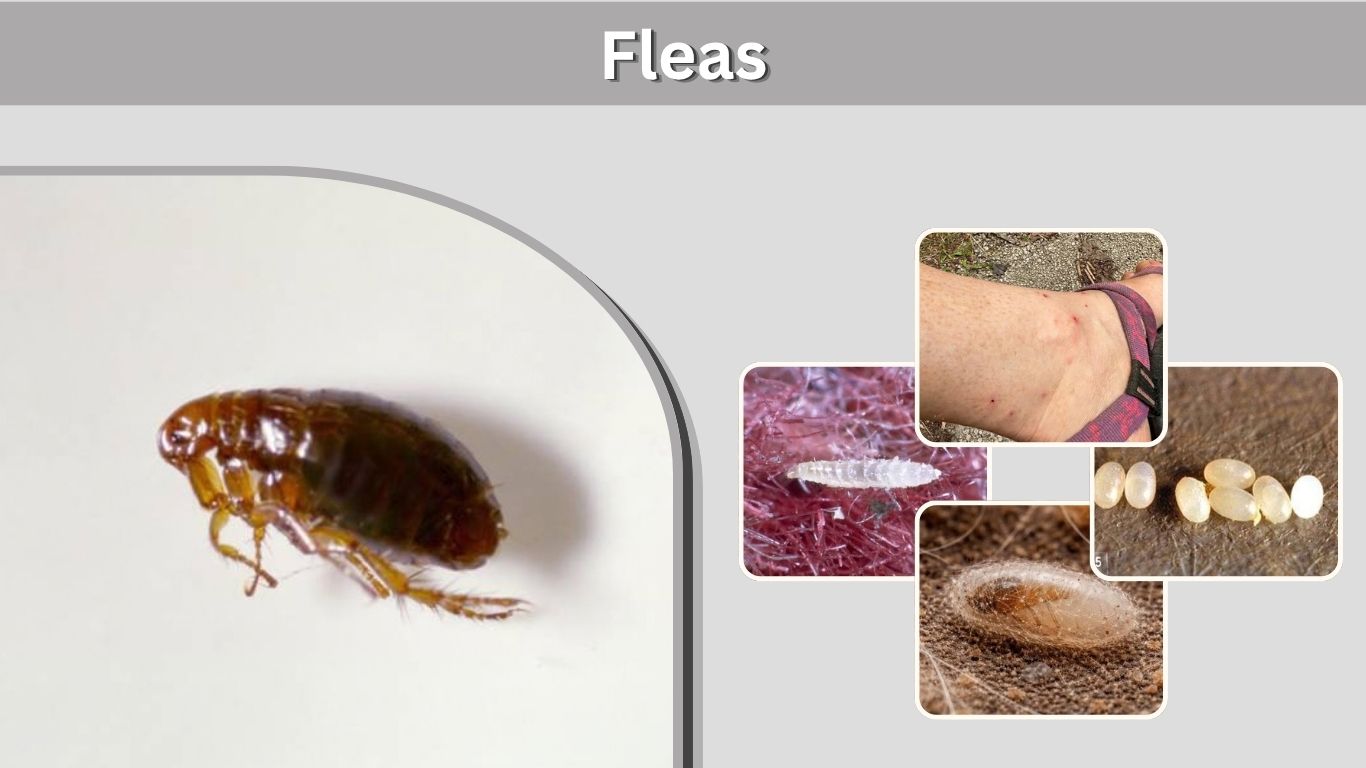
Fleas are tiny, wingless insects that survive by feeding on the blood of animals and sometimes humans. They are best known for their powerful jumping … Read More