
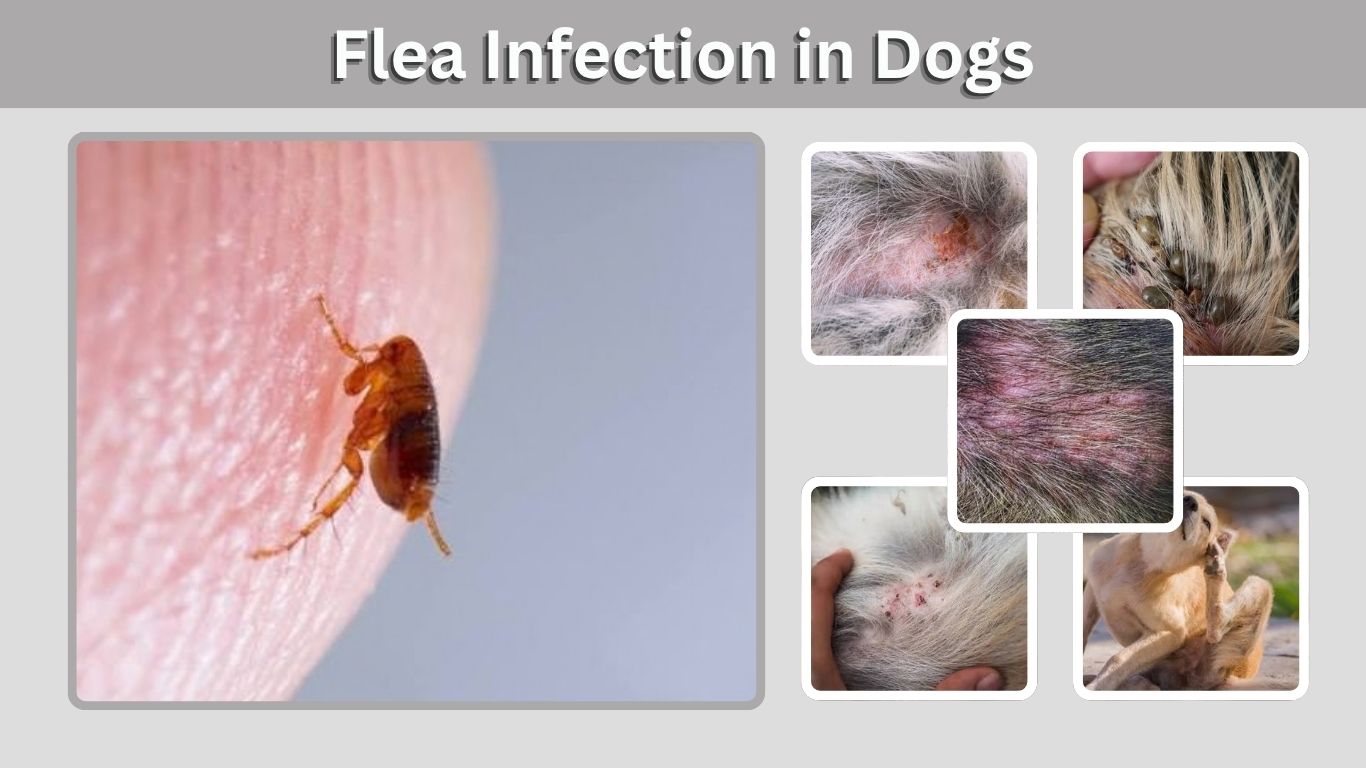
Flea infections in dogs can develop when flea bites cause intense itching, skin irritation, and repeated scratching that damages the skin. While fleas themselves are parasites rather than skin infections, their bites can trigger allergic reactions and create conditions for bacterial or yeast infections. Affected dogs may develop redness, hair loss, scabs, or painful sores, particularly around the lower back and tail. Recognizing these symptoms early can help prevent complications. This guide explains flea infection symptoms in dogs, common causes, veterinary treatments, and ways to prevent recurring problems.
What Is a Flea Infection in Dogs?
A flea infection in dogs usually refers to skin complications associated with flea infestations, including infected bites, flea allergy dermatitis, and secondary bacterial infections. Fleas feed on blood and inject saliva into the skin. Sensitive dogs may experience severe itching, which encourages scratching and biting. Damaged skin can then become vulnerable to bacterial or yeast overgrowth.
Flea Infestation vs. Flea Skin Infection
A flea infestation means living fleas are present on the dog or in its environment.
A flea-related skin infection occurs when bacteria or yeast multiply excessively in irritated or damaged skin. Not every dog with fleas develops an infection, but persistent scratching increases the risk.
Signs of Flea Infection in Dogs
Dogs suffering from flea-related skin problems may display several noticeable symptoms. Mild cases often involve itching and small red bumps, while more serious problems can produce inflamed sores, crusting, and hair loss. Some symptoms overlap with allergies and other skin diseases, making veterinary examination important when infection is suspected.
Common Symptoms of Infected Flea Bites
- Persistent scratching: Frequent biting, licking, or rubbing against furniture.
- Red, inflamed skin: Irritation around the tail, lower back, belly, or thighs.
- Scabs and crusts: Small wounds caused by repeated scratching.
- Hair loss: Thinning fur or bald patches around affected areas.
- Pustules: Small bumps containing pus that may indicate bacterial infection.
- Unpleasant odor: Sometimes associated with bacterial or yeast overgrowth.
- Moist sores: Painful, irritated patches commonly called hot spots.
What Do Infected Flea Bites Look Like?
Infected flea bites may appear as red, swollen, crusted, or moist skin lesions.
Some dogs develop pustules, circular areas of scaling, or patches of missing fur. However, these appearances are not unique to flea-related infections, and veterinary testing may be necessary for diagnosis.
What Causes Flea-Related Skin Infections?
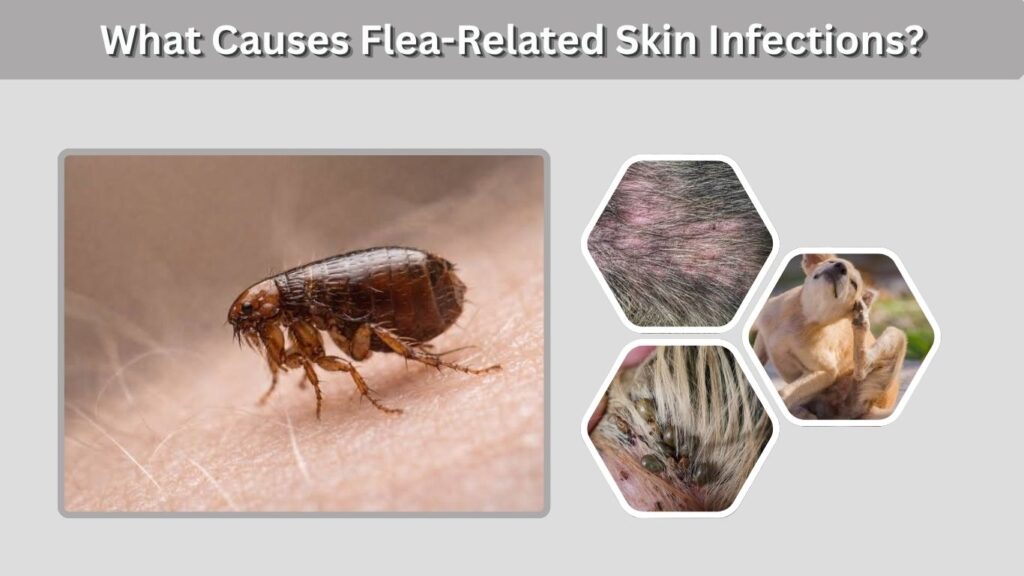
Flea-related skin infections often begin when bites cause itching and inflammation. A dog may repeatedly scratch or chew affected areas, weakening the skin’s protective barrier. This allows microorganisms already present on the skin to multiply excessively. Flea saliva allergies can intensify itching, making infection more likely when treatment is delayed.
Flea Allergy Dermatitis
Flea allergy dermatitis is an allergic reaction to proteins in flea saliva.
Sensitive dogs may develop intense itching after relatively few bites. The lower back, tail base, and rear thighs are commonly affected. Continued scratching may lead to secondary infection.
Bacterial and Yeast Infections
Bacterial pyoderma can develop when irritated skin becomes infected, often involving Staphylococcus pseudintermedius.
Yeast overgrowth, particularly involving Malassezia, can also occur with flea allergy dermatitis. These conditions require different treatments, so distinguishing them is important.
Can Fleas Cause Other Health Problems in Dogs?
Fleas can affect dogs beyond causing uncomfortable skin irritation. Heavy infestations may result in blood loss, particularly in vulnerable puppies or small animals. Fleas also participate in the transmission of certain parasites. Understanding these additional complications helps owners recognize why prompt flea management matters, even when the skin initially appears healthy.
Flea-Related Anemia
Severe flea infestations can cause significant blood loss and anemia, especially in puppies.
Affected dogs may develop weakness, pale gums, or reduced activity. Pale gums, collapse, or breathing difficulty require urgent veterinary attention.
Tapeworm Infection From Fleas
Dogs can develop Dipylidium caninum tapeworm infections by swallowing infected fleas during grooming.
Affected animals may pass small, rice-like tapeworm segments near their anus or in feces. A veterinarian can provide suitable deworming treatment.
How to Treat Flea Infection in Dogs
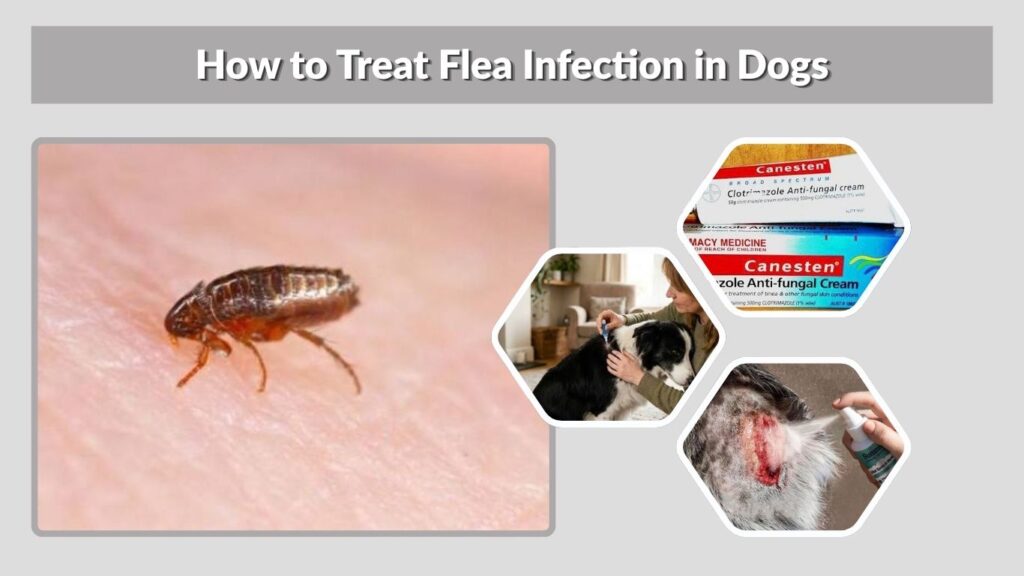
Treating flea-related skin infections requires addressing both the underlying flea infestation and any secondary skin disease. Eliminating fleas reduces new bites, but existing bacterial or yeast infections may require additional care. Treatment depends on the severity and type of infection. Veterinary diagnosis is important because inappropriate medications or home remedies may worsen skin irritation.
Veterinary Treatment Options
- Flea control: Veterinarian-approved oral or topical medication appropriate for the dog’s age, weight, and health.
- Skin examination: Assessment for allergic inflammation, hot spots, and secondary infections.
- Skin cytology: Microscopic testing to identify bacteria or yeast.
- Antiseptic treatment: Veterinary-recommended washes or topical products for suitable skin lesions.
- Prescription medication: Antibiotics or antifungal treatments when clinically indicated.
- Itch management: Appropriate veterinary treatment to reduce scratching and further damage.
Can You Treat Infected Flea Bites at Home?
Mild irritation may improve after effective flea control, but suspected skin infections should be examined by a veterinarian.
Keep affected areas clean and prevent excessive licking when possible. Avoid applying tea tree oil, rubbing alcohol, human antibiotic creams, or leftover prescription medications without veterinary guidance.
When Should You Take Your Dog to the Vet?
Some flea-related skin problems require prompt medical attention. While occasional scratching may indicate uncomplicated flea exposure, infected wounds, severe inflammation, or systemic symptoms deserve professional evaluation. A veterinarian can determine whether the condition involves flea allergy, bacterial infection, yeast overgrowth, or another skin disease and recommend appropriate treatment.
Warning Signs That Need Veterinary Attention
Contact a veterinarian promptly if your dog develops spreading redness, pus, painful sores, significant hair loss, or persistent itching.
Seek urgent care for pale gums, marked weakness, collapse, or breathing difficulties. These can indicate serious complications, including substantial blood loss.
How Long Does a Flea Skin Infection Take to Heal?
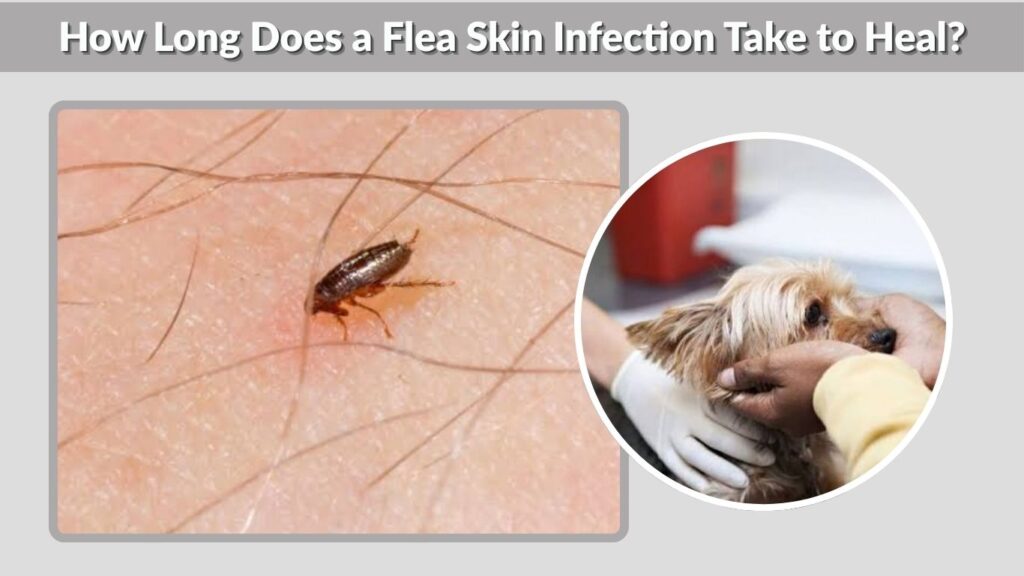
Healing depends on infection severity, the underlying allergy, and how effectively fleas are controlled. Mild irritation may improve relatively quickly once new bites stop, while bacterial infections and deep skin lesions can require longer treatment. Dogs may continue scratching if fleas remain in the environment, even when infected areas initially begin healing.
Recovery and Follow-Up Care
Follow the veterinarian’s treatment instructions and attend recommended rechecks.
Skin redness and irritation may improve before fur fully regrows. If lesions spread, discharge continues, or itching returns, further evaluation may be necessary to identify persistent fleas or another underlying problem.
How to Prevent Flea Infections in Dogs
Preventing flea-related infections starts with consistent flea management and early recognition of skin irritation. Because fleas can reproduce in carpets, bedding, and other sheltered locations, treating the dog alone may not eliminate an established infestation. Coordinated prevention helps reduce recurring bites, allergic reactions, and skin complications throughout the year.
Effective Flea Infection Prevention Tips
- Use flea prevention: Follow a veterinarian-recommended treatment schedule.
- Check your dog’s coat: Inspect regularly for fleas, flea dirt, and irritated skin.
- Treat household pets: Ensure every susceptible pet receives species-appropriate protection.
- Wash bedding: Launder washable pet blankets and sleeping materials regularly.
- Vacuum frequently: Clean carpets, upholstery, and pet resting areas.
- Monitor skin changes: Address excessive scratching before wounds worsen.
Why Year-Round Prevention Matters
Fleas can survive indoors during cooler months, particularly in heated homes.
Consistent prevention helps interrupt the flea life cycle and reduces repeated exposure. Dogs with flea allergy dermatitis may benefit especially from maintaining reliable protection throughout the year.
FAQs
1. Can Flea Bites Cause Skin Infections in Dogs?
Yes. Repeated scratching and biting can damage the skin, allowing bacterial or yeast infections to develop. Dogs with flea allergy dermatitis may be particularly vulnerable.
2. What Do Infected Flea Bites Look Like on Dogs?
They may appear as swollen red patches, pustules, crusted sores, moist lesions, or areas of hair loss. A veterinarian should evaluate suspected infections.
3. Can Fleas Cause Yeast Infections in Dogs?
Flea allergy dermatitis can contribute to skin inflammation that favors secondary yeast overgrowth. However, not every yeast infection is related to fleas.
4. Can Dogs Get Tapeworms From Fleas?
Yes. Dogs can acquire Dipylidium caninum tapeworms when they swallow infected fleas during grooming.
5. How Do You Treat Infected Flea Bites on Dogs?
Treatment generally involves effective flea control and veterinary assessment. Depending on the diagnosis, a veterinarian may recommend antiseptic products, prescription medication, or treatment for allergic itching.
