
Heat is one of the most effective ways to kill bed bugs, but the correct temperature is essential. Insects may survive brief warmth while hiding inside mattresses, furniture, or wall cracks. Heat must reach the bugs and remain high enough for the required time. A clothes dryer treats fabrics, steam reaches accessible seams, and professionals can heat larger areas. This guide explains how much heat kills bed bugs and their eggs, how long treatment takes, and which methods are safe at home.
What Temperature Kills Bed Bugs and Their Eggs?
Room air temperature differs from the temperature inside a mattress or furniture joint. Eggs can survive inadequate treatment. Dependable control requires sustained heat throughout the item or hiding place, not briefly warming its surface.
How Much Heat Is Needed to Kill Bed Bugs?
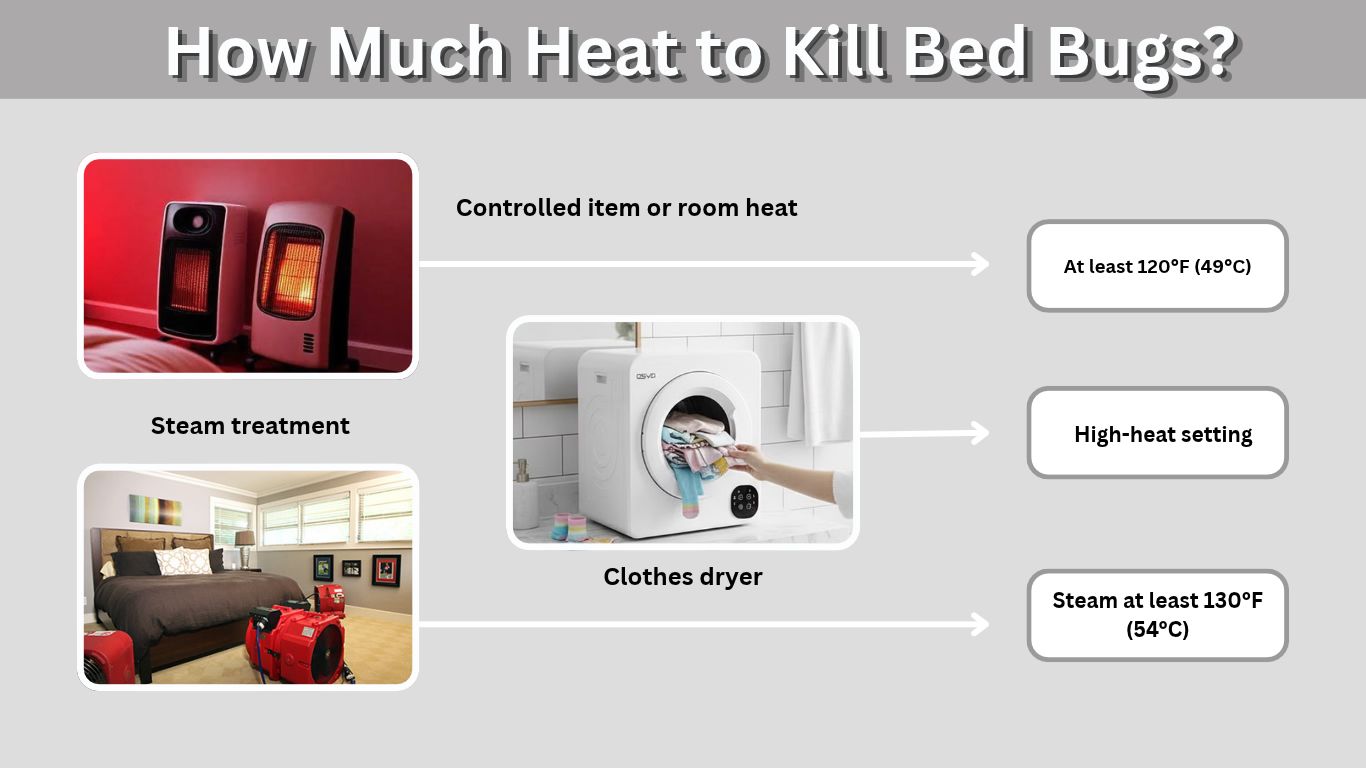
An established heat-treatment recommendation is at least 120°F (49°C) for 90 minutes to kill bed bugs and ensure that eggs are destroyed. This exposure period begins when the target temperature reaches the hidden areas being treated. A thermometer placed near a heater does not prove the entire room is hot enough.
How Much Heat Kills Bed Bug Eggs?
Eggs hide in seams and crevices and need sufficient heat just like adult bugs. Short bursts of warmth can leave eggs alive. Controlled heating should expose even the coolest hiding spots to lethal conditions.
Bed Bug Heat Treatment Temperature Chart
| Treatment method | Temperature guidance | Exposure time |
| Controlled item or room heat | At least 120°F (49°C) | 90 minutes after target is reached |
| Clothes dryer | High-heat setting | At least 30 minutes |
| Steam treatment | Steam at least 130°F (54°C) | Slow, thorough passes; no fixed room-wide time |
| Portable heating chamber | Manufacturer’s validated setting | Follow device instructions and verify internal heat |
Exact requirements depend on the heating method. Reaching the required temperature throughout the material matters more than the heater’s displayed setting.
How to Kill Bed Bugs With Heat at Home
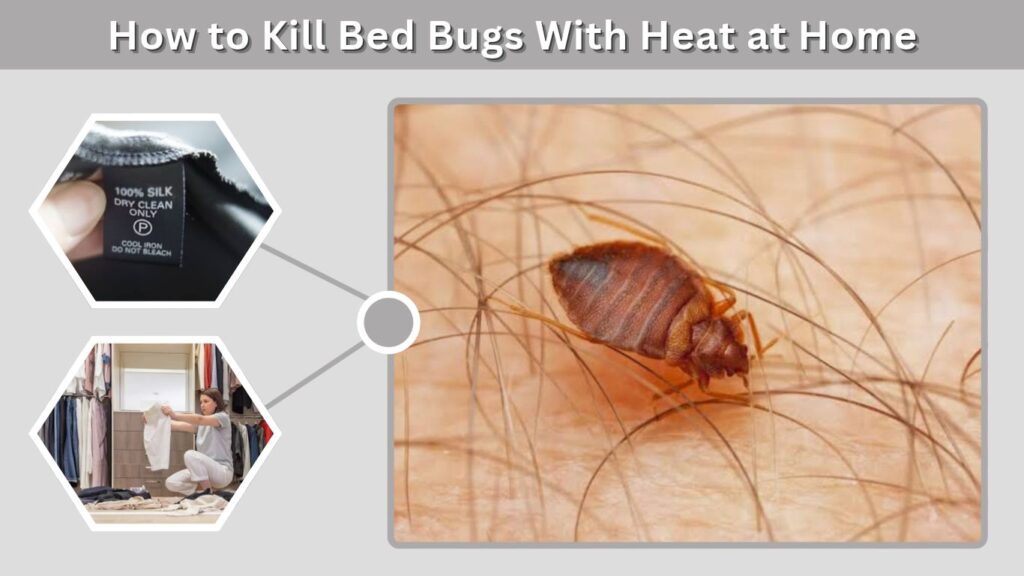
Some belongings can be heat-treated without warming the whole house. Household dryers work for fabrics, and suitable steam cleaners treat upholstery and crevices. Purpose-built heating equipment may help with other items. Check heat sensitivity first.
Use a Clothes Dryer for Clothing and Bedding
The U.S. Environmental Protection Agency recommends drying suitable bedding and clothing on high heat for 30 minutes. Washing alone may not kill all life stages. Keep potentially infested laundry bagged until it enters the dryer, and place treated items in fresh, clean bags afterward.
- Check care labels before using high heat.
- Divide oversized loads to allow proper tumbling.
- Keep clean clothes away from untreated furniture.
- Treat dryer-safe blankets and pillowcases along with clothing.
Use Steam on Mattress Seams and Furniture
Steam can treat bed frames, upholstery seams, baseboards, and other accessible hiding places. A suitable steamer should deliver steam at least 130°F (54°C). Move slowly enough for heat to penetrate the material, and use a diffuser or broad attachment so strong airflow does not scatter bed bugs.
- Test delicate fabric in an inconspicuous area.
- Avoid electrical sockets, wiring, and water-sensitive surfaces.
- Follow the steamer manufacturer’s instructions.
- Let treated fabrics dry completely before use.
Consider a Purpose-Built Heating Chamber
Portable bed bug heating chambers treat some items unsuitable for dryers. Follow manufacturer instructions, verify that heat reaches item interiors, and avoid overcrowding. Never build a makeshift chamber with exposed heating elements or space heaters.
How to Heat a Room or House to Kill Bed Bugs
Whole-room treatment is more complicated than laundry. Beds, walls, and furniture absorb heat differently, creating cooler spots where bugs may survive. Professional heat treatment is appropriate for an entire room, apartment, or house because conditions need measuring and controlling.
How Do Exterminators Use Heat?
Trained pest-control teams use equipment designed for bed bug treatment, along with sensors that monitor temperatures in difficult hiding places. The process commonly includes these steps:
- Inspect the property and identify likely hiding spots.
- Remove or protect heat-sensitive items according to instructions.
- Position professional heaters and air-circulation equipment.
- Monitor temperatures until the required exposure is achieved.
- Inspect afterward and arrange further treatment if needed.
Residents should follow the company’s preparation checklist rather than moving untreated belongings into other rooms, which could spread the infestation.
Can You Use a Space Heater or Turn Up the Thermostat?
No. Central heating, ordinary space heaters, fireplaces, propane heaters, and heat guns cannot reliably provide the controlled exposure required throughout a room. Trying to make a bedroom extremely hot can cause fires, damage possessions, or create dangerous conditions without killing hidden bugs. Do not attempt homemade whole-house heat treatment.
How Long Does Heat Take to Kill Bed Bugs?
Timing depends on whether you treat fabric, upholstery, a container, or an entire property. The material itself must become hot enough. Professional treatment may take several hours because preparation, monitoring, exposure, and cooling are separate stages.
Does Heat Kill Bed Bugs Instantly?
Very high temperatures can kill directly exposed bugs quickly, but the same heat may take much longer to penetrate pillows, upholstery, and cracks. For consistent results across all life stages, controlled treatment should follow validated temperature-and-time targets. A quick blast from a hair dryer or heat gun is not reliable.
How Many Heat Treatments Are Needed?
A thorough professional treatment may control an infestation in one visit, but this is not guaranteed. Bugs may survive in untreated or insufficiently heated areas, or they may return from neighboring units and belongings. Ask whether the provider includes follow-up inspection and what evidence would justify another treatment.
How Do You Know Heat Treatment Worked?
Do not judge success only by whether bites stop immediately. Inspect bed frames and mattress seams, use suitable interceptor traps beneath bed legs, and check for live insects or fresh spotting. Continue monitoring at least weekly. If activity persists, arrange professional reassessment rather than repeatedly attempting unsafe heating.
Important Safety Tips for Bed Bug Heat Treatment
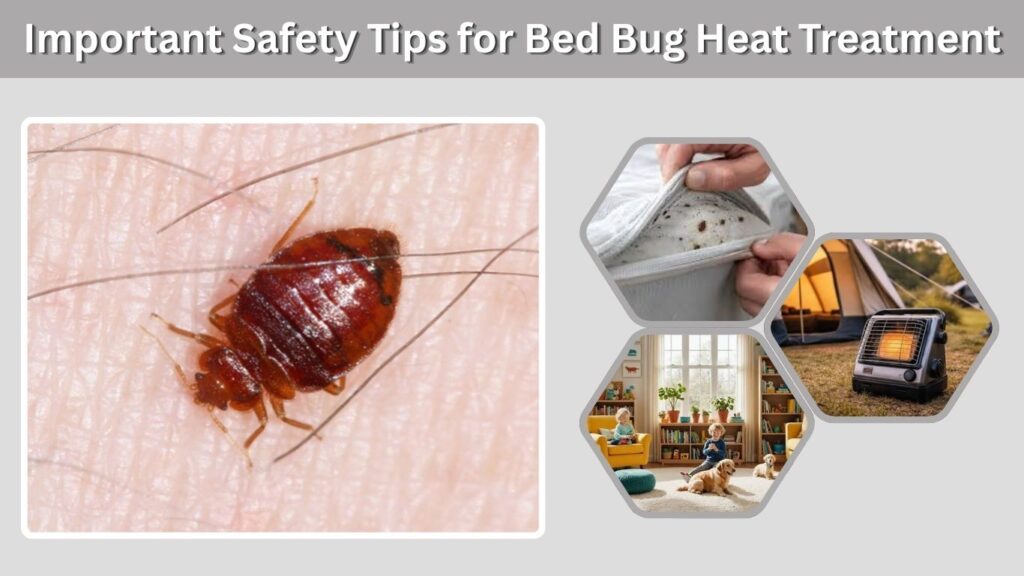
Heat works best alongside vacuuming, mattress encasements, clutter reduction, and monitoring. Electronics, medications, candles, plastics, and artwork can be damaged by excessive heat, so preparation must be tailored to the property.
Protect Your Home and Belongings
- Follow professional instructions about heat-sensitive items.
- Keep children and pets away from treatment equipment.
- Never leave improvised heaters operating unattended.
- Use only equipment designed for the intended treatment.
- Keep untreated belongings contained to prevent spreading bugs.
Heat leaves no lasting protective barrier. Even after successful treatment, inspect secondhand furniture and travel luggage carefully, maintain mattress encasements, and watch for new signs of activity.
FAQs
1. Is 120°F Hot Enough to Kill Bed Bugs?
Yes, when the infested areas reach at least 120°F (49°C) and stay at that temperature for 90 minutes. The exposure period must apply to hidden spots, not merely the surrounding air. Professional monitoring helps establish that the treatment was thorough.
2. How Much Heat Does It Take to Kill Bed Bug Eggs?
Controlled exposure at 120°F (49°C) for 90 minutes is an established recommendation that includes eggs. A brief burst of hot air is not equivalent. Heat must reach eggs inside seams, cracks, or other insulated hiding places.
3. Can a Hair Dryer Kill Bed Bugs?
A hair dryer may kill a directly exposed insect, but it cannot reliably heat all hiding places or eggs. It can also damage materials. Use a high-heat clothes dryer for suitable fabrics and professional methods for extensive infestations.
4. How Long Should Clothes Stay in a Hot Dryer?
Dryer-safe clothing and bedding should receive at least 30 minutes on high heat. Avoid overloading and follow fabric-care instructions. Afterward, place treated items in clean sealed bags so bed bugs cannot crawl back onto them.
5. Can You Kill Bed Bugs by Heating Your House Yourself?
Do not attempt it with a thermostat, portable space heaters, propane appliances, or heat guns. These methods are unsafe and cannot guarantee lethal temperatures inside furniture and walls. Hire a qualified bed bug professional for controlled whole-room or whole-home treatment.
