
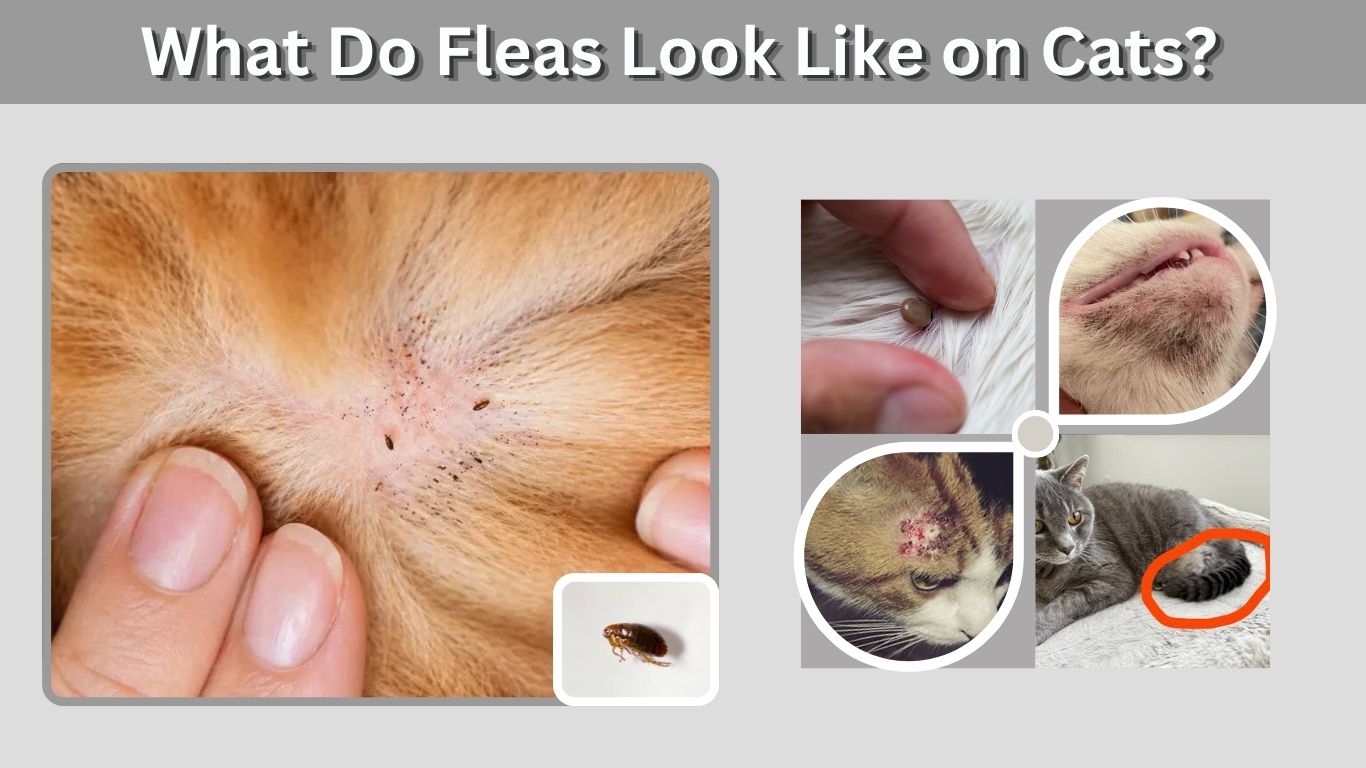
Fleas are tiny, blood-feeding parasites that commonly affect cats, causing itching, irritation, and sometimes serious health problems. However, their small size and rapid movements make them difficult to identify, especially in thick or dark fur. Understanding what fleas look like on cats can help pet owners recognize an infestation before it becomes severe. From adult fleas and tiny white eggs to flea dirt and irritated skin, several signs can reveal their presence. This guide explains how to identify cat fleas, where they hide, and what to look for during a flea inspection.
What Do Fleas Look Like on Cats to the Human Eye?
Adult cat fleas are small, wingless insects with reddish-brown or dark brown bodies. They usually measure approximately 1.5 to 4 millimeters long, making them visible without magnification. However, their flattened bodies allow them to move easily between hairs, so they can disappear quickly into a cat’s coat. Their powerful hind legs also help them jump considerable distances.
Physical Characteristics of Cat Fleas
- Size: Approximately 1.5–4 millimeters long.
- Color: Reddish-brown, dark brown, or nearly black.
- Body shape: Narrow and flattened from side to side.
- Legs: Six legs, including enlarged hind legs for jumping.
- Wings: Fleas have no wings and cannot fly.
- Movement: They crawl quickly through fur and jump when disturbed.
What Do Cat Fleas Look Like Up Close?
Under magnification, cat fleas have small heads, segmented bodies, piercing mouthparts, and backward-pointing bristles. Their strong legs help them navigate dense fur while feeding on blood.
The most common species is the cat flea (Ctenocephalides felis), which also frequently infests dogs and other mammals.
What Do Fleas Look Like in Cat Fur and on Skin?
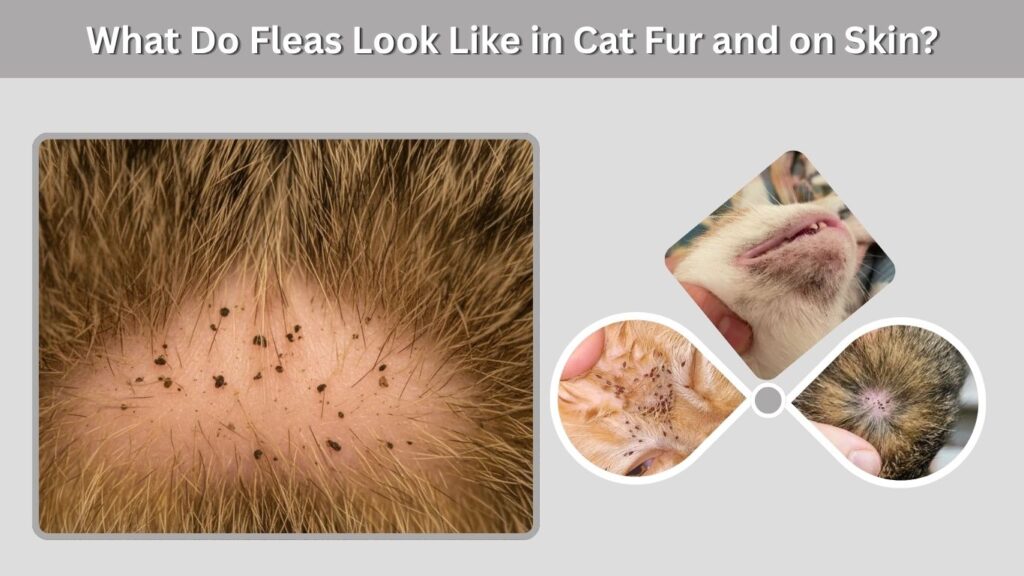
Fleas in cat fur often resemble tiny, dark insects moving close to the skin. They may be difficult to detect because cats groom themselves frequently, sometimes removing visible fleas before their owners notice them. Examining areas with thinner fur and using a flea comb can help reveal insects or flea dirt that would otherwise remain hidden.
What Do Fleas Look Like on Cat Skin?
When the fur is separated, fleas may appear as small reddish-brown insects crawling along the skin. Common areas to inspect include the neck, lower back, belly, and base of the tail.
Some cats also develop red bumps, irritated patches, or crusted skin. These symptoms can suggest flea-related irritation, although other skin conditions may cause similar changes.
What Do Fleas Look Like on Black and White Cats?
On white cats, adult fleas are usually easier to recognize because their dark bodies contrast with the light fur.
On black cats, fleas may blend into the coat. Dark flea dirt is also harder to distinguish from the surrounding hair.
A fine-toothed flea comb and white paper can make identification easier regardless of coat color.
What Do Flea Eggs and Baby Fleas Look Like on Cats?
Fleas pass through four developmental stages: egg, larva, pupa, and adult. Each stage has a different appearance, but only adult fleas normally live and feed on cats. The immature stages develop mainly in the surrounding environment, including pet bedding, carpets, and furniture. Understanding these differences helps distinguish flea eggs from dandruff and other household debris.
What Do Cat Flea Eggs Look Like?
Cat flea eggs are tiny, smooth, oval, and pearly white, measuring approximately 0.5 millimeters long. They resemble miniature grains of salt.
Female fleas lay eggs while living on the cat, but the eggs generally fall from the fur into nearby surroundings.
Unlike flea dirt, eggs are light-colored and do not produce reddish stains when moistened.
What Do Baby Cat Fleas Look Like?
Newly hatched flea larvae resemble tiny, pale worms rather than miniature adult fleas. They are legless, segmented, and usually hide in dark, protected environments.
After feeding and growing, larvae form cocoons and enter the pupal stage. Adult fleas eventually emerge and seek an animal host.
What Do Flea Dirt and Flea Bites Look Like on Cats?
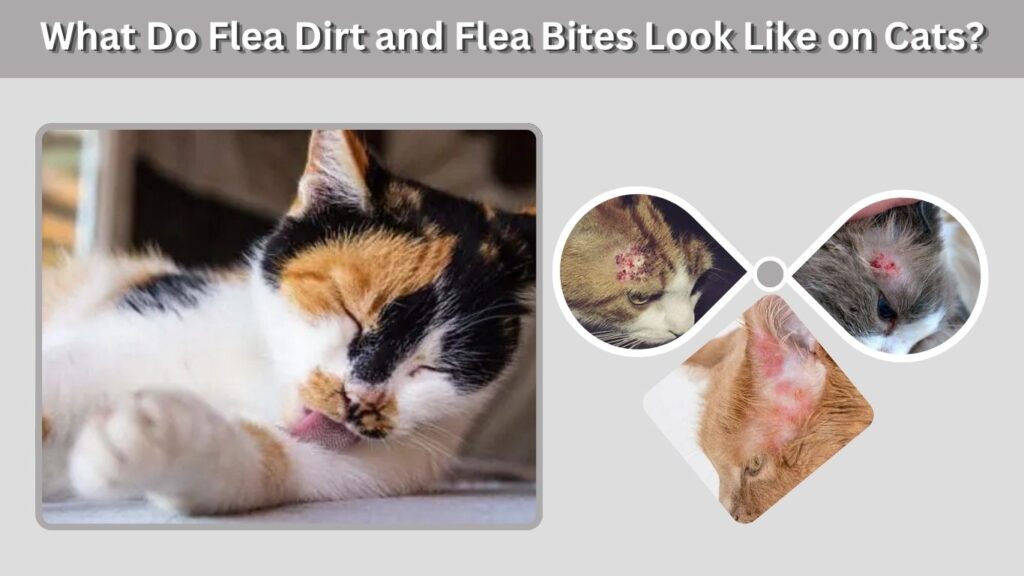
Flea dirt and skin irritation are often easier to notice than living fleas. Cats may remove adult insects through grooming, leaving behind small dark particles and signs of itching. These clues are particularly useful when examining long-haired cats or animals that rarely show visible fleas during routine inspections.
What Does Flea Dirt Look Like on Cats?
Flea dirt consists of flea droppings containing digested blood. It resembles tiny black pepper flakes or reddish-black particles.
To identify flea dirt, collect suspicious specks using a flea comb and place them on a damp white paper towel. If the material releases reddish-brown staining, it is likely flea dirt.
What Do Flea Bites Look Like on Cats?
Flea bites can produce small, itchy bumps, but individual bite marks may be difficult to identify beneath fur.
Common signs of flea-related skin irritation include:
- Frequent scratching: Especially around the neck, back, and tail.
- Excessive grooming: Repeated licking or biting at the coat.
- Red bumps: Small, raised areas of irritated skin.
- Hair loss: Thinning fur caused by repeated grooming.
- Crusty patches: Small scabs or rough skin lesions.
These symptoms can have other causes, so persistent irritation should be evaluated by a veterinarian.
What Do Fleas Look Like on Kittens?
Fleas on kittens have the same general appearance as fleas on adult cats. They are small, dark, wingless insects that move quickly through the fur. However, infestations are particularly concerning in young kittens because their small body size makes them more vulnerable to blood loss. Even a relatively small number of fleas can become dangerous.
Signs of Fleas on Kittens
Kittens may scratch frequently, appear restless, or have visible flea dirt in their coats. Heavy infestations can cause anemia, resulting in weakness, lethargy, or unusually pale gums.
A kitten showing these symptoms needs prompt veterinary attention.
Flea treatments must also be selected carefully because many products are unsuitable for kittens below certain ages or weights.
What Do Dead Fleas Look Like on Cats?
Dead fleas generally resemble living adults but remain motionless. Their bodies may appear curled, dried, or flattened.
Finding dead fleas after treatment does not necessarily mean the infestation has ended because immature fleas may still be developing in the environment.
Cat Fleas vs. Ticks: What Is the Difference?
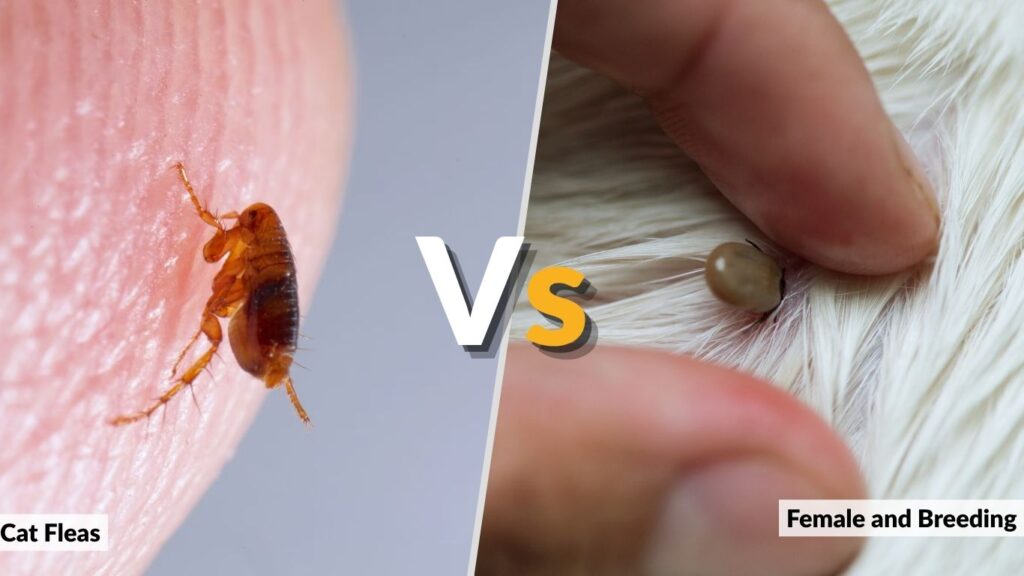
Fleas and ticks both feed on animal blood, but they belong to different groups and have noticeably different body structures. Fleas are insects with six legs and powerful jumping abilities. Ticks are arachnids with eight legs as adults and typically remain attached to their hosts for extended feeding periods.
| Feature | Cat Fleas | Ticks |
| Body shape | Narrow, flattened sideways | Rounded or oval |
| Adult legs | 6 | 8 |
| Color | Reddish-brown | Brown, black, or gray |
| Movement | Crawl and jump | Crawl |
| Wings | None | None |
| Feeding | Live in fur and feed repeatedly | Attach to skin while feeding |
A tick may become swollen after feeding, while adult fleas remain relatively small and mobile.
How to Check Your Cat for Fleas
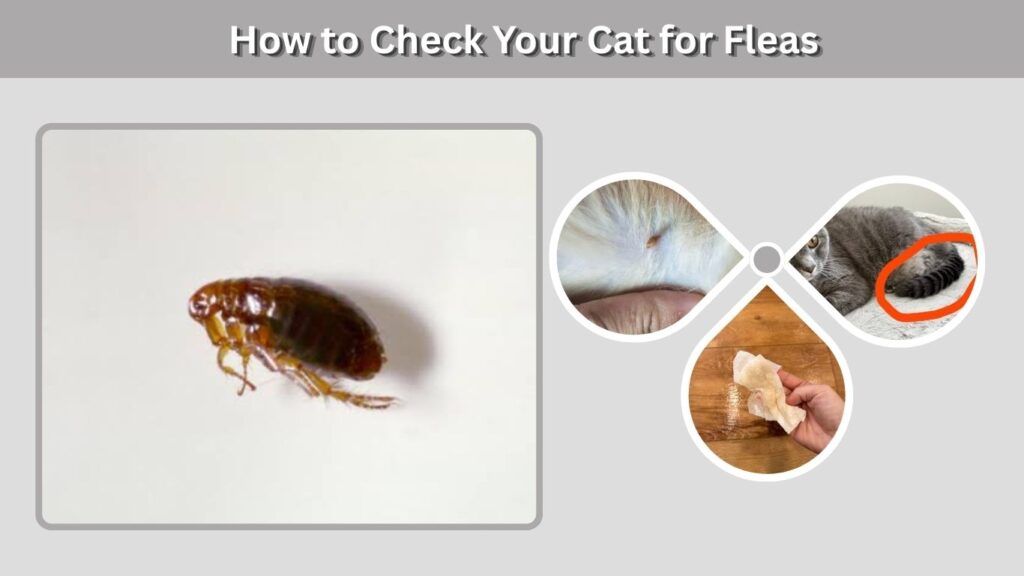
A careful inspection can help confirm whether fleas are present. Since cats are efficient groomers, finding live insects is not always easy. Using a flea comb and checking the areas where fleas commonly hide increases the likelihood of detection. You should also examine bedding and other favorite resting places.
Step-by-Step Flea Inspection
- Choose good lighting: Inspect your cat near a bright window or lamp.
- Separate the fur: Look closely at the neck, belly, back, and tail base.
- Use a flea comb: Slowly comb the hair close to the skin.
- Examine the debris: Look for live insects and dark flea dirt.
- Test suspicious particles: Place them on a damp white paper towel.
- Inspect bedding: Check resting areas for eggs, insects, and flea dirt.
What Should You Do If You Find Fleas?
Contact your veterinarian to select a safe, effective flea treatment appropriate for your cat’s age, weight, and health.
Regular vacuuming, washing pet bedding, and treating other household pets with species-appropriate products can help control an infestation.
Never use flea medication intended for dogs on cats. Certain ingredients, particularly concentrated permethrin in some dog treatments, can be dangerously toxic to cats.
FAQs
1. Can You See Cat Fleas With the Naked Eye?
Yes. Adult cat fleas are visible without magnification. However, their small bodies, dark coloration, and quick movements can make them difficult to spot in thick fur.
2. What Do Fleas Look Like on a Cat’s Ears?
Fleas around the ears appear as tiny, dark brown insects moving through the fur. Flea dirt may also be visible. Dark debris inside the ear canal can have other causes, including ear mites.
3. Can Indoor Cats Get Fleas?
Yes. Indoor cats can develop flea infestations when fleas enter through other pets, people, or infested environments. Fleas can reproduce indoors under suitable conditions.
4. What Do Cat Fleas Look Like on Humans?
Cat fleas look like tiny reddish-brown jumping insects when they land on human skin. They can bite humans but generally prefer living on furry animal hosts.
5. Can Cats Have Fleas Without Scratching?
Yes. Some cats show very little itching despite having fleas. Others groom away visible insects, making flea dirt or routine combing more useful for detection.
