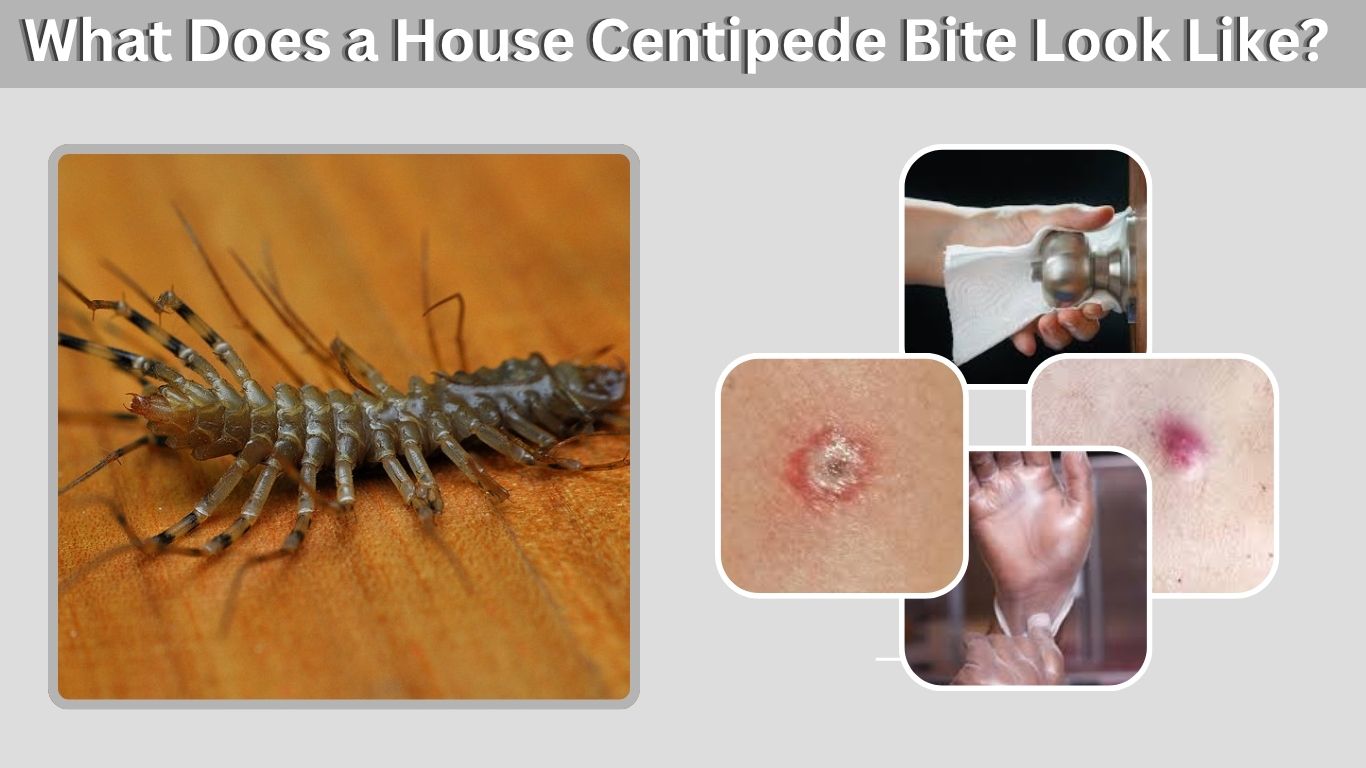
House centipedes are fast-moving arthropods often found in bathrooms, basements, and other damp areas of homes. Although they look frightening because of their long legs and rapid movement, house centipede bites are actually rare and usually mild. Many people mistake their bites for spider bites or small insect stings because the symptoms can appear similar. Understanding what a house centipede bite looks like, how it feels, and when medical attention may be needed can help homeowners respond calmly and treat minor symptoms safely at home.
Can House Centipedes Bite Humans?
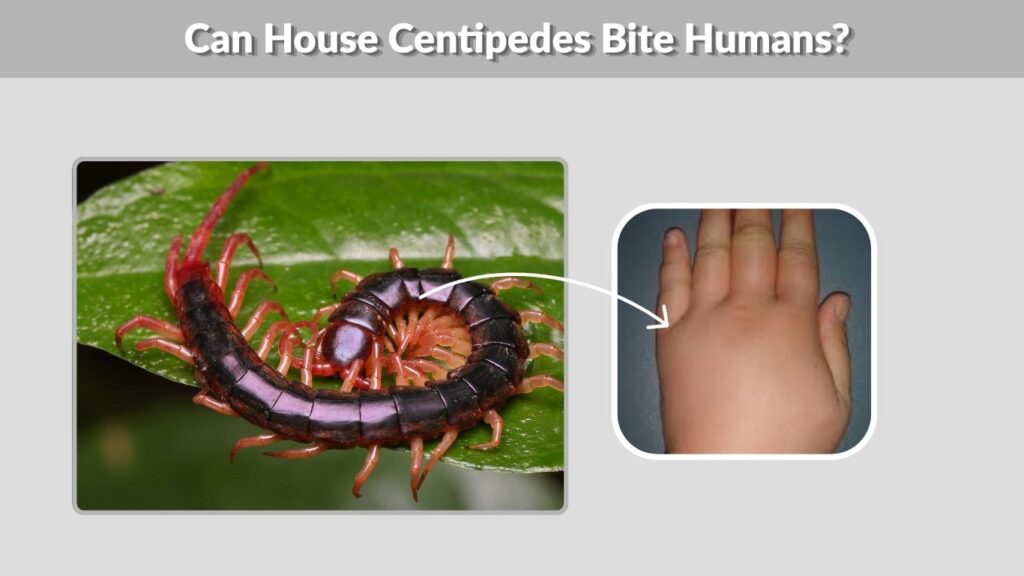
House centipedes are capable of biting humans using modified front legs called forcipules, which inject venom into prey. However, bites are uncommon because these arthropods prefer escaping rather than attacking people. Most house centipedes bite only when trapped, handled roughly, or accidentally pressed against the skin. Their venom is mainly designed for hunting insects and usually causes only mild irritation in humans.
How House Centipedes Bite
House centipedes do not bite using their mouths like mammals. Instead, they use venom claws located near the front of their bodies.
- Venom injected through forcipules
- Used mainly for hunting prey
- Defensive bites are rare
- Usually occur during handling
- Small puncture wounds may appear
Why House Centipedes Usually Avoid Humans
House centipedes are shy nocturnal hunters that prefer hiding in dark damp places during the day. When disturbed, they usually run away quickly instead of becoming aggressive.
Their fast movement and secretive behavior help them avoid predators and human contact. Most homeowners never experience bites because house centipedes rarely stay close to people long enough for direct interaction.
Are House Centipede Bites Dangerous?
House centipede bites are generally not dangerous for healthy adults. Their venom is mild compared to larger tropical centipedes and rarely causes serious medical complications.
Most symptoms remain limited to mild redness, slight swelling, and temporary discomfort near the bite area. Severe allergic reactions are uncommon but still possible in sensitive individuals.
What Does a House Centipede Bite Look Like?
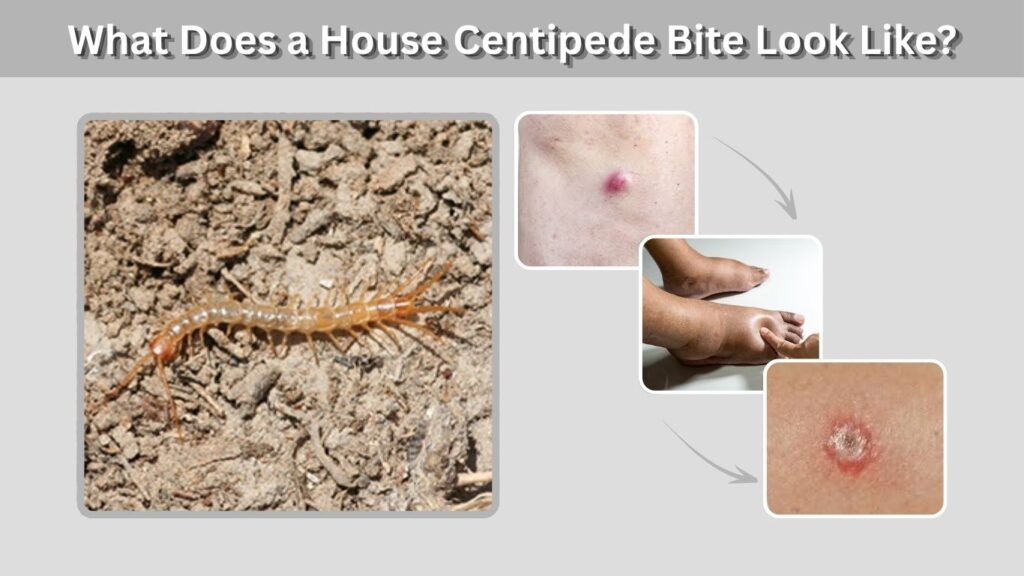
A house centipede bite usually appears as a small irritated area on the skin with mild redness and swelling. In many cases, the bite resembles a mosquito bite, ant sting, or minor spider bite. Because house centipedes are small, the puncture marks can be difficult to notice. Symptoms often remain localized and disappear within a short period without causing major complications.
Common Bite Appearance
Most house centipede bites produce mild visible symptoms that remain concentrated around the bite site.
- Small red bump
- Mild swelling
- Tiny puncture marks
- Slight skin irritation
- Localized redness
- Mild warmth around area
House Centipede Bite vs Spider Bite
People often confuse house centipede bites with spider bites because both can cause redness and swelling. However, house centipede bites are usually less severe.
Spider bites may cause stronger swelling, blistering, or more noticeable pain depending on the species involved. House centipede bites are typically milder and heal faster without serious tissue damage.
How Long Bite Symptoms Last
House centipede bite symptoms usually disappear within a few hours to a few days depending on skin sensitivity and treatment.
Mild redness and irritation often improve quickly after cleaning the area and applying a cold compress. Severe symptoms lasting several days may indicate infection or another unrelated skin condition requiring medical attention.
House Centipede Bite Symptoms
Most house centipede bite symptoms are mild and temporary. Reactions vary depending on individual sensitivity, bite location, and the amount of venom injected. While many people experience only minor irritation, others may develop stronger redness or swelling. Understanding common symptoms helps homeowners identify possible centipede bites and distinguish them from more serious insect or spider bites.
Mild Symptoms
Most people experience only minor irritation after a house centipede bite.
- Redness
- Mild swelling
- Burning sensation
- Itching
- Slight pain
- Temporary tenderness
Rare Reactions
Although uncommon, some individuals may experience stronger reactions due to allergies or skin sensitivity.
- Increased swelling
- Skin sensitivity
- Mild allergic response
- Extended irritation
- Temporary numbness
Signs of Infection
Bite areas can sometimes become infected if scratched repeatedly or exposed to bacteria. Infection symptoms are usually unrelated to the venom itself.
Warm skin, spreading redness, pus, fever, or severe swelling may indicate infection. If these symptoms appear, medical evaluation may be necessary to prevent worsening complications.
Does a House Centipede Bite Hurt?
House centipede bites are usually mild compared to bites from larger centipede species or stings from bees and wasps. Most people describe the sensation as a small pinch, slight burning feeling, or minor insect sting. Pain levels vary depending on skin sensitivity, bite location, and how much pressure was applied during the bite. In most cases, discomfort fades quickly without causing serious problems.
Pain Level Comparison
House centipede bites are generally considered less painful than many common insect stings or larger centipede bites.
| Bite Type | Pain Level | Common Symptoms | Recovery Time |
| House Centipede | Mild | Redness and slight swelling | Few hours to days |
| Bee Sting | Moderate | Sharp pain and swelling | 1 to 3 days |
| Ant Bite | Mild to moderate | Burning and itching | Several hours |
| Spider Bite | Mild to severe | Swelling and irritation | Several days |
Why Some Bites Hurt More
Not everyone reacts the same way to a house centipede bite. Some people experience stronger irritation depending on personal sensitivity and the location of the bite.
Bites on thinner skin areas such as fingers or wrists may feel more painful. People with allergies or sensitive skin can also develop stronger redness and swelling than others after being bitten.
Bite Severity in Children and Pets
Children and small pets may react more strongly to house centipede bites because of their smaller body size and sensitive skin. However, serious complications remain rare in most situations.
Parents and pet owners should monitor symptoms carefully and seek medical advice if swelling becomes severe or unusual reactions develop after a suspected bite.
What Should You Do After a House Centipede Bite?
Most house centipede bites can be treated safely at home using simple first-aid methods. Cleaning the bite area and reducing swelling are usually enough for mild symptoms. Since bites rarely become serious, proper care mainly focuses on preventing infection and easing temporary discomfort while the skin heals naturally over the following days.
Clean the Bite Area
Cleaning the skin helps prevent irritation and reduces the chance of infection after a bite.
- Wash with soap and water
- Dry the area gently
- Avoid scratching
- Keep skin clean
- Monitor redness levels
Reduce Swelling and Pain
Simple home treatments can help relieve discomfort caused by minor swelling and irritation.
- Apply a cold compress
- Use antihistamine creams
- Take over-the-counter pain relief
- Elevate affected area if swollen
- Rest irritated skin
When to See a Doctor
Although most bites are harmless, certain symptoms may require professional medical attention.
Severe swelling, breathing difficulties, spreading redness, fever, or signs of infection should not be ignored. Individuals with strong allergic reactions or weakened immune systems may need medical evaluation even for mild-looking bites.
House Centipede Bite vs Other Insect Bites
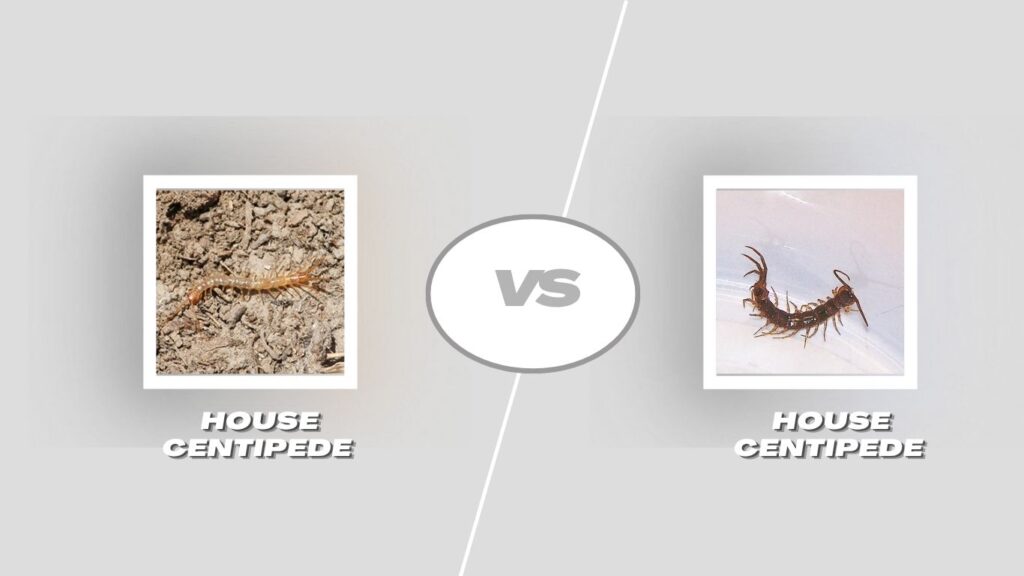
House centipede bites are often confused with bites or stings from spiders, mosquitoes, ants, and other insects. Because symptoms can look similar, identifying the exact cause is not always easy. Comparing common bite characteristics can help homeowners better understand whether a house centipede may be responsible for skin irritation appearing after indoor insect encounters.
Why Bite Identification Is Difficult
Many insect bites produce similar symptoms such as redness, itching, and swelling. Tiny puncture marks can also be difficult to notice clearly.
House centipede bites are especially hard to identify because they rarely cause dramatic symptoms. In many cases, people mistake them for mosquito bites, mild allergic reactions, or small spider bites instead.
Common Misdiagnoses
Several skin reactions are commonly confused with house centipede bites because they share similar symptoms.
- Spider bites
- Mosquito bites
- Ant stings
- Allergic skin irritation
- Mild rashes
- Flea bites
How to Tell the Difference
House centipede bites are usually milder than spider bites and less swollen than bee stings. The symptoms typically remain localized and improve quickly with simple treatment.
Spider bites may produce larger swollen areas or blistering depending on the species involved. Mosquito bites usually itch more intensely, while house centipede bites often create a mild burning or pinching sensation instead.
Are House Centipedes Dangerous Indoors?
House centipedes may look unsettling because of their long legs and rapid movement, but they are generally harmless indoor predators. They do not damage furniture, contaminate food, or spread diseases like some household pests. In fact, many pest experts consider them beneficial because they help control insect populations naturally. Their presence indoors usually indicates moisture or other insects rather than a serious danger to people.
Benefits of House Centipedes
House centipedes help reduce many common household pests by hunting them at night.
- Eat cockroaches
- Hunt silverfish
- Reduce spider populations
- Feed on ants
- Catch flies
- Natural pest control
Why They Enter Homes
House centipedes enter homes searching for moisture, warmth, and insects to eat. Bathrooms, basements, and laundry rooms are especially attractive because these areas stay humid and support insect populations.
Cracks around foundations, doors, and windows also allow centipedes to move indoors easily. Once inside, they often remain hidden during the day and become active at night while hunting prey.
Should You Remove Them?
Whether to remove house centipedes depends on personal preference and comfort level. Although they provide natural pest control, many people dislike seeing them indoors.
Reducing indoor humidity and controlling insect populations can naturally decrease house centipede activity. Homeowners who prefer removal can safely capture and release them outdoors or use vacuum methods without relying heavily on pesticides.
How to Prevent House Centipede Bites
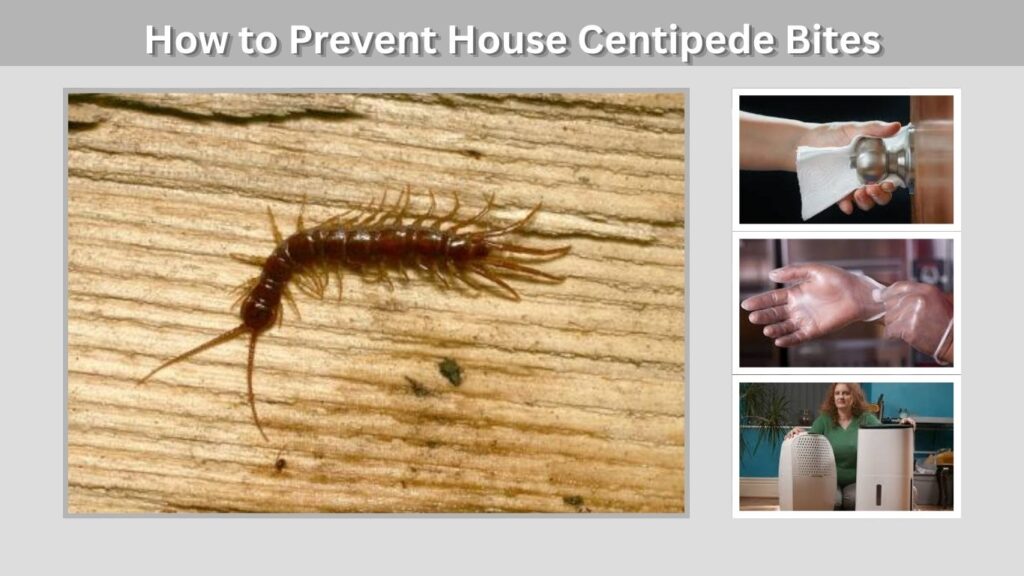
House centipede bites are uncommon, but reducing direct contact is the best way to avoid them completely. Since these arthropods prefer escaping rather than attacking, prevention mainly focuses on limiting indoor centipede activity and avoiding accidental handling. Maintaining a dry, clean home also reduces the insects that attract centipedes indoors in the first place.
Avoid Handling Them
Most bites happen when house centipedes feel trapped or threatened during direct contact.
- Avoid touching with bare hands
- Use gloves if necessary
- Capture with a container
- Use vacuum removal carefully
- Release outdoors safely
Reduce Indoor Moisture
Lower humidity levels make homes less attractive to both house centipedes and the insects they hunt.
- Fix leaking pipes
- Use dehumidifiers
- Improve airflow
- Dry wet areas quickly
- Ventilate bathrooms properly
Eliminate Other Insects
Removing insect populations reduces the main reason house centipedes stay indoors for long periods.
House centipedes commonly feed on silverfish, cockroaches, ants, and spiders. Keeping rooms clean, sealing food properly, and reducing clutter can help lower indoor insect activity and discourage centipedes naturally.
Interesting Facts About House Centipedes
House centipedes are unique arthropods with impressive speed, hunting ability, and survival skills. Although they often scare homeowners, they play an important ecological role inside homes by controlling pest populations. Their unusual appearance and behavior make them one of the most recognizable indoor arthropods found in damp environments around the world.
Unique Hunting Abilities
House centipedes are highly effective predators that rely on speed and venom to catch prey.
- Extremely fast runners
- Excellent nighttime hunters
- Use venom claws for prey
- Climb walls and ceilings
- Sensitive antennae detect movement
Lifespan and Behavior
House centipedes can survive indoors for several years under favorable conditions. They are mainly nocturnal and spend the daytime hiding in dark damp locations.
Their long lifespan and repeated molting stages allow them to continue growing and hunting throughout adulthood. Stable indoor temperatures help them survive comfortably year-round inside homes.
Ecological Importance
House centipedes help maintain balance in indoor ecosystems by controlling insect populations naturally.
- Reduce pest infestations
- Lower cockroach activity
- Control silverfish populations
- Support natural indoor balance
- Reduce need for pesticides
FAQs
What does a house centipede bite look like?
A house centipede bite usually appears as a small red bump with mild swelling and tiny puncture marks. The affected area may feel slightly warm, itchy, or irritated for a short time before healing naturally within a few days.
Are house centipede bites dangerous?
House centipede bites are generally not dangerous for healthy adults. Most bites cause only mild redness, swelling, and temporary discomfort. Serious allergic reactions are uncommon but may require medical attention if severe symptoms develop.
How long does a house centipede bite last?
Most house centipede bite symptoms improve within a few hours to a few days. Mild redness and irritation usually disappear quickly with proper cleaning and basic home treatment such as cold compresses.
What should I do after a house centipede bite?
Wash the bite area with soap and water, apply a cold compress to reduce swelling, and avoid scratching the skin. Over-the-counter antihistamine creams may help reduce itching or irritation if symptoms remain mild.
Can house centipedes bite pets?
House centipedes can bite pets, but serious problems are rare. Most pets experience little or no reaction besides mild irritation. If unusual swelling, vomiting, or discomfort develops, a veterinarian should evaluate the pet for safety.